Skip to Content Facebook Feature Image

UN peacekeepers are preparing to leave southern Lebanon. There’s no plan for what comes next

News

UN peacekeepers are preparing to leave southern Lebanon. There’s no plan for what comes next
News

News

UN peacekeepers are preparing to leave southern Lebanon. There’s no plan for what comes next

2026-11-27 14:02 Last Updated At:14:10

NAQOURA, Lebanon (AP) — Among the few buildings still standing in the Lebanese border town of Naqoura are an abandoned hotel occupied by Israeli soldiers, its walls draped with anti-drone netting, and the compound housing the headquarters of the U.N. peacekeeping force.

The roads passing through the once-idyllic seaside town, now largely reduced to rubble, are empty except for the occasional military patrol or convoy of peacekeepers escorting civilians or supplies.

More Images
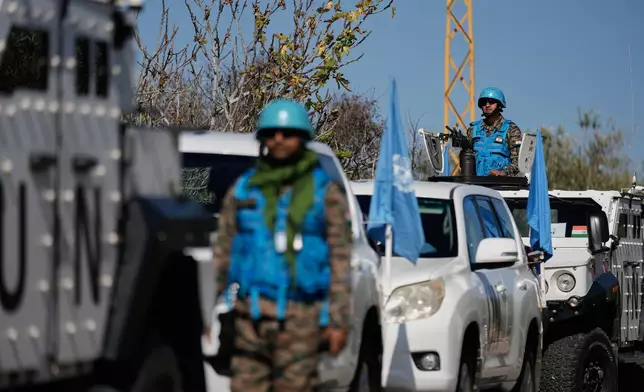
Indian U.N. peacekeepers patrol in the village of Mary, in southern Lebanon's Hasbaya district, Monday, Nov. 16, 2026. (AP Photo/Bilal Hussein)
Indian U.N. peacekeepers patrol in the village of Mary, in southern Lebanon's Hasbaya district, Monday, Nov. 16, 2026. (AP Photo/Bilal Hussein)

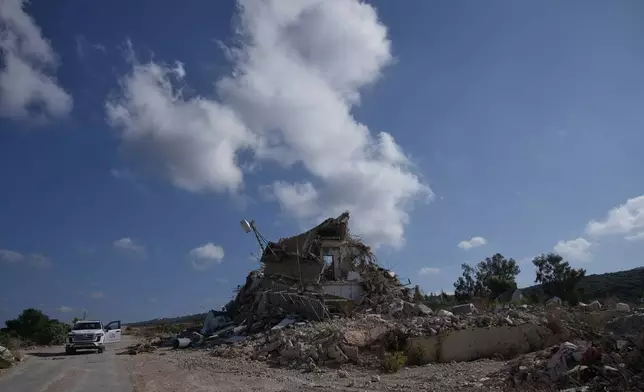
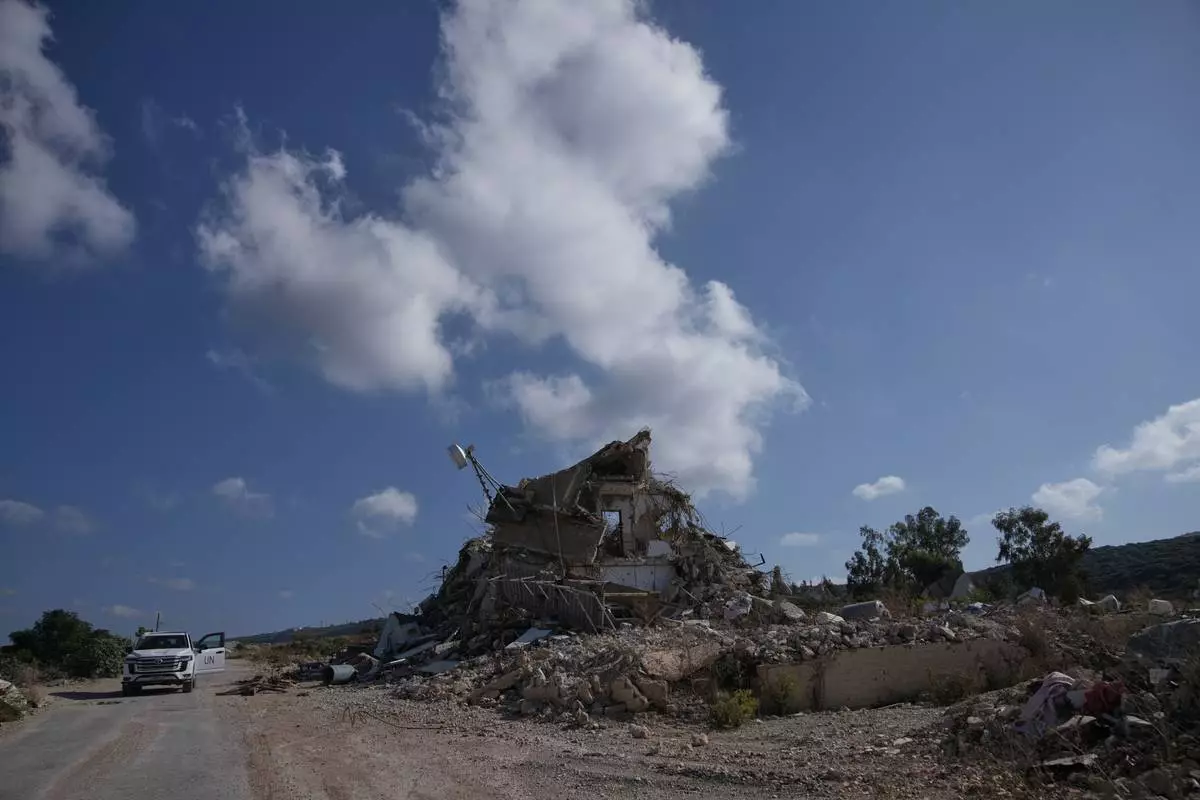
A United Nations Interim Force in Lebanon (UNIFIL) vehicle is parked next to the rubble of a destroyed building in an Israeli-occupied area of the coastal town of Naqoura, southern Lebanon, Tuesday, Nov. 24, 2026. (AP Photo/Hassan Ammar)
A United Nations Interim Force in Lebanon (UNIFIL) vehicle is parked next to the rubble of a destroyed building in an Israeli-occupied area of the coastal town of Naqoura, southern Lebanon, Tuesday, Nov. 24, 2026. (AP Photo/Hassan Ammar)

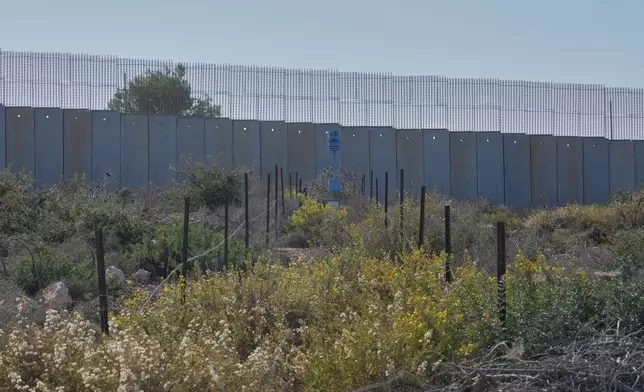
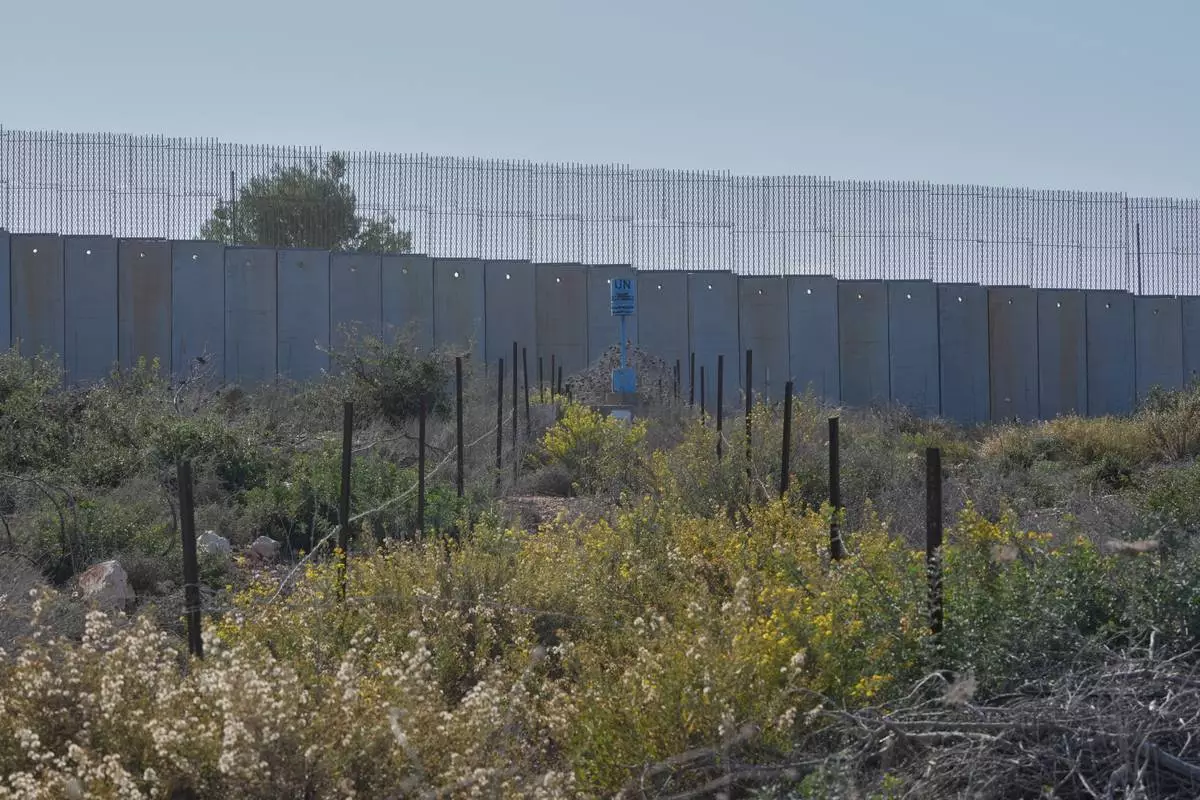
A Blue Line marker stands near a concrete wall built by Israel along the border with Lebanon, as seen from Naqoura, southern Lebanon, Tuesday, Nov. 24, 2026. (AP Photo/Hassan Ammar)
A Blue Line marker stands near a concrete wall built by Israel along the border with Lebanon, as seen from Naqoura, southern Lebanon, Tuesday, Nov. 24, 2026. (AP Photo/Hassan Ammar)

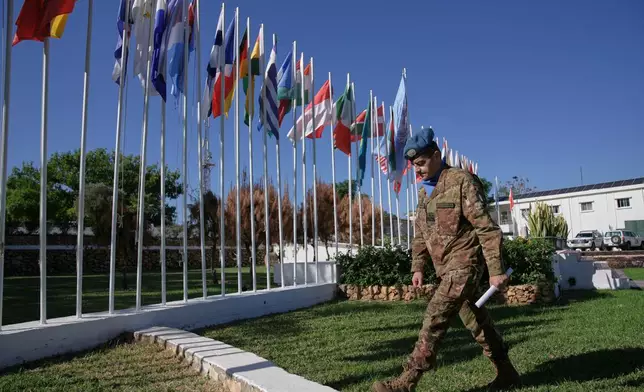
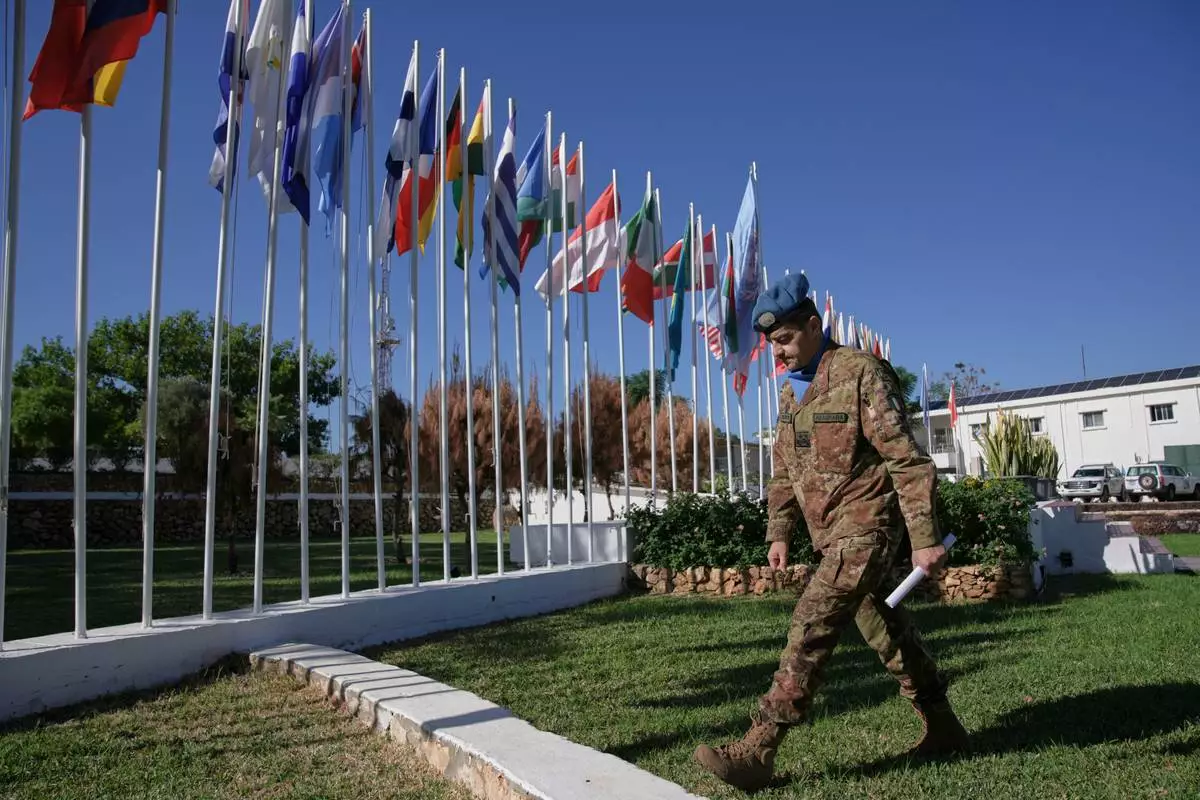
Maj. Gen. Diodato Abagnara, head of mission and force commander of the United Nations Interim Force in Lebanon (UNIFIL), walks past national flags at the mission's headquarters in Naqoura, southern Lebanon, Tuesday, Nov. 24, 2026. (AP Photo/Hassan Ammar)
Maj. Gen. Diodato Abagnara, head of mission and force commander of the United Nations Interim Force in Lebanon (UNIFIL), walks past national flags at the mission's headquarters in Naqoura, southern Lebanon, Tuesday, Nov. 24, 2026. (AP Photo/Hassan Ammar)

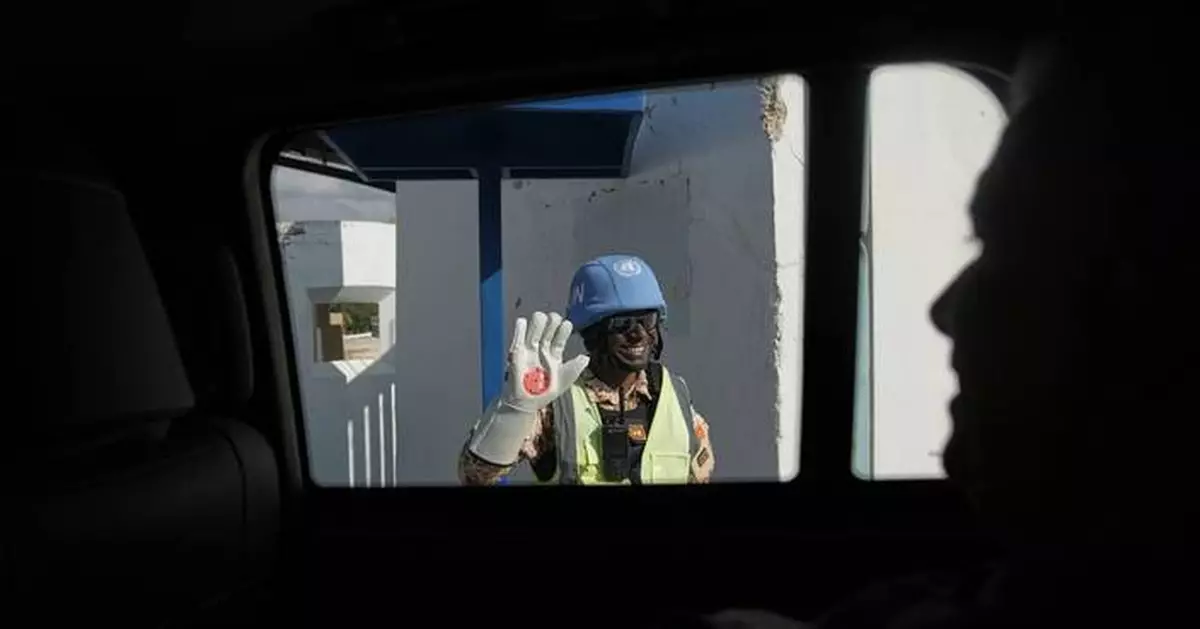
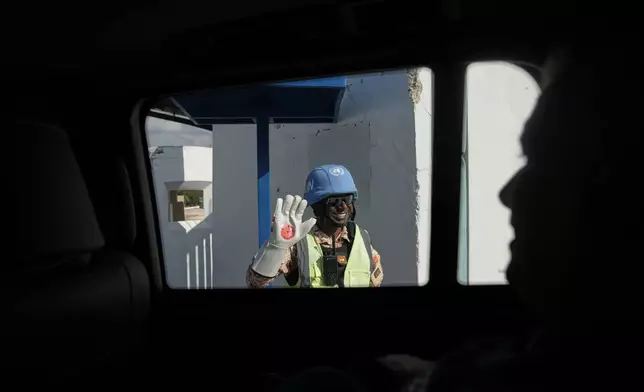
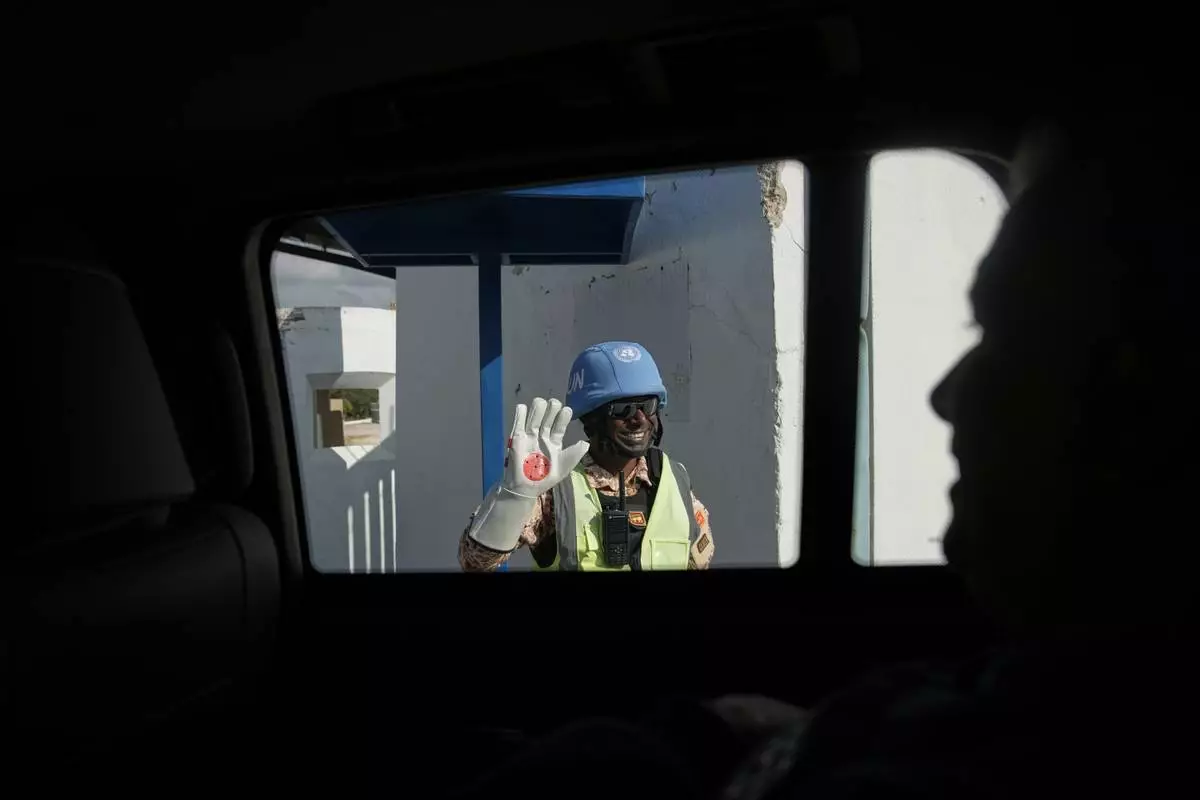
A Sri Lankan peacekeeper waves goodbye to a departing convoy, seen through a vehicle window, at the United Nations Interim Force in Lebanon (UNIFIL) base in Naqoura, southern Lebanon, Tuesday, Nov. 24, 2026. (AP Photo/Hassan Ammar)

A Sri Lankan peacekeeper waves goodbye to a departing convoy, seen through a vehicle window, at the United Nations Interim Force in Lebanon (UNIFIL) base in Naqoura, southern Lebanon, Tuesday, Nov. 24, 2026. (AP Photo/Hassan Ammar)

The end of the nearly 50-year mandate of the UNIFIL peacekeeping force is looming in just over a month, and still there is no plan for what comes after it.

The peacekeepers' impending exit, in parallel with an ongoing occupation by Israeli forces and a debate over the disarmament of the Hezbollah militant group, leaves the future of southern Lebanon in limbo.

Lebanon wants the U.N. force to stay. But the U.N. Security Council voted last year to terminate UNIFIL’s mandate at the end of 2026, bowing to demands from the United States and its close ally Israel.

Israel says the mission was a failure, citing Hezbollah’s military buildup over the years. The peacekeepers say they helped preserve calm for 17 years before Hamas’ 2023 attack on southern Israel ignited a regional conflict.

“My mandate is not to disarm Hezbollah,” UNIFIL’s commander, Maj. Gen. Diodato Abagnara, told The Associated Press in an interview. “My mandate is to support the Lebanese Armed Forces, to create the best conditions for the Lebanese Armed Forces to take full control here in the south. It’s not to fight against Hezbollah.”

UNIFIL is set to begin a gradual drawdown of its 7,500 peacekeepers on Jan. 1. Whatever comes after that, he said, “It’s very important to avoid a security vacuum in the south.”

UNIFIL wasn’t able to stop Hezbollah from launching missiles or Israel from carrying out airstrikes in two recent wars. But many residents of southern Lebanon say they still feel safer with its presence.

Mohammed Aoun was late to start harvesting his olive groves this year in the village of Halta, just outside of the Israeli-occupied area. On the first day of harvest earlier this month, as a UNIFIL patrol stopped at the orchard, an Israeli drone was buzzing overhead. The thud of a distant airstrike echoed through the valley.

Aoun said he was hesitant to start picking, but he had already lost out on the previous two years’ harvests. He is apprehensive about the impending departure of UNIFIL forces.

“Of course we feel more secure when we see patrols coming and going; it’s a sort of protection,” he said. “Their presence is important with regards to the security situation. We don’t know what will happen after they leave.”

The U.N. Interim Force in Lebanon was created in 1978 after Israel invaded southern Lebanon to fight Palestinian militants. Israel invaded again in 1982 and didn't withdraw until 2000. During that period, Hezbollah, backed by Iran, emerged as a guerrilla force.

After a monthlong war between Israel and Hezbollah in 2006, UNIFIL was tasked with monitoring violations of U.N. Security Council Resolution 1701, which ended the fighting. When a ceasefire ended another Israel-Hezbollah war in 2024, UNIFIL was part of the mechanism overseeing its implementation.

The Lebanese army was to take over security in southern Lebanon after the U.N. force's exit.

But then another war broke out between Israel and Hezbollah in March, linked to the wider Iran war. Israel now occupies large swaths of southern Lebanon, where its soldiers have emptied and demolished dozens of villages.

About 11,000 people remain in a handful of mostly Christian villages in the occupied area, Abagnara said. They depend on UNIFIL to escort the convoys that keep them connected with the rest of the country.

An agreement between Lebanon and Israel for Israeli forces to withdraw in exchange for the disarmament of Hezbollah has floundered, and negotiations between the two countries have stalled.

Lebanese President Joseph Aoun said in a statement Wednesday that “Israel continues to engage in hostile acts in the south” and his government and France — a Security Council member with close ties to Lebanon — both want an extension of UNIFIL's mandate. Any alternative force should continue to operate under the 1701 framework, with some possible amendments, he said.

U.S. officials have expressed willingness for some sort of international force to remain, but not in its current form. They have suggested that it could be a civilian force or private defense contractor.

Israel wants its military to coordinate directly with the Lebanese army to remove what remains of Hezbollah’s weapons.

Israel’s ambassador to the U.N., Danny Danon, said earlier this month that Hezbollah had "exploited UNIFIL’s presence."

“We do not rely on any international force," he said. "We trust only our own soldiers.”

Lebanon opposes the idea of a civilian contractor and has rejected direct military coordination with Israel.

France is working on a Security Council resolution that would authorize a new international force, a U.N. diplomat said. A Western diplomat said there are also discussions of slowing down UNIFIL's withdrawal and maintaining certain missions to avoid a “power vacuum.”

They spoke on condition of anonymity because they were not authorized to comment publicly.

In January, the Lebanese army announced that it had finished removing Hezbollah weapons caches from the border area south of the Litani River.

Hezbollah did not actively oppose the effort but has refused to give up its weapons elsewhere in the country and threatened to fight any attempt to forcibly disarm it.

The Lebanese army has been cautious about any move that might provoke a civil conflict. A Lebanese security official, who spoke on condition of anonymity to discuss sensitive matters, said the army’s current policy is to stop weapons shipments from moving around the country — a change from the past, when Hezbollah freely transported arms — but not to raid the militant group’s storage sites.

Hezbollah supporters in the past accused UNIFIL of spying for Israel and sometimes attacked peacekeepers. Now the group says it would accept UNIFIL or another U.N.-mandated force, but not a private security contractor or a force seen as supporting Israel's occupation.

———

AP staff writer Edith Lederer in New York contributed to this report.
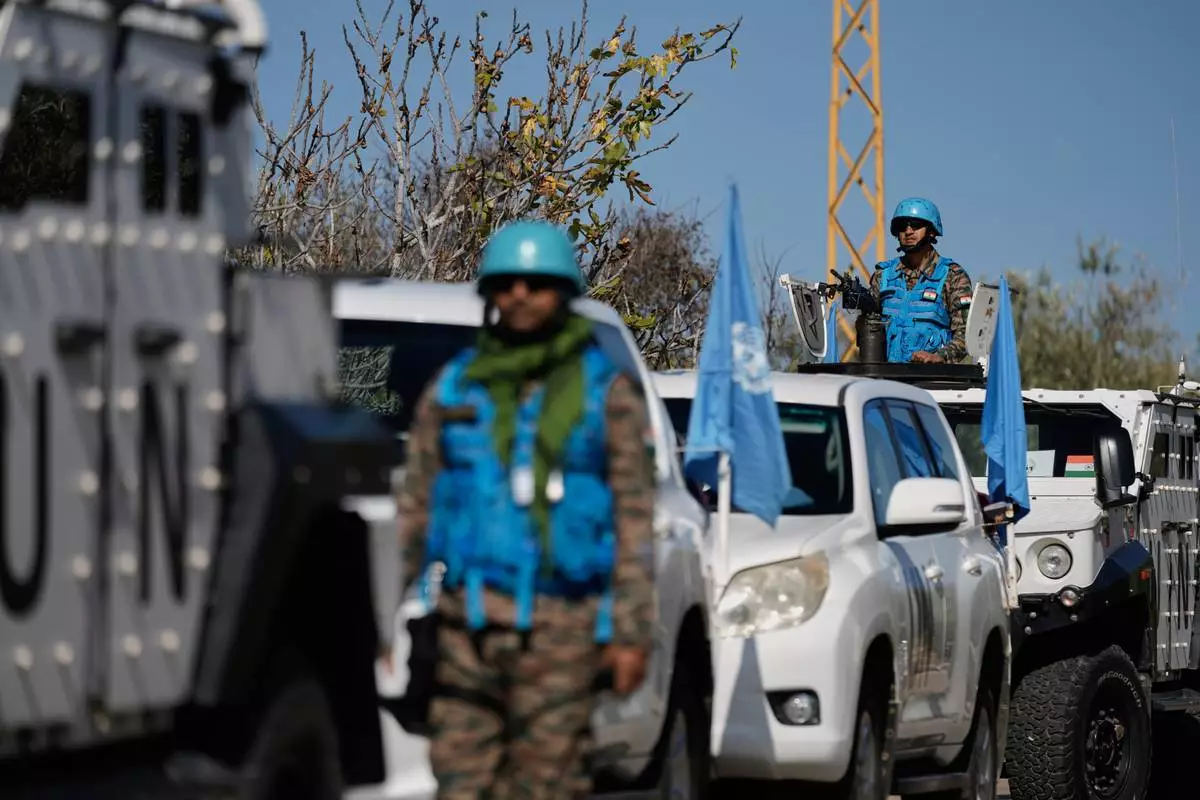
Indian U.N. peacekeepers patrol in the village of Mary, in southern Lebanon's Hasbaya district, Monday, Nov. 16, 2026. (AP Photo/Bilal Hussein)
Indian U.N. peacekeepers patrol in the village of Mary, in southern Lebanon's Hasbaya district, Monday, Nov. 16, 2026. (AP Photo/Bilal Hussein)

A United Nations Interim Force in Lebanon (UNIFIL) vehicle is parked next to the rubble of a destroyed building in an Israeli-occupied area of the coastal town of Naqoura, southern Lebanon, Tuesday, Nov. 24, 2026. (AP Photo/Hassan Ammar)
A United Nations Interim Force in Lebanon (UNIFIL) vehicle is parked next to the rubble of a destroyed building in an Israeli-occupied area of the coastal town of Naqoura, southern Lebanon, Tuesday, Nov. 24, 2026. (AP Photo/Hassan Ammar)

A Blue Line marker stands near a concrete wall built by Israel along the border with Lebanon, as seen from Naqoura, southern Lebanon, Tuesday, Nov. 24, 2026. (AP Photo/Hassan Ammar)
A Blue Line marker stands near a concrete wall built by Israel along the border with Lebanon, as seen from Naqoura, southern Lebanon, Tuesday, Nov. 24, 2026. (AP Photo/Hassan Ammar)

Maj. Gen. Diodato Abagnara, head of mission and force commander of the United Nations Interim Force in Lebanon (UNIFIL), walks past national flags at the mission's headquarters in Naqoura, southern Lebanon, Tuesday, Nov. 24, 2026. (AP Photo/Hassan Ammar)
Maj. Gen. Diodato Abagnara, head of mission and force commander of the United Nations Interim Force in Lebanon (UNIFIL), walks past national flags at the mission's headquarters in Naqoura, southern Lebanon, Tuesday, Nov. 24, 2026. (AP Photo/Hassan Ammar)

A Sri Lankan peacekeeper waves goodbye to a departing convoy, seen through a vehicle window, at the United Nations Interim Force in Lebanon (UNIFIL) base in Naqoura, southern Lebanon, Tuesday, Nov. 24, 2026. (AP Photo/Hassan Ammar)

A Sri Lankan peacekeeper waves goodbye to a departing convoy, seen through a vehicle window, at the United Nations Interim Force in Lebanon (UNIFIL) base in Naqoura, southern Lebanon, Tuesday, Nov. 24, 2026. (AP Photo/Hassan Ammar)
BELGRADE, Serbia (AP) — Marko Bojovic got up early on the day of Serbia's parliamentary election last month. As a logistics coordinator for the student movement, he wanted one final look at a plan designed to make sure activists were safe and the ballot was not rigged.

The meticulously crafted plan relied on a network of some 60,000 volunteers with specialized mobile teams that communicated through dedicated phone apps and kept changing venues to avoid state surveillance and stay connected, he said.

After all, the grassroots movement was taking on a formidable opponent. Strongman ruler Aleksandar Vucic was in power for 14 years, equipped with a well-oiled electoral machine, seemingly unlimited resources, a state apparatus, and almost the entire media landscape under the control of his right-wing Serbian Progressive Party.

Nonetheless, 24-year-old Bojovic was confident that the Students List would succeed. After leading two years of protests, the students managed nationwide mobilization, flawless organization, and — crucially — empathy.

Bojovic, who has a degree in history, drew a comparison between the election showdown and a Spartan battle. ”We would either come back with our shields, or on them," he said.

Their preparations paid off. Serbia’s youth on Oct. 25 scored a stunning victory admired well beyond the Balkan country’s borders. A month later, Bojovic and another logistics team member, Adrian Kraljevic, spoke to the AP about the strategy that helped undermine Vucic's popularity and defeat his party by a landslide.

The students’ protests demanding accountability over the November 2024 train station tragedy in Serbia’s north resonated among the voters hungry for justice and equality after decades of crisis and corruption. The canopy collapse at the Novi Sad train station killed 16 people, and many in Serbia were convinced that shoddy renovation work tainted by graft and negligence was to blame.

Djordje Trikos, a London-based political campaign strategist, said the disaster acted as a catalyst for change.

“This is where they started thinking: ‘I have nothing to lose if I change my vote,’” Trikos said. “Many people switched sides not because they necessarily believed the students were the better alternative, but because they considered the reality they lived in unbearable.”

Bojovic said the students realized Vucic's system was a “pyramid” and that the way was to dismantle the base and work upwards. To achieve this, activists launched a “student in every village” campaign, marching and cycling through the country to reach Vucic’s strongholds.

“We knocked on almost every door in Serbia," he said.

It wasn't easy. Pro-government media and officials, including Vucic himself, repeatedly attacked the students as enemies of the state who wanted to destroy the country under orders from abroad.

The students, Bojovic said, countered by showing the citizens that "we are their children.”

Dragica Jovanovic, an 83-year-old pensioner from Belgrade, said it worked. Though she “liked our president (Vucic) very much ... the students touched my heart," Jovanovic said.

Vucic, she added, "made me choose between him and my grandchildren.”

The next step was to involve volunteers from all backgrounds at every stage of the election. Most were trained as polling-station observers, ballot counters, security staff, or call-center operators, Bojovic said.

With their resolve and youth, the students won the hearts and minds of many Serbians who were fed up with both Vucic’s SNS and the other established parties. The students vowed to restore democracy and fight corruption, while avoiding divisive topics such as relations with Russia or the European Union.

Trikos drew a comparison with Hungary, whose authoritarian ex-Prime Minister Viktor Orban was swept from power in a similar way in April. Both Hungary and Serbia, Trikos said, were governed by leaders with nearly 15 years in office who had faced a changed electorate, an aging base, and young voters who wanted to change the system.

“So, it’s not only the students and their, say, creative genius or plan that contributed to these results,” he said. “This is almost like a rule across all democracies: young voters tend to vote anti-establishment, and if you are in power for 15 years, they will naturally perceive you as the establishment.”

Two rounds of local elections in 2025 and 2026 helped shape the students’ strategy for the crucial vote in October. Those earlier ballots were marred by reports of pro-government supporters attacking election monitors, students and journalists.

Bojovic said that students “took a beating but the regime has shown its cards."

Kraljevic, who is 21, added that the students realized “we need to know where our people are in real time so that we could help them if they are in danger or get hurt."

The solution was a set of special apps, created with the help of Serbia's inventive IT community, Kraljevic said. The apps — which were turned off after the Oct. 25 vote — were designed to track mobile election teams and serve as tools of communication that creators hoped could not be traced or monitored by the authorities.

The apps were protected by multiple security layers and hosted on Android and iOS stores under cryptic names, Kraljevic said. Volunteers at the parliamentary ballot received their usernames and security codes to activate them on election day, he added.

Each of the apps, Kraljevic said, featured three core tools: a team-tracking map, a live communication panel and a panic button so that anyone in danger could send an immediate call for help — which thankfully wasn't widely used. Multiple apps compartmentalized risk — if one group was compromised, the rest of the groups could continue without jeopardizing the entire operation of several thousand people, he explained.

Local and international digital watchdog groups said they have evidence that the phone of the Belgrade university rector was infected with spyware, along with the phones of several students, activists and a prosecutor. The spyware included both Israeli NSO Group’s Pegasus and domestically developed malware, the report said.

Separately, some students said they noticed people watching them, or saw the content of their meetings popping up in pro-government tabloids.

Bojovic said the students changed venues for meetings to avoid surveillance, and were “constantly on the move,” going through “every basement, every attic, and countless cafes.”

Serbia’s Security Information Agency, or BIA, has dismissed allegations as “false and malicious” and aimed at fueling instability.

Balloting raised hope for the students from early hours on Oct. 25. with people lining up for hours in a joyful atmosphere. But as the day drew to a close, tensions began to rise.

Special police were deployed in central Belgrade, fencing off streets. Vucic's masked and hooded loyalists started converging in a park near Parliament where they had been camping for over a year, and from where they had repeatedly attacked journalists and activists.

Kraljevic said masked men lined up in front of his polling station, and “it was very tense.” But as Vucic conceded defeat at 9.30 p.m., the group “quietly dispersed,” he said.

Hundreds of thousands of people soon flooded the streets in an outburst of spontaneous celebration. For Bojovic and Kraljevic, the election victory meant a return to their everyday lives before the protests.

Kraljevic said he is happy that “my mother can finally say my name over the phone.” Previously, he said, she was afraid that he would be followed and come to harm. Now her anxiety has lifted.

AP Writer Jovana Gec contributed to this report.

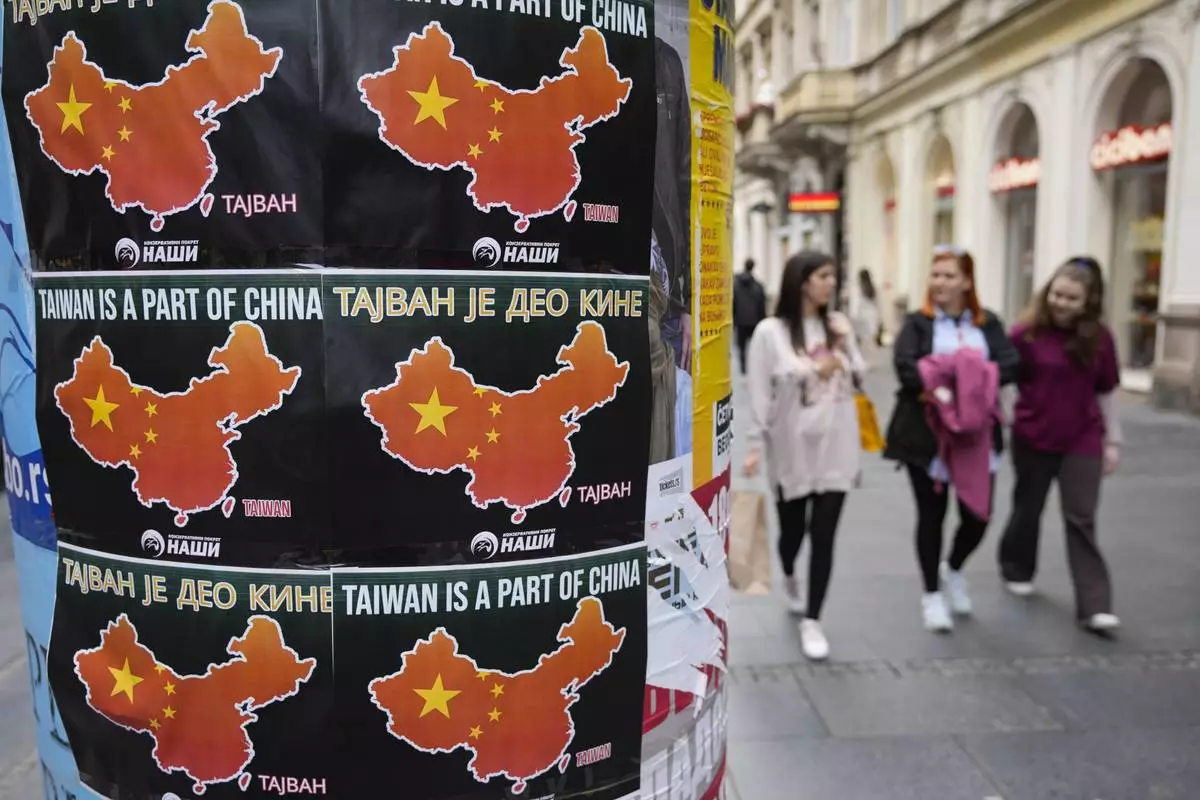
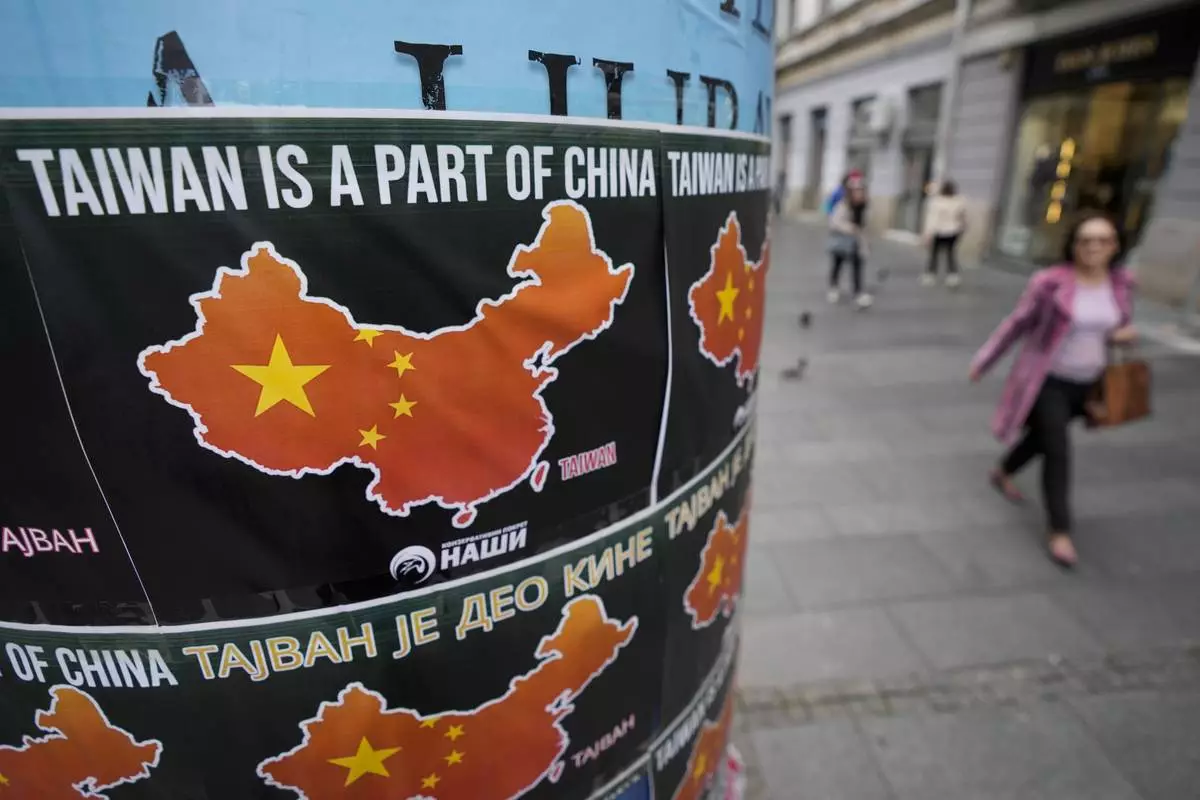
A woman walks past posters reading "Taiwan is a part of China," signed by the right-wing group Nasi ("Ours"), displayed on the main pedestrian street in Belgrade, Serbia, Tuesday, April 11, 2023. (AP Photo/Darko Vojinovic)

A woman walks past posters reading "Taiwan is a part of China," signed by the right-wing group Nasi ("Ours"), displayed on the main pedestrian street in Belgrade, Serbia, Tuesday, April 11, 2023. (AP Photo/Darko Vojinovic)

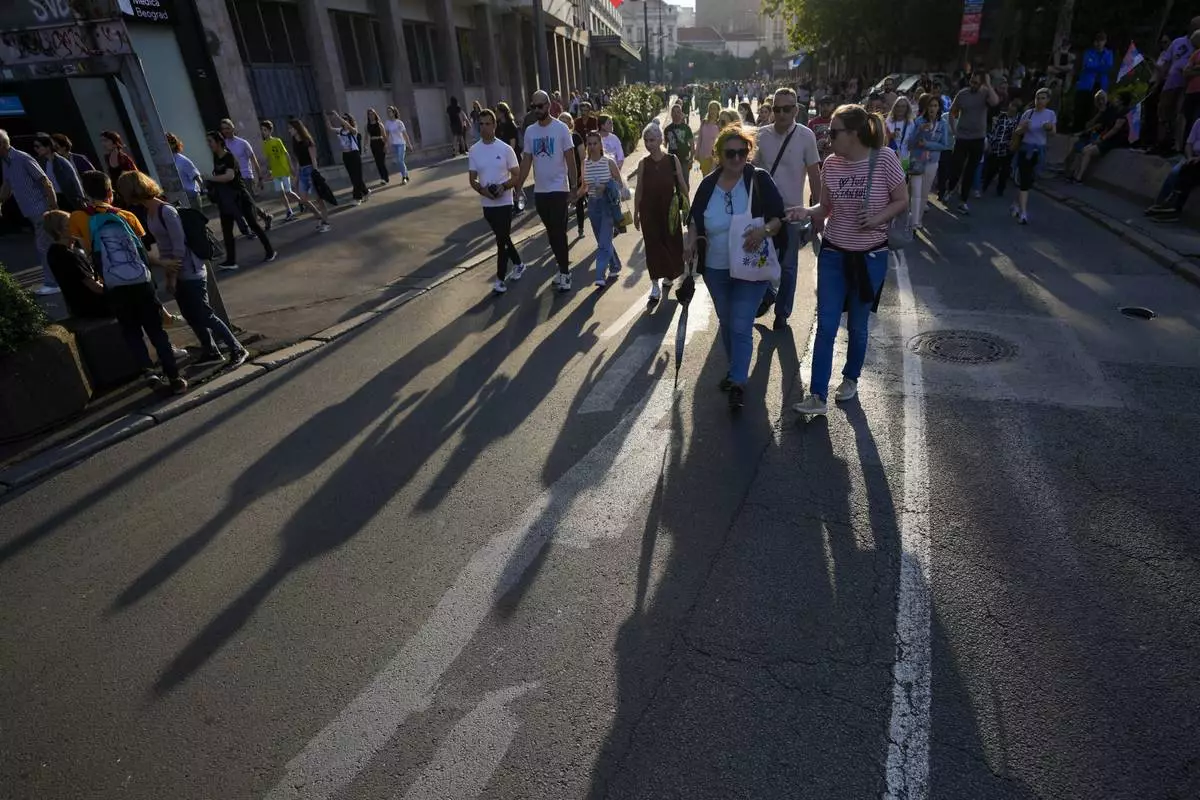
People arrive for a protest against violence in Belgrade, Serbia. Protesters are demanding the resignations of senior government officials and the revocation of broadcasting licenses for two pro-government television networks, Friday, June 9, 2023. (AP Photo/Darko Vojinovic)

People arrive for a protest against violence in Belgrade, Serbia. Protesters are demanding the resignations of senior government officials and the revocation of broadcasting licenses for two pro-government television networks, Friday, June 9, 2023. (AP Photo/Darko Vojinovic)

People walk past posters reading "Taiwan is a part of China," signed by the right-wing group Nasi ("Ours"), displayed on the main pedestrian street in Belgrade, Serbia, Tuesday, April 11, 2023. (AP Photo/Darko Vojinovic)

People walk past posters reading "Taiwan is a part of China," signed by the right-wing group Nasi ("Ours"), displayed on the main pedestrian street in Belgrade, Serbia, Tuesday, April 11, 2023. (AP Photo/Darko Vojinovic)

Recommended Articles