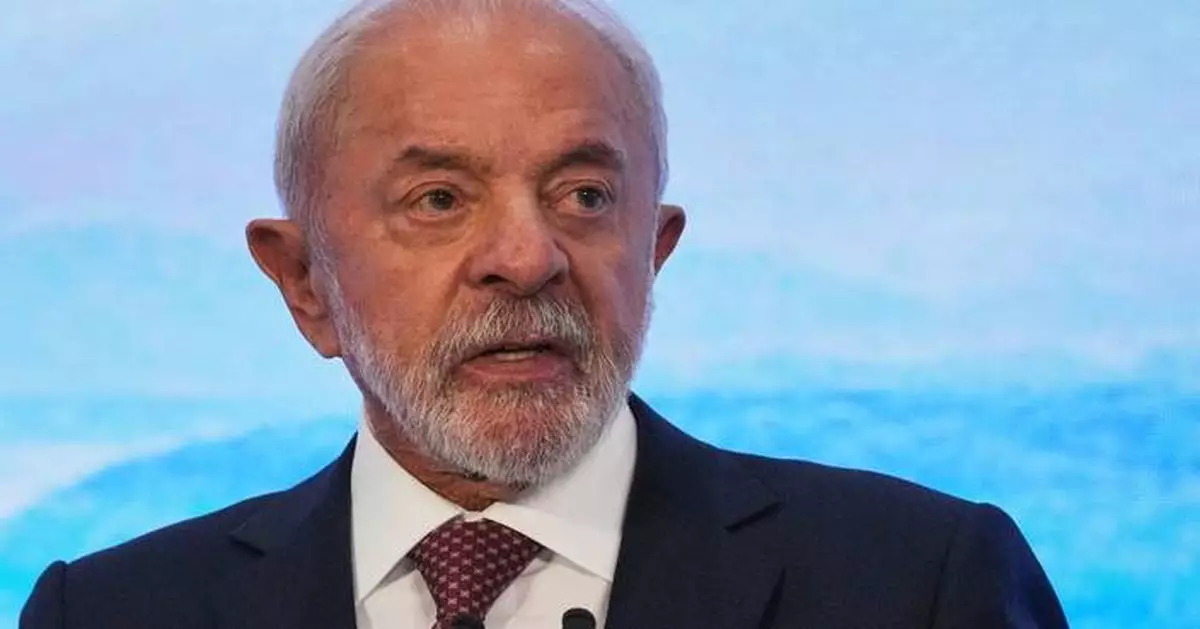
RIO DE JANEIRO (AP) — Markets rallied on Friday after Brazilian President Luiz Inácio Lula da Silva confirmed he had chosen a veteran banker to lead his finance ministry in 2027, a move seen as a sign of his commitment to fiscal discipline.
Brazil’s currency, the real, and its stock market had tumbled after Lula’s surprise victory over Flávio Bolsonaro in last month’s presidential election. Investors had been counting on a win by Bolsonaro, who had pledged to slash spending.
But the announcement late Thursday that Bradesco chief Luiz Carlos Trabuco had accepted Lula’s invitation to oversee the country’s finances during his upcoming fourth term, which begins Jan. 5, triggered a sharp rebound.
The real strengthened from 5.88 to the dollar on Wednesday to 5.53 on Friday morning, while stocks surged between Thursday evening and Friday morning.
The currency had already begun strengthening after Brazil’s lower house approved a government plan earlier this week to control spending and increase revenue. Although many investors considered the plan too timid, they viewed it as a step in the right direction.
The package has drawn criticism from some of Lula’s supporters, who accuse his government of bowing to market pressure. They see the measures as a threat to health, education and welfare spending, as well as to his campaign promises.
Ahead of the runoff, Lula unveiled costly initiatives, including a 15% increase in payments under his flagship welfare program, Bolsa Família, or Family Grant. That measure alone will cost 5.8 billion reais ($1 billion) this year and about 22 billion reais ($3.7 billion) next year, according to Brazilian government figures.
Other measures introduced by Lula’s administration include subsidized credit and debt-relief programs for small businesses and low-income earners, as well as temporary federal fuel tax cuts. The government has also proposed free public transportation on weekends, while Congress has passed legislation shortening the workweek without cutting pay.
Last week, students and left-wing activists protested against the fiscal package on São Paulo’s Brigadeiro Faria Lima Avenue, home to many banks and brokerages, and in Rio de Janeiro’s historic Candelária Square.
Follow AP’s coverage of Latin America and the Caribbean at https://apnews.com/hub/latin-america
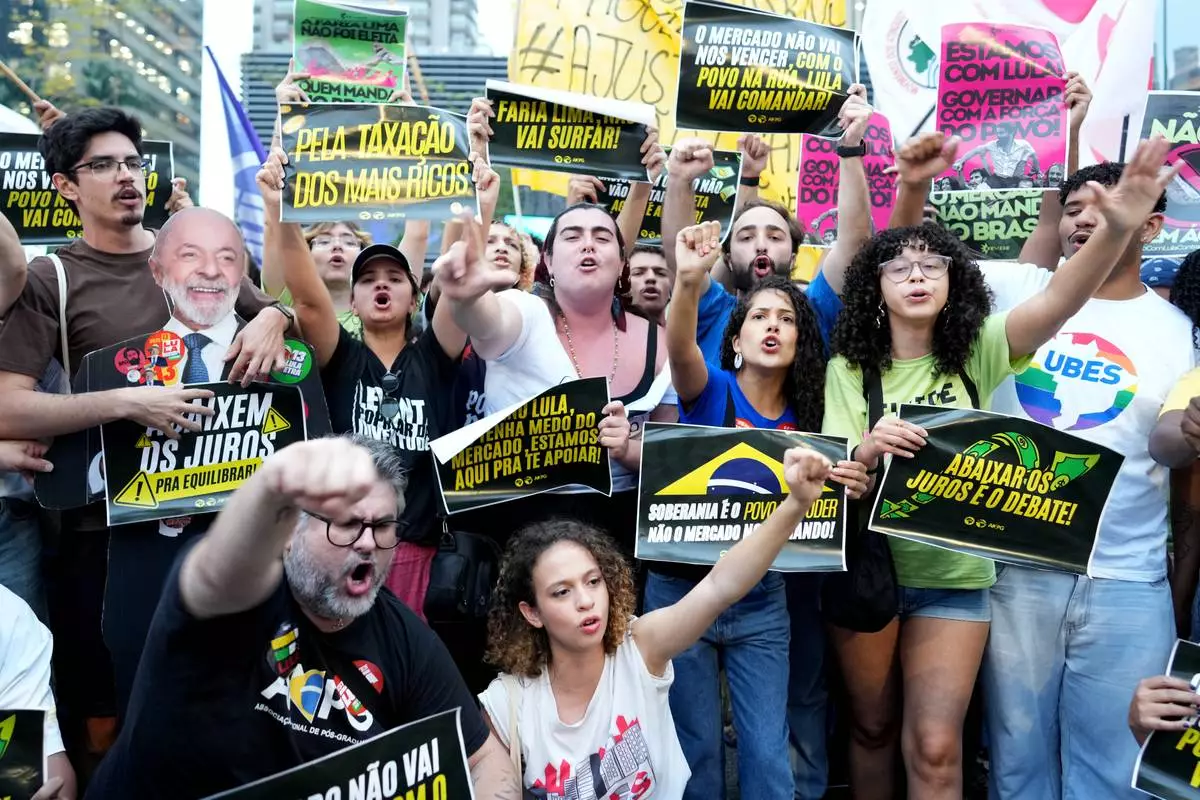
Supporters of Brazil's President Luiz Inacio Lula da Silva protest against the federal government's proposed fiscal reform, arguing that it is driven by financial market interests and would lead to cuts in health care and education funding, in Sao Paulo, Tuesday, Nov. 17, 2026. (AP Photo/Andre Penner)
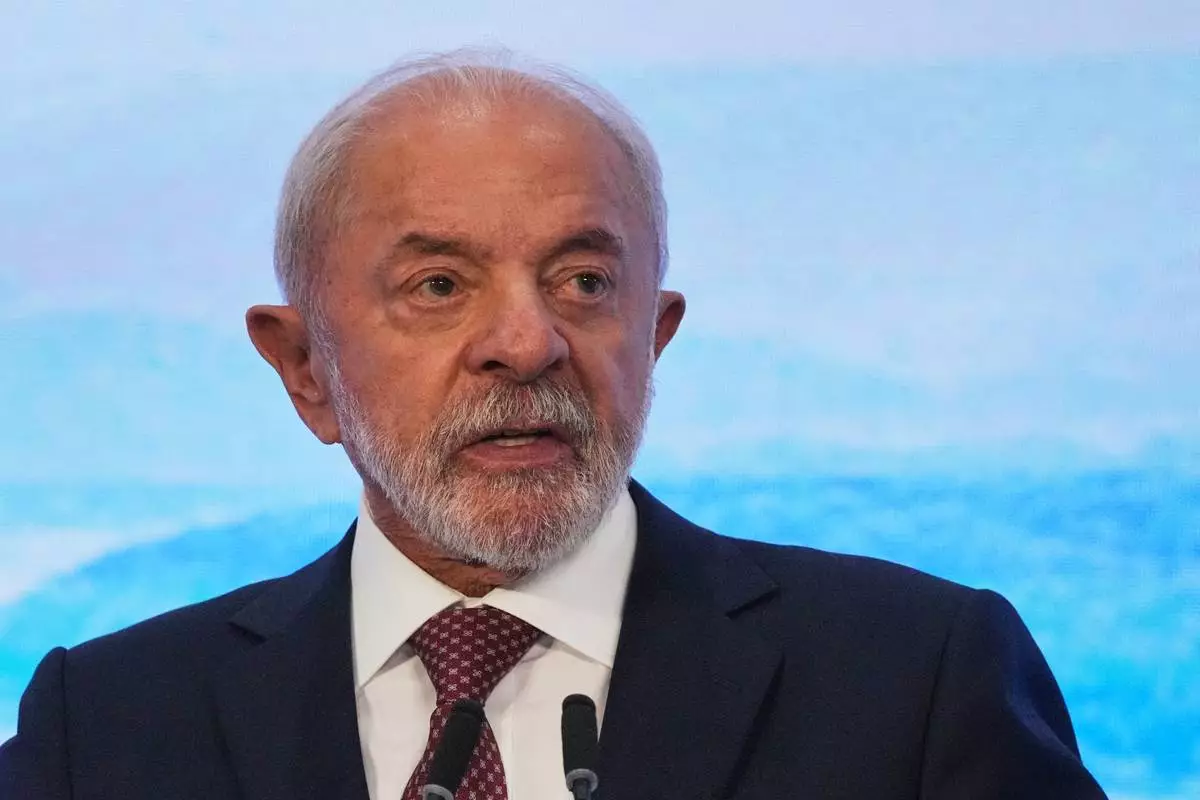
Brazilian President Luiz Inacio Lula da Silva looks on as he speaks to members of the media during a news conference at the media center on the sidelines of the 49th Association of Southeast Asian Nations (ASEAN) summit and related meetings in Manila, Philippines, Sunday, Nov. 15, 2026. (AP Photo/Firdia Linsawati)
ISLAMABAD (AP) — Pakistan, Saudi Arabia and Turkey held talks on Friday to discuss developments in the Middle East, including ongoing attacks on Saudi Arabia by Yemen’s Iran-backed Houthi rebels, two security officials said.
The more than two-hour talks at an Islamabad hotel involving defense and military officials were held under a trilateral defense pact that treats an attack on any member as an attack on all three, according to the officials, who spoke on condition of anonymity because they were not authorized to discuss the meeting publicly.
A joint statement was expected later, following a meeting with Pakistani Prime Minister Shehbaz Sharif.
Earlier, Pakistan’s green-and-white flags lined the route through Islamabad alongside Turkey’s red flags and Saudi Arabia’s green flags as vehicles carrying delegates traveled through Islamabad under tight security.
Friday’s meeting of the Strategic, Political and Defense Committee falls under the Joint Mecca Defense Agreement, signed in August in the Saudi holy city of Mecca by Sharif, Saudi Crown Prince Mohammed bin Salman and Turkish President Recep Tayyip Erdogan.
Turkish officials have said Ankara is considering sending military assistance to Saudi Arabia but insist the Mecca agreement is defensive and that no Turkish troops would be deployed to fight in Yemen or attack the Houthis.
Pakistan has also described the agreement as purely defensive, saying it is not directed against any country, including Iran, and reflects a shared desire to strengthen strategic security cooperation.
Meanwhile, Erdogan formally approved the three-nation agreement, completing Turkey’s ratification process for the defense pact, according to Turkey’s Official Gazette on Friday.
Earlier this month, legislators approved the agreement by 279 votes to 119 in Turkey’s 600-seat parliament, despite objections from opposition parties who had argued that the agreement could embroil Turkey in regional wars and put Turkish soldiers in harm’s way.
In Ankara, Turkish officials said Foreign Minister Hakan Fidan, Defense Minister Yasar Guler and military chief Gen. Selcuk Bayraktaroglu would participate in the meeting. They said Fidan would reaffirm Turkey’s commitment to the agreement and its “full solidarity” with Riyadh. He would also declare unacceptable Houthi attacks that target civilians and civilian infrastructure and threaten regional security.
Fidan will also stress the importance of pursuing a diplomatic resolution to the conflict between the U.S. and Israel on one side and Iran on the other, and ensuring safe navigation through the Bab al-Mandeb Strait, according to an official who requested anonymity to discuss the meeting’s agenda.
The three sides were to discuss ways to deter threats, expand military cooperation, share intelligence and strengthen defense industry ties, the Pakistani officials said. Pakistan’s Defense Minister Khawaja Muhammad Asif, Foreign Minister Ishaq Dar and army chief Field Marshal Asim Munir will attend.
Asif has said Pakistan will use “whatever means are available” to defend Saudi Arabia against Houthi attacks.
Pakistan is also working with countries in the Middle East, including Qatar, to urge the United States and Iran to return to the negotiating table to end the conflict. Pakistan brokered an interim deal between the two sides in June.
Pakistan’s government has not released details of Friday's meeting, but authorities declared a local holiday in Islamabad to limit public movement as part of security measures. Traffic police announced road diversions and advised motorists to use alternative routes to accommodate foreign delegations.
At a previous meeting in Riyadh, the three sides vowed to immediately implement what they described as their collective defense commitments, including arrangements for the rapid deployment of agreed-upon military forces and capabilities to Saudi Arabia.
Under the agreement, the group’s secretariat has been established in Saudi Arabia, and retired Pakistani Gen. Nauman Mahmood has been selected as its first secretary-general. He will also attend Friday’s meeting. The pact binds the parties for 10 years, after which they must give three months’ notice to withdraw.
Fraser reported from Ankara, Turkey.
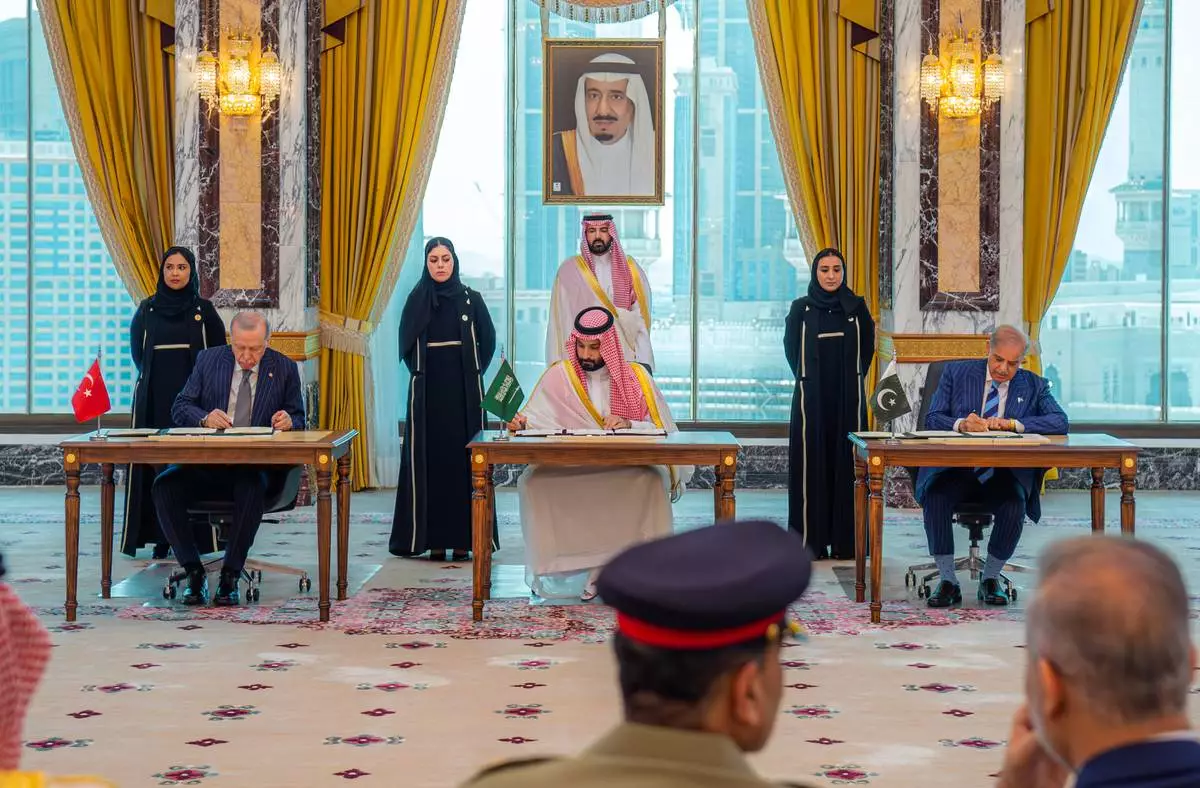
FILE -From left, Turkish President Recep Tayyip Erdogan, Saudi Crown Prince Mohammed bin Salman and Pakistani Prime Minister Shehbaz Sharif sign a trilateral defense agreement in Mecca, Saudi Arabia, Aug. 7, 2026. (Saudi Press Agency via AP, File)
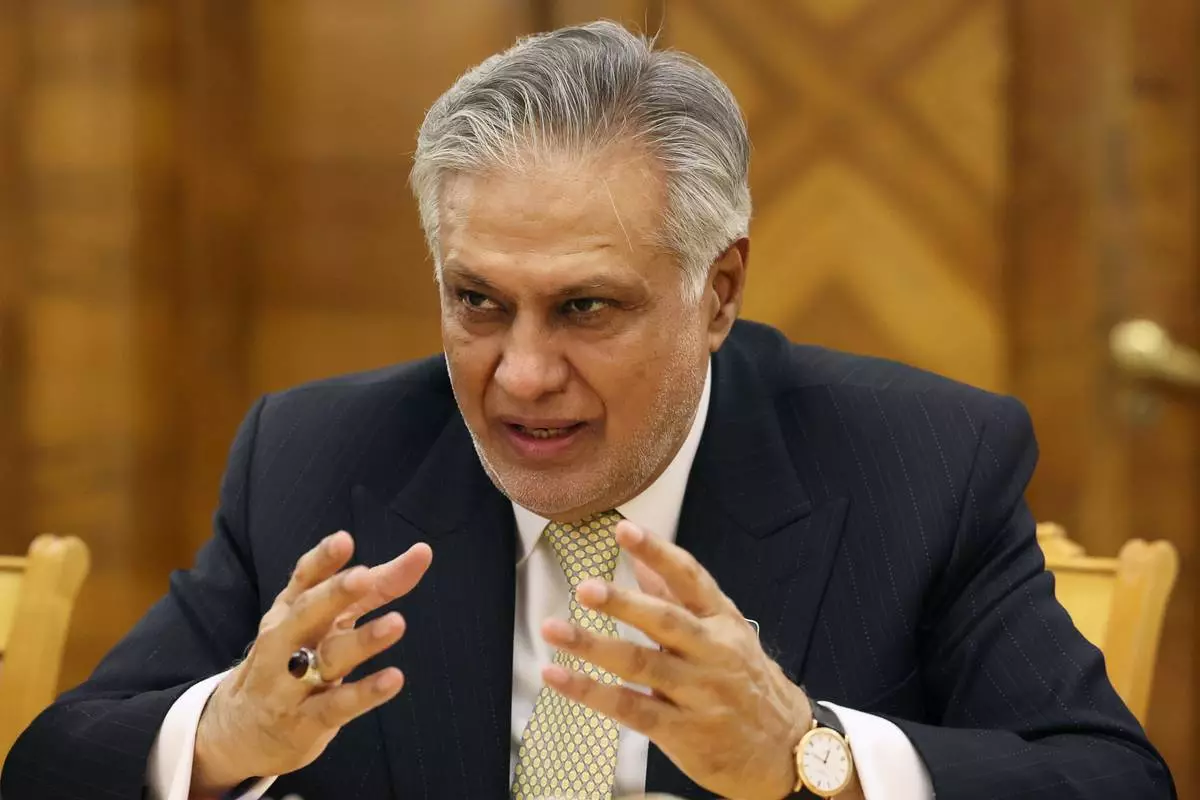
FILE - Pakistani Deputy Prime Minister and Foreign Minister Mohammad Ishaq Dar speaks with Russian Foreign Minister Sergey Lavrov during their meeting at the Russian Foreign Ministry headquarters in Moscow on Nov. 18, 2025. (Shamil Zhumatov/Pool Photo via AP, File)