Initial laboratory results indicate the controlled detonation of five tons of dangerous lead azide in southeastern Iowa has not caused a rise in the heavy metal in the bodies of water that supply drinking water to the area, the U.S. environmental agency said Saturday.
Test results from sampling done following the U.S. Army’s detonation of an aging stockpile of lead azide in Iowa were released by the Environmental Protection Agency.
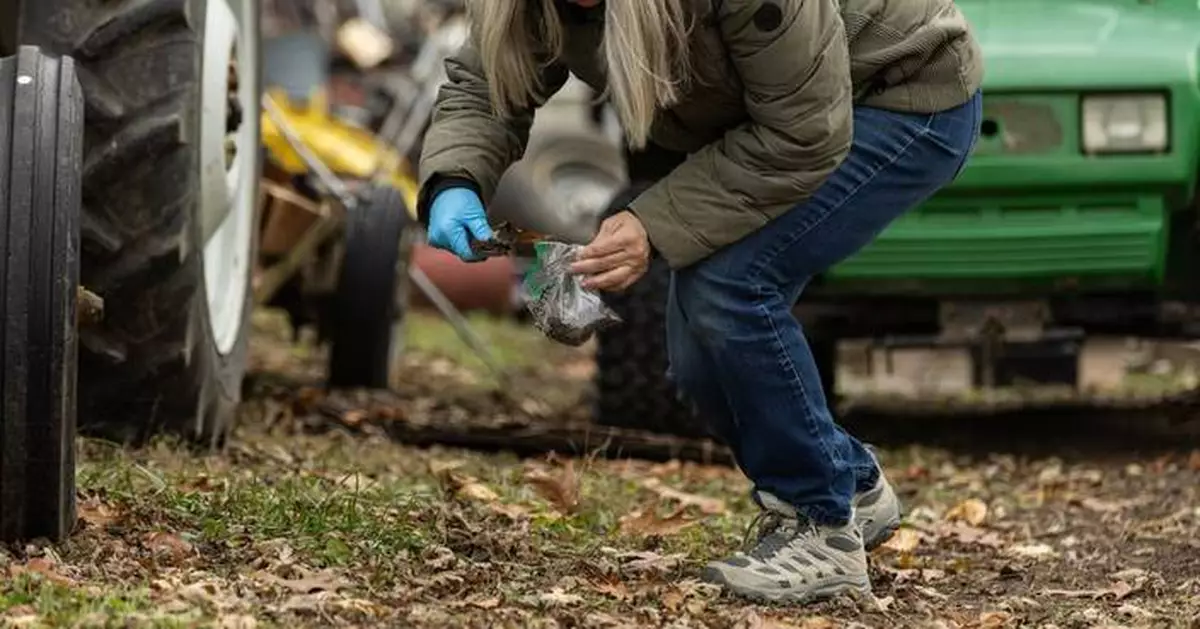
The EPA said about 300 people spent Thursday in the field sampling schools, playgrounds, churches and homes across the region. More than 1,500 samples were taken of air, water, soil and dust before the detonation and hundreds of samples, including from homes, parks and drinking water, afterward.
“The EPA monitored for the presence of airborne lead for 30 consecutive hours after the controlled detonation using the Xact air monitoring systems. We will continue to provide updates in the coming days as new lab results for over 3,200 air, soil, dust and water samples … return and get validated,” the EPA said in a post on X.
Lead is a heavy metal that’s especially dangerous to children and pregnant women. The Army has said the safest option was to detonate the stockpile right away because it was degrading and might explode uncontrollably at any time as the weather got colder.
But the detonation has spurred widespread concerns about potential environmental contamination as well as questions about how and when the federal government communicated its plans.
Residents and some elected officials have criticized the Army for not being more transparent and providing more notice when it first determined the stockpile was unstable.
Residents in the tiny town of Middletown, where the Army stockpile was held, knew of the plans, but few others did — and the warnings largely failed to register with elected officials and the broader public until days before the planned detonation.
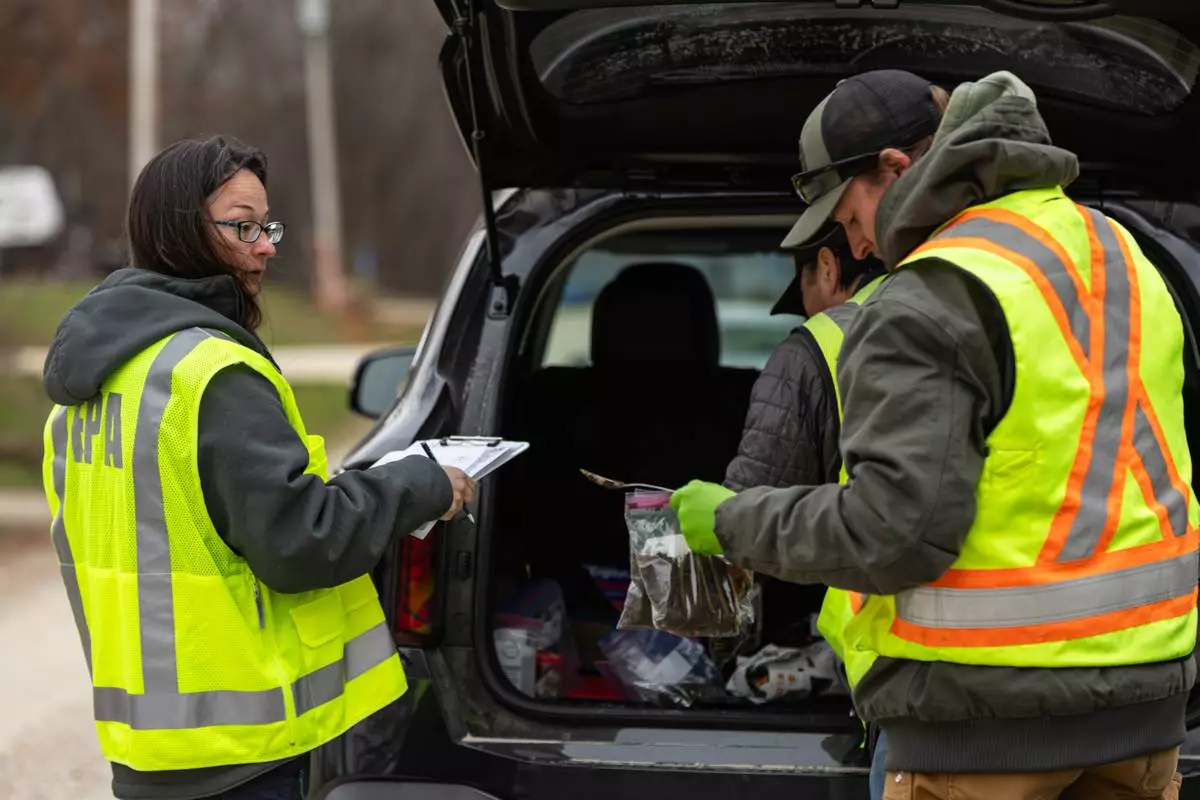
Environmental Protection Agency On-Scene Coordinator Sharon Kennedy, left, catalogs soil samples collected by her hired contractors in Augusta, Iowa, Wednesday, Nov. 25, 2026. Augusta lies along the perimeter of the Iowa Army Ammunition Plant, where earlier that day the U.S. Army detonated a stockpile of lead azide. (AP Photo/Austin Johnson).
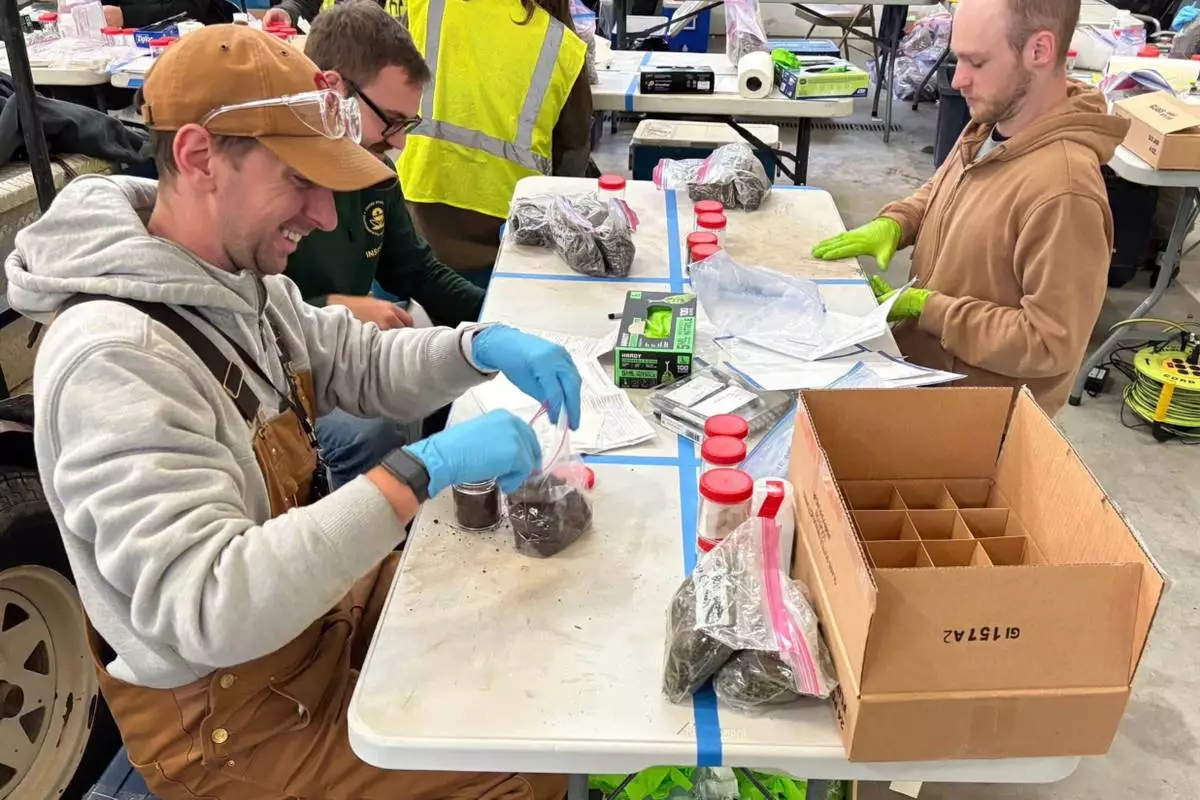
This image provided by the U.S. Environmental Protection Agency (EPA) shows workers in Middletown, Iowa, preparing soil samples to be shipped to laboratories for testing on Thursday, Nov. 26, 2026. (EPA via AP)
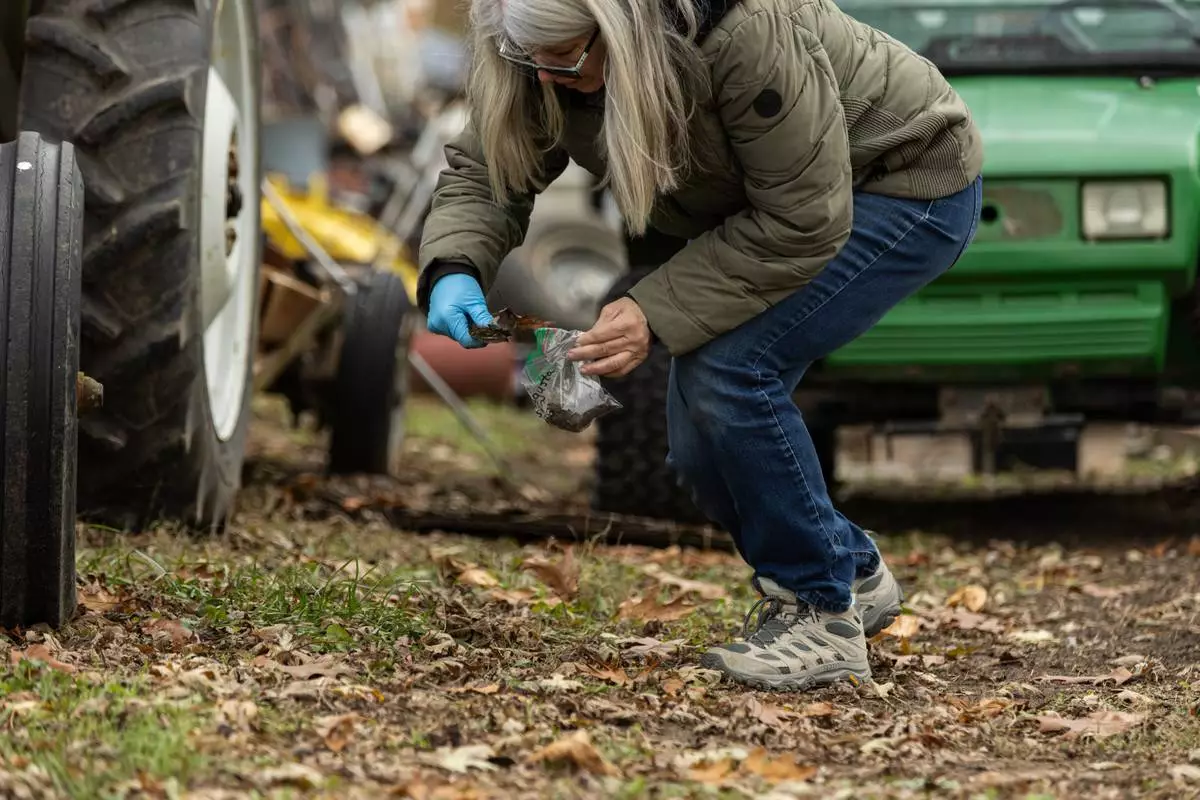
Environmental Protection Agency Supervisor Susan Fisher collects soil samples in Augusta, Iowa, Wednesday, Nov. 25, 2026. Augusta lies along the perimeter of the Iowa Army Ammunition Plant, where earlier that day the U.S. Army detonated a stockpile of lead azide. (AP Photo/Austin Johnson).
KABUL, Afghanistan (AP) — An explosion at a primary and middle school in the eastern Afghan province of Kunar Saturday killed 10 people and wounded another 110, most of them children, officials said, adding that the blast appeared to have originated in a neighboring depot for explosives.
Kunar Culture and Information Director Sami ul Haq Bayan said initial information indicated the blast at the school on the outskirts of the provincial capital, Asadabad, occurred due to negligence at the depot storing explosives belonging to mining companies. An investigation into the incident was underway, he said.
Interior ministry spokesman Abdul Mateen Qani put the death toll at 10, and said 110 had been wounded.
Footage from a ward in the hospital showed young children, several with bandaged heads and some lying two to a bed.
Noor Rahman, whose home is next door to the school, said he heard the explosion and saw dust rising.
“I ran straight into the dust, our own children were there,” he said. "I entered one of the rooms, where there was screaming and shouting. I saw the hand of my niece, she was moving it. I rushed in, cleared away the bricks, and managed to pull her out, along with other injured (people).”
Haji Sulaiman, whose son was wounded in the blast, said he had been on his way to his shop when he heard and saw the explosion.
“Pieces of wood and human flesh were flying everywhere,” said Sulaiman, adding that he ran toward the school. "When I arrived, I found children, some were dead, others were drenched in blood, and some rooftops were collapsed, the walls were gone, and nothing remained of the school.”
Kunar Provincial Police Headquarters spokesperson Farid Dehqan said the explosion occurred at 10 a.m. at a school in the Andar Ser area on the outskirts of Asadabad.
Footage posted on social media showed cars bringing wounded children to the emergency department of a hospital in Asadabad, as well as images of the school building, part of which appeared to have collapsed.
Mining is a major industry in Afghanistan, a country that is rich in raw materials, including iron ore, copper, lead, zinc, gold, coal and precious stones. But safety standards at the mining companies are often poor, leading to accidents.
Gemstone mining is on the rise in Kunar, with various companies extracting precious stones which are subsequently sold at auction.
In August, a hand grenade attack at a school complex in the Afghan capital, Kabul, wounded more than 40 children aged between 9 and 14.
Elena Becatoros in Athens, Greece, contributed.
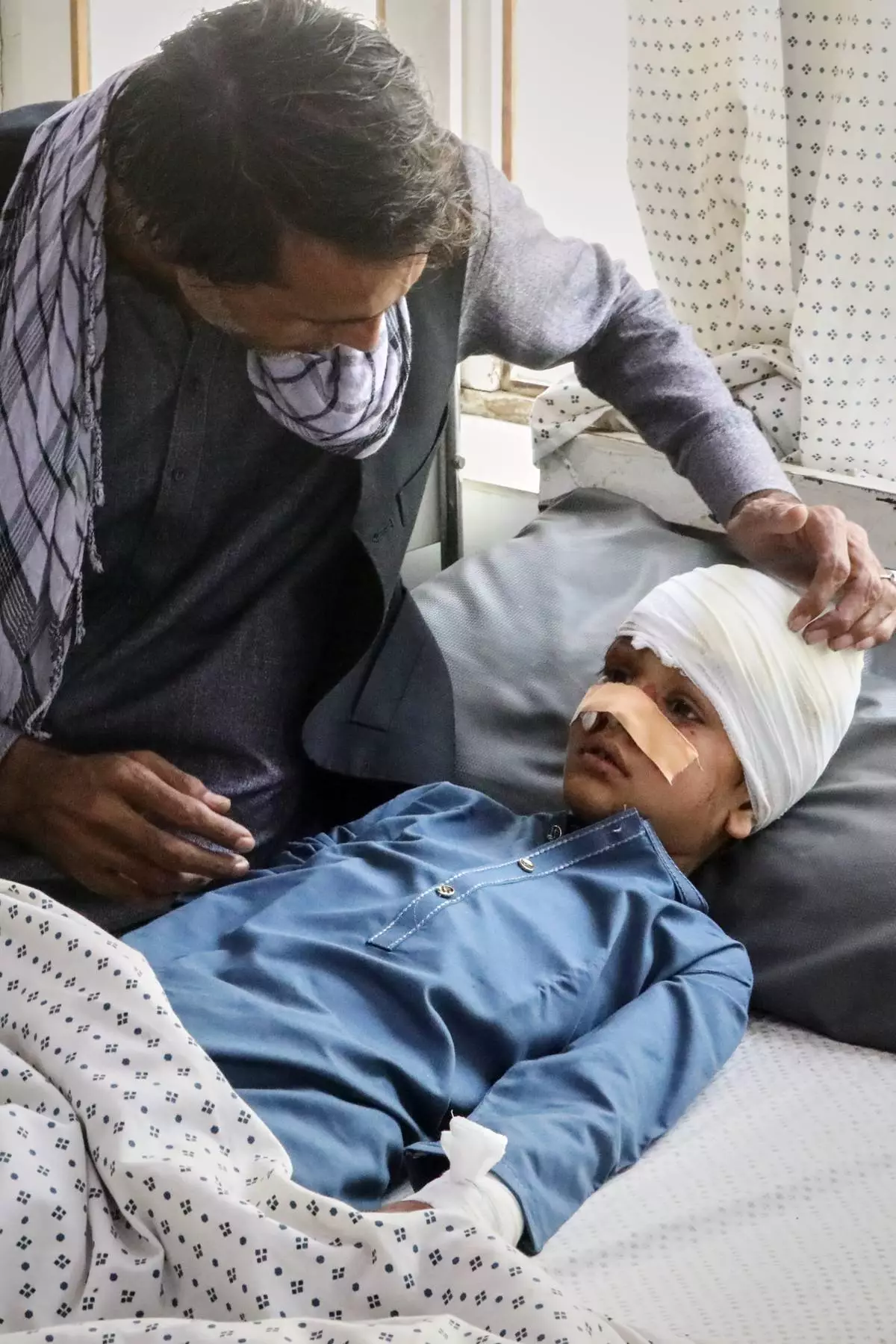
A man comforts a child wounded in an explosion at a middle school in Afghanistan's eastern Kunar province at a hospital in the provincial capital, Asadabad, Saturday, Nov. 28, 2026. (AP Photo/Shafiullah Kakar)
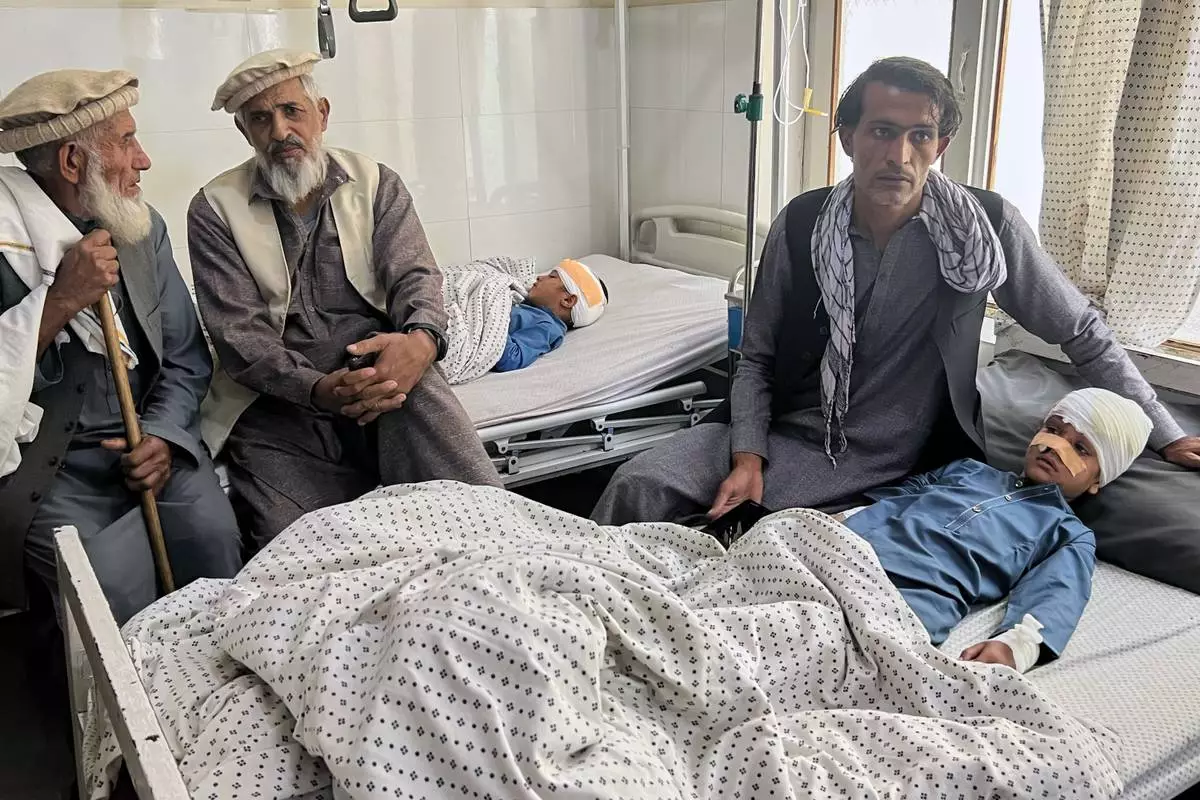
Children wounded in an explosion at a middle school in Afghanistan's eastern Kunar province receive treatment at a hospital in the provincial capital, Asadabad, Saturday, Nov. 28, 2026. (AP Photo/Shafiullah Kakar)
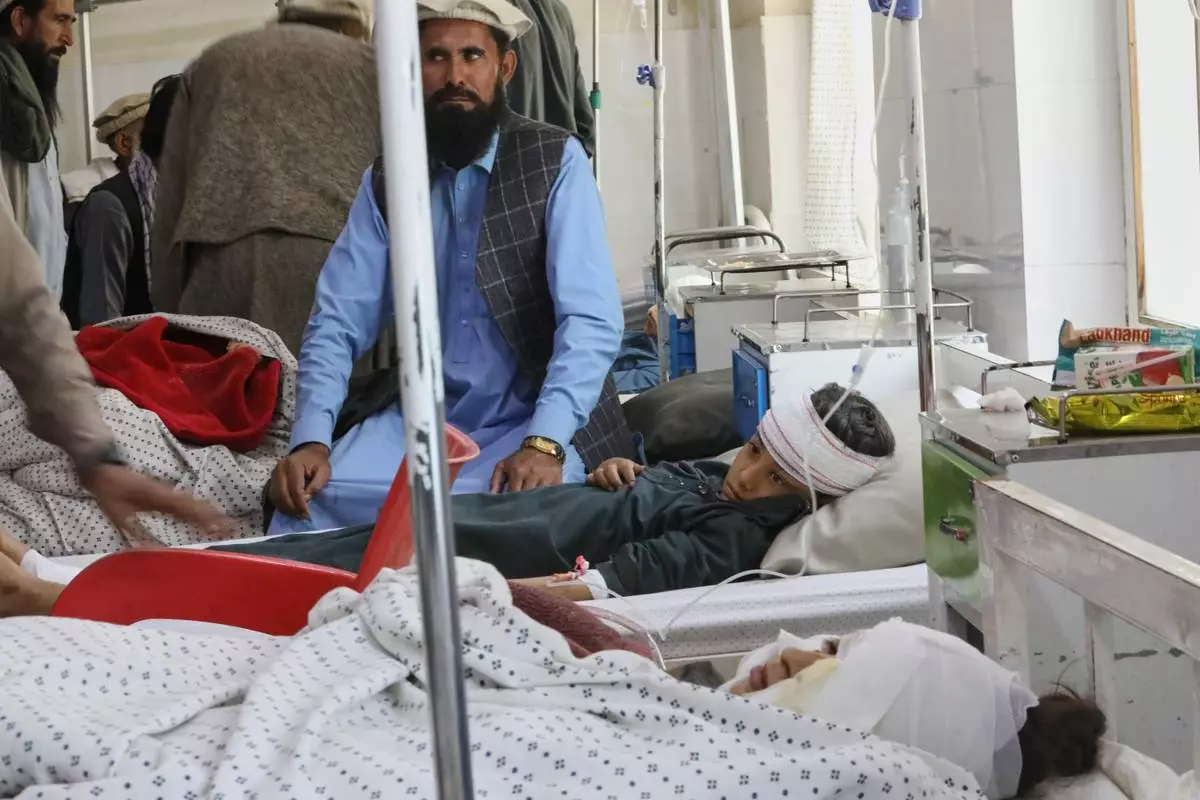
Children wounded in an explosion at a middle school in Afghanistan's eastern Kunar province receive treatment at a hospital in the provincial capital, Asadabad, Saturday, Nov. 28, 2026. (AP Photo/Shafiullah Kakar)
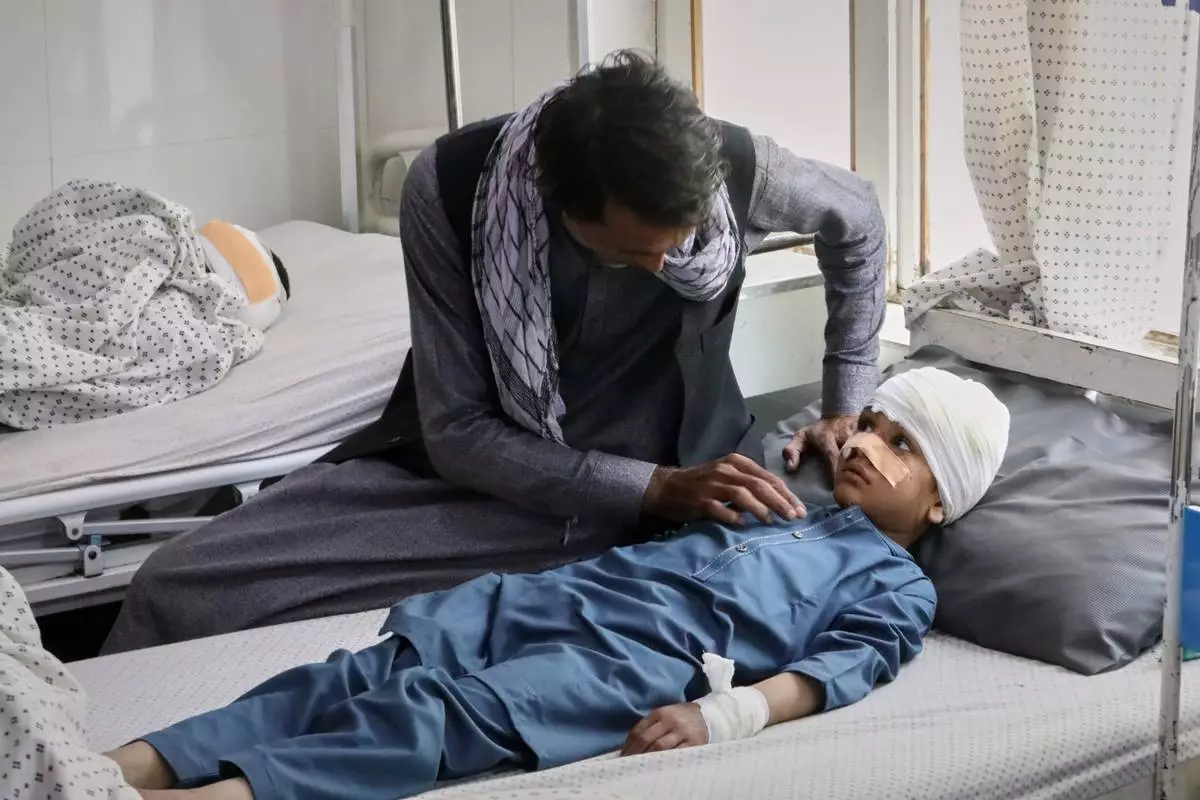
A child wounded in an explosion at a middle school in Afghanistan's eastern Kunar province is comforted by a man as he is treated at a hospital in the provincial capital, Asadabad, Saturday, Nov. 28, 2026. (AP Photo/Shafiullah Kakar)
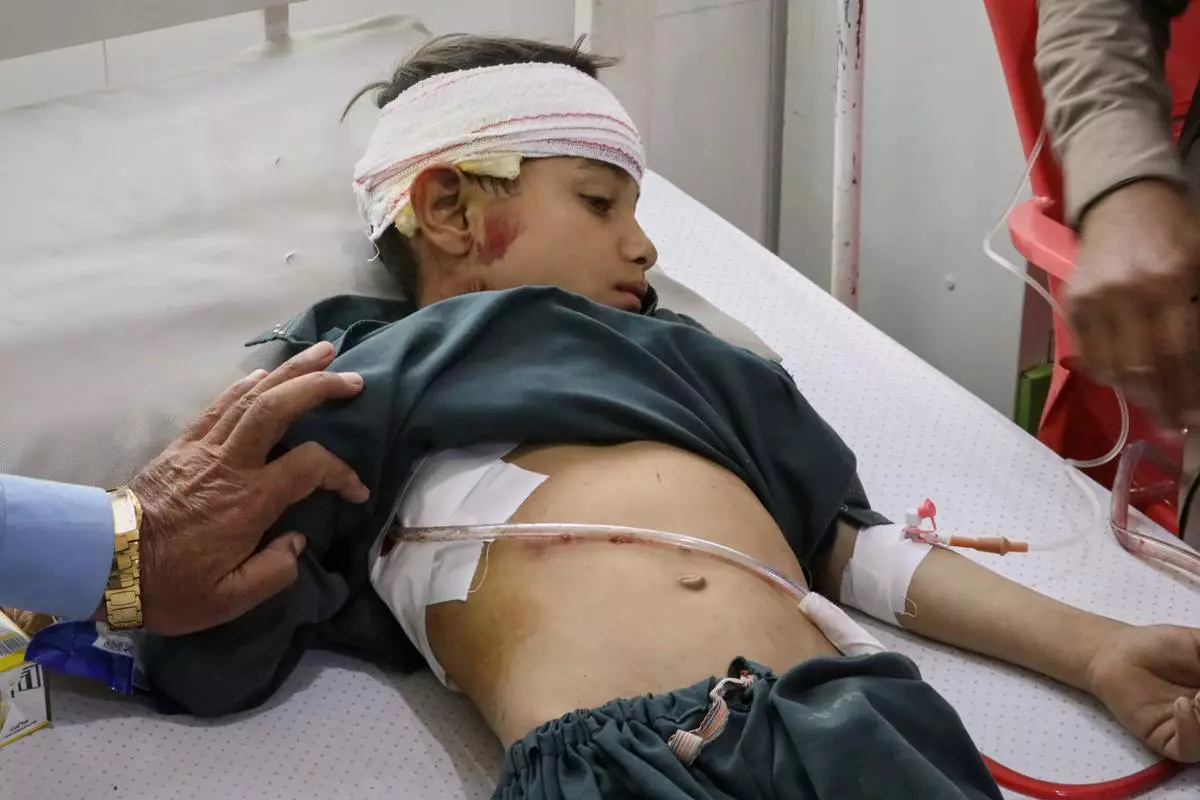
A child wounded in a explosion at a middle school in the eastern Afghan province of Kunar is treated at a hospital in the province's capital Asadabad, Afghanistan, Saturday, Nov. 28, 2026. ((AP Photo/Shafiullah Kakar)