THE HAGUE, Netherlands (AP) — One candidate to be a judge on the International Criminal Court was accused of bullying in the workplace and other inappropriate behavior. Another was accused of touching a colleague and then threatening to retaliate if reported.
The court received the complaints as part of a new process to vet nominees to the bench. But it failed to fully investigate the accusations — and hasn't passed them along to nations voting on the nominations — saying it could not look into them without revealing the identities of the complainants, according to exclusive reporting by The Associated Press.
Yet an AP reporter was able to uncover substantial new information about one of the accused candidates. The gaps in vetting the two potential new judges occurred despite the reputational damage the court has already suffered after the removal of its former chief prosecutor over accusations of workplace misconduct.
In total, the court received complaints about seven of the 14 nominees for a judicial election that will be held in the coming days. It examined the other complaints more fully — but still not in time for the committee assessing the candidates to consider the findings.
The election comes as the court — responsible for prosecuting the world’s gravest atrocities, including war crimes and genocide — is facing an existential threat from the Trump administration, which is engaged in a campaign to dismantle the institution over investigations into the United States and Israel. Washington has imposed sanctions on more than a dozen current and former staff members and the institution itself.
Civil society groups have long said the court wasn’t sufficiently vetting applicants for senior positions, and that criticism took on new urgency in the wake of sexual misconduct allegations against Karim Khan. The former chief prosecutor denies the accusations.
So the court adopted a new process, used for the first time in this year’s election.
Anyone with concerns about the contenders, whose names are public, had 60 days to file a complaint, which would be evaluated by the court’s internal watchdog, the Independent Oversight Mechanism.
The court received complaints that included accusations of bribery, misrepresenting professional credentials and other misconduct, according to documents seen by AP.
The AP has learned the names of the candidates who faced formal complaints but was only able to investigate some of the allegations and so has chosen to not name any of the nominees.
Accusations against four of the candidates focused on issues that had been reported in the media or that had been looked into by other institutions — and, in these cases, the IOM said it was able to substantiate them.
But the complaints that alleged inappropriate behavior by two of the nominees had not been aired publicly before.
In one case, three women alleged the candidate berated them until they cried, or made them uncomfortable by inviting them for late-night drinks or to travel together, the documents show.
The AP spoke to 13 people who have worked with or had professional contact with the nominee. Four of them said they had experienced behavior similar to what was alleged in the formal complaints — but had not themselves submitted complaints. Two had witnessed similar behavior. All of them said they had not been contacted by investigators — and all spoke on condition of anonymity because they feared retaliation.
The nominating country said it looked into the allegations and couldn’t substantiate them. But a senior diplomat, who also spoke on condition of anonymity because he wasn’t authorized to discuss the matter publicly, told AP that the country didn’t interview any of the candidate’s current or former staff because it “didn’t have the resources” to conduct such an investigation.
In the other case, a woman said the nominee touched her inappropriately during a work event and threatened retaliation if she reported the behavior, according to the documents.
The IOM said in its annual report that it was unable to reach its own conclusions about the accusations since the women didn’t want their identities disclosed and that “limited the IOM’s ability to ensure the due process rights of the candidates.”
The IOM didn’t reply to a request for comment.
After nominations for the bench opened in January, the court struggled to get a sufficient number of nominations, a problem it has encountered before. The deadline for countries to submit candidates was pushed back three times, and, in turn, the cutoff for grievances was also extended.
Of the 14 candidates nominated, three subsequently withdrew.
The delays left the IOM just two weeks to compile evaluations for candidates from across the world on their “high moral character” — the standard required for top staff in the court’s founding treaty, the Rome Statute — before the committee of legal experts tasked with assessing the nominees began its interviews.
In fact, the IOM didn’t complete that vetting before the committee met. Instead, the IOM provided the committee with a preliminary report on the candidates just three days before interviews started. It’s not clear what information that report contained.
“There was insufficient time to do any proper vetting,” Ezequiel Jimenez, an international legal expert who has written a book on ICC governance, told AP.
The IOM eventually finished the vetting — but the committee did not take it into account since it had already wrapped up its meeting. The committee’s own public report said that meant it “could not make a conclusive determination regarding the criterion of ‘high moral character’” for any of the candidates.
The committee and the ICC spokesperson directed requests for comment to the court’s oversight body, the Assembly of States Parties. In response to a question from AP at a news conference, the assembly’s president, Päivi Kaukoranta, said the process was confidential and meant to ensure the people “in those high positions would have the high moral character that we would expect.”
The assembly also told AP that it was reviewing its procedures for possible improvements.
Diplomats from around the world are gathering in The Hague starting Monday for the court’s annual meeting, where the judicial election will take place.
Earlier this month, the court’s oversight body provided “relevant extracts” of the IOM’s report on the complaints to member states, including a summary of the accusations and responses from candidates, the body told AP. Documents seen by AP show that information was sent only about the three remaining candidates for whom the IOM said it could substantiate the allegations.
Immediately following the judicial elections, the court will move on to selecting a new chief prosecutor to replace Khan — and the court is using the same process to vet the candidates.
Associated Press writers Mike Corder in The Hague, Netherlands, and Lorne Cook in Brussels contributed to this report.
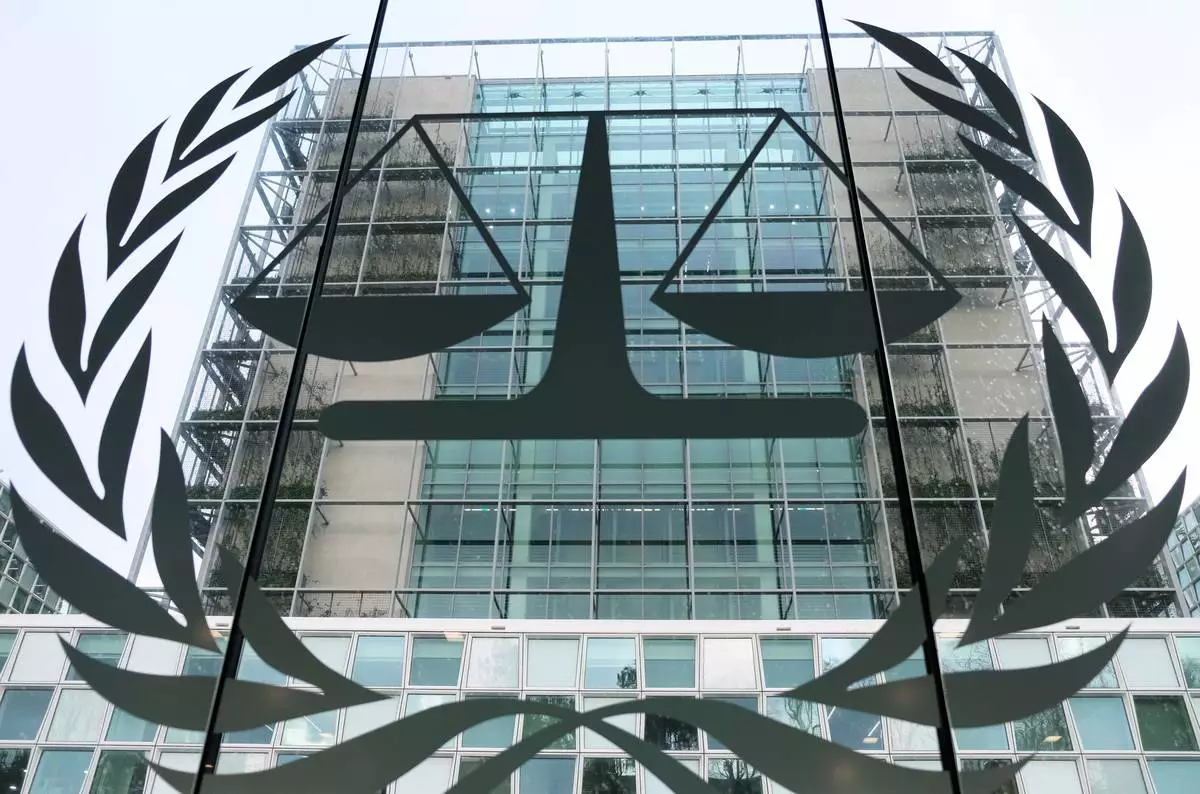
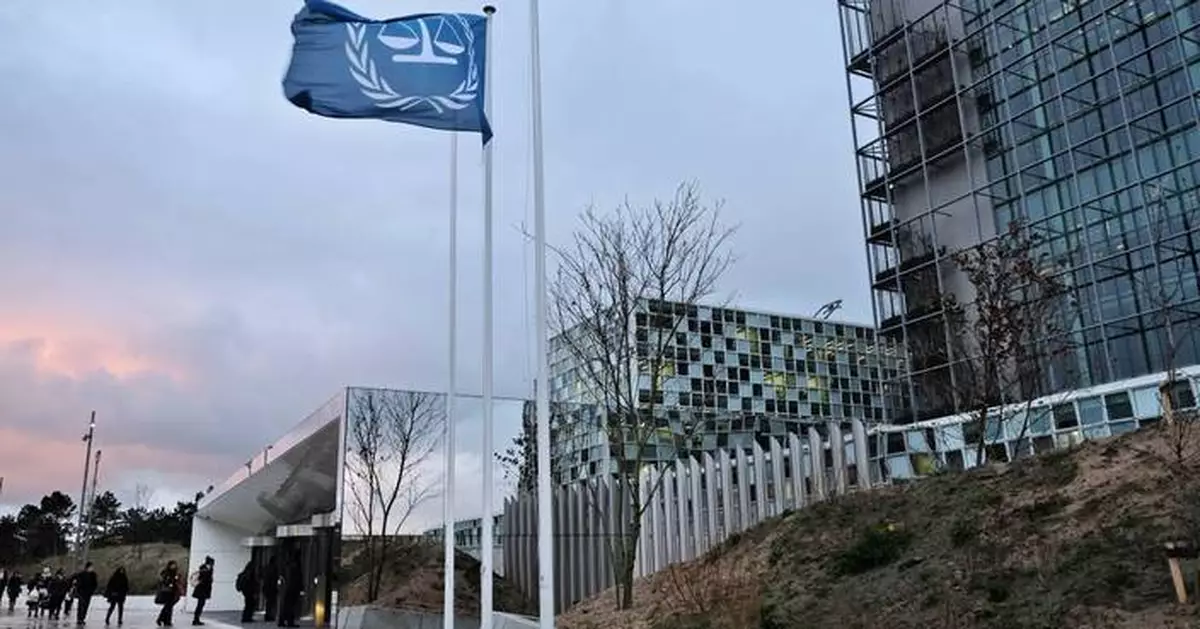
FILE -The headquarters of the International Criminal Court is seen in The Hague, Netherlands, Jan. 12, 2016. (AP Photo/Mike Corder,File)
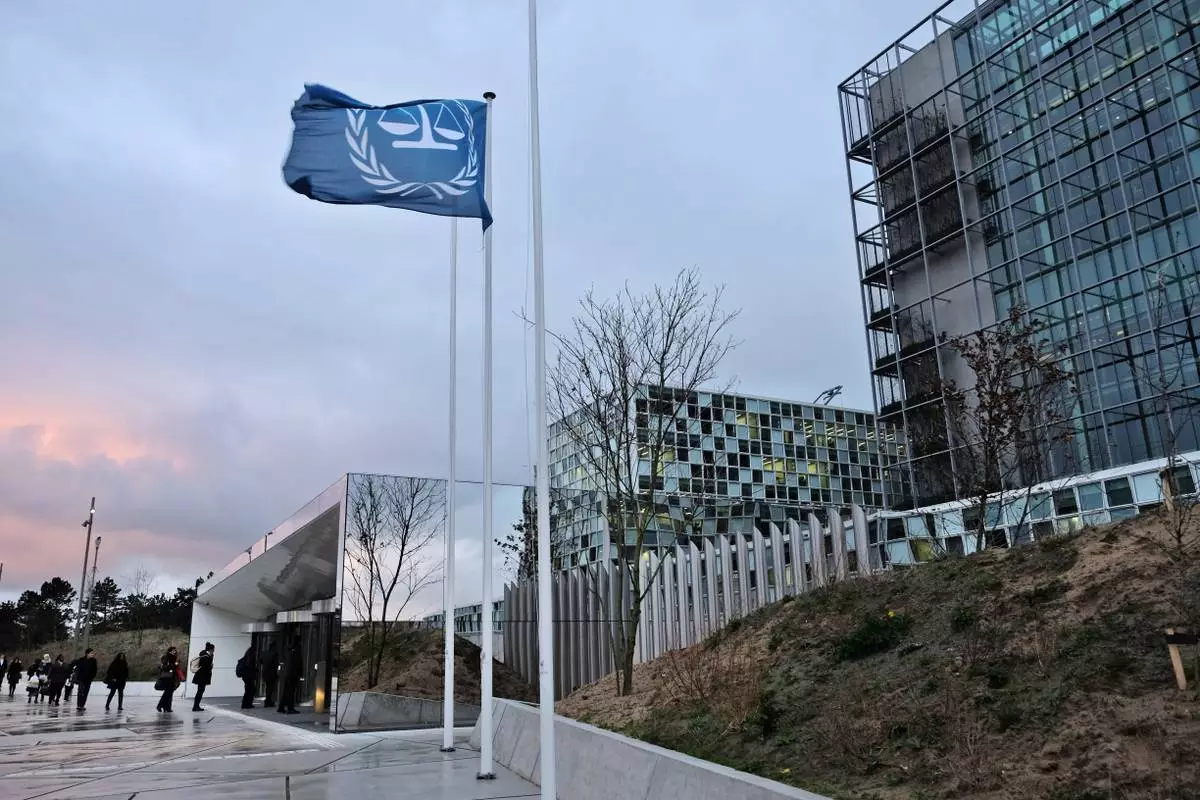
FILE -People wait to enter the headquarters of the International Criminal Court in The Hague, Netherlands, Jan. 12, 2016. (AP Photo/Mike Corder File)
MADRID (AP) — Millions of Spaniards on Sunday will vote in a national election dominated by concerns over housing affordability and which could provide an opening for the far right to enter the national government for the first time in Spain's post-dictatorship democracy.
The election is widely seen as a referendum on incumbent Prime Minister Pedro Sánchez. The leader of the left-wing Socialist party has governed Spain for eight years through numerous crises, but also a period of economic growth that, for many voters, has been eclipsed by cost-of-living concerns.
No issue has galvanized Spaniards in recent years quite like access to affordable housing. Soaring home and rental costs in cities and tourism hot spots have caused widespread discontent, especially among the young.
Last month, Sánchez announced an early election for Nov. 29, after right-wing parties in parliament voted down measures that his left-wing government introduced to alleviate housing pressures.
He has warned voters that a conservative government wouldn't make their lives more affordable, and has frequently said his opponents would take Spain backward. Sánchez's decision to hold the vote followed nationwide protests that sprang up around the country of 50 million after the dramatic eviction of an 87-year-old woman from her apartment in Madrid.
Opposition leader Alberto Núñez Feijóo of the conservative Popular Party, or PP, has excoriated Sánchez's record, promising voters more stability and better governance.
He has criticized Sánchez not just for his government's failure to improve Spaniards' housing woes during eight years in office, but also for two fatal train crashes this year on Spain's high-speed rail network, a nationwide blackout in April 2025 and a border crisis in Spain's North African exclave.
Feijóo also pilloried Sánchez — who relied on backing from far-left and separatist parties to cling to power in 2023 — for not being able to pass a budget in nearly four years, because of a lack of parliamentary support.
“It's not that Spain is failing, it's its government,” Feijóo said after the October train crash south of Madrid in which 69 people were killed.
It's widely expected that Feijóo would attempt to form a coalition with the far-right Vox party, led by its bearded and barrel-chested leader Santiago Abascal, who has campaigned almost entirely on an immigration crackdown.
Vox is betting its hard-line stance will win over voters and enable it to play kingmaker with the PP.
Spain in recent years has welcomed millions of people mainly from Latin America but also from Africa and elsewhere in Europe. One in five residents was born outside Spain, according to census data. Earlier this year, the Spanish government legalized the status of nearly 1.2 million immigrants living in the country without authorization.
Both Feijóo and Abascal have portrayed Sánchez's immigration-friendly policies as harmful to ordinary Spaniards, often connecting the issue to the housing supply-and-demand imbalance and strained public services. Both candidates have condemned the migrant legalization measure.
If Vox entered a new government as a junior member with the PP, it would mark the return of an ultranationalist, far-right party to power for the first time since the death of Spain's military dictator, Gen. Francisco Franco, in 1975.
The result will also be closely watched across Europe before an election-packed 2027, in which voters will head to the polls in France, Italy, Greece and Poland.
In France, the far-right National Rally is aiming to take power, while in Italy, Premier Giorgia Meloni's right-wing coalition is expected to seek another term.
A Spanish prime minister is elected by parliament. A candidate needs the support of an absolute majority — or at least 176 lawmakers — in the first parliamentary vote, often relying on coalition agreements or support from other parties. If an absolute majority isn't secured in the first parliamentary vote, a second vote is held in which a candidate needs more votes in favor than against.
Several opinion polls conducted before Sunday showed Sánchez’s Socialist Party behind the combined support of the PP and Vox. Sánchez will likely need backing from smaller parties to the left of the socialists. However, infighting between those parties in the lead-up to the election is expected to weaken Sánchez's chance at forming a progressive coalition like he did in 2023.
Traditional regionalist parties in Catalonia, the Basque region, Galicia and the Canary Islands, the Spanish archipelago off the coast of western Africa, could also play a role in forming a governing coalition if results are close.
Voting in Spain generally takes place in schools, community centers, town halls and other municipal facilities. Spaniards can also vote by mail, though it's less popular than doing so in person.
About 38 million people are eligible to cast ballots. Voting starts at 9 a.m. and closes on the mainland at 8 p.m. and an hour later in the Canary Islands. Votes are tallied quickly and the result is usually known within hours.
Sánchez, a Madrid native and former economics professor, became a hero to the global left for his government's opposition to the Israel-Hamas war in Gaza, which he has called a genocide, and his resistance to U.S. President Donald Trump. He roundly criticized the U.S. and Israel over the Iran war, and was one of Western Europe’s first major leaders to formally recognize Palestinian statehood.
His government has turbocharged Spain's climate commitments, pledging to source all its energy from renewable sources by 2050. The country already generates more than half its electricity from noncarbon sources.
The Spanish leader also regularly defends causes like multilateralism and an international rules-based order, and has pushed for more regulation of artificial intelligence. He is the first Spanish prime minister to speak comfortably in English.
Sánchez's party, including members of his inner circle, has been dogged by legal cases involving corruption. The cases have implicated a former minister and top officials, eroding trust in him and the socialists.
Feijóo, in contrast, is a lifelong civil servant-turned-politician from rural northwestern Galicia who doesn't speak English and projects himself as a sensible, moderate and effective administrator.
Feijóo won election after election in Galicia during the 13 years in which he governed the region of 2.7 million people. He is expected to mend bridges with the United States and Israel if he wins.
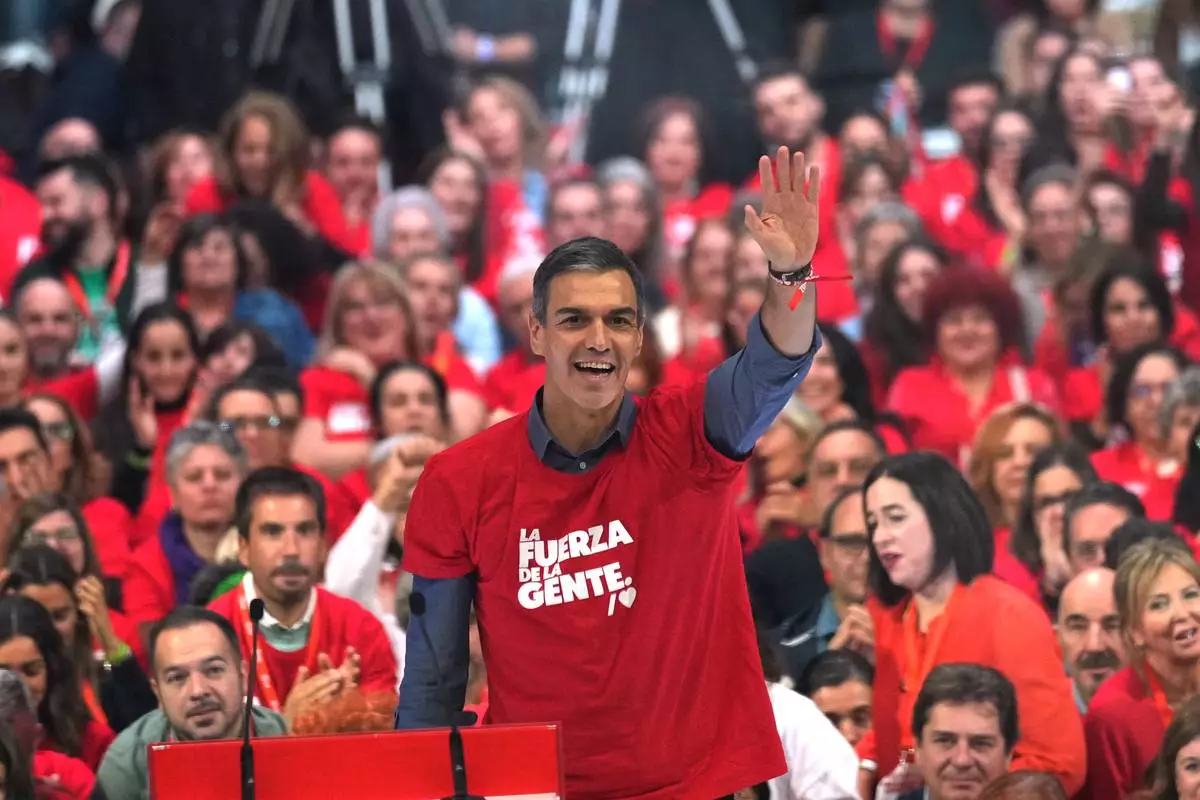
Spain's Prime Minister and Socialist Party Secretary-General Pedro Sánchez waves to supporters at the final campaign rally ahead of Sunday's general election in Madrid, Spain, Friday, Nov. 27, 2026. (AP Photo/Francisco Seco)
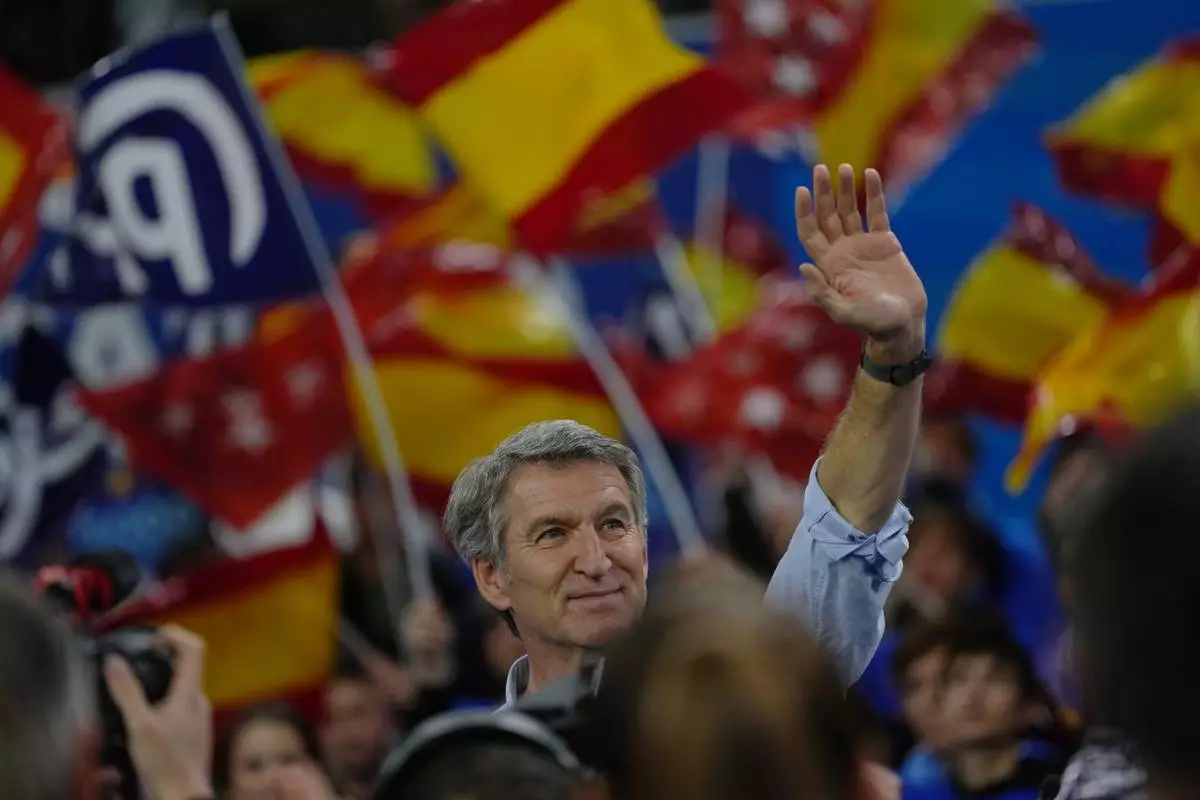
Popular Party candidate Alberto Nunez Feijoo waves to supporters during a campaign rally ahead of the general election in Madrid, Spain, Wednesday, Nov. 25, 2026. (AP Photo/Francisco Seco)
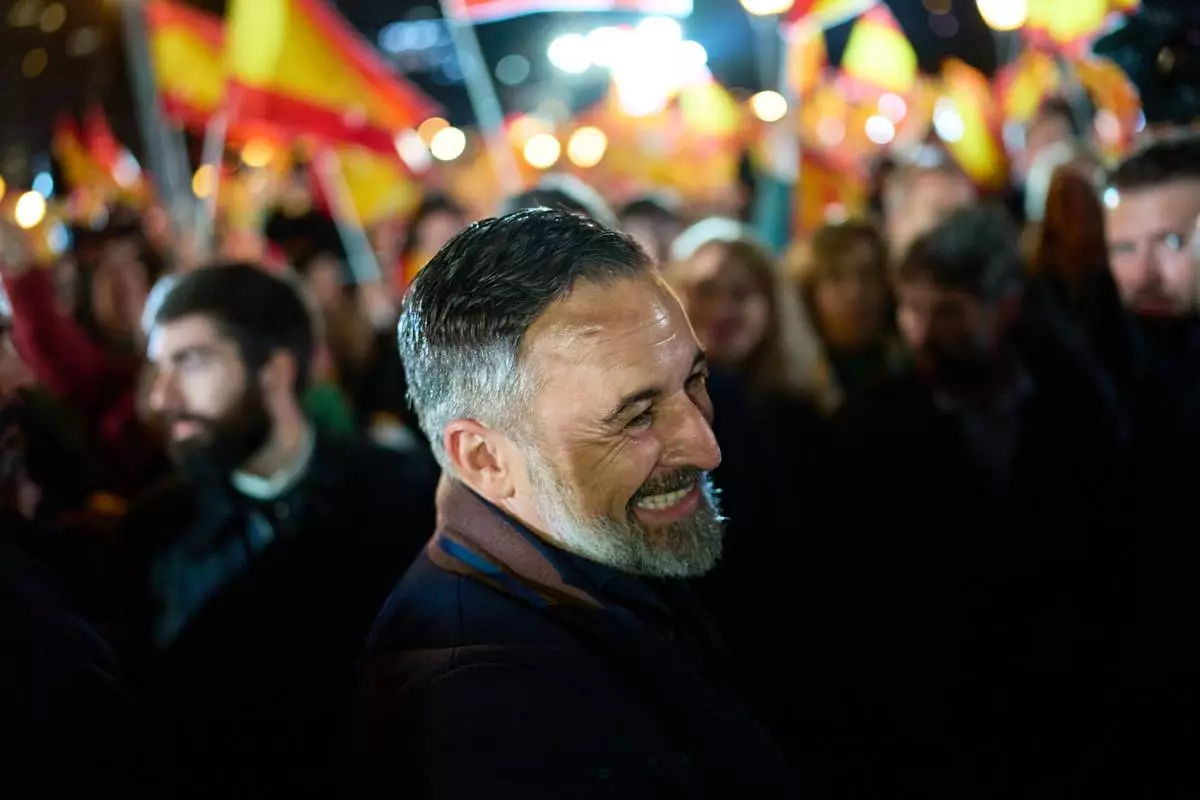
FILE, Santiago Abascal, leader of the far-right Vox party, arrives to an electoral rally in Madrid, Friday, Nov. 13, 2026, on the first day of the campaign ahead of general elections. (AP Photo/Francisco Seco, File)

Popular Party supporters wave Spanish flags as they listen to speeches during a campaign rally ahead of the general election in Madrid, Spain, Wednesday, Nov. 25, 2026. (AP Photo/Francisco Seco)
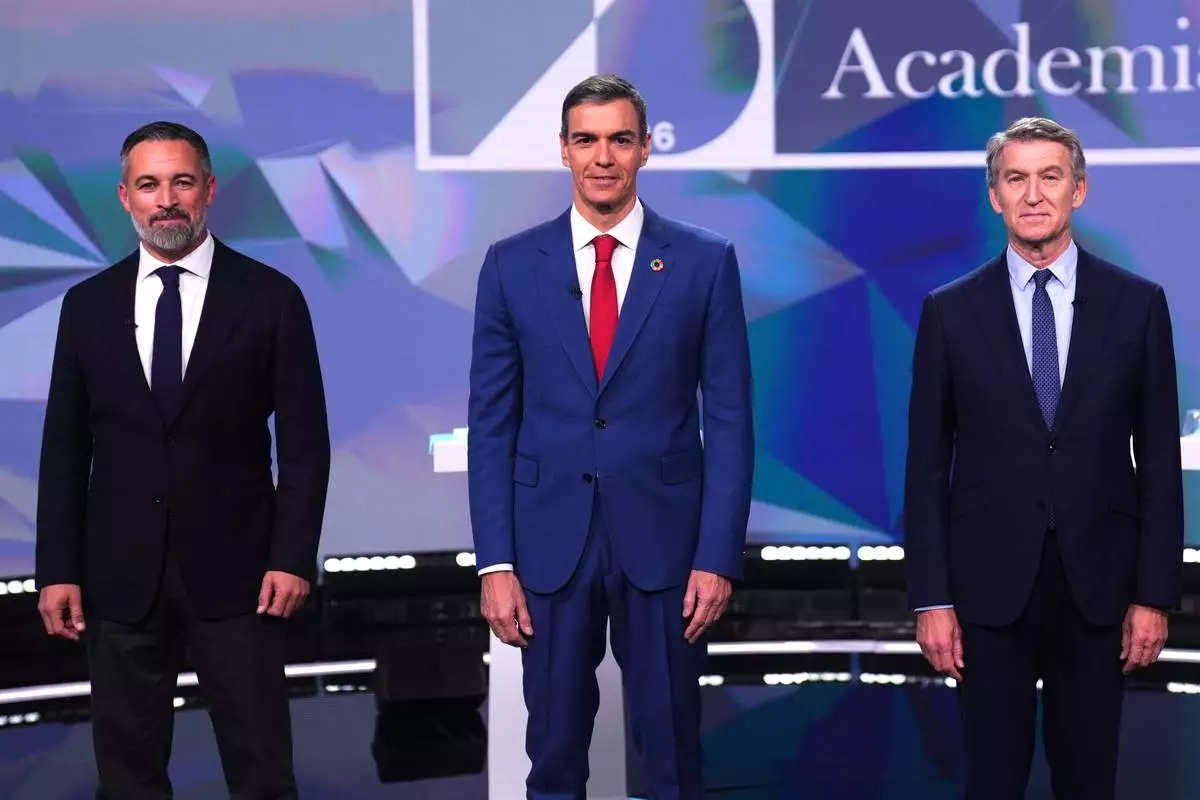
From left, the leader of the far-right Vox party, Santiago Abascal, Spain's Prime Minister and Socialist Party Secretary-General Pedro Sánchez and Popular Party candidate Alberto Núñez Feijóo pose for a photo at the start of a live televised debate in Madrid, Spain, Thursday, Nov. 26, 2026. (AP Photo/Manu Fernandez)