A roof garden installed on top of a newly opened shopping mall on Mexico City's south side may have caused part of the structure to collapse.
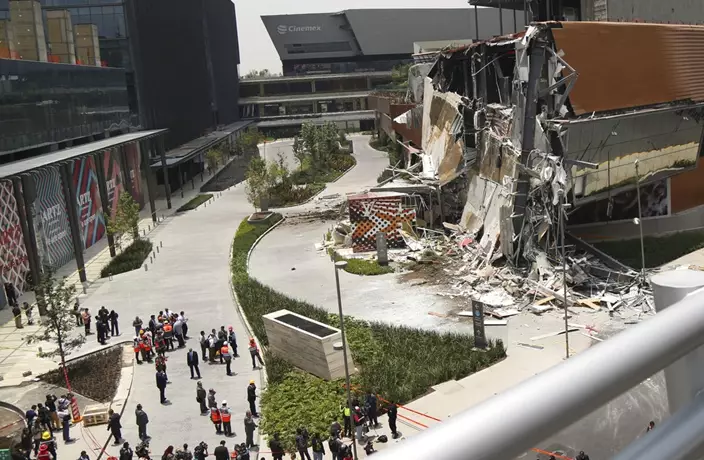
The Artz Pedregal shopping mall stands partially collapsed on the south side of Mexico City, Thursday, July 12, 2018. (AP Photo/Anthony Vazquez)
The Mexico City prosecutors' office said late Thursday that planters used in the roof garden added excess weight that apparently contributed to the collapse of a cantilevered section that stuck out from the building.
The mall's operators quickly evacuated the area Thursday after a support beam failed. About five minutes later, the top floors collapsed. No injuries were reported.
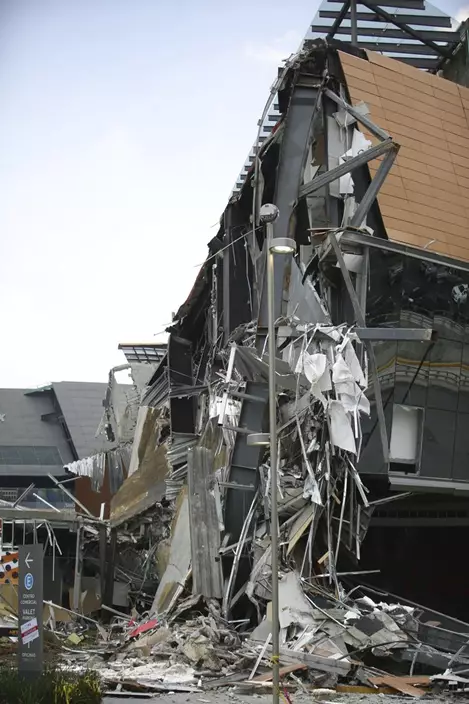
The Artz Pedregal shopping mall stands partially collapsed on the south side of Mexico City, Thursday, July 12, 2018. (AP Photo/Anthony Vazquez)
The city has promoted the installation of roof gardens, in part for their supposed environmental benefits.
The Artz Pedregal mall opened in March, though parts remain under construction. Built on the edge of the city's main expressway, the mall had suffered previous subsoil slides.
MEXICO CITY (AP) — Mexico President Claudia Sheinbaum said she had “a very good conversation” with U.S. President Donald Trump on Monday and that their two governments will continue working together on security issues without the need for U.S. intervention against drug cartels.
The approximately 15-minute call came after Sheinbaum said Friday she had requested dialogue with the Trump administration at the end of a week in which he had said he was ready to confront drug cartels on the ground and repeated the accusation that cartels were running Mexico.
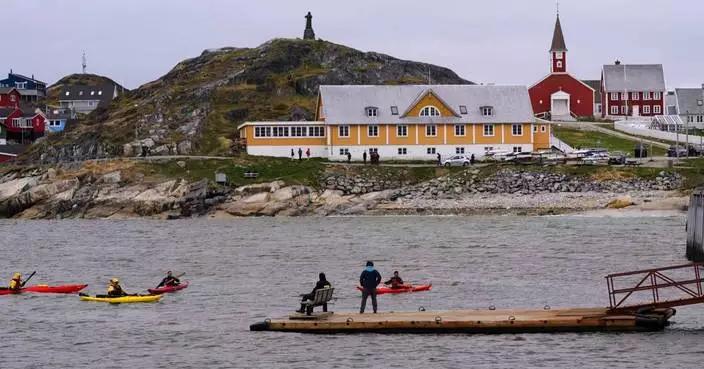
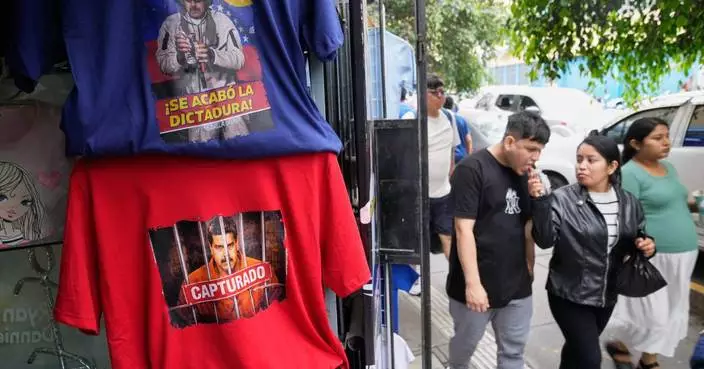
Trump has repeatedly offered to send the U.S. military after the cartels and Sheinbaum has always declined, but after the U.S. removal of Venezuelan President Nicolás Maduro, Trump’s comments about Mexico, Cuba and Greenland carried new weight.
“He (Trump) asked me my opinion about what they had done in Venezuela and I told him very clearly that our constitution is very clear, that we do not agree with interventions and that was it,” Sheinbaum said.
Trump “still insisted that if we ask for it, they could help” with military forces, which Sheinbaum said she again rejected. “We told him, so far it’s going very well, it’s not necessary, and furthermore there is Mexico’s sovereignty and territorial integrity and he understood.”
In an interview with Fox News aired last Thursday, Trump said, “We’ve knocked out 97% of the drugs coming in by water and we are going to start now hitting land, with regard to the cartels. The cartels are running Mexico. It’s very sad to watch.”
Sheinbaum said Monday the two leaders agreed to continue working together.
Mexico’s Foreign Affairs Secretary Juan Ramón de la Fuente spoke Sunday with his U.S. counterpart, Secretary of State Marco Rubio. Rubio asked for “tangible results” and more cooperation to dismantle the cartels, according to a statement from the U.S. State Department.
Sheinbaum said Mexico shared those results, including a significant drop in homicides, falling U.S. fentanyl seizures and fentanyl overdose deaths.
Experts still see U.S. intervention in Mexico as unlikely because Mexico is doing what the U.S. asks and is a critical economic partner, but expect Trump to continue using such rhetoric to maintain pressure on Mexico to do more.
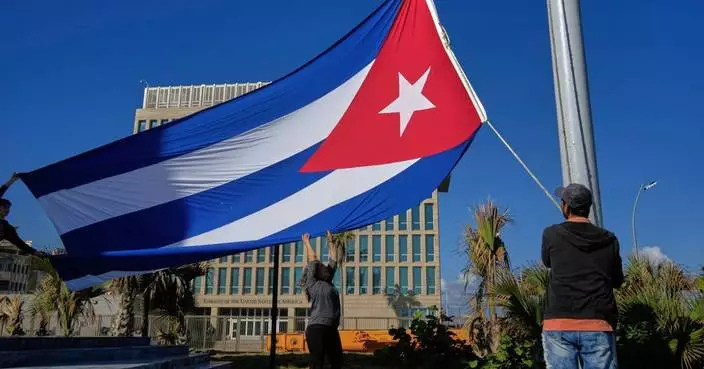
Sheinbaum said the two leaders did not speak about Cuba, which Trump threatened Sunday. Mexico is an important ally of the island nation, including selling it oil that it will need even more desperately now that the Trump administration says it will not allow any more oil shipments from Venezuela to Cuba.
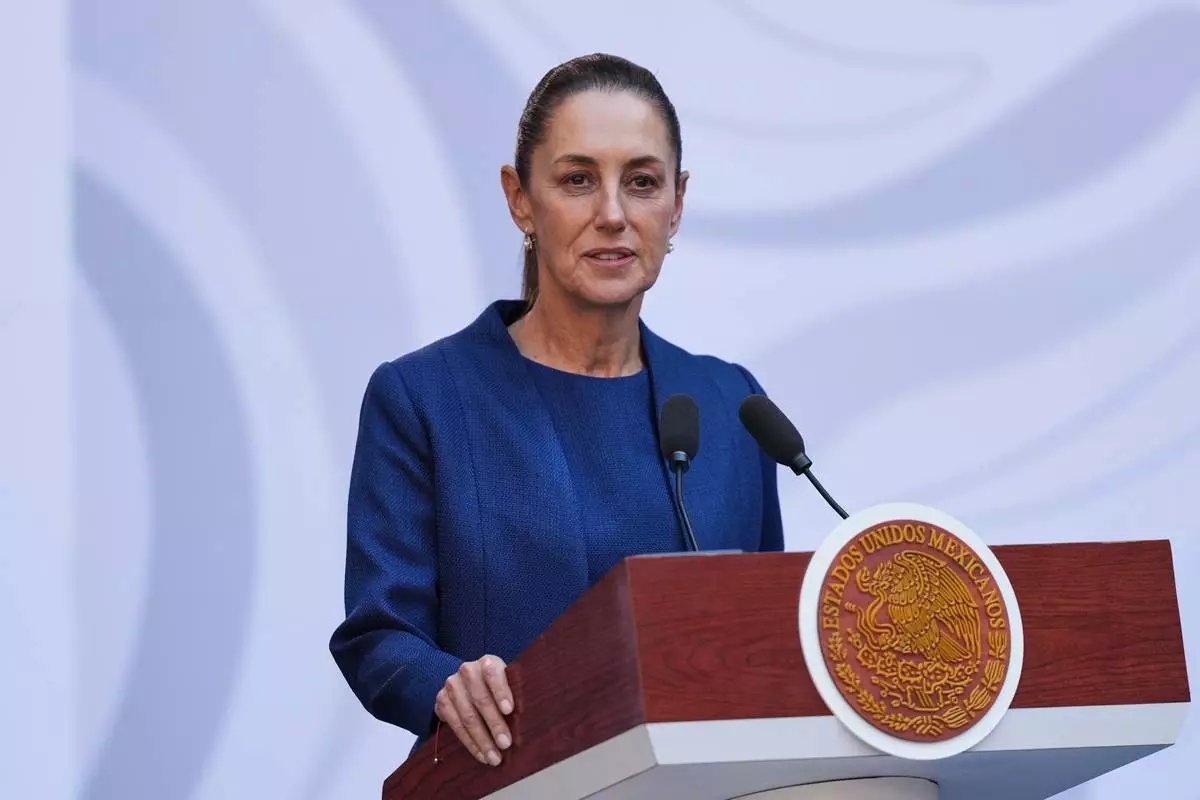
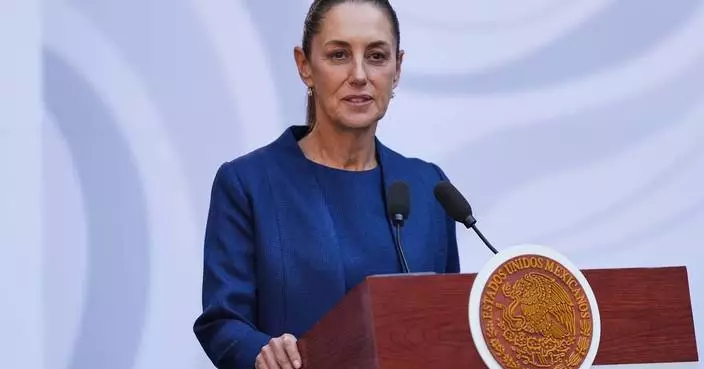
FILE - Mexican President Claudia Sheinbaum presents a new security strategy against violence for Michoacan state, at the National Palace, in Mexico City, Nov. 9, 2025. (AP Photo/Claudia Rosel, File)