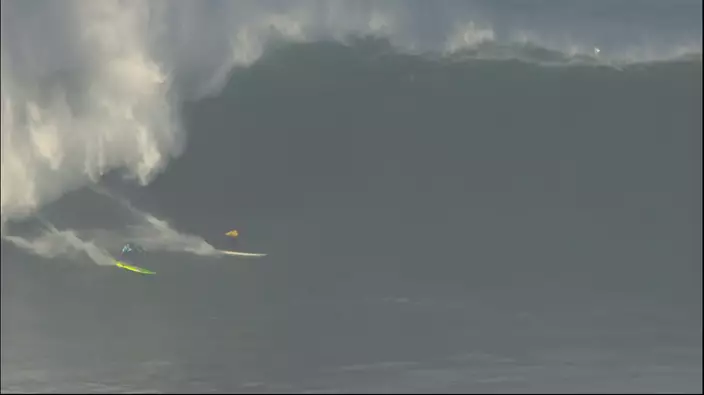
Twenty-four of the world’s best surfed 40ft waves off Nazare, Portugal, in the battle for victory.
Surfers from all over the world travelled to Portugal to compete in the Nazare Challenge, but inevitably many saw their chances scuppered by the ferocity of the waves.
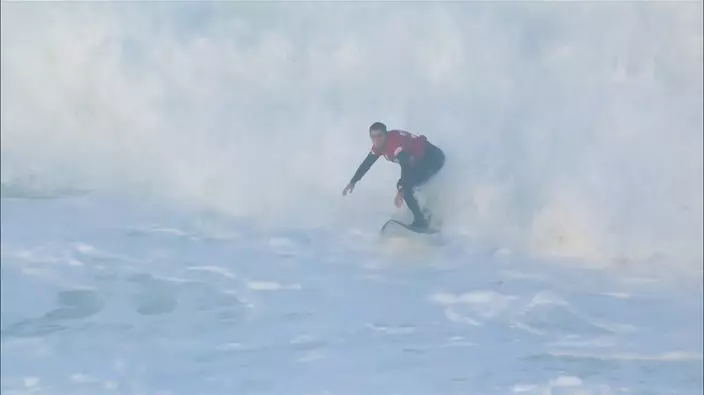
Video screencap
The World Surf League’s Big Wave Tour kicked off in Praia do Norte, with waves of 25ft to 40ft for the competitors to contend with.
At a big wave break known for its powerful waves and speeds, 24 of the best chanced their arm on the fearsome foam, but some came out a little drier than others.
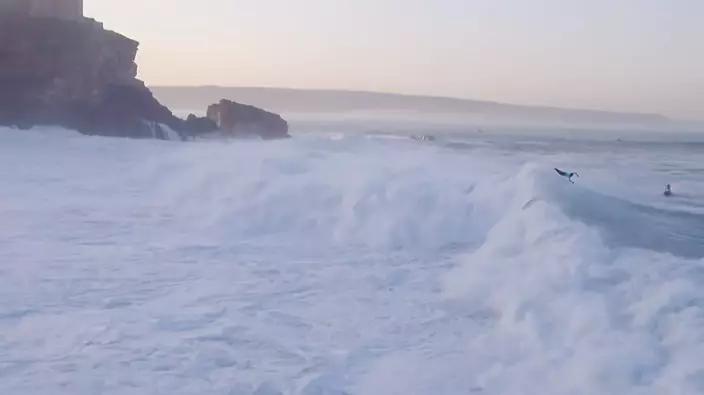
Video screencap
Does anyone need a towel?
Two-time world champion Grant “Twiggy” Baker of South Africa was the winner, and the 45-year-old said: “I don’t believe it, this is insane. These kids were going so hard today and I can’t believe I’ve still got that in me.”
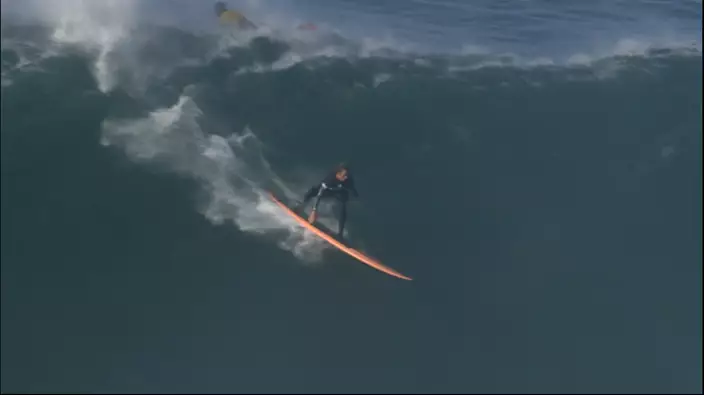
Video screencap
Two more Big Wave Tour events remain this season – the Jaws Challenge and the Mavericks Challenge – where surfers will await conditions that produce waves in the 30ft to 60ft range.
Video screencap
LISBON, Portugal (AP) — A record number of 11 candidates in Portugal's upcoming presidential election kicked off their campaigns on Sunday.
The official two-week campaign period preceding the Jan. 18 election will see the contenders competing to capture voters' support. However, the broad field makes it unlikely that any candidate will capture more than 50% of the vote, leaving the two top candidates to compete in a runoff ballot on Feb. 8.
Among the frontrunners, according to recent opinion polls, are the candidates from the country’s two main parties that have alternated in power for the past 50 years: Luís Marques Mendes from the center-right Social Democratic Party, currently in government, and António José Seguro of the center-left Socialist Party.
They are expected to face strong challenges from André Ventura, the leader of the populist anti-immigration Chega party, whose surge in support made it the second largest party in Portugal’s Parliament last year, and Henrique Gouveia e Melo, a retired rear admiral running as an independent who won public acclaim for overseeing the speedy rollout of COVID-19 vaccines during the pandemic.
In Portugal, the president is largely a figurehead with no executive power. Mostly, the head of state aims to stand above the political fray, refereeing disputes to defuse tensions. However, the president also possesses powerful tools, being able to veto legislation from Parliament, although the veto can be overturned, as well as dissolve Parliament and call for snap elections.
After Portugal’s third general election in three years in May, its worst spell of political instability for decades, the next head of state is likely to encourage compromises. But the next occupant of the president's riverside “pink palace” in Lisbon will likely have to rule on some hot-button matters.
The pressing issues include a proposed new bill that introduces limits on who can obtain Portuguese citizenship and under what circumstances they can be stripped of it. The Constitutional Court last month struck down the proposal, which has been returned to Parliament.
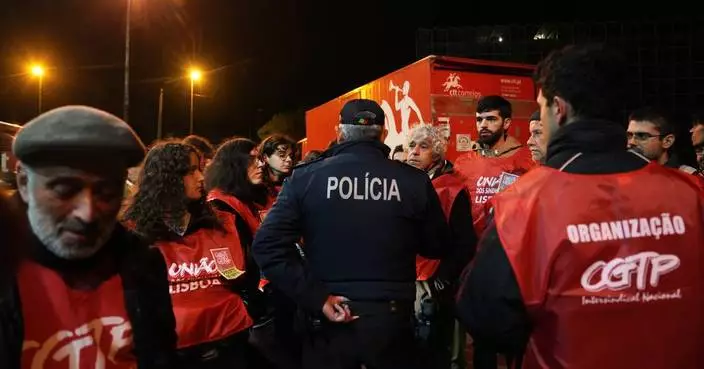
A government package of labor reforms that has already brought street protests and a major strike will also land on the president’s desk, as could a law permitting euthanasia and physician-assisted suicide in Portugal that Parliament approved in 2022 but has been held up by constitutional objections.
Almost 11 million people are eligible to vote in the election.

Presidential candidate Luis Marques Mendes, center, from the center-right Social Democratic Party, arrives for a radio debate at a studio in Lisbon, Friday, Jan. 2, 2026. (AP Photo/Armando Franca)

Candidate Joao Cotrim de Figueiredo of the Liberal Initiative party looks over the shoulder of Henrique Gouveia e Melo, a retired Rear Admiral running as an independent, as they wait for the start of a presidential election radio debate at a studio in Lisbon, Friday, Jan. 2, 2026. (AP Photo/Armando Franca)
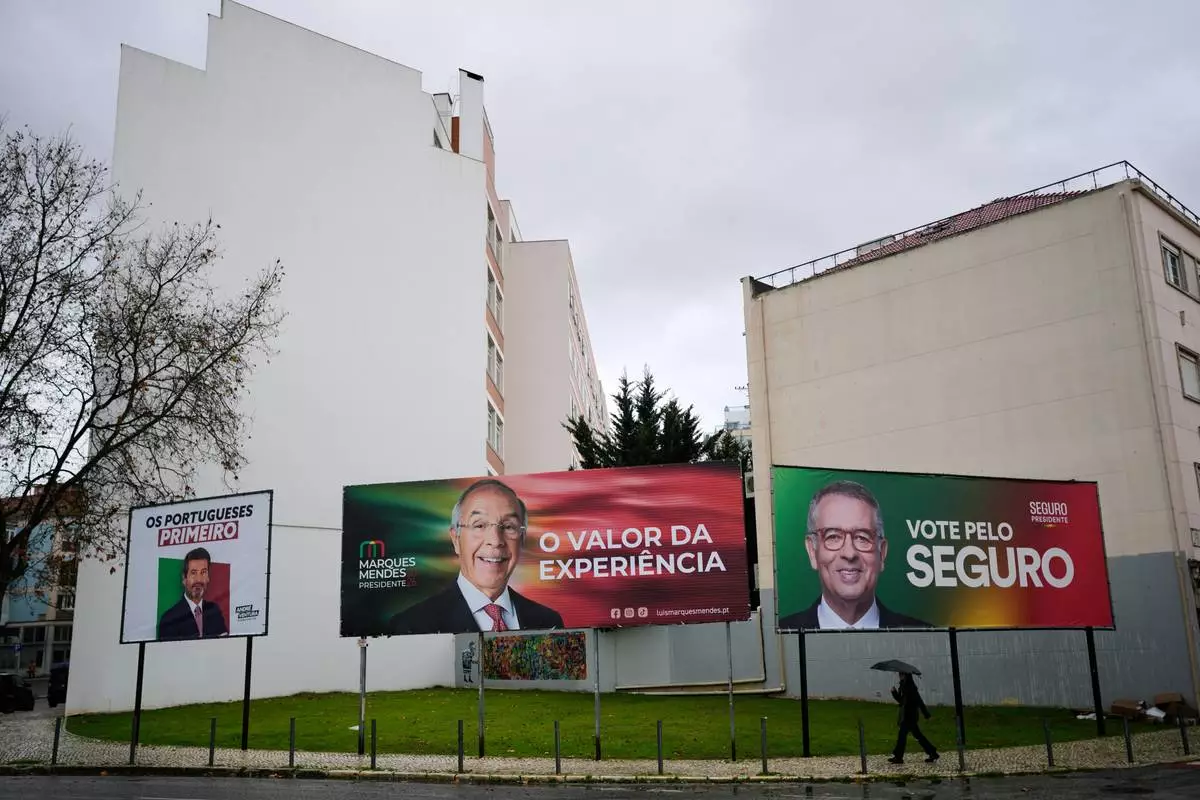
A person walks past presidential election campaign billboards for candidates Andre Ventura of the populist Chega party, Luis Marques Mendes from the center-right Social Democratic Party and Antonio Jose Seguro of the center-left Socialist Party, in Lisbon, Friday, Jan. 2, 2026. (AP Photo/Armando Franca)