


Student Megan has a one in a million condition that causes her recurring periods of excessive sleep.
A law student with a one in a million condition known as Sleeping Beauty syndrome has revealed how she has slept through HALF the Christmases since her diagnosis – often staying in a deep slumber for 20 hours without waking.
Click to Gallery
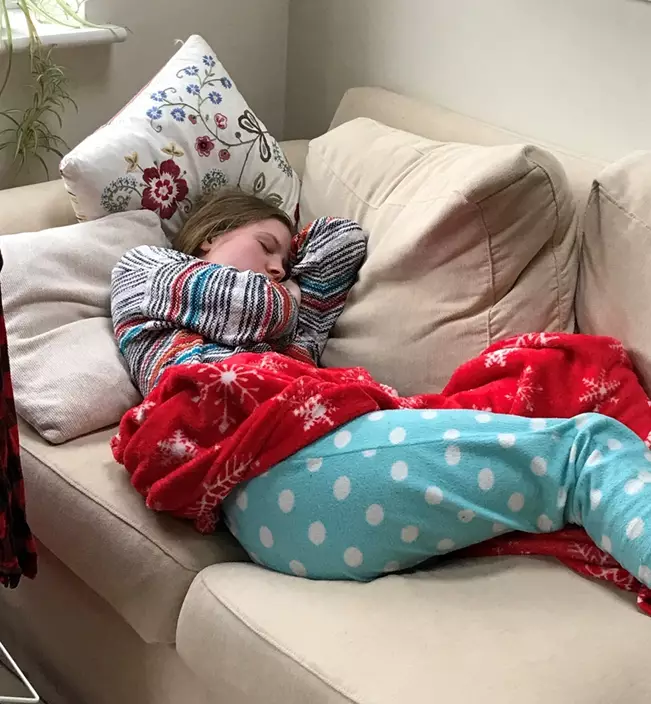
Megan often sleeps through Christmas but likes sleep downstairs on the sofa so she can be near her family (Collect/PA Real Life)

Megan with her university friends at her halls in Nottingham university (Collect/PA Real Life)
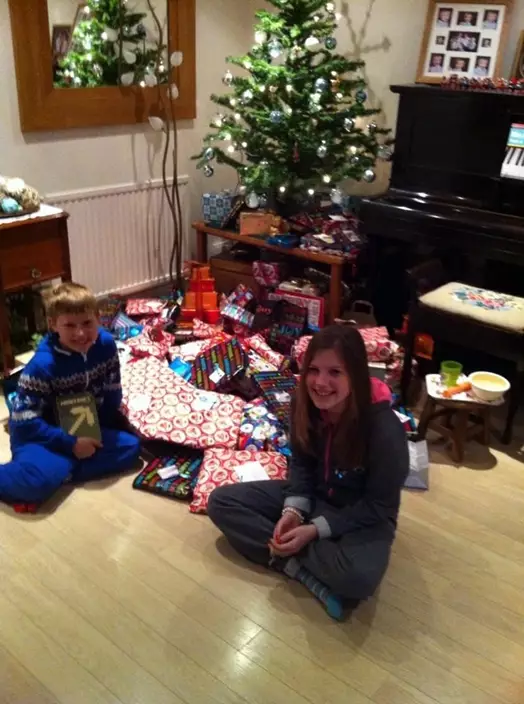
Megan and Jamie on Christmas Day, before she began to be affected by the illness at the age of 13 (Collect/PA Real Life)
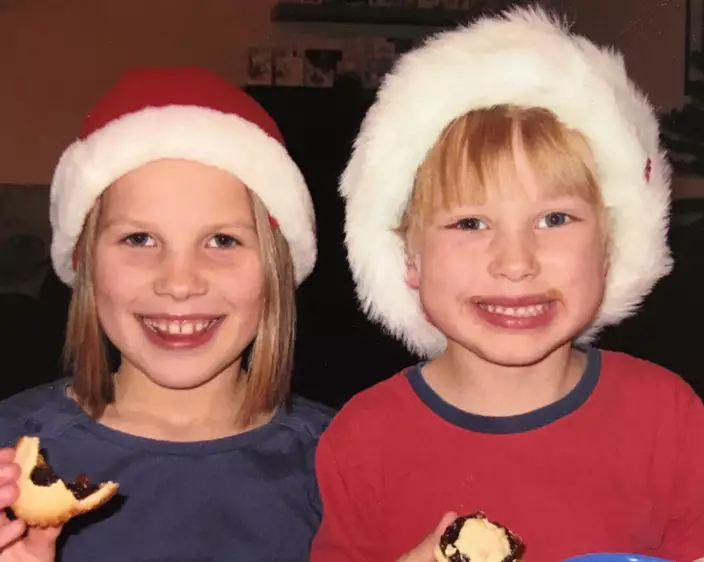
Megan and Jamie at Christmas time (Collect/PA Real Life)
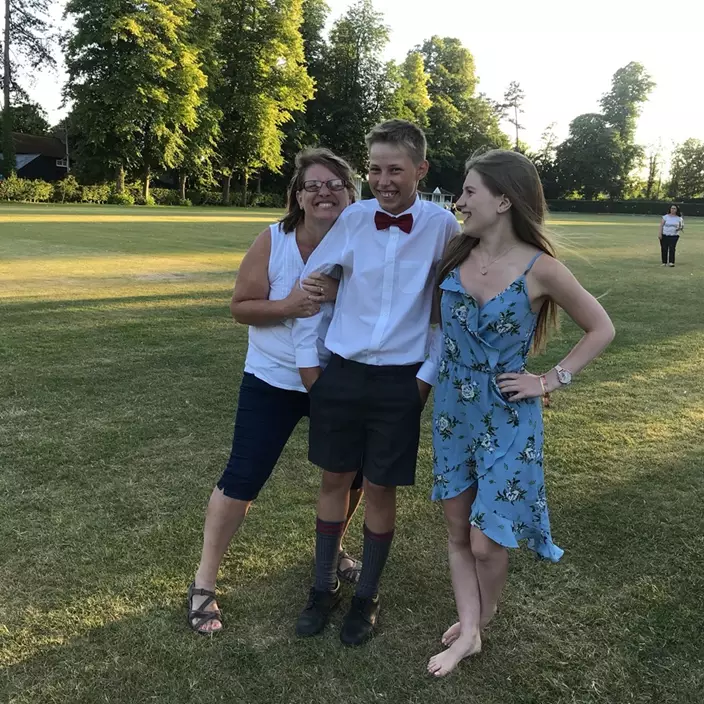
Megan with mum Emma and brother Jamie, summer 2018 (Collect/PA Real Life)
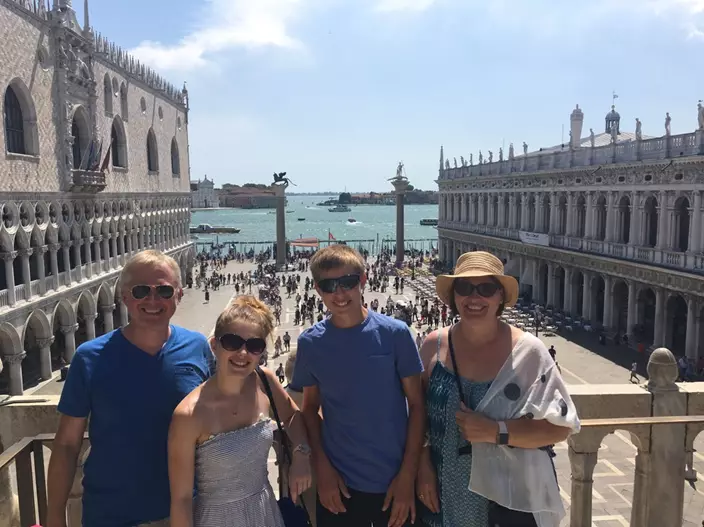
Because flying can trigger episodes, Megan and her family now drive to all of their holiday destinations (Collect/PA Real Life)
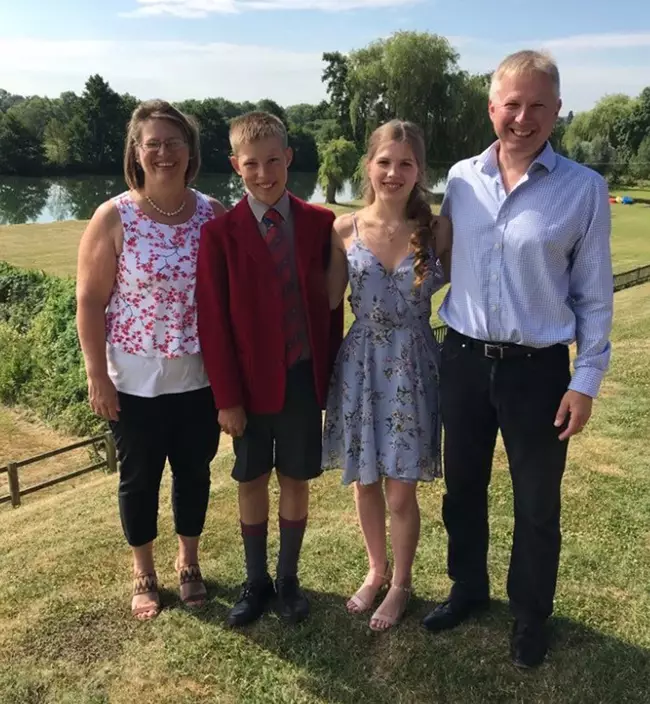
Megan with her mum Emma, dad Andrew and younger brother Jamie (Collect/PA Real Life)
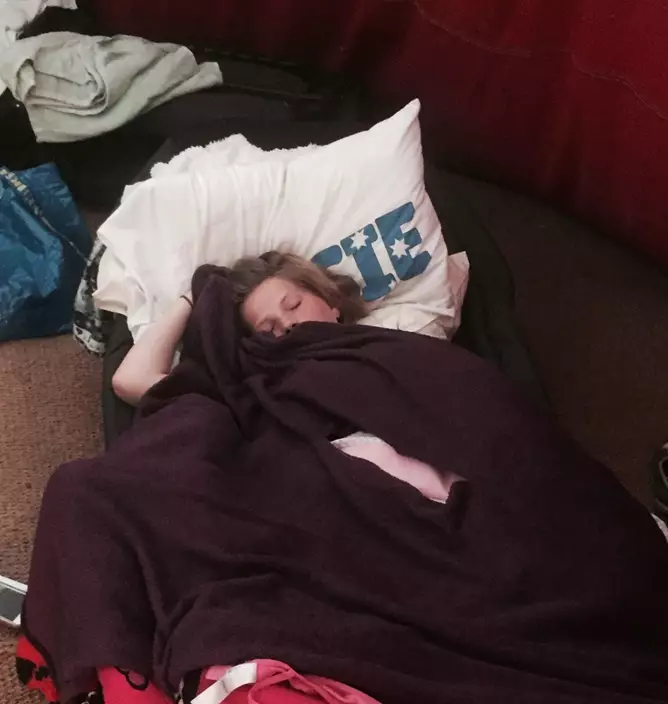
Megan sleeps for up to 20 hours a day for several weeks when she is having an episode (Collect/PA Real Life)

Megan with brother Jamie in Venice, summer 2018 (Collect/PA Real Life)
Just 13 when she was diagnosed with Kleine-Levin syndrome (KLS) – a complex neurological disorder, involving recurring periods of excessive sleep, altered behaviour and a reduced understanding of the world- while her family celebrate the festivities, Megan Firth, 18, is likely to be found in bed.
At her worst Megan, who lives with her younger brother, Jamie, 13, accountant mum Emma, 50, and logistics director dad, Andrew, 54, in Wallingford, Oxfordshire, has spent months more or less bed-bound – rising only to eat and use the bathroom.
Megan often sleeps through Christmas but likes sleep downstairs on the sofa so she can be near her family (Collect/PA Real Life)
The Nottingham University student, who says her excessive sleeping – known as hypersomnolence – is worse in the winter months, said: “This means I’m often asleep right through Christmas.
“We are always at home and my grandmas tend to come and stay with us. But even if I am in the middle of a sleep episode, I like to at least be around them all and sleep downstairs on the sofa
“They are all pretty used to it by now and know not to bother me, as I can become very panicked when I’m woken up in the middle of a long sleep.”
Megan with her university friends at her halls in Nottingham university (Collect/PA Real Life)
While her condition is dubbed Sleeping Beauty syndrome, at university she feels more like the fairy tale character Cinderella as, like her, she has to leave student gatherings before midnight, to avoid triggering her KLS.
She explained: “It’s quite difficult because you can really feel like you’re missing out, when all these new friends are going out until late each night and you have to be back in bed before midnight.
“Luckily, I have made some really great friends who have been very understanding, but I still have to think about it all the time, otherwise, if I stay up too late, I can trigger another episode and become bedridden for several weeks.”
Megan and Jamie on Christmas Day, before she began to be affected by the illness at the age of 13 (Collect/PA Real Life)
Megan’s first experience with KLS came, aged 13, when a nasty case of flu brought on extreme fatigue and a “brain fog” that left the schoolgirl not being able to tell the difference between dreams and reality.
“I was ill in bed, but then on the second or third day, I became very disorientated, as though I was in a waking dream,” she said.
“As I later found out, this is a classic symptom of the disorder, called ‘de-realisation’, and was the precursor of things to come.”
Megan and Jamie at Christmas time (Collect/PA Real Life)
Following a week with flu, then sleeping for the entire day – only rising to eat and use the toilet – Megan’s anxious parents took her to the John Radcliffe Hospital in Oxford.
But test results were negative and, told her drowsiness was most likely due to a particularly virulent strain of flu, when it eventually wore off after six weeks, she went back to her school studies.
Then, a month later, the fatigue returned when Megan, who had just turned 14, had travelled alone to Brisbane, Australia, to visit family friends.
Megan with mum Emma and brother Jamie, summer 2018 (Collect/PA Real Life)
Again, the strange sense of being trapped in a dream returned, accompanied by terrible headaches, which preceded an overwhelming desire to sleep.
“No matter how long I slept for, I still felt tired when I woke up, as though I had only been asleep for half an hour, when actually I had been in bed for 12 hours,” said Megan.
Worried sick, after Megan had slept for almost two weeks, her mum flew out to be with her.
“By this stage my mum and dad were very worried and thought I might have a brain tumour, because the doctors I saw had no idea what it could be,” Megan recalled.
“But then one day my mum was up late Googling my symptoms and Kleine-Levin popped up. It seemed to match perfectly with what I was experiencing, so she suggested it to the doctors in Queensland Children’s Hospital, where I was being treated, who agreed.”
The diagnosis was confirmed by doctors at the John Radcliffe Hospital, who said they had never before encountered the condition which, according to a review published by the Kleine-Levin Syndrome Foundation affects only one person in every million.
Because flying can trigger episodes, Megan and her family now drive to all of their holiday destinations (Collect/PA Real Life)
Megan continued: “I realised that it would be life-changing, but I felt reassured that I wasn’t going mad and that I didn’t have some awful disease that’d kill me – I knew I could live with it.”
Sometimes experiencing bouts of sleepiness as often as every few weeks during the next couple of years, Megan had little energy to do more than study, eat and sleep.
She explained: “KLS has meant sacrificing a lot. I played county cricket for Oxfordshire, but I found that I couldn’t keep that up and do my school work, because I was just losing so much time sleeping.”
Megan with her mum Emma, dad Andrew and younger brother Jamie (Collect/PA Real Life)
She continued: “It even affected our family holidays, as one of my triggers is flying, so we had to drive around Europe when we went away.”
In spite of losing months of classroom time to her condition, astonishingly, Megan landed a university place a year early – starting her studies at Nottingham Uni when she was just 17.
Now approaching the end of her first term there, she has only had two slumbering spells – each lasting a couple of weeks – since she started and her fellow students and tutors have been very understanding.
Megan sleeps for up to 20 hours a day for several weeks when she is having an episode (Collect/PA Real Life)
She said: “I have to think about it a lot and be careful to make sure everyone at uni knows that I have this problem.
“All of my friends are very aware of it, and so is the university, who give me longer to hand in my essays and extra time in exams.
“The worry is that one day I could fall asleep and never wake up, so I text my mum every morning to tell her I’m awake and if I don’t, she’ll ring one of my friends and ask them to wake me up.”
Megan with brother Jamie in Venice, summer 2018 (Collect/PA Real Life)
She continued: “It isn’t ideal and sometimes it does upset me, thinking about all the stuff I miss out on because of KLS.
“But, then again, I feel really proud to have got into a good university in spite of it all and in many ways I don’t think I’d have achieved so much if I didn’t have the illness.
“It pushed me to succeed and now I’m determined to live a normal life.”