Skip to Content Facebook Feature Image

Author finds community with book on young daughter's death

ENT

Author finds community with book on young daughter's death
ENT

ENT

Author finds community with book on young daughter's death

2019-07-25 01:44 Last Updated At:01:50

Jayson and Stacy Greene speak of grief matter-of-factly and calmly, as it's something they've come to know intimately since the tragic death of their 2-year-old daughter, Greta, in 2015.

"I wouldn't say that the work is complete because I don't think it ever is when you're grieving," Stacy Greene said.

More Images
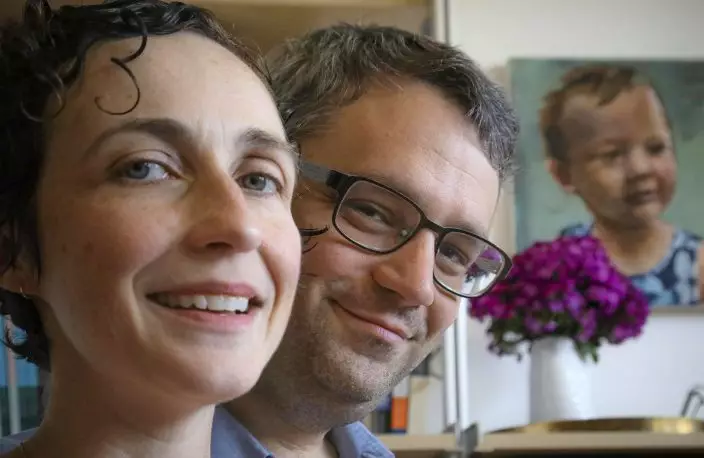
This July 9, 2019 photo shows Stacy Greene, left, and Jayson Greene at their home in the Brooklyn borough of New York. Jayson's book, "Once More We Saw Stars," is a non-fiction narrative of grief and acceptance following the sudden death of their 2-year-old daughter, Greta. (AP PhotoBebeto Matthews)
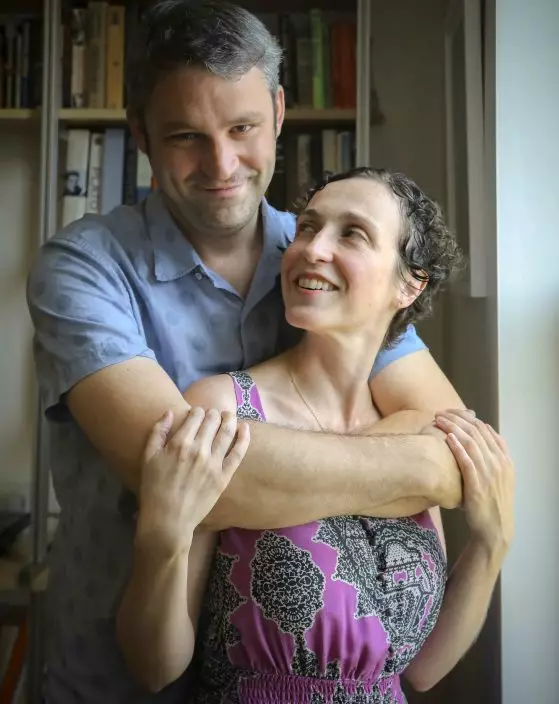
This July 9, 2019 photo shows Stacy Greene, left, and Jayson Greene at their home in the Brooklyn borough of New York. Jayson's book, "Once More We Saw Stars," is a non-fiction narrative of grief and acceptance following the sudden death of their 2-year-old daughter, Greta. (AP PhotoBebeto Matthews)
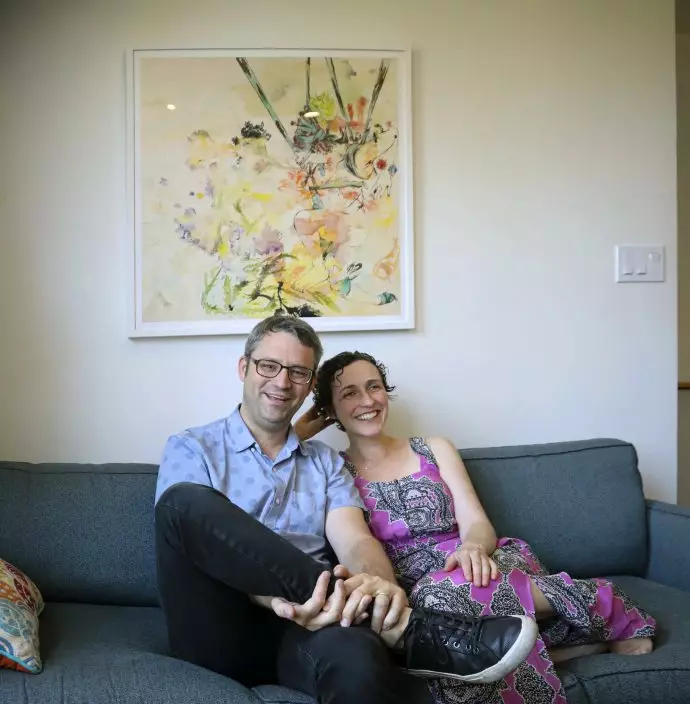
This July 9, 2019 photo shows Jayson Greene, left, and his wife Stacy at their home in the Brooklyn borough of New York. Jayson's book, "Once More We Saw Stars," is a non-fiction narrative of grief and acceptance following the sudden death of their 2-year-old daughter, Greta. (AP PhotoBebeto Matthews)

This July 9, 2019 photo shows Jayson Greene, left, and his wife Stacy at their home in the Brooklyn borough of New York. Jayson's book, "Once More We Saw Stars," is a non-fiction narrative of grief and acceptance following the sudden death of their 2-year-old daughter, Greta. (AP PhotoBebeto Matthews)
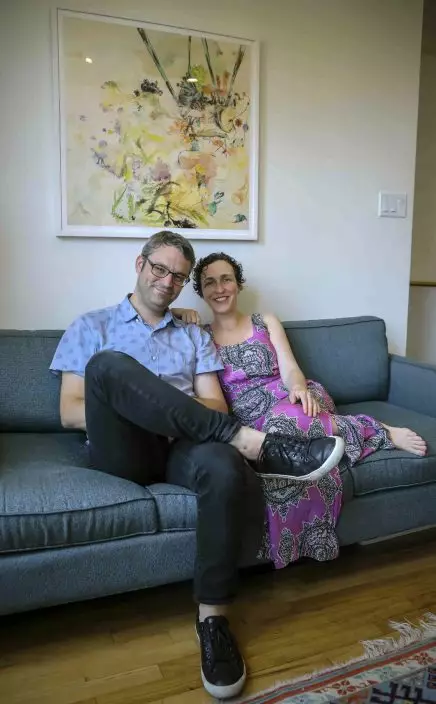
This July 9, 2019 photo shows Jayson Greene, left, and his wife Stacy at their home in the Brooklyn borough of New York. Jayson's book, "Once More We Saw Stars," is a non-fiction narrative of grief and acceptance following the sudden death of their 2-year-old daughter, Greta. (AP PhotoBebeto Matthews)

This July 9, 2019 photo shows Jayson Greene, left, and his wife Stacy at their home in the Brooklyn borough of New York. Jayson's book, "Once More We Saw Stars," is a non-fiction narrative of grief and acceptance following the sudden death of their 2-year-old daughter, Greta. (AP PhotoBebeto Matthews)

This July 9, 2019 photo shows Jayson Greene, left, and his wife Stacy at their home in the Brooklyn borough of New York. Jayson's book, "Once More We Saw Stars," is a non-fiction narrative of grief and acceptance following the sudden death of their 2-year-old daughter, Greta. (AP PhotoBebeto Matthews)

This July 9, 2019 photo shows Jayson Greene, left, and his wife Stacy at their home in the Brooklyn borough of New York. Jayson's book, "Once More We Saw Stars," is a non-fiction narrative of grief and acceptance following the sudden death of their 2-year-old daughter, Greta. (AP PhotoBebeto Matthews)

This July 9, 2019 photo shows Jayson Greene, left, and his wife Stacy at their home in the Brooklyn borough of New York. Jayson's book, "Once More We Saw Stars," is a non-fiction narrative of grief and acceptance following the sudden death of their 2-year-old daughter, Greta. (AP PhotoBebeto Matthews)

This July 9, 2019 photo shows Jayson Greene, left, and his wife Stacy at their home in the Brooklyn borough of New York. Jayson's book, "Once More We Saw Stars," is a non-fiction narrative of grief and acceptance following the sudden death of their 2-year-old daughter, Greta. (AP PhotoBebeto Matthews)

Greta was sitting outside on a bench with her grandmother in New York's Upper West Side when she was struck by a falling piece of a windowsill. She was rushed to the emergency room where she died.

This July 9, 2019 photo shows Stacy Greene, left, and Jayson Greene at their home in the Brooklyn borough of New York. Jayson's book, "Once More We Saw Stars," is a non-fiction narrative of grief and acceptance following the sudden death of their 2-year-old daughter, Greta. (AP PhotoBebeto Matthews)

This July 9, 2019 photo shows Stacy Greene, left, and Jayson Greene at their home in the Brooklyn borough of New York. Jayson's book, "Once More We Saw Stars," is a non-fiction narrative of grief and acceptance following the sudden death of their 2-year-old daughter, Greta. (AP PhotoBebeto Matthews)

As an editor at online music magazine Pitchfork, writing was a natural outlet for Jayson Greene. "I always wanted to write a book," he said, but he didn't know the first one would be so personal. What started as journal entries turned into something more six months after Greta's death.

"Once More We Saw Stars" is a memoir about the aftermath of their daughter's death and the experience of coping with grief.

While the death of a young child is a dark and difficult journey to take a reader on, Greene says it was important to him that the reader felt safe.

This July 9, 2019 photo shows Jayson Greene, left, and his wife Stacy at their home in the Brooklyn borough of New York. Jayson's book, "Once More We Saw Stars," is a non-fiction narrative of grief and acceptance following the sudden death of their 2-year-old daughter, Greta. (AP PhotoBebeto Matthews)

This July 9, 2019 photo shows Jayson Greene, left, and his wife Stacy at their home in the Brooklyn borough of New York. Jayson's book, "Once More We Saw Stars," is a non-fiction narrative of grief and acceptance following the sudden death of their 2-year-old daughter, Greta. (AP PhotoBebeto Matthews)

"If I'm going to write a book about this, I need it to be bearable and readable without being false or untrue in some way," he said.

He took inspiration from Paul Kalanithi's "When Breath Becomes Air" and Joan Didion's "The Year of Magical Thinking" for their ability to provide a "window" into the world of death and "tell the truth without sort of howling it at you."

"I think that there were books I opened up where I didn't feel safe with the narrator," Greene said. "I'm stepping into this person's wound rather than into their story, and it felt dangerous in a way that I was careful to avoid."

This July 9, 2019 photo shows Jayson Greene, left, and his wife Stacy at their home in the Brooklyn borough of New York. Jayson's book, "Once More We Saw Stars," is a non-fiction narrative of grief and acceptance following the sudden death of their 2-year-old daughter, Greta. (AP PhotoBebeto Matthews)

This July 9, 2019 photo shows Jayson Greene, left, and his wife Stacy at their home in the Brooklyn borough of New York. Jayson's book, "Once More We Saw Stars," is a non-fiction narrative of grief and acceptance following the sudden death of their 2-year-old daughter, Greta. (AP PhotoBebeto Matthews)

Since the book's publication in May, the couple have been moved by the outpouring of support from readers.

"We've heard from lots of people, particularly people who've lost children, who've said, 'Thank you for articulating what it was that I was feeling,' and that's an incredible thing," Greene said.

He said the book has also provided them with a sense of community.

This July 9, 2019 photo shows Jayson Greene, left, and his wife Stacy at their home in the Brooklyn borough of New York. Jayson's book, "Once More We Saw Stars," is a non-fiction narrative of grief and acceptance following the sudden death of their 2-year-old daughter, Greta. (AP PhotoBebeto Matthews)

This July 9, 2019 photo shows Jayson Greene, left, and his wife Stacy at their home in the Brooklyn borough of New York. Jayson's book, "Once More We Saw Stars," is a non-fiction narrative of grief and acceptance following the sudden death of their 2-year-old daughter, Greta. (AP PhotoBebeto Matthews)

"I feel like the book has been sort of this beautiful extension where people have reached out that are this extended part of this community that we would have never otherwise reached," Stacy Greene said. "I've been grateful that we've had these connections to these readers who are fellow bereaved people or people who are in some way connected to the grief that we experienced."

One person they heard from after the book release was a particular surprise— the parent of a child who received one of Greta's organs.

"Because our story was in the news, they were very aware that they were receiving one of Greta's organs and the person actually reached out to us to let us know that their child was alive because of Greta," Stacy Greene said.

This July 9, 2019 photo shows Jayson Greene, left, and his wife Stacy at their home in the Brooklyn borough of New York. Jayson's book, "Once More We Saw Stars," is a non-fiction narrative of grief and acceptance following the sudden death of their 2-year-old daughter, Greta. (AP PhotoBebeto Matthews)

This July 9, 2019 photo shows Jayson Greene, left, and his wife Stacy at their home in the Brooklyn borough of New York. Jayson's book, "Once More We Saw Stars," is a non-fiction narrative of grief and acceptance following the sudden death of their 2-year-old daughter, Greta. (AP PhotoBebeto Matthews)

"That was such a closed circle in a way that we never would have imagined," Jayson Greene said.

Since the book's publication, they say their lives have changed, but in many ways, they haven't. On the night of the book release, their 3-year-old son, Harrison, threw a temper tantrum.

"Before we're leaving like, you know, again, it's this book about our family and the beauty and Harrison just throws the world's biggest tantrum," Greene says with a laugh. "And Stacy's putting on makeup and she looks, and he's screaming, and she's like, 'Cherish every moment.'"

The tantrum ended, but Greene says that life is "just as real as it was before."

They still have to juggle with school out for the summer, and they still make "the same mistakes," like letting Harrison stay up too late.

But what has changed is the way they talk about Greta.

"Before the book published, what we had to tell people about Greta was something so awful: Our daughter died. She died meaninglessly and violently in an accident. She was 2," Greene said. "And now what I say is, 'I wrote a book about my daughter. It's called 'Once More We Saw Stars.'"

If readers of his memoir take away anything, he hopes that it is this: "It's possible to live your life, not just survive, but to live. It was possible for us, it is possible."

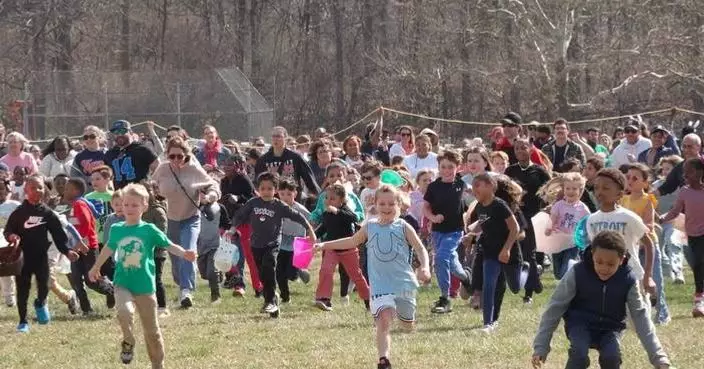
Before zombies shambled about, ghoulishly feasting on the flesh of those too slow to flee, aliens from outer space ruled movie theaters, drive-ins and late Saturday night creature features on television.

Even as Hollywood still drives how Americans envision little green men with big eyes and bigger heads, fiction soon could be separated from — or revealed as — fact if government agencies release secret files related to extraterrestrials and UFOs as called for in February by President Donald Trump.

The science fiction genre has shaped how people think about intelligent life elsewhere in the universe — “whether it’s invasion narratives or aliens coming to warn us that we’re on the wrong track or aliens just trying to come and make contact and help us with things or just say ‘hi,’” says Duke University professor Priscilla Wald, who teaches a class on science fiction and film.

Trump's announcement on social media followed former President Barack Obama suggesting in a podcast interview that aliens were real. Obama later clarified that he had not seen evidence that aliens had made contact, but said since the universe is so vast odds are good that life exists elsewhere.

Movies say they are nearly everywhere, from a Pennsylvania cornfield in 2002's “Signs” to Wyoming's Devil's Tower in 1977's “Close Encounters of the Third Kind” to a Central American jungle where 1987's “Predator” was set.

“Hollywood has basically been preparing the public for this,” retired Navy Rear Adm. Timothy Gallaudet says of any revelation that intelligent life from outer space exists and has visited Earth. “I think people can handle it. It does, of course, depend on what information is released (by the government)."

Hollywood quickly latched on following the 1947 discovery of debris near Roswell, New Mexico. Authorities initially identified crash materials as a flying disc before quickly backtracking and saying they were from a high-altitude weather balloon.

About three years after Roswell, “The Flying Saucer” made it to theaters. That was followed by a some low-budget and mostly forgettable movies, while others continue to inspire sci-fi buffs like 1951’s “The Day the Earth Stood Still.”

“If you think back to the flourishing of alien films, this starts really in the U.S. in the 1950s,” Wald says.

“The aliens are gentle souls who come down and try to warn us after nuclear war," she says of “The Day the Earth Stood Still.” “They’re trying to warn that we’re creating problems in the cosmos and that if we don’t stop, they are and have to do something about it."

Still others depict visitors arriving with more nefarious motives and intentions — to kill us, to take over the Earth, sometimes even to make us food.

“I think if we found out aliens were on the way, there would be a mix of responses,” Wald says. “I think there would be a lot of people out there welcoming them. A lot of people would be going down to the cellars and stocking them with canned food."

A plethora of documentaries also have been released, including 2025’s “The Age of Disclosure,” which details government knowledge of the existence of intelligent life outside of humans and attempts to reverse engineer alien technology.

Steven Spielberg has directed such box office hits as 1982's “E.T. The Extraterrestrial” and “Close Encounters of the Third Kind.” His upcoming film “Disclosure Day” teases: “If you found out we weren’t alone, if someone showed you, proved it to you, would that frighten you?”

“My question is always, 'Well, what is that fear really about?'” Wald says. “It seems to me it’s a reflection on who we are, that we’re projecting onto aliens the way we treat each other. So, the aliens are coming down, they want to conquer us, they’re violent. Who does that sound like? It sounds like us.”

AP national writer Allen G. Breed in Durham, North Carolina, contributed to this story.

FILE - Model ships hang at the entrance to the Star Trek Experience at the Las Vegas Hilton in Las Vegas on Aug. 25, 2008. (AP Photo/Isaac Brekken, File)

FILE - Model ships hang at the entrance to the Star Trek Experience at the Las Vegas Hilton in Las Vegas on Aug. 25, 2008. (AP Photo/Isaac Brekken, File)

Recommended Articles