Skip to Content Facebook Feature Image

New restaurants show meat-free Mexican is not a carne sin

News

New restaurants show meat-free Mexican is not a carne sin
News

News

New restaurants show meat-free Mexican is not a carne sin

2019-10-21 13:14 Last Updated At:13:20

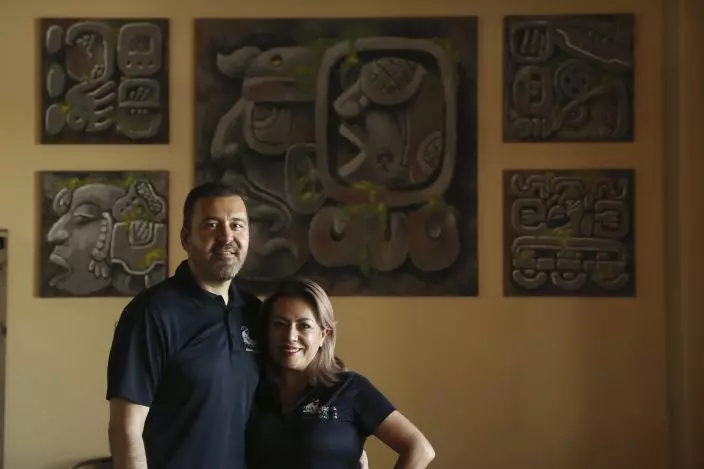
"That's not real Mexican food," ''My grandma would slap you" and "sellout" are just some of comments Jose and Leticia Gamiz received when they started their pop-up vegan Mexican food business, Mi Vegana Madre, four years ago.

People saw them doing something new and took it personally, Jose Gamiz said. "We even had somebody write (online) in Spanish, 'They're probably not even Mexican.'"

More Images
In this Thursday, Oct. 10, 2019 photo, fresh tacos served up at the Mi Vegana Madre restaurant offering Mexican vegan food in Glendale, Ariz. No longer just a few items on a mainstream restaurant’s menu, vegan Mexican food has become a widening industry on its own with Latinos taking control of the kitchen. (AP PhotoRoss D. Franklin)
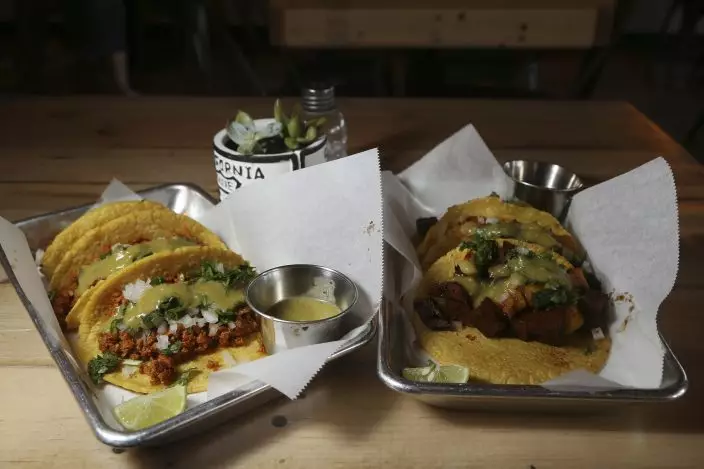
In this Thursday, Oct. 10, 2019 photo, fresh tacos served up at the Mi Vegana Madre restaurant offering Mexican vegan food in Glendale, Ariz. No longer just a few items on a mainstream restaurant’s menu, vegan Mexican food has become a widening industry on its own with Latinos taking control of the kitchen. (AP PhotoRoss D. Franklin)
In this Friday, Oct. 18, 2019 photo is two of the taco selections at the Earth Plant Based Cuisine restaurant in Phoenix. No longer just a few items on a mainstream restaurant’s menu, vegan Mexican food has become a widening industry on its own with Latinos taking control of the kitchen. (AP PhotoRoss D. Franklin)
In this Friday, Oct. 18, 2019 photo is two of the taco selections at the Earth Plant Based Cuisine restaurant in Phoenix. No longer just a few items on a mainstream restaurant’s menu, vegan Mexican food has become a widening industry on its own with Latinos taking control of the kitchen. (AP PhotoRoss D. Franklin)
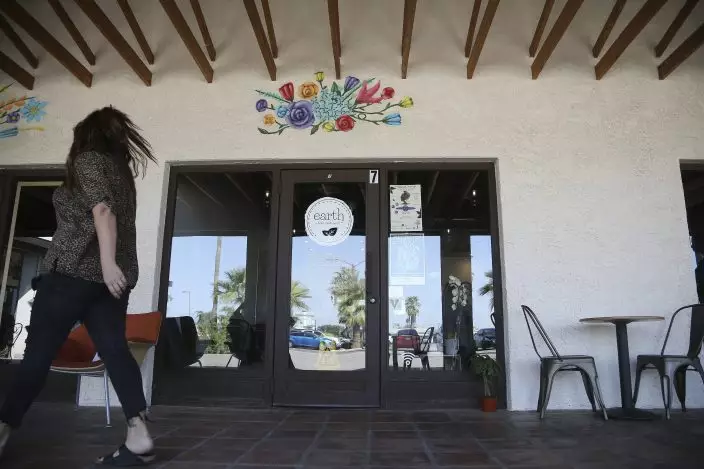
In this Friday, Oct. 18, 2019 photo, is the entrance of Earth Plant Based Cuisine vegan Mexican restaurant in Phoenix. No longer just a few items on a mainstream restaurant’s menu, vegan Mexican food has become a widening industry on its own with Latinos taking control of the kitchen. (AP PhotoRoss D. Franklin)

In this Friday, Oct. 18, 2019 photo, is the entrance of Earth Plant Based Cuisine vegan Mexican restaurant in Phoenix. No longer just a few items on a mainstream restaurant’s menu, vegan Mexican food has become a widening industry on its own with Latinos taking control of the kitchen. (AP PhotoRoss D. Franklin)

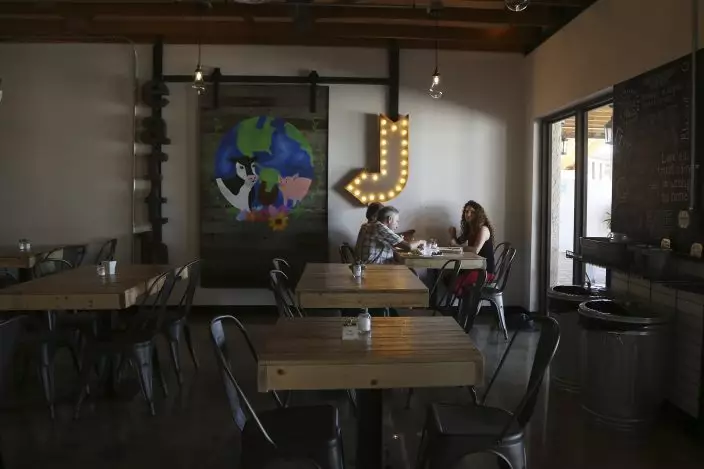
In this Friday, Oct. 18, 2019 photo, patrons dine at the Earth Plant Based Cuisine restaurant serving up Mexican vegan food in Phoenix. No longer just a few items on a mainstream restaurant’s menu, vegan Mexican food has become a widening industry on its own with Latinos taking control of the kitchen. (AP PhotoRoss D. Franklin)

In this Friday, Oct. 18, 2019 photo, patrons dine at the Earth Plant Based Cuisine restaurant serving up Mexican vegan food in Phoenix. No longer just a few items on a mainstream restaurant’s menu, vegan Mexican food has become a widening industry on its own with Latinos taking control of the kitchen. (AP PhotoRoss D. Franklin)

In this Thursday, Oct. 10, 2019, photo, Jose and Leticia Gamiz, owners of the Mi Vegana Madre restaurant, stand inside the dining area of their vegan Mexican restaurant in Glendale, Ariz. (AP PhotoRoss D. Franklin)
In this Thursday, Oct. 10, 2019, photo, Jose and Leticia Gamiz, owners of the Mi Vegana Madre restaurant, stand inside the dining area of their vegan Mexican restaurant in Glendale, Ariz. (AP PhotoRoss D. Franklin)

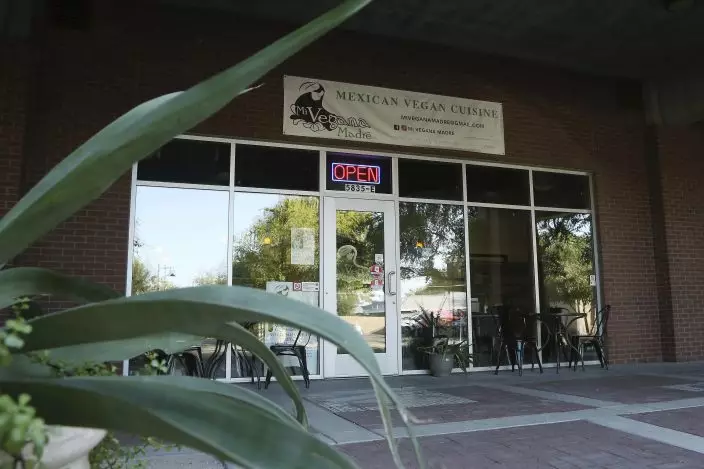
In this Thursday, Oct. 10, 2019 photo is the entrance of the Mi Vegana Madre restaurant in Glendale, Ariz. Restaurant owners say vegan Mexicans are becoming more commonplace. (AP PhotoRoss D. Franklin)

In this Thursday, Oct. 10, 2019 photo is the entrance of the Mi Vegana Madre restaurant in Glendale, Ariz. Restaurant owners say vegan Mexicans are becoming more commonplace. (AP PhotoRoss D. Franklin)

In this Friday, Oct. 18, 2019 photo, patrons line up to place their orders for Mexican vegan food at the Earth Plant Based Cuisine restaurant in Phoenix. In recent years, plant-based Mexican cuisine has been planting roots in areas with large Latino communities and doesn’t seem to be slowing. (AP PhotoRoss D. Franklin)
In this Friday, Oct. 18, 2019 photo, patrons line up to place their orders for Mexican vegan food at the Earth Plant Based Cuisine restaurant in Phoenix. In recent years, plant-based Mexican cuisine has been planting roots in areas with large Latino communities and doesn’t seem to be slowing. (AP PhotoRoss D. Franklin)
Despite the haters, the couple's meat- and dairy-free endeavor has built a following. It's part of a growing vegan Mexican food industry in the U.S. that has seen Latinos take control of the kitchen and plant-based Mexican cuisine increasingly plant roots in areas with large Latino communities.

In this Thursday, Oct. 10, 2019 photo, fresh tacos served up at the Mi Vegana Madre restaurant offering Mexican vegan food in Glendale, Ariz. No longer just a few items on a mainstream restaurant’s menu, vegan Mexican food has become a widening industry on its own with Latinos taking control of the kitchen. (AP PhotoRoss D. Franklin)

In this Thursday, Oct. 10, 2019 photo, fresh tacos served up at the Mi Vegana Madre restaurant offering Mexican vegan food in Glendale, Ariz. No longer just a few items on a mainstream restaurant’s menu, vegan Mexican food has become a widening industry on its own with Latinos taking control of the kitchen. (AP PhotoRoss D. Franklin)

Las Vegas and Austin, Texas, each have at least a few eateries or food trucks that are exclusively vegan Mexican. Across Southern California, there are a slew of options, including a vegan panaderia peddling traditional pastries.

The vegan Mex wave now seems to be sweeping Arizona.

Mi Vegana Madre expanded into a brick-and-mortar restaurant in the Phoenix suburb of Glendale last year. It offers vegan takes on carne asada, al pastor and nachos with a cashew cream-based cheese sauce. Another restaurant offering vegan Mexican and Mediterranean dishes opened in January a half-mile away. In September, a third place opened in Phoenix, also led by a Mexican American family.

In this Friday, Oct. 18, 2019 photo is two of the taco selections at the Earth Plant Based Cuisine restaurant in Phoenix. No longer just a few items on a mainstream restaurant’s menu, vegan Mexican food has become a widening industry on its own with Latinos taking control of the kitchen. (AP PhotoRoss D. Franklin)

In this Friday, Oct. 18, 2019 photo is two of the taco selections at the Earth Plant Based Cuisine restaurant in Phoenix. No longer just a few items on a mainstream restaurant’s menu, vegan Mexican food has become a widening industry on its own with Latinos taking control of the kitchen. (AP PhotoRoss D. Franklin)

Keren Aguilar, 19, and sister Keyla Aguilar, 22, launched Earth Plant Based Cuisine in Phoenix's hipster Grand Avenue arts district. Other family members, including their mother, also work there. The menu includes fish tacos, churros and soy chorizo (Mexican sausage) — all made in-house. They also have a plant-based BBQ sandwich, burger and hot dog.

The sisters and their parents have been vegan for nearly five years, and it was Keren's dream to open a vegan restaurant. It just so happened a space became available and a family friend was willing to be a financial partner.

While most American vegan restaurants offer a few basic Mexican-inspired items, the Gamiz and Aguilar families are trying to capture the array of recipes they grew up on.

In this Friday, Oct. 18, 2019 photo, is the entrance of Earth Plant Based Cuisine vegan Mexican restaurant in Phoenix. No longer just a few items on a mainstream restaurant’s menu, vegan Mexican food has become a widening industry on its own with Latinos taking control of the kitchen. (AP PhotoRoss D. Franklin)

In this Friday, Oct. 18, 2019 photo, is the entrance of Earth Plant Based Cuisine vegan Mexican restaurant in Phoenix. No longer just a few items on a mainstream restaurant’s menu, vegan Mexican food has become a widening industry on its own with Latinos taking control of the kitchen. (AP PhotoRoss D. Franklin)

"We didn't want it to have a 'vegan taste' or be bland. We wanted it to have flavors, so our spices are very important to making it Mexican," Keren Aguilar said.

Gustavo Arellano, a Los Angeles-based columnist and author of "Taco USA: How Mexican Food Conquered America," said restaurants like Earth Plant Based Cuisine are bringing a level of authenticity beyond the "hippy dippy white vegan stuff like tempeh, or they get a taco and put cubes of soy in it."

Arellano believes vegan food in Mexican and Hispanic cultures has blossomed as younger generations became inspired by ways they can cut animal products from cooking.

In this Friday, Oct. 18, 2019 photo, patrons dine at the Earth Plant Based Cuisine restaurant serving up Mexican vegan food in Phoenix. No longer just a few items on a mainstream restaurant’s menu, vegan Mexican food has become a widening industry on its own with Latinos taking control of the kitchen. (AP PhotoRoss D. Franklin)

In this Friday, Oct. 18, 2019 photo, patrons dine at the Earth Plant Based Cuisine restaurant serving up Mexican vegan food in Phoenix. No longer just a few items on a mainstream restaurant’s menu, vegan Mexican food has become a widening industry on its own with Latinos taking control of the kitchen. (AP PhotoRoss D. Franklin)

"What blew up the vegan Mexican movement was these pop-up vegan food fairs where you have not just Mexicans, but Central Americans," Arellano said.

Since opening their sit-down locations, both family-owned restaurants have also noticed Latinos of a certain age sampling the food. Jose Gamiz recalls wrongfully assuming a father and daughter, both Mexican, were frequent patrons because the girl was vegan.

"(The father) said, 'I started doing it for my health,' and he was like, 'Nobody in my family will follow me except for my daughter,'" Gamiz said. "Usually the men in the family are the ones that are more resistant. I think there's a misconception that you need meat to be manly."

In this Thursday, Oct. 10, 2019, photo, Jose and Leticia Gamiz, owners of the Mi Vegana Madre restaurant, stand inside the dining area of their vegan Mexican restaurant in Glendale, Ariz. (AP PhotoRoss D. Franklin)

In this Thursday, Oct. 10, 2019, photo, Jose and Leticia Gamiz, owners of the Mi Vegana Madre restaurant, stand inside the dining area of their vegan Mexican restaurant in Glendale, Ariz. (AP PhotoRoss D. Franklin)

Adults in the U.S. have a 40% chance of getting type 2 diabetes, but Hispanic and Latino adults have more than a 50% chance, according to the Centers for Disease Control and Prevention. Hispanics/Latinos also are at greater risk of developing diabetes at a younger age and getting complications like kidney failure and vision loss. The CDC says some of the factors contributing to this are genetics and the cultural value in eating meals high in fat and calories.

Yet for some Latinos, going sin carne can still feel like a sin. Linda Sepulveda, of Albuquerque, New Mexico, which has virtually no all-vegan Mexican restaurants, would find it hard to give up an omnivore's life. Her house is always stocked with ground beef, tortillas and salsa.

"I'm intrigued by (vegan Mexican), but I think a part of me knows it won't taste the same," she said. "We are always trying to find where we can add veggies, but there always has to be a main meat and everything else dresses it up."

In this Thursday, Oct. 10, 2019 photo is the entrance of the Mi Vegana Madre restaurant in Glendale, Ariz. Restaurant owners say vegan Mexicans are becoming more commonplace. (AP PhotoRoss D. Franklin)

In this Thursday, Oct. 10, 2019 photo is the entrance of the Mi Vegana Madre restaurant in Glendale, Ariz. Restaurant owners say vegan Mexicans are becoming more commonplace. (AP PhotoRoss D. Franklin)

While some may say veganizing is misappropriating Mexican food, the country's indigenous natives actually ate mostly plant-based foods, according to Arellano. Colonizers from Spain irrevocably altered the food culture with introductions of beef, lamb and pork.

"They don't realize, if you're real Mexicans, you're not supposed to be eating this meat in the first place because colonizers brought it over," Arellano said. "I eat everything, but I'll eat vegan Mex if it's good."

Terry Tang is a member of The Associated Press' race and ethnicity team. Follow her on Twitter at https://twitter.com/ttangAP

In this Friday, Oct. 18, 2019 photo, patrons line up to place their orders for Mexican vegan food at the Earth Plant Based Cuisine restaurant in Phoenix. In recent years, plant-based Mexican cuisine has been planting roots in areas with large Latino communities and doesn’t seem to be slowing. (AP PhotoRoss D. Franklin)
In this Friday, Oct. 18, 2019 photo, patrons line up to place their orders for Mexican vegan food at the Earth Plant Based Cuisine restaurant in Phoenix. In recent years, plant-based Mexican cuisine has been planting roots in areas with large Latino communities and doesn’t seem to be slowing. (AP PhotoRoss D. Franklin)
NEW YORK (AP) — In the days since the Trump administration ousted Venezuelan President Nicolás Maduro in a late-night military raid, Alejandra Salima has spoken to fellow Venezuelan migrants in her role as an advocate. Like her, most voice feelings that seesaw between joy and trepidation, she said.

The removal of Maduro is “a first step, but we’re nervous,” said Salima, who fled to the U.S. three years ago with her 7-year-old son and assists other Venezuelans at the Miami office of the National TPS Alliance. With the regime that Maduro led still in place, “at this moment, returning would put me and my son at risk,” she said.

For more than 770,000 Venezuelans living in the U.S., reactions to Trump's forceful moves in the country they left behind — and the one that has taken them in — are as intense as they are complicated.

Many are thrilled by the removal of Maduro, who harassed and jailed political opponents while presiding over an economic collapse, driving millions of Venezuelans from the country. But as they try to figure out what’s next for them and for families and friends still in Venezuela, many share Salima’s conflicted feelings.

The Trump administration’s move to deport Venezuelans without permanent residency has increased worry. Many were allowed to stay in the U.S. after they were granted Temporary Protected Status, or TPS, a designation Trump revoked after taking office. At the same time, the fear instilled by the government Maduro left behind makes many wary of returning.

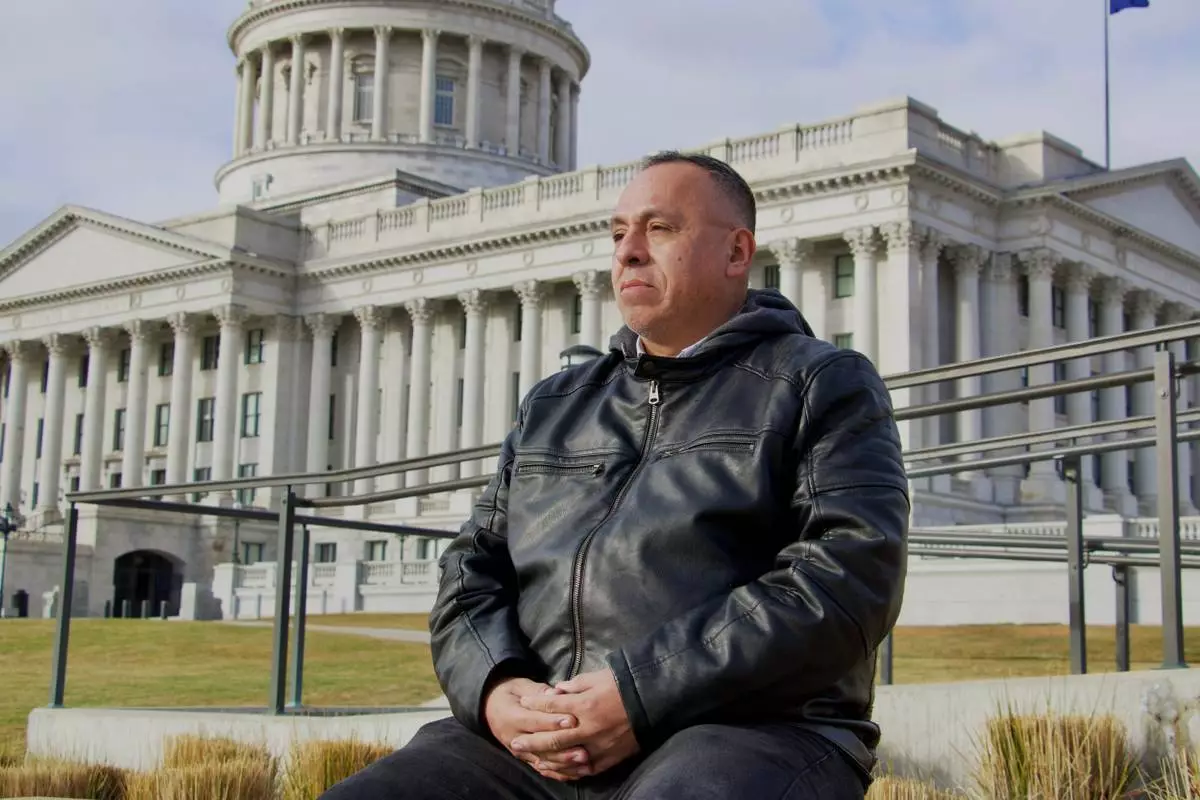
“First, they grabbed Maduro, and I feel happy, happy, happy, grateful to the Trump administration,” said Manuel Coronel, a lawyer who left Venezuela in 2017 and now lives just north of Salt Lake City. But he worries the change will be too limited.

“They got him, but the criminals are still there,” said Coronel, who is 54 and works at an immigration law practice. “There’s no new government. Everything’s exactly the same.”

The tensions belie assurances by Homeland Security Secretary Kristi Noem, who asserted that “overwhelmingly the Venezuelans that I’ve heard from or talked to are excited about the changes.”

“They have more opportunities to go back to their country and have it be more successful and provide for their families today than they did a week ago when Maduro was still in charge,” Noem said last week.

But in interviews with Venezuelans who live in communities around the U.S. there was little indication of a rush to return.

“Thank God we’re here,” said José Luis Rojas, who ended up in New York City after fleeing the Venezuela capital of Caracas in 2018.

Rojas, 31, recounted how Venezuela’s hyperinflation, which topped 1 million percent the year he fled, made it impossible to buy essentials like diapers after his partner became pregnant. They went first to Ecuador then Peru, but left to escape crime, joining thousands of Venezuelans who migrated on foot through the jungle of Panama’s Darién Gap.

Since the couple and their son arrived in the U.S., Rojas has obtained political asylum, a work permit and a driver’s license.

In an interview this week at a Venezuelan restaurant on a New York City street lined with immigrant-run businesses, Rojas welcomed the toppling of Maduro “so there can be change in Venezuela, because many people are struggling.”

But he expressed doubt about the Trump administration’s tightened policies on Venezuelans in the U.S. that have already pushed a number of his friends to leave for countries in South America and elsewhere.

For Venezuelans in the U.S., Trump has “done good things and he’s done bad things," said Rojas as he and his wife tucked into the restaurant's $30 special: a heaping platter of fried potatoes, cassava, corn cakes, sausages, beef, chicken, plantains, fried pork rinds and cheese.

“It all depends on your point of view.”

About 8 million Venezuelans have fled the country over the past decade, with the great majority landing elsewhere in Latin America. Hundreds of thousands have made their way to the U.S., with large numbers settling in suburban communities like Kissimmee, Florida, outside Orlando, and Herriman, Utah, outside Salt Lake City.

Venezuelans quickly became among the largest nationalities to immigrate to the U.S. after COVID-19, lured in part by job prospects. The Biden administration offered new or expanded temporary legal protections, largely ended by Trump after he took office. Hundreds of thousands more were released in the United States after entering illegally from Mexico to pursue asylum or other forms of relief in immigration court.

For people like Jesus Martinez, who fled to the U.S. in 2021 after facing physical threats and persecution, “life in Venezuela is behind us.”

Martinez, who now lives with his wife and children in Orem, Utah, and has applied for political asylum, recalled how life in Venezuela had become intolerable. While it is a relief that Maduro has been removed, he said, the Trump administration's push to send Venezuelans back to a country whose government they still deeply distrust presents a paradox.

“It’s obviously a contradictory situation," said Martinez, 50. He noted that it will take considerable time before loyalists to Maduro are rooted out and Venezuela can make a transition to a stable democracy.

Salima, 48, who works in the Miami advocacy office, was active in opposition politics in Venezuela, where she trained as a lawyer and marched in peaceful protests. She came to the U.S. legally with her son, who is now 10 years old, on a temporary permit for humanitarian reasons, which Trump has revoked. She is elated by Maduro’s ouster.

But those feelings are tempered by her unease over Venezuela’s future while his allies are still in power. Her mother remains in Venezuela and, even with Maduro gone, she refuses to discuss politics during chats on an encrypted app, fearful that government authorities who remain in power will find out, Salima said.

With that reality still in place, the pending end of Temporary Protected Status for Venezuelans makes her feel “very unstable,” Salima said.

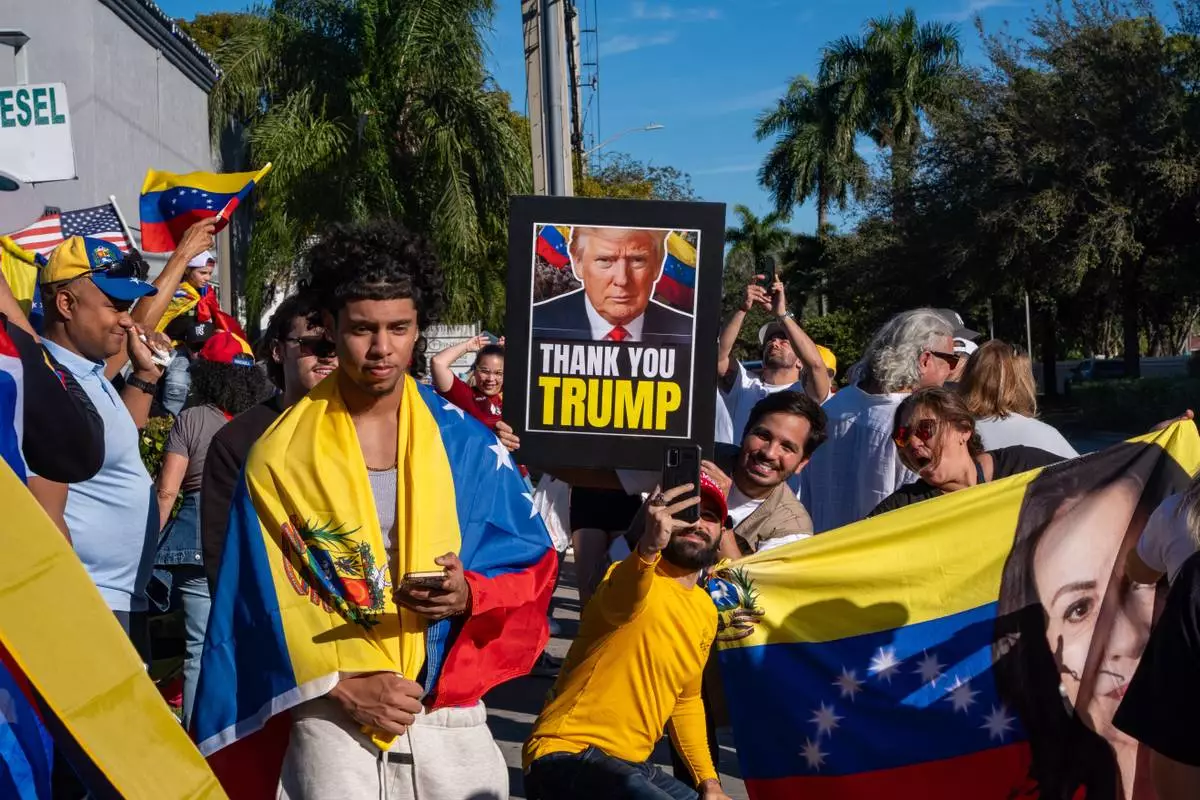
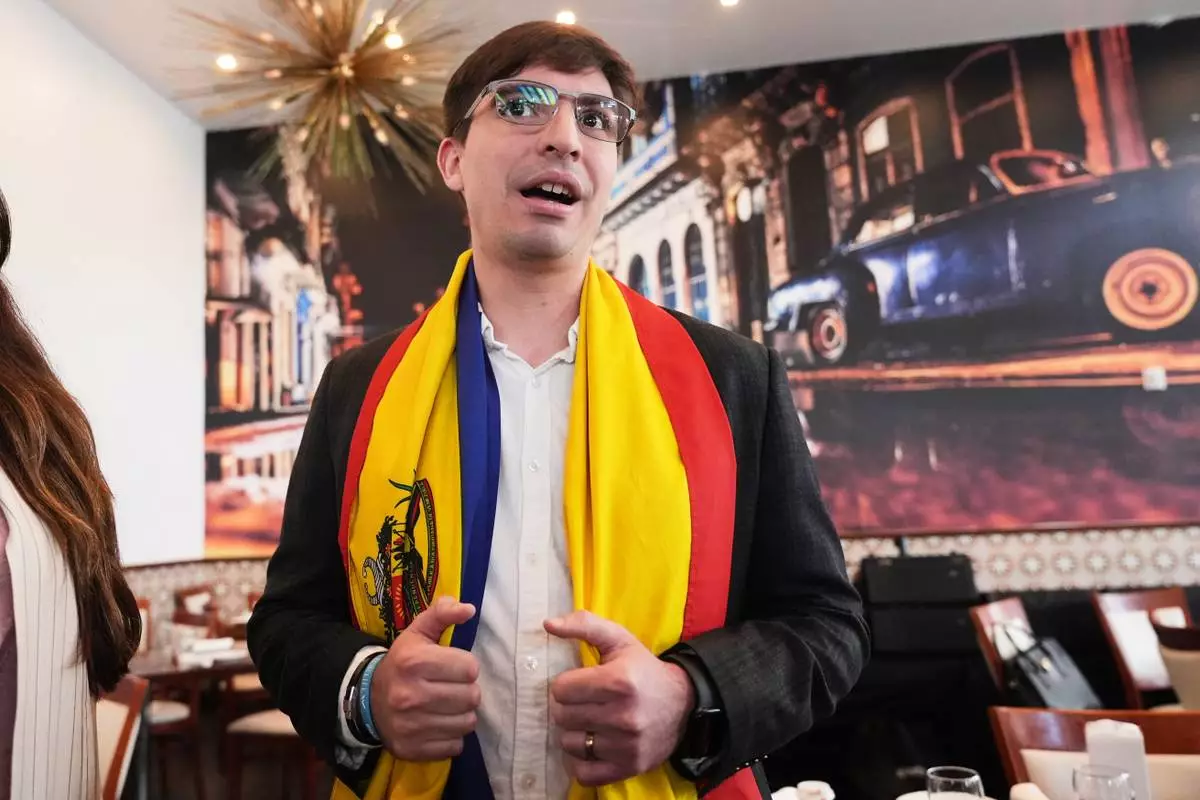
Rallying with other Venezuelans this week in Doral, Florida, to celebrate Maduro's ouster, Jorge Galicia recounted fleeing in 2018 after a fellow student activist was arrested during a wave of demonstrations against the regime.

After settling in the Miami area, Galicia said he joined Charlie Kirk’s conservative Turning Point USA movement, whose politics closely align with Trump’s. But Galicia, 30, said his support for the Trump administration began to waver as the White House’s crackdown on immigrants intensified, breaking up families.

Now, with Maduro gone, he expects many of the Venezuelans who fled to neighboring countries and the U.S. to start returning home. But he hopes Trump will reconsider his decision to deport Venezuelans like himself who have built new lives in the U.S. but still lack permanent status.

“The reason we’re here is because there was a horrible regime that forced millions of us to leave,” said Galicia, wrapped in a Venezuelan flag. But, he said, “everyone deserves to have the choice of returning home.”

—-

Associated Press writers Valerie Gonzalez in McAllen, Texas; Josh Goodman in Doral, Florida; Elliot Spagat in San Diego and Hannah Schoenbaum in Salt Lake City contributed to this report.

Manuel Coronel, a 54-year-old lawyer who left Venezuela in 2017 and eventually settled in Utah, sits for a portrait in front of the state's Capitol Building in Salt Lake City, Friday, Jan. 9, 2026. (AP Photo/Hannah Schoenbaum)

Manuel Coronel, a 54-year-old lawyer who left Venezuela in 2017 and eventually settled in Utah, sits for a portrait in front of the state's Capitol Building in Salt Lake City, Friday, Jan. 9, 2026. (AP Photo/Hannah Schoenbaum)

People celebrate after President Donald Trump announced Venezuelan President Nicolás Maduro had been captured and flown out of the country, in Doral, Fla., Saturday, Jan. 3, 2026. (AP Photo/Jen Golbeck)

People celebrate after President Donald Trump announced Venezuelan President Nicolás Maduro had been captured and flown out of the country, in Doral, Fla., Saturday, Jan. 3, 2026. (AP Photo/Jen Golbeck)

Jorge Galicia, a Venezuelan political activist who requested asylum seven years ago, wears a Venezuelan flag around his neck, as he talks about his support of the capture of Venezuelan President Nicolas Maduro by the U.S., Monday, Jan. 5, 2026, in Doral, Fla. (AP Photo/Lynne Sladky)

Jorge Galicia, a Venezuelan political activist who requested asylum seven years ago, wears a Venezuelan flag around his neck, as he talks about his support of the capture of Venezuelan President Nicolas Maduro by the U.S., Monday, Jan. 5, 2026, in Doral, Fla. (AP Photo/Lynne Sladky)

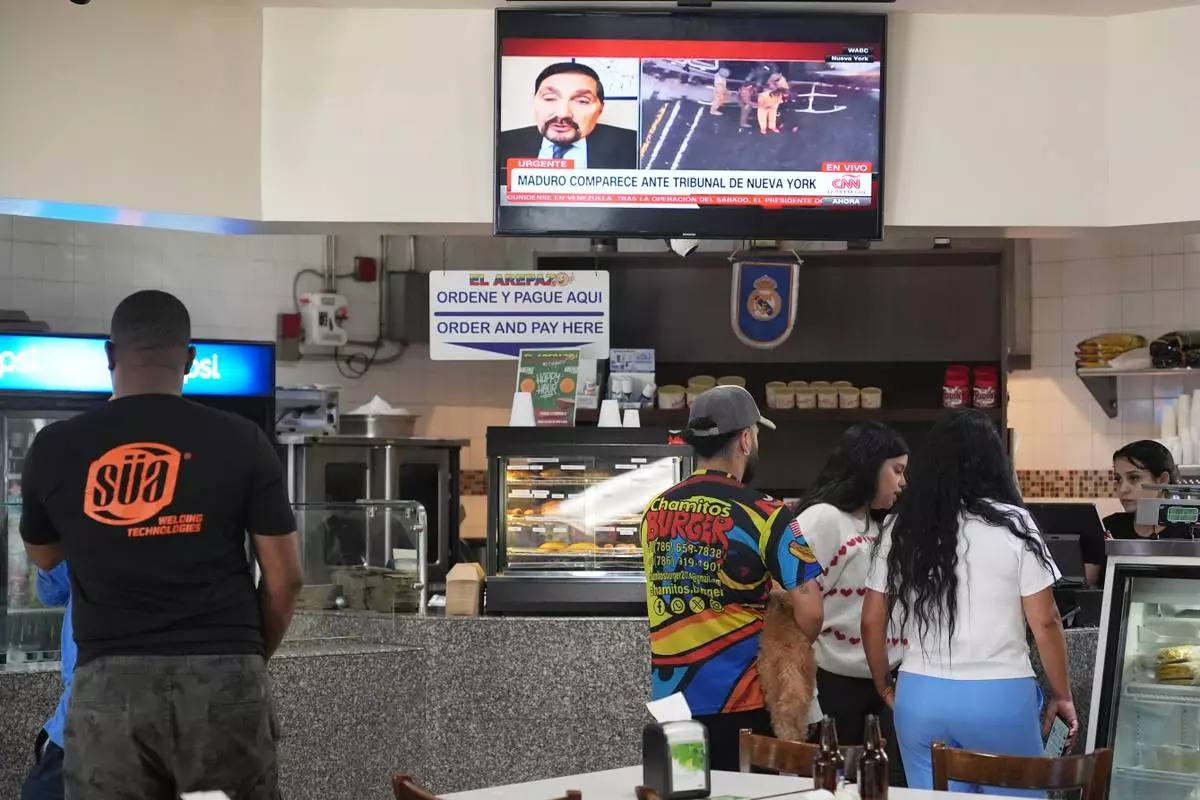
People order food at El Arepazo, a popular restaurant in the local Venezuelan community, as a television broadcast shows Venezuelan President Nicolas Maduro being led from a helicopter to a court appearance in New York, Monday, Jan. 5, 2026, in Doral, Fla. (AP Photo/Lynne Sladky)

People order food at El Arepazo, a popular restaurant in the local Venezuelan community, as a television broadcast shows Venezuelan President Nicolas Maduro being led from a helicopter to a court appearance in New York, Monday, Jan. 5, 2026, in Doral, Fla. (AP Photo/Lynne Sladky)

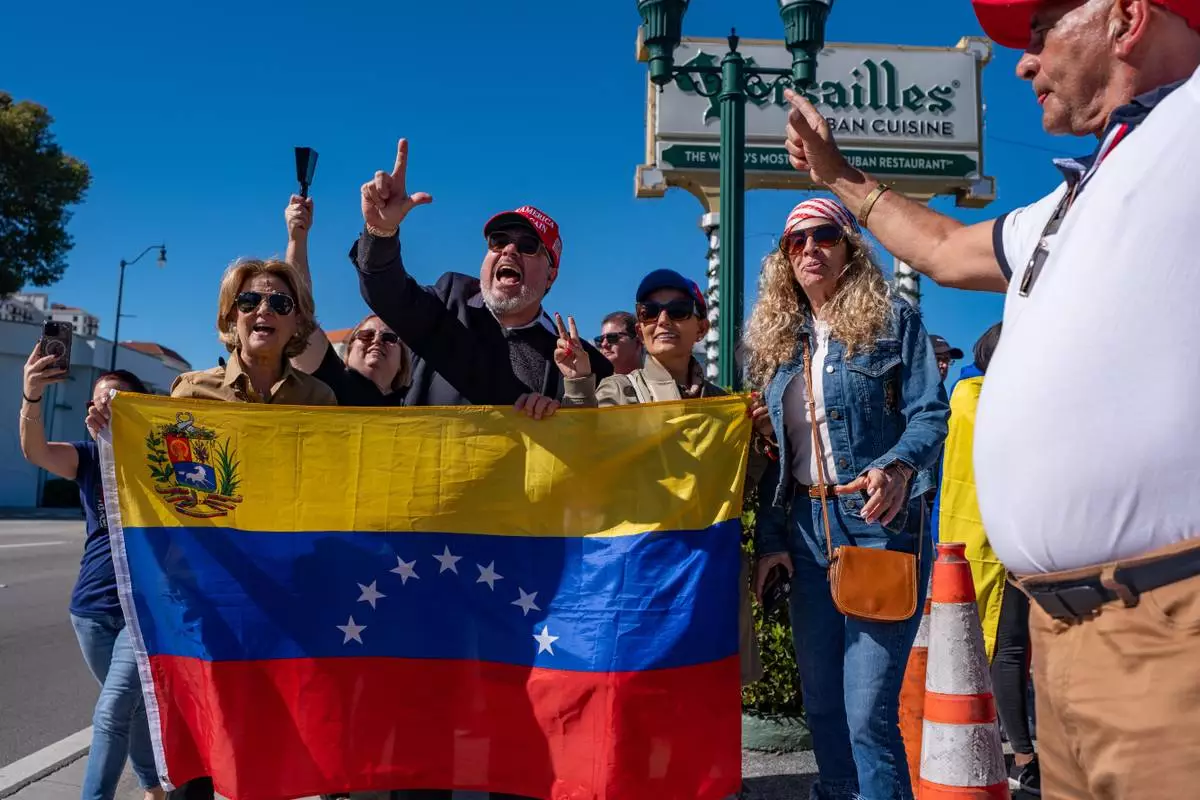
People celebrate outside Versailles Cuban Cuisine after President Donald Trump announced Venezuelan President Nicolás Maduro had been captured and flown out of the country, in Miami, Saturday, Jan. 3, 2026. (AP Photo/Jen Golbeck)

People celebrate outside Versailles Cuban Cuisine after President Donald Trump announced Venezuelan President Nicolás Maduro had been captured and flown out of the country, in Miami, Saturday, Jan. 3, 2026. (AP Photo/Jen Golbeck)

Recommended Articles