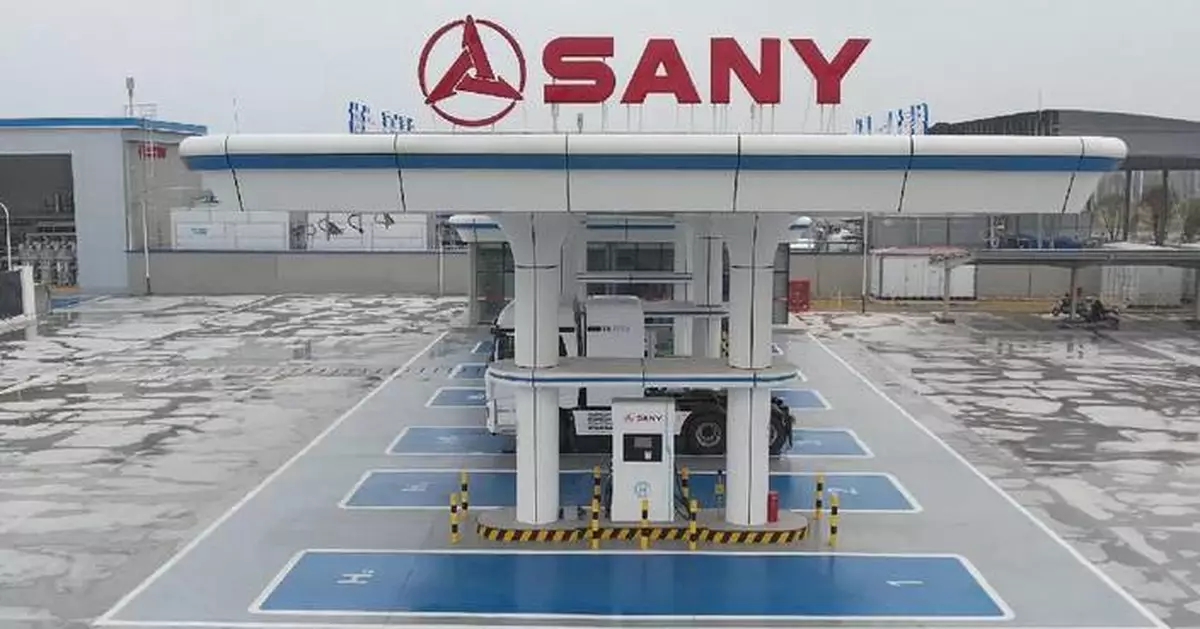
SANY Hydrogen, a leading player in China's hydrogen industry, expressed strong optimism regarding the application of hydrogen-powered heavy trucks in the country's growing hydrogen transport sector.
To develop such trucks, the company's parent company SANY Group has modified its original truck production line, making it capable of producing varies types of trucks, including diesel, gasoline, electric, and hydrogen fuel cell vehicles.
"Firstly, we have an order management system in place. Through this system, we generate production orders that can automatically identify the required materials for each vehicle type. This ensures that every vehicle receives the correct and unique set of components. To manufacture vehicles like hydrogen fuel cell trucks, we invested approximately six months to modify the production line. This includes factory renovations, equipment debugging, personnel training, and ultimately, mass production," said Zeng Fanli, deputy general manager of SANY Commercial Vehicle Company.
The new-generation hydrogen truck uses 100-percent green energy and can travel over 500 kilometers, if fully filled.
For Rao Hongyu, general manager of SANY Hydrogen Energy, these hydrogen-powered trucks offer a viable solution to operational challenges faced by electric heavy trucks in low-temperature environments.
Rao also said that the Group's hydrogen production and distribution station that was recently built can reduce hydrogen production costs, as green electricity has been used in hydrogen-making process.
"We are very optimistic about the application of hydrogen-powered heavy trucks in hydrogen transport, because they can effectively address the operational challenges faced by electric heavy trucks in low-temperature environments. We have found that on-site hydrogen production is a very effective way to eliminate transportation costs. The water electrolysis facility for hydrogen production you see here is currently the largest single-unit hydrogen production facility in China. Through the construction of integrated stations and the use of green electricity such as off-peak electricity and photovoltaics, we have effectively controlled our hydrogen production costs. This enables us to significantly reduce the price of hydrogen, thereby supporting the promotion of hydrogen transport," said Rao.
Rao emphasized the favorable economic conditions for hydrogen production, attributing it to the substantial development of the wind power and photovoltaic industries, which have effectively reduced electricity generation costs.
He underscored the essential role of water electrolysis in hydrogen production, because of the expected widespread use of hydrogen in industries such as green chemicals, green transportation, and green metallurgy, as China sets to achieve carbon peak by 2030 and carbon neutrality by 2060.
"The hydrogen equipment industry has existed for decades, but in the past decade or so, the vigorous development of wind power and photovoltaic industries has effectively lowered our electricity generation costs. Taking photovoltaics as an example, over the past decade, our photovoltaic electricity generation costs have decreased by 90 percent. The economic viability of hydrogen production based on wind and solar power has been effectively ensured. To achieve the dual carbon goals of peak carbon emissions and carbon neutrality, we need to use a large amount of hydrogen in industries such as green chemicals, green transportation, and green metallurgy. Water electrolysis for hydrogen production has become an essential requirement," said Rao.
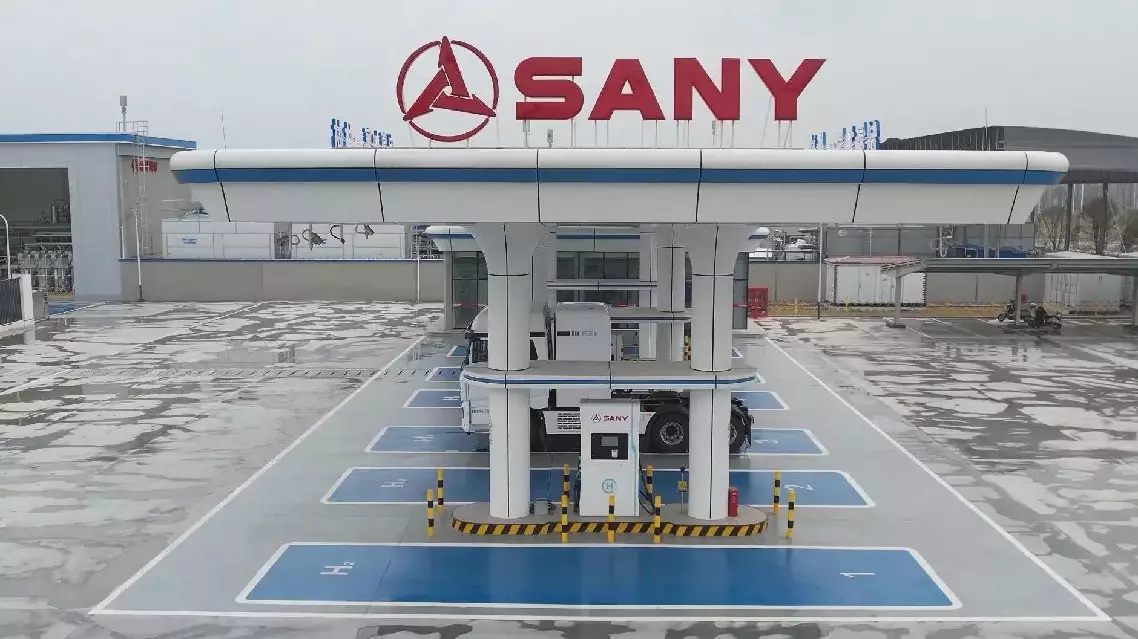
SANY Group turns to hydrogen-powered heavy trucks