
Japan's "functional food labeling" system is facing public backlash after a health supplement recall linked to five deaths and over 100 illnesses has been criticized for undermining food safety management.
The Osaka-based Kobayashi Pharmaceutical has recalled multiple products, including the "Beni-koji choleste-help" supplement, marketed for cholesterol reduction, after its dietary supplements containing red yeast rice, or "beni-koji," were potentially linked to adverse health events.
Reports have emerged of five deaths and more than 100 hospitalizations related to these products, with nearly 700 individuals either seeking or intending to seek medical consultation as of last Friday.
This incident has raised significant concerns among the Japanese public over the country's classification of health-functional foods, particularly the labeling system introduced in 2015, suggesting it may favor corporate profits at the expense of consumer safety.
Before 2015, Japan categorized health-functional foods into two main groups: "Foods for Specified Health Uses" and "Nutrition Function Foods."
In 2015, the Consumer Affairs Agency (CAA) of Japan launched the "Foods with Function Claims" (FFC) labeling initiative.
This new system permits companies like Kobayashi Pharmaceutical to independently evaluate and document the health benefits and functional attributes of their products prior to marketing, bypassing the need for approval from Japanese government authorities.
"The 'functional labeling food' by Kobayashi Pharmaceutical only requires submitting documents for registration, allowing the company to self-verify safety. This lacks objectivity and harbors risks. Health food should benefit the body. But if the ingredients are vague, without thorough investigation and analysis, similar issues could arise," said a Tokyo resident.
Another Tokyo resident criticized Kobayashi Pharmaceutical's operational practices.
"Kobayashi Pharmaceutical's management system is flawed. They might not have investigated initial reports seriously, leading to delayed public disclosure," he said.
Many have voiced concern that some major Japanese corporations put too much emphasis on economic gains at the expense of safety.
"As a leading pharmaceutical company in Japan, they capitalize on the public's concern for healthy living by marketing their products as 'beneficial to health' to maximize profits. This has led to oversights that jeopardize consumer health. Moreover, the national approval system has its shortcomings. It should not prioritize corporate profits over stringent scrutiny," said another Tokyo resident.
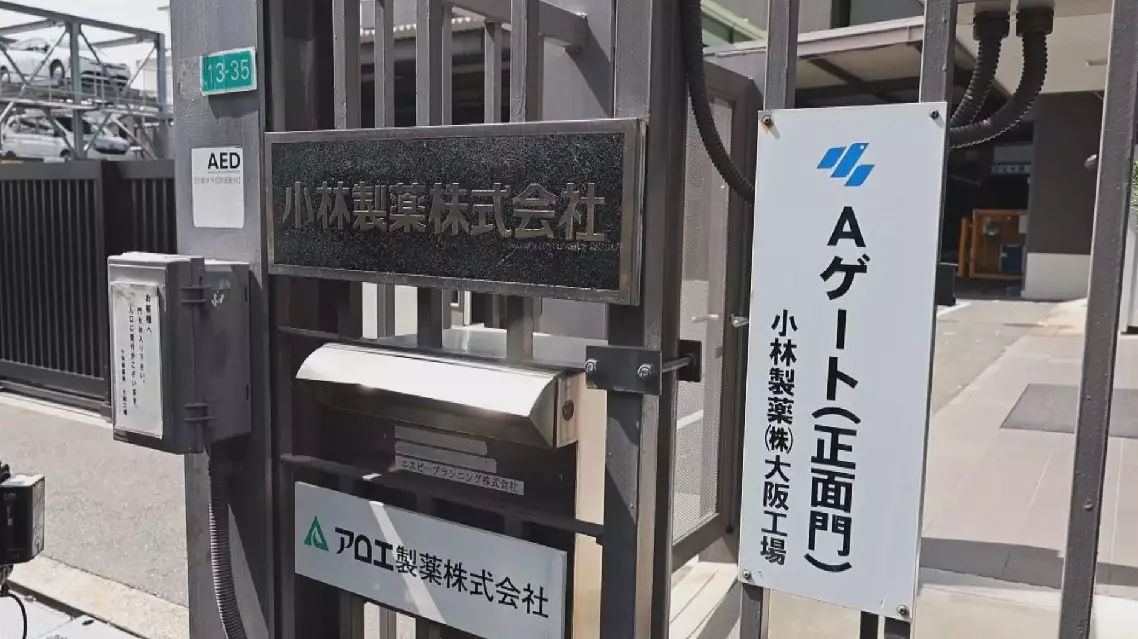
Supplement recall sparks concern over Japan's labeling system