Madagascar and international organizations have taken dedicated measures to enhance protection for the island nation's unique local wildlife in recent years, with a particular focus on its iconic lemurs.
Located in northwestern Madagascar, the Lokobe Nature Special Reserve is home to black lemurs, weasel lemurs and mouse lemurs.
The primates are regarded as the most threatened groups of mammals and are listed on the Red List of the International Union for the Conservation of Nature (IUCN).
That organization has predicted that over 98 percent of lemurs face extinction in the next 20 years due to deforestation and overhunting.
In recent years, some international organizations have actively worked with local authorities and introduced protection projects to make progress in protecting lemurs.
"This is a place where we protect lemurs because this is a natural reserve. So here we can explore different types of lemurs. There is a specific person who has to go to the forest, and they have to make sure that no one can hunt them," said a guide from the reserve.
To accommodate the growing number of visitors coming to Madagascar to see the country's iconic lemurs, the government has established a dedicated lemur park where tourists can observe and interact with the animals up close.
Lemurs are ambassadors of Madagascar's unique biodiversity, and effectively protecting these iconic animals can only be achieved through a multifaceted approach - safeguarding their natural habitats, curbing illegal hunting and trade, and advancing sustainable development across the island nation.
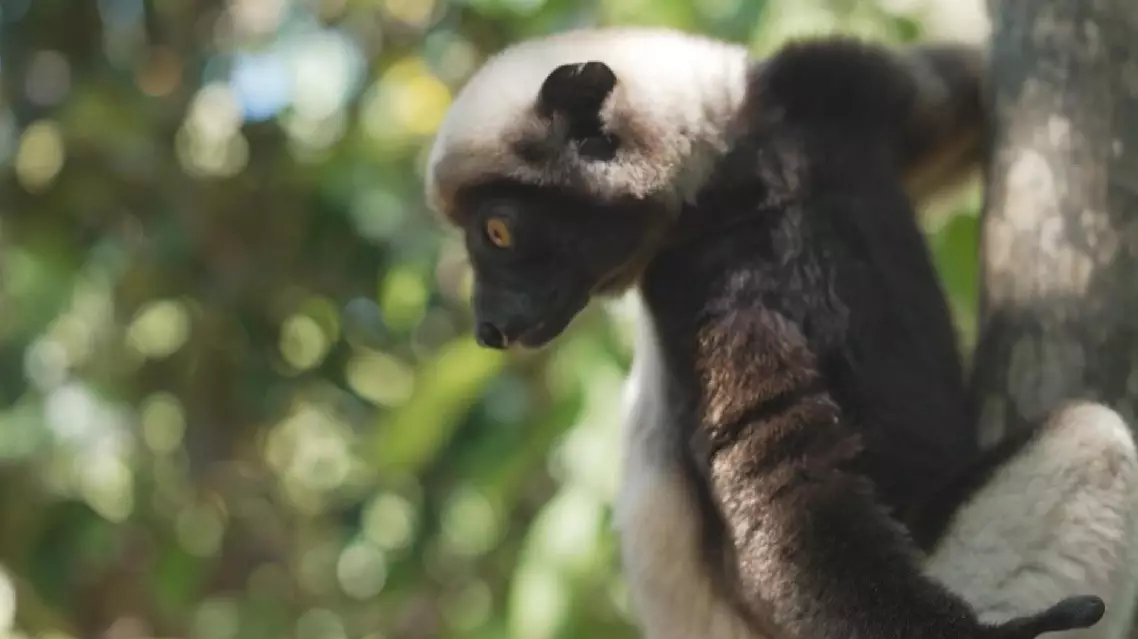
Madagascar enhances protection of endangered lemurs
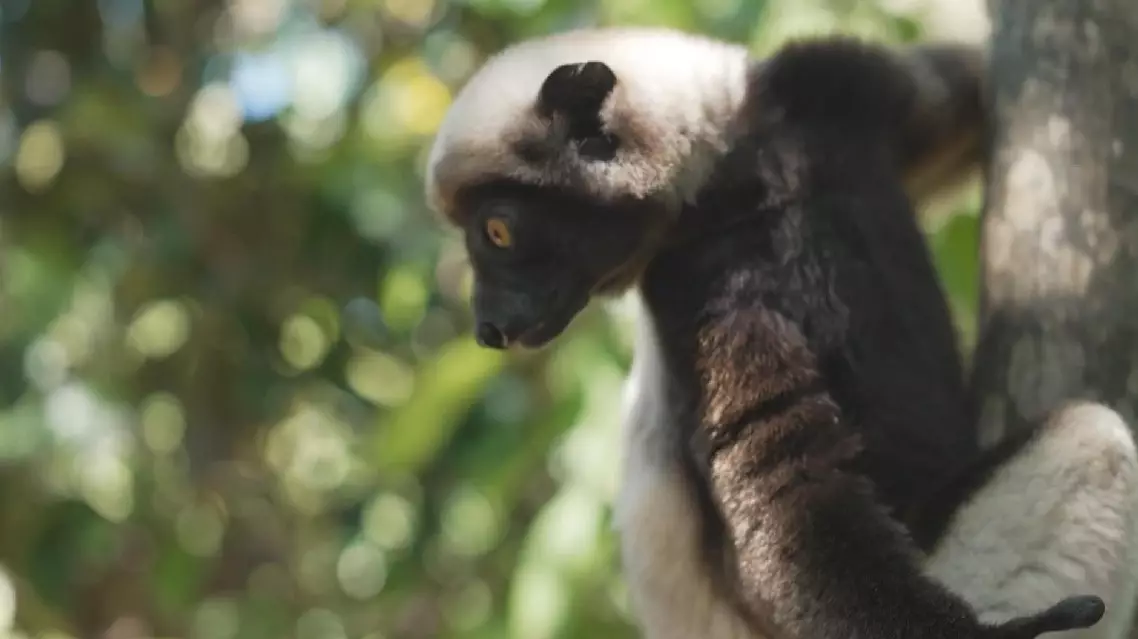
Madagascar enhances protection of endangered lemurs
Cities across China are decorating landmark sites with national flags and floral displays as National Day is around the corner.
Yuzhong District of southwest China's Chongqing City is displaying over 2,000 flags alongside carefully arranged floral landscapes covering main roads, commercial hubs, and bridges. In Shexian County of east China's Anhui Province, red flags are fluttering amid the Huizhou Ancient City's floral greenery.
At the Wenshan Dongshan Park in southwest China's Yunnan Province, citizens unfurled a giant 24-by-16 meter national flag, singing vibrant songs to express their heartfelt wishes. Cities such as Chengdu in southwest China, Taiyuan in north China, and Yichang in central China are also showcasing the five-star flag to usher in the holiday.
Flower displays bloom throughout streets and parks, with cities of Fuzhou in the east and Daqing in the northeast hosting themed floral exhibitions that brighten public spaces. Markets bustle with activity as fresh produce flows steadily. In Zhongmu, Henan Province in central China, trucks loaded with pomegranate, honey tangerines and kiwi line up early to meet demand. In Urumqi City of northwest China's Xinjiang Uygur Autonomous Region, flower markets bloom with over a thousand varieties meeting diverse consumer preferences.
Ahead of the holiday, Hong Kong's streets have been adorned with bright national and special administrative region (SAR)'s flags alongside large National Day posters. Community groups are holding cultural activities featuring traditional crafts to celebrate the 77th founding anniversary of the People's Republic of China.
In Macao, national flags wave at border checkpoints, streets, parks and squares, paired with celebratory banners creating a lively National Day atmosphere.

Cities across China adorned for National Day celebrations