The Yan'an, a Type 055 large destroyer of the Chinese People's Liberation Army (PLA) Navy, has conducted electronic warfare training in the waters east of the Taiwan Island in coordination with carrier-based aircraft to address electromagnetic interference challenges.
As a "sentry" of the aircraft carrier formation, the Yan'an encountered electromagnetic interference while sailing in the waters east of the Taiwan Island during the exercise, with its electronic warfare division detecting abnormal signals.
The destroyer coordinated with carrier-based aircraft to repel electronic jamming aircraft from a mock enemy, successfully countering the electromagnetic interference.
"We execute combat mission aboard destroyer Yan'an, rushing at the forefront of the aircraft carrier formation, engaging in air defense, missile defense, anti-submarine warfare, and electronic warfare. We stand on the front line in both visible and invisible warfares," said Wang Liang, deputy commander of the destroyer.
In modern naval warfare, the rivalry extends beyond the combat power of a single vessel to the comprehensive evaluation of the formation system.
The individual combat capability of the PLA Navy's vessels continues to enhance, while the navy's systemic combat capability has also reached new heights.
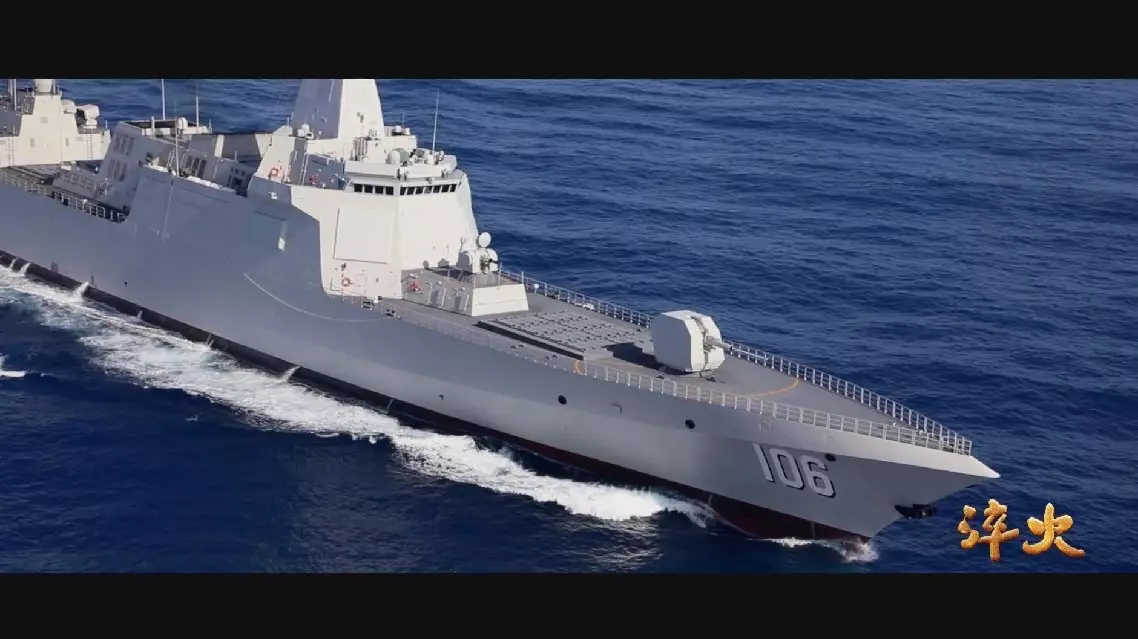
Chinese navy's destroyer conducts electronic warfare exercise in waters east of Taiwan Island
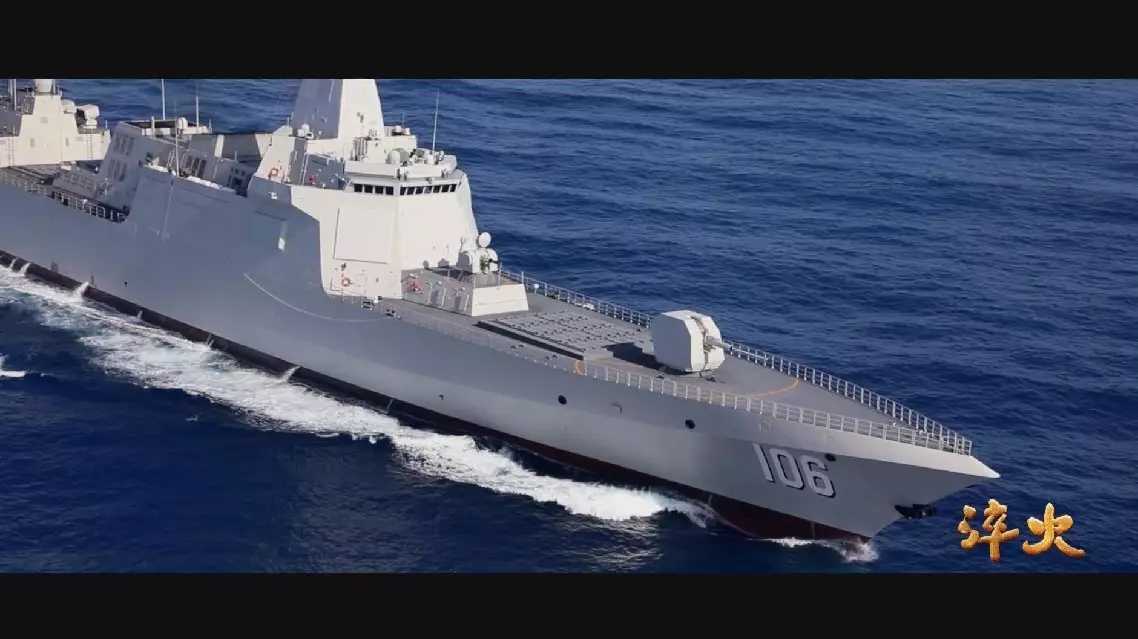
Chinese navy's destroyer conducts electronic warfare exercise in waters east of Taiwan Island
Pan Gongsheng, governor of the People's Bank of China, China's central bank, said Monday that the central bank will join with other financial authorities to introduce a number of policy measures.
These include establishing a liquidity support facility to address large-scale redemptions by non-bank institutions, expanding the range of institutions eligible for the Standing Lending Facility, and promoting connectivity between the interbank and exchange bond markets.
Other policy measures to be introduced include pilot measures to facilitate foreign financial institutions' RMB purchase and sale business in the onshore foreign exchange market, and issuing guidelines regarding financial support for building international science and technology innovation centers in Beijing (Beijing-Tianjin-Hebei region), Shanghai (the Yangtze River Delta), and the Guangdong-Hong Kong-Macao Greater Bay Area, according to Pan.
Pan made the remarks while speaking at the opening ceremony of the Annual Conference of Financial Street Forum 2026 taking place from Oct. 19 to 22 in Beijing.
With a theme of "Building an Open Collaborative and Inclusive Ecosystem for Global Financial Development," this year's conference is expected to attract more than 400 prominent guests from over 40 countries and regions. The guests will participate in various activities, including the main forum, parallel forums, thematic conferences and side events.
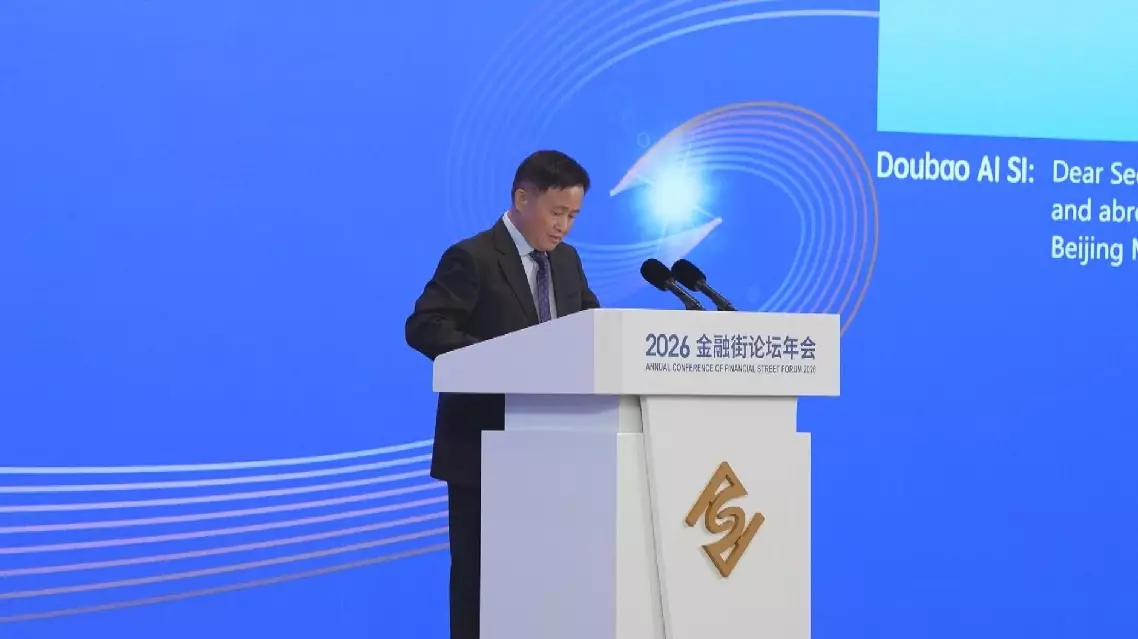
China's central bank to introduce a number of policy measures
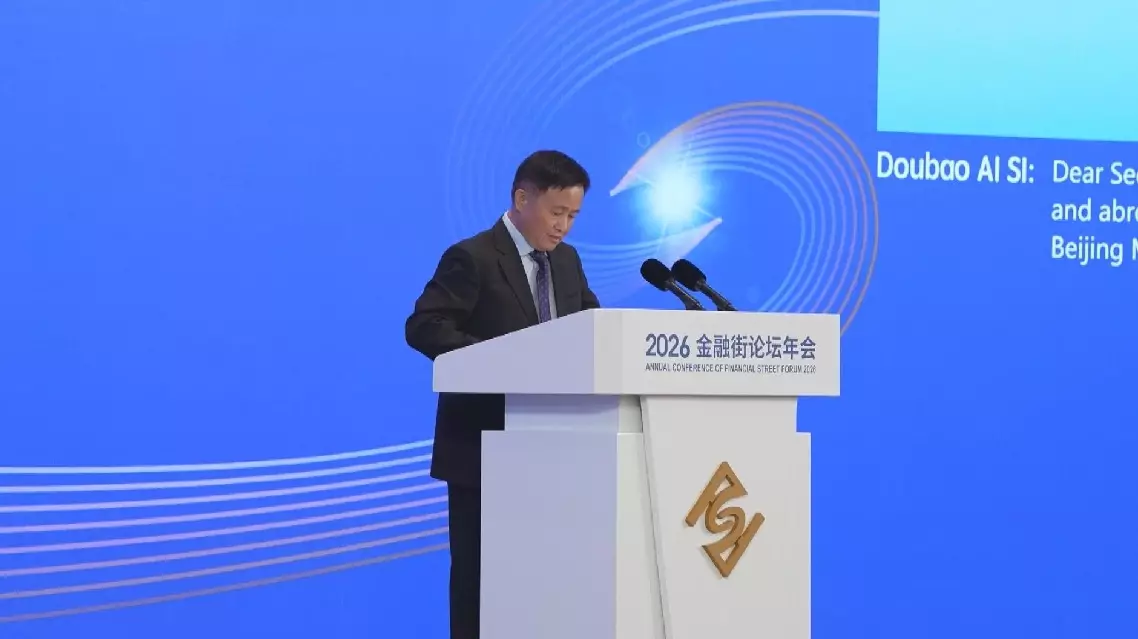
China's central bank to introduce a number of policy measures