Tens of thousands of Brazilians gathered at Rio de Janeiro’s mega-festival Rock in Rio on Friday, with many staking out spots of artificial grass all day to hear the headliner, Katy Perry. As her music keyed up, the enormous screens around the stage showed someone else in their bottom corners — a sign language interpreter.
The red-haired woman — with a chunky chain belt and a gem between her eyebrows — snapped her fingers and swayed, then pumped her arms as the beat gathered force.
Click to Gallery
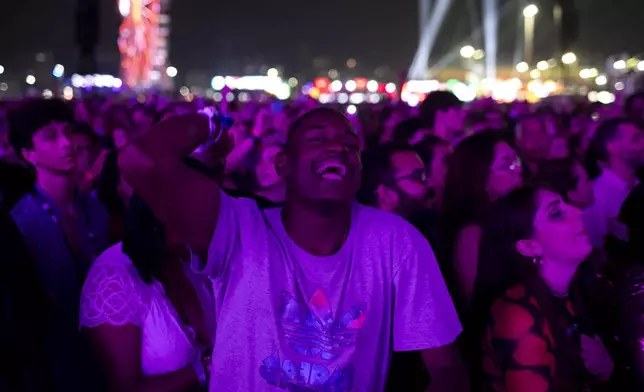
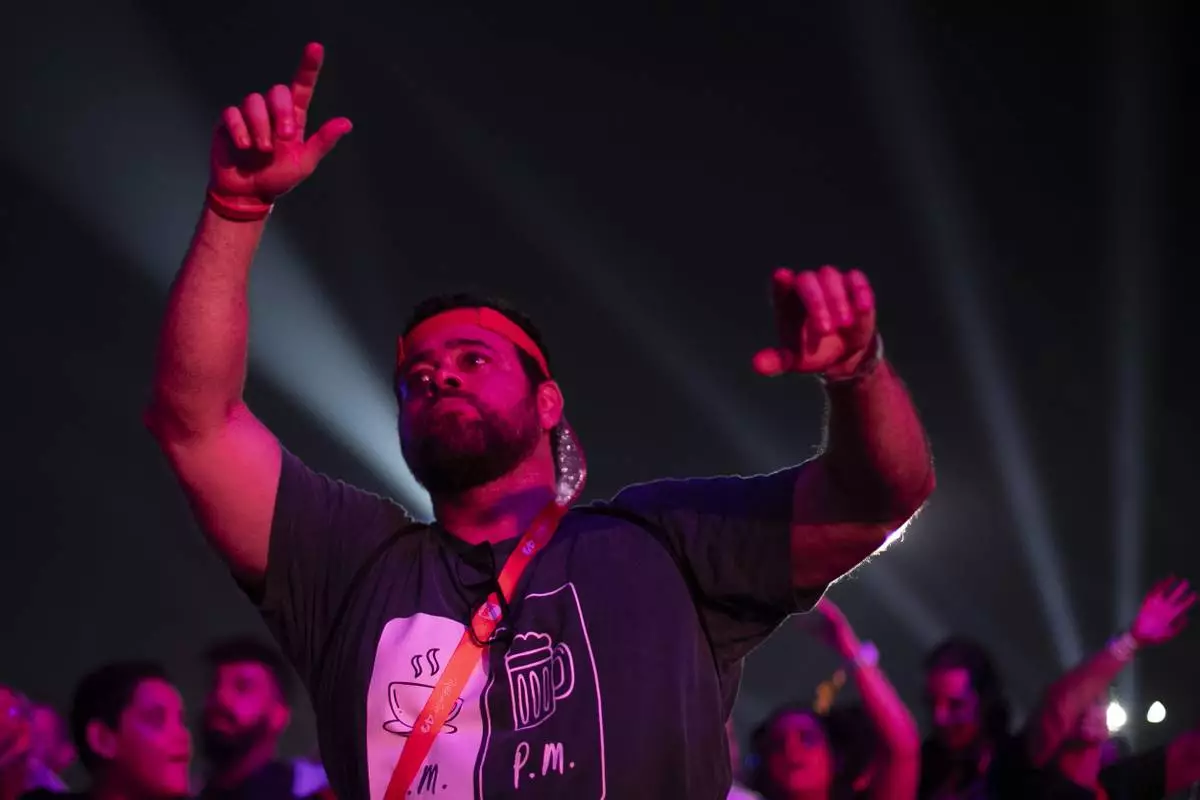
Henrique Miranda da Silva Martins, 24, who is deaf, reacts during a performance at the Rock in Rio music festival in Rio de Janeiro, Saturday, Sept. 21, 2024. (AP Photo/Bruna Prado)
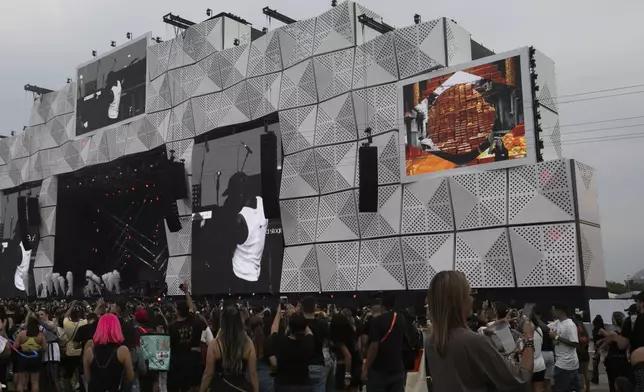
Sign language interpreter, top right, translates on a big screen during a performance by Brazilian singer Kayblack at the Rock in Rio music festival in Rio de Janeiro, Saturday, Sept. 21, 2024. (AP Photo/Bruna Prado)
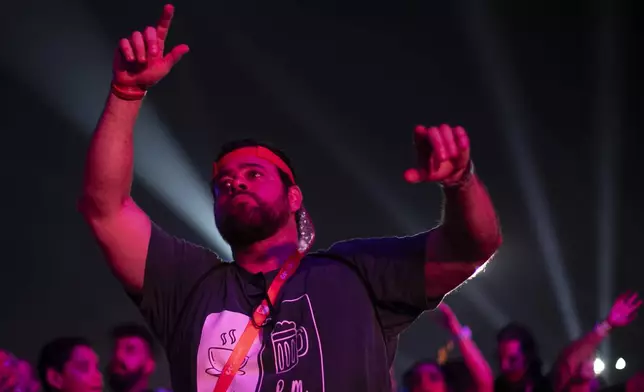
Diogo Soares Abdulmassih, 48, who is deaf people, watches Brazilian singer Zeca Baleiro performs at the Rock in Rio music festival in Rio de Janeiro, Saturday, Sept. 21, 2024. (AP Photo/Bruna Prado)
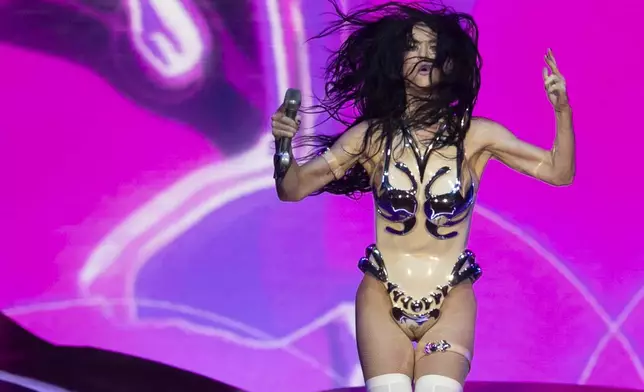
Katy Perry performs during the Rock in Rio music festival in Rio de Janeiro, Saturday, Sept. 21, 2024. (AP Photo/Bruna Prado)
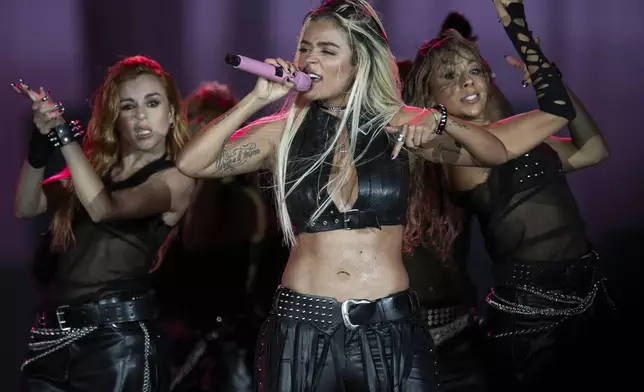
Colombian singer Karol G performs during the Rock in Rio music festival in Rio de Janeiro, Friday, Sept. 20, 2024. (AP Photo/Bruna Prado)
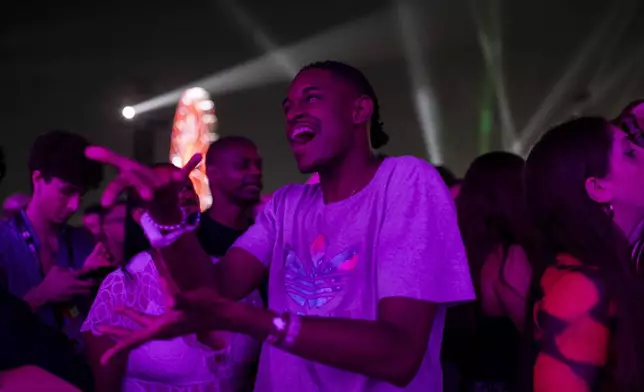
Henrique Miranda da Silva Martins, 24, who is deaf, reacts during a performance at the Rock in Rio music festival in Rio de Janeiro, Saturday, Sept. 21, 2024. (AP Photo/Bruna Prado)
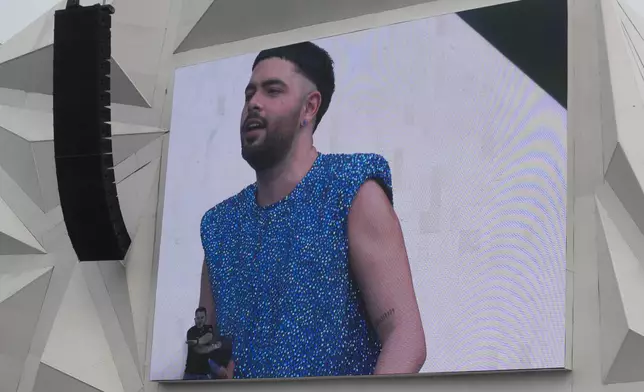
Sign language interpreter Adriano Romin, bottom left, translates on a big screen during a performance by Brazilian singer Pedro Sampaio at the Rock in Rio music festival in Rio de Janeiro, Thursday, Sept. 19, 2024. (AP Photo/Bruna Prado)
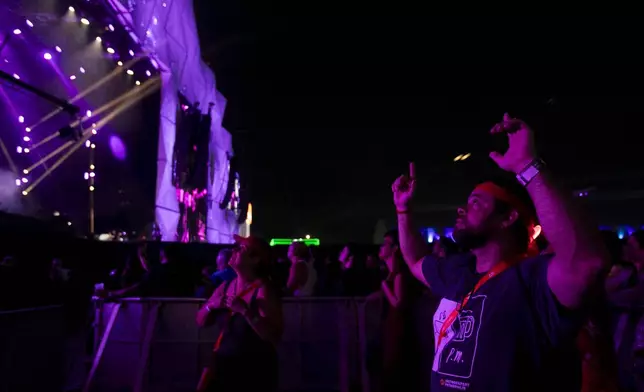
Diogo Soares Abdulmassih, 48, who is deaf, watches Brazilian singer Zeca Baleiro perform at the Rock in Rio music festival in Rio de Janeiro, Saturday, Sept. 21, 2024. (AP Photo/Bruna Prado)
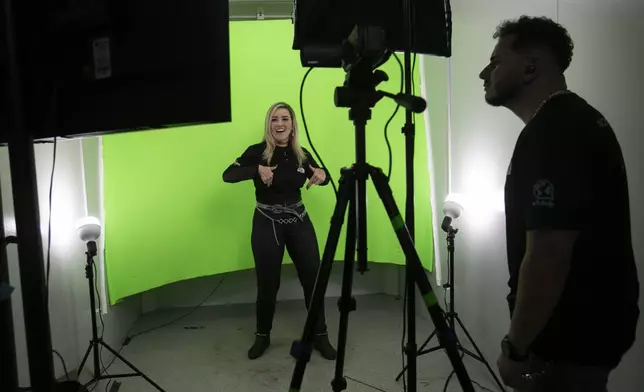
Interpreter Adriana Lopes speaks sign language in a studio inside a shipping container for a performance by Brazilian singer Pedro Sampaio at the Rock in Rio music festival in Rio de Janeiro, Thursday, Sept. 19, 2024. (AP Photo/Bruna Prado)
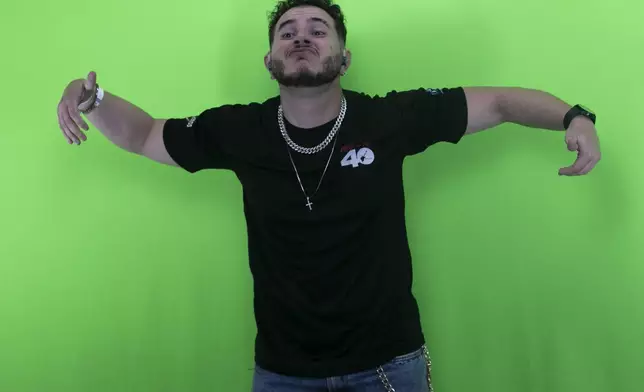
Interpreter Adriano Romin speaks sign language in a studio inside a shipping container for a performance by Brazilian singer Pedro Sampaio at the Rock in Rio music festival in Rio de Janeiro, Thursday, Sept. 19, 2024. (AP Photo/Bruna Prado)
“It seems like I’m on stage with her, in front of everyone,” the interpreter, Laísa Martins, told the Associated Press afterward. And as Katy Perry belted out her first verse, Martins started signing.
Rock in Rio is featuring sign language interpreters on its big screens for the first time in its 40-year history. It’s one of Latin America’s biggest festivals, drawing 100,000 people a day over seven days, and Sunday is its last day.
Inside a container backstage, interpreters sign in front of a green screen, with their images appearing above the stage to ensure deaf people across the thronging crowd can follow. Organizers also invite dozens of deaf people and their companions into a VIP area, right by the stage and close enough to speakers to feel the music pulsing through their bodies.
Interpreters have started popping up at festivals and concerts across Brazil in recent years. Their sudden ubiquity stems from Brazil’s ambitious 2015 inclusion law that sought to put the country at the global forefront of accessibility and, among other things, established that people with disabilities have the right to access cultural events while guaranteeing organizers provide means of doing so.
Some interpreters have drawn the spotlight themselves with their flair and flashy dress, gaining thousands of social media followers. Demand for them is surging so much that many start working before even finishing their education, said Lenildo Souza, president of the nationwide federation of sign language interpreters’ associations.
In Brazil, 2.3 million people are partially or completely deaf, according to the national statistics institute. But fewer than two-thirds of those who are completely deaf know how to use Brazilian sign language, and far less among those with some hearing. That’s because people opt for cochlear implants, learn only lip-reading, or go deaf later in life, said Souza.
As such, subtitles could be more effective at transmitting lyrics; Colombian singer Karol G sang so quickly at times Friday night that some words were lost on Amorim, who isn’t fluent in Spanish. But Amorim said interpreters convey more than just lyrics of songs, which they study intensively ahead of the show. They dance to the rhythm and pull faces to transmit the music’s energy and emotion — be it euphoria, rage, mystery or sensuality. That pumps up the crowd, deaf and hearing people alike.
“We express the whole idea of the song with our expressions, with our body. We want to express the entire musical context and use literally our entire body,” said Amorim, whose older sister is deaf. “Our feet are cut off there (on the screen), but during samba songs, we’re dancing samba. It’s just like that.”
Rock in Rio is already one of the most accessible festivals for deaf people in the world, said Thiago Amaral, its coordinator of plurality. Still, his team is working to innovate, and future editions could include vibrating platforms or a product similar to the vibrating vests they tested last year, he said. This year was also the first that Rock in Rio offered audio description earpieces for those with limited vision.
One of the deaf people at Rock in Rio on Friday was Henrique Miranda Martins, 24. His whole family is big into music, especially samba — his uncles play the four-string cavaquinho and pandeiro, a handheld frame drum — and he was always around it growing up. But Martins can hear little from his right ear and nothing from his left, so could never fully connect or participate.
Last year, he went to his first-ever concert with sign language interpreters, Coldplay, and it became his favorite band — even before its single whose official video features people signing. Then Martins went to the Lollapalooza festival in Sao Paulo. And last week he traveled from Sao Paulo to party with his parents at Rock in Rio.
He was most hyped to see Brazilian singer Iza on Friday, and waited to enter the special section by the stage. Iza started playing, just off to his left, but he faced the opposite direction, watching her on the screen with an interpreter in its corner. He danced and signed along with the interpreter, often in synchrony.
“I can follow the interpreter and I’m very happy to be able to feel the music and live this experience,” Martins said, speaking through an interpreter. “For deaf people, it’s very important. We can’t be outside this here. We need to be inside, with accessibility, together with everyone participating in everything. I’m very happy.”
Rock in Rio’s camera scanning the crowd found Martins vibing and locked in. For a few seconds, he was up on the big screen for everyone to see, smiling wide with his head thrown back and shaking both hands in the air — the sign for applause.
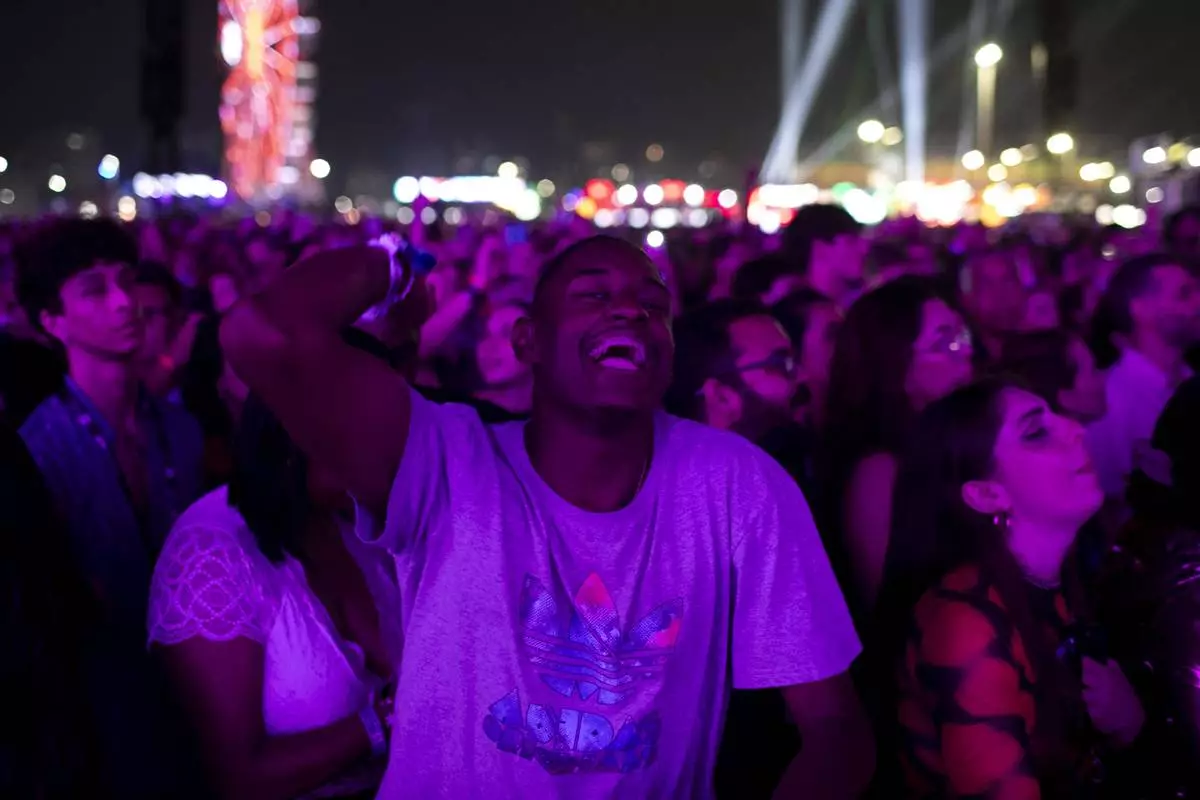
Henrique Miranda da Silva Martins, 24, who is deaf, reacts during a performance at the Rock in Rio music festival in Rio de Janeiro, Saturday, Sept. 21, 2024. (AP Photo/Bruna Prado)
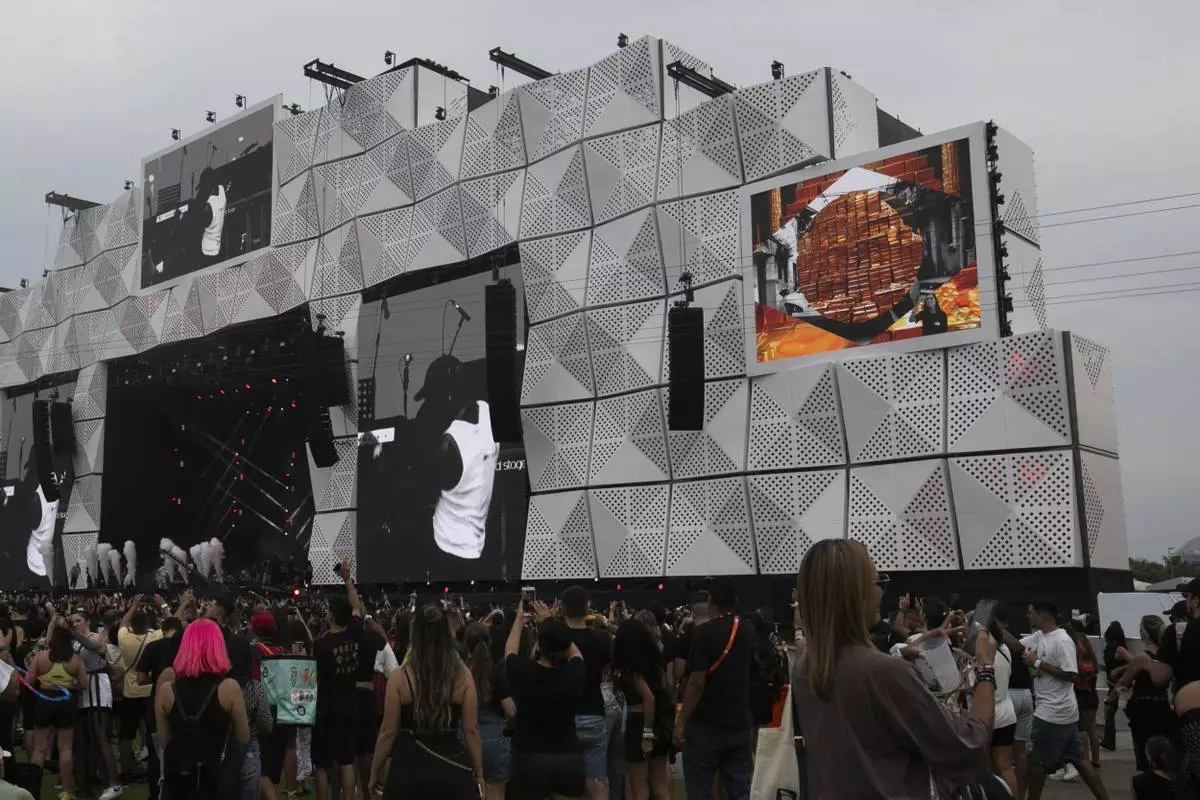
Sign language interpreter, top right, translates on a big screen during a performance by Brazilian singer Kayblack at the Rock in Rio music festival in Rio de Janeiro, Saturday, Sept. 21, 2024. (AP Photo/Bruna Prado)
Diogo Soares Abdulmassih, 48, who is deaf people, watches Brazilian singer Zeca Baleiro performs at the Rock in Rio music festival in Rio de Janeiro, Saturday, Sept. 21, 2024. (AP Photo/Bruna Prado)
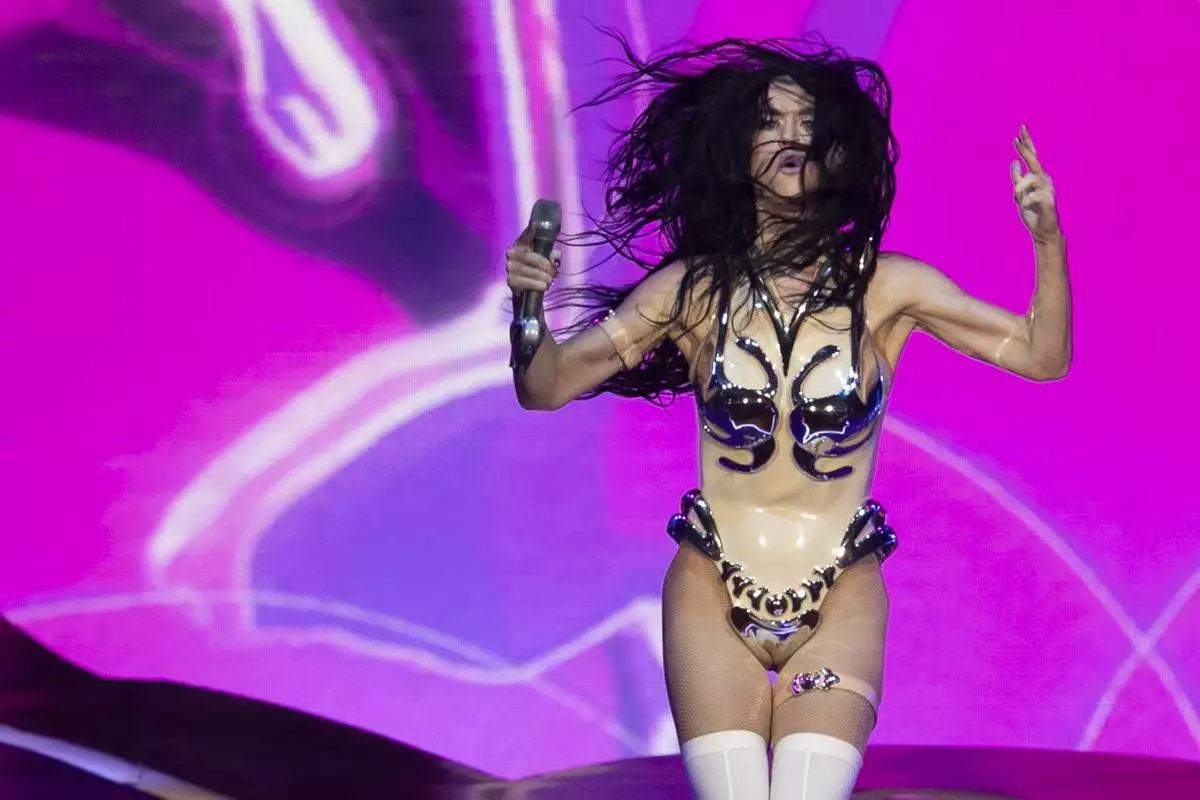
Katy Perry performs during the Rock in Rio music festival in Rio de Janeiro, Saturday, Sept. 21, 2024. (AP Photo/Bruna Prado)
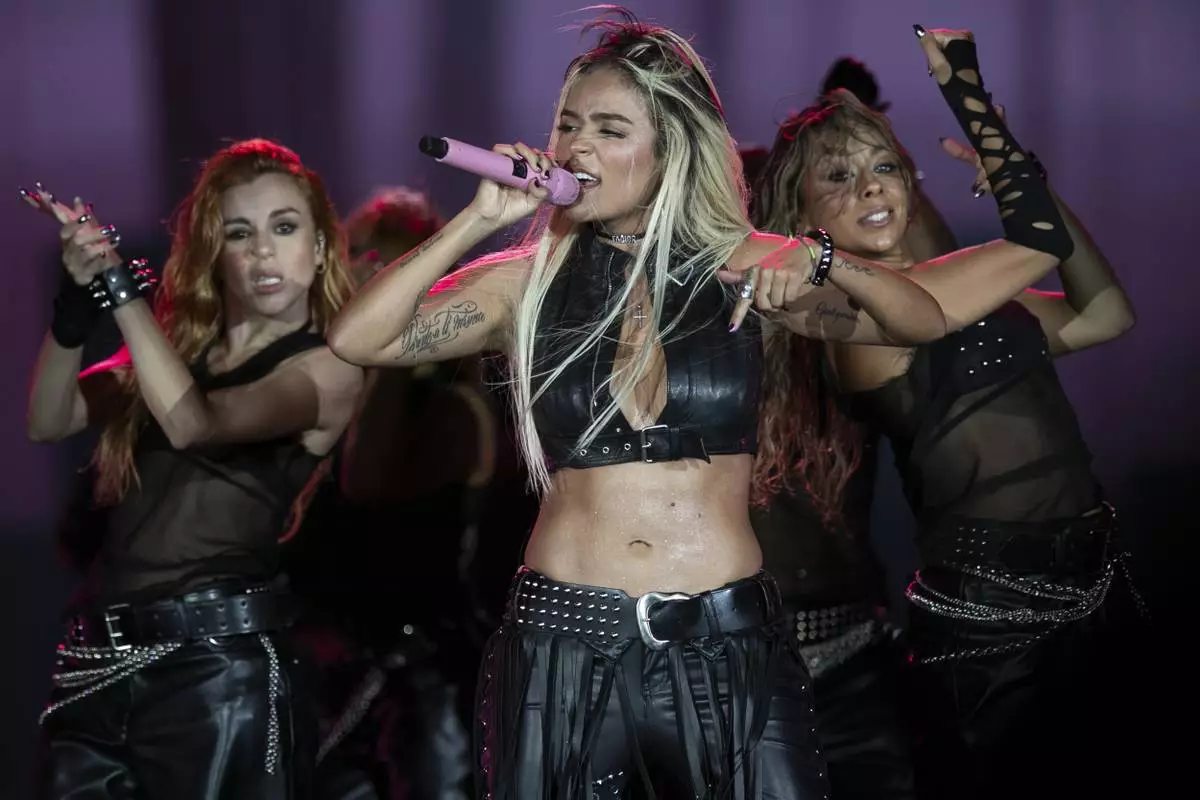
Colombian singer Karol G performs during the Rock in Rio music festival in Rio de Janeiro, Friday, Sept. 20, 2024. (AP Photo/Bruna Prado)
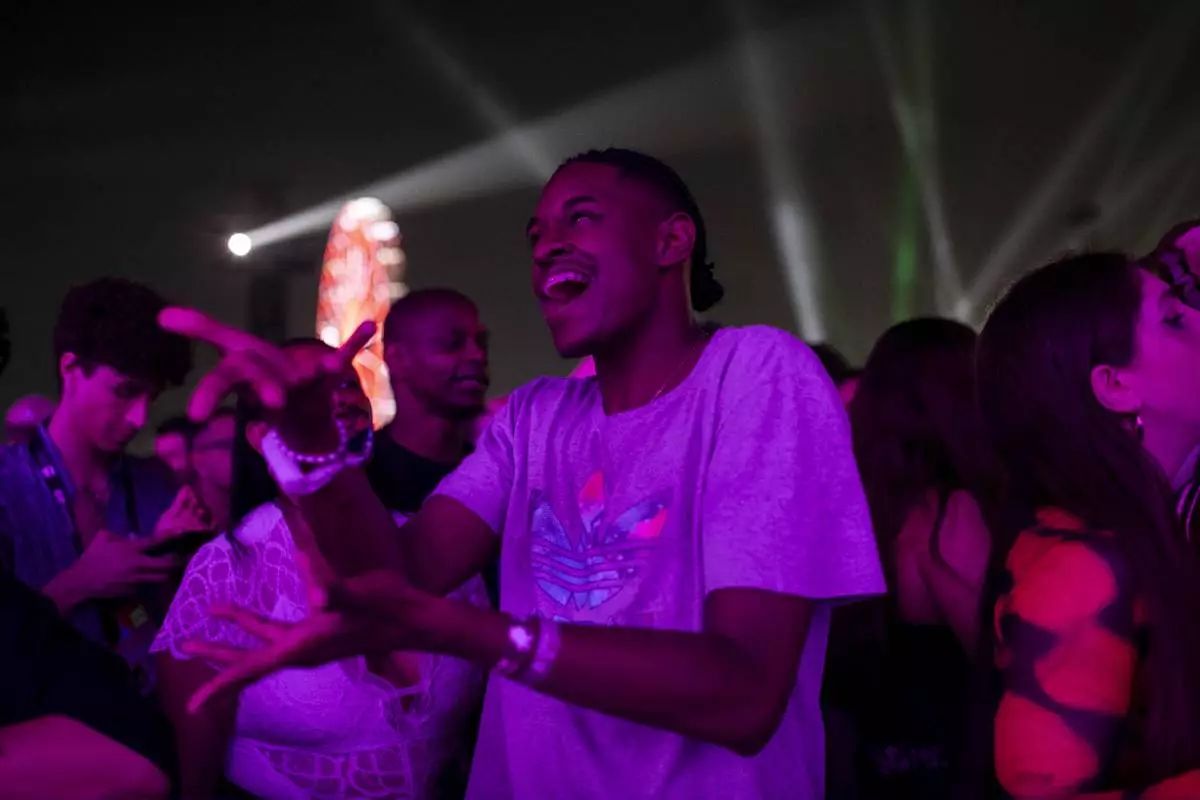
Henrique Miranda da Silva Martins, 24, who is deaf, reacts during a performance at the Rock in Rio music festival in Rio de Janeiro, Saturday, Sept. 21, 2024. (AP Photo/Bruna Prado)
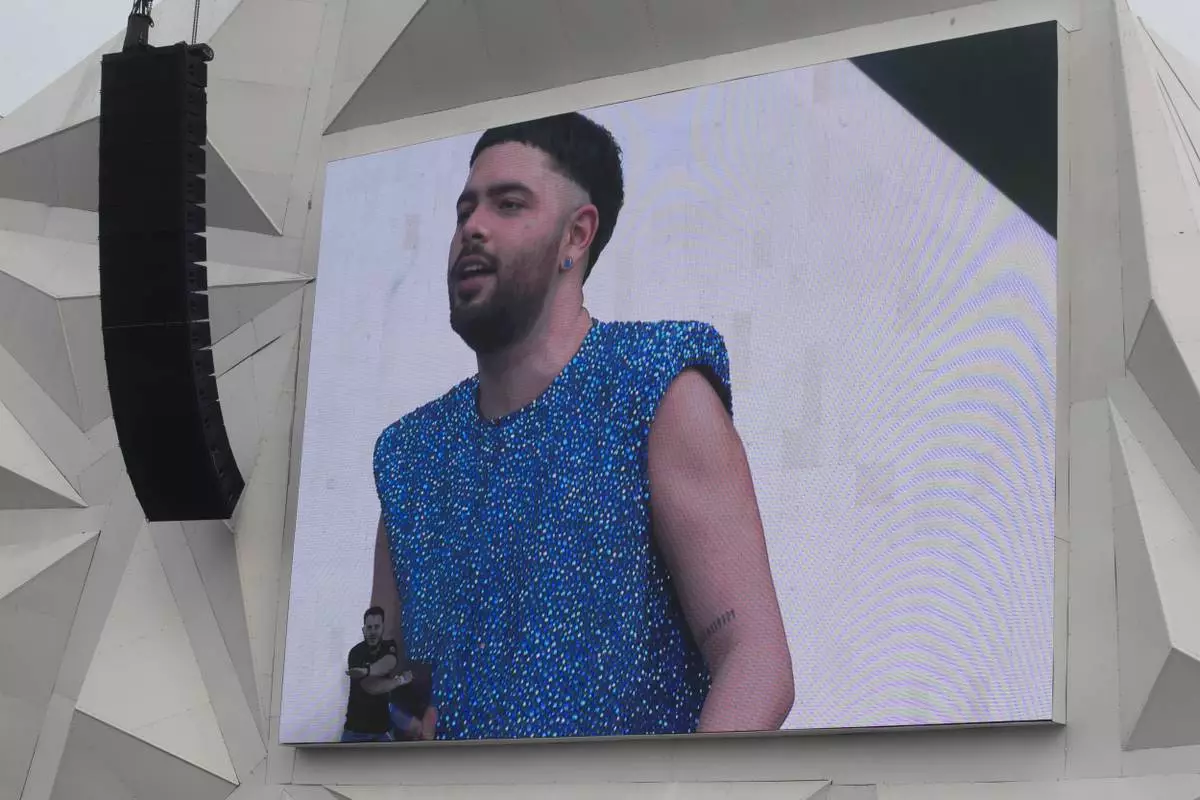
Sign language interpreter Adriano Romin, bottom left, translates on a big screen during a performance by Brazilian singer Pedro Sampaio at the Rock in Rio music festival in Rio de Janeiro, Thursday, Sept. 19, 2024. (AP Photo/Bruna Prado)
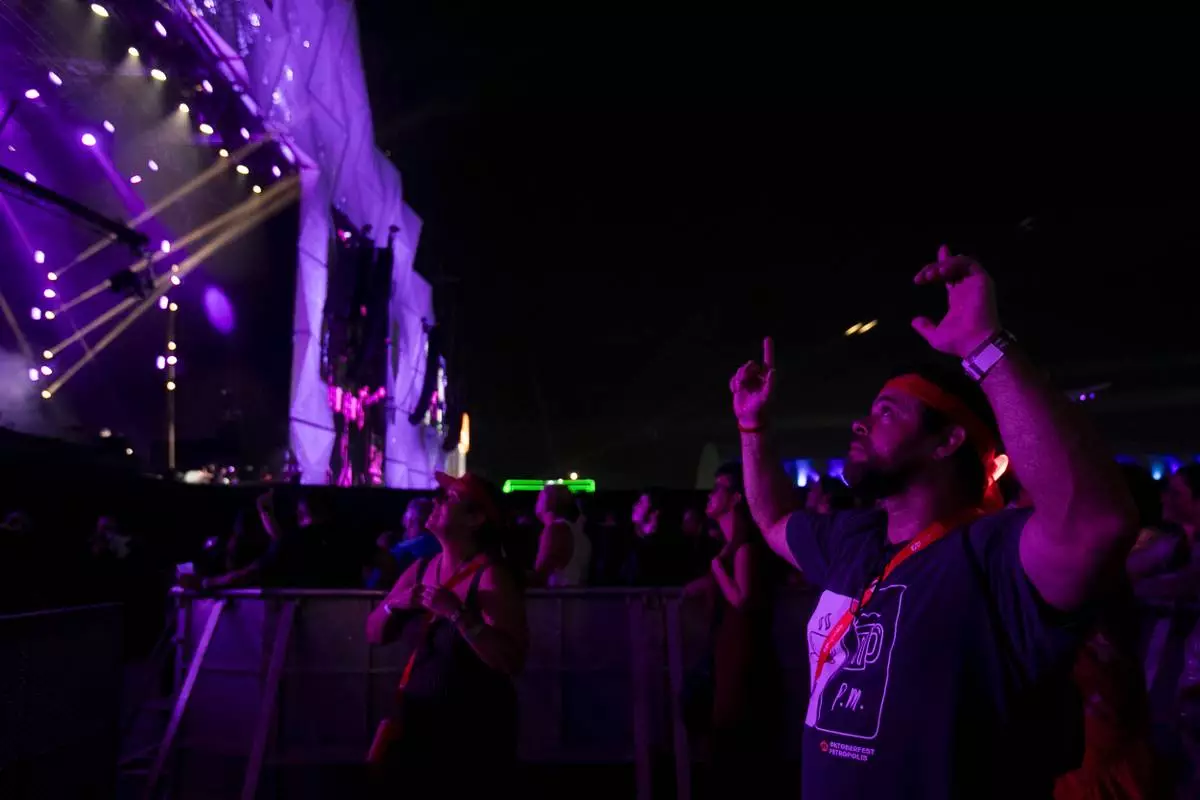
Diogo Soares Abdulmassih, 48, who is deaf, watches Brazilian singer Zeca Baleiro perform at the Rock in Rio music festival in Rio de Janeiro, Saturday, Sept. 21, 2024. (AP Photo/Bruna Prado)
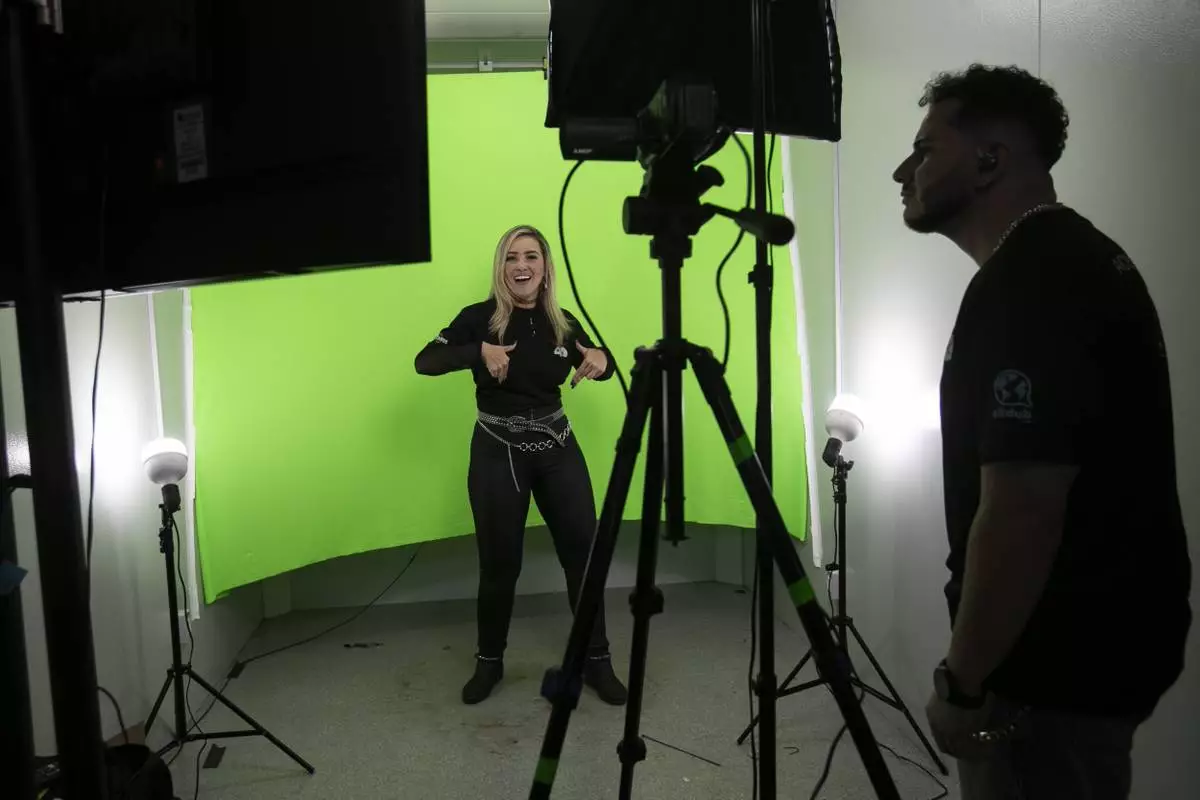
Interpreter Adriana Lopes speaks sign language in a studio inside a shipping container for a performance by Brazilian singer Pedro Sampaio at the Rock in Rio music festival in Rio de Janeiro, Thursday, Sept. 19, 2024. (AP Photo/Bruna Prado)
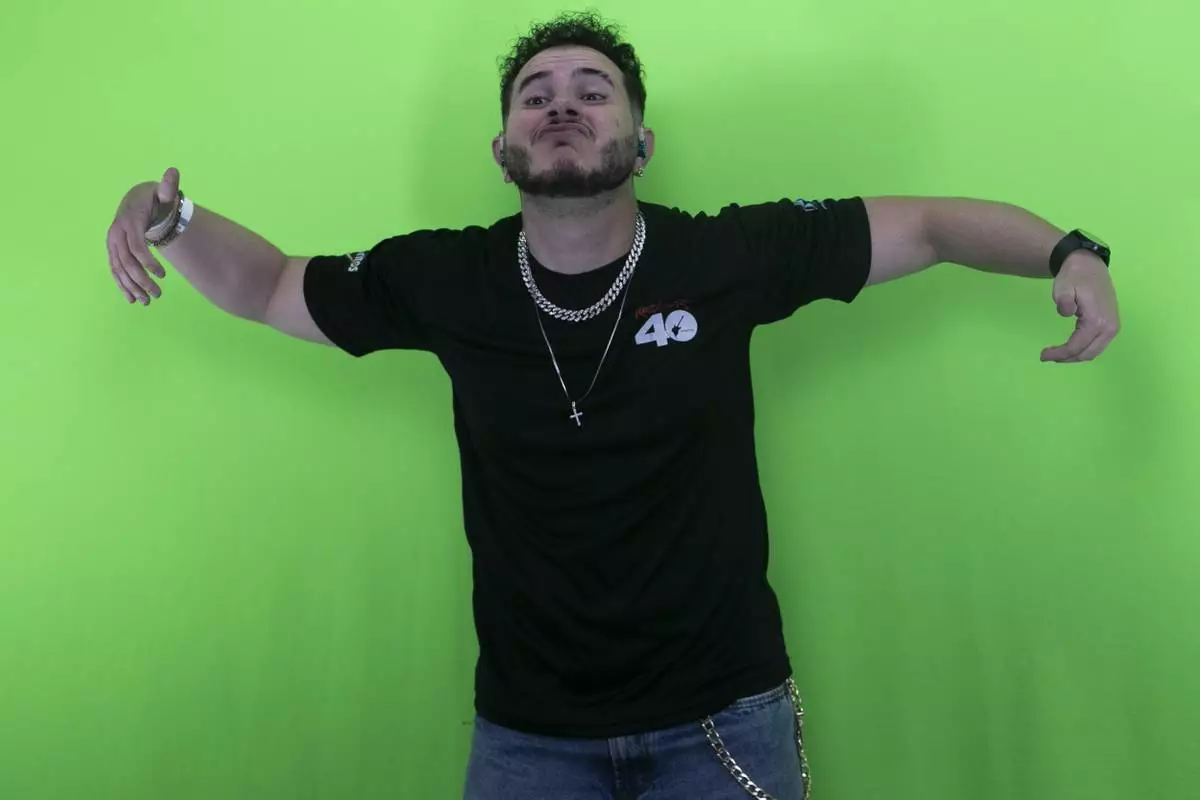
Interpreter Adriano Romin speaks sign language in a studio inside a shipping container for a performance by Brazilian singer Pedro Sampaio at the Rock in Rio music festival in Rio de Janeiro, Thursday, Sept. 19, 2024. (AP Photo/Bruna Prado)