China's robust biodiversity conservation efforts, achieved through cooperation and exchanges among experts and institutions at home and abroad, have turned the Shennongjia Nature Reserve in central China's Hubei Province into an ideal habitat with a vibrant ecosystem for numerous rare and endangered wildlife species, including golden snub-nosed monkeys.
Shennongjia is one of the country's three major biodiversity centers and was included on the UNESCO World Heritage List in 2016.
Muhammad Zaman, a doctoral student from Pakistan studying at the College of Forestry of Central South University of Forestry and Technology, has been conducting research in the nature reserve for about nine months. His research focuses on the urine of golden snub-nosed monkeys, a rare and endangered species unique to China under national first-class protection.
"I love monkeys and want to protect them. For me, it's not just words, but action. I've been working hard to collect and study their urine samples to check their health conditions. It contributes to the thesis I'm writing," Zaman said.
The golden snub-nosed monkey, a signature wildlife species of Shennongjia, was once threatened by a shrinking and fragmented habitat that had suffered severe destruction due to large-scale deforestation.
To restore the ecosystem of Shennongjia, local authorities have consistently enhanced the diversity and stability of the nature reserve's ecosystem and comprehensively promoted the systematic management of mountains, rivers, forests, fields, lakes, and grasslands over the years. The quality of the ecological environment in Shennongjia has continued to improve, with the forest coverage rate remaining stable at 91.12 percent.
Zaman expressed admiration for China's efforts in protecting the nature reserve and its rare and endangered wildlife.
"China has done a great job in protecting its wildlife. I've seen people working hard to protect Shennongjia. So, I believe the species of golden snub-nosed monkeys will thrive in the nature reserve," he said.
Chinese experts have been observing and researching golden snub-nosed monkeys in Shennongjia for nearly two decades.
Thanks to their dedication to the rare wildlife species, the golden snub-nosed monkeys' population has increased to over 1,600 -- triple the number in 1990 -- and their habitat has nearly doubled compared to 20 years ago.
According to experts, Shennongjia holds significant ecological value due to its rich biodiversity. Its diverse ecosystems promote genetic diversity and resilience to climate change. Local authorities have also implemented multiple measures to conserve the nature reserve's unique environment.
"Taking into full consideration the integrity and authenticity of (Shennongjia's) ecosystem, we have implemented coordinated management in various protected areas, along with grid-based zoning and hierarchical governance. Regulations on the protection of Shennongjia have been launched alongside innovative initiatives. Cooperation and exchanges at home and abroad have been strengthened, including partnerships with the United Nations Environment Program, the Global Environment Facility, universities, and research institutions," said Xue Hong, chief engineer of the nature reserve's management bureau.
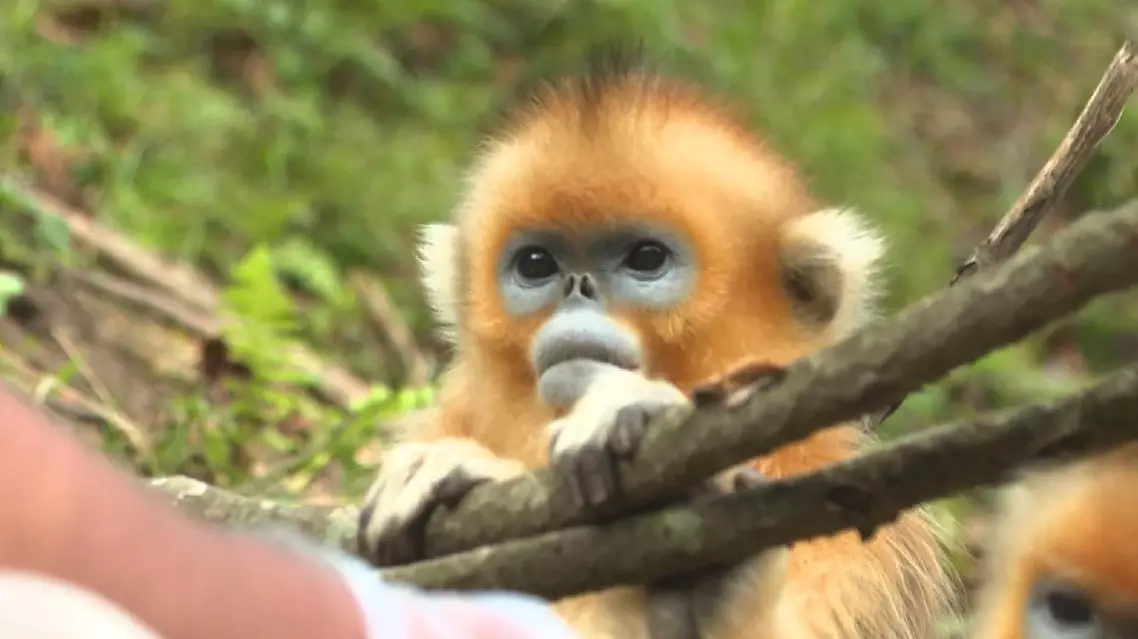
Shennongjia becomes paradise for rare wildlife thanks to conservation efforts
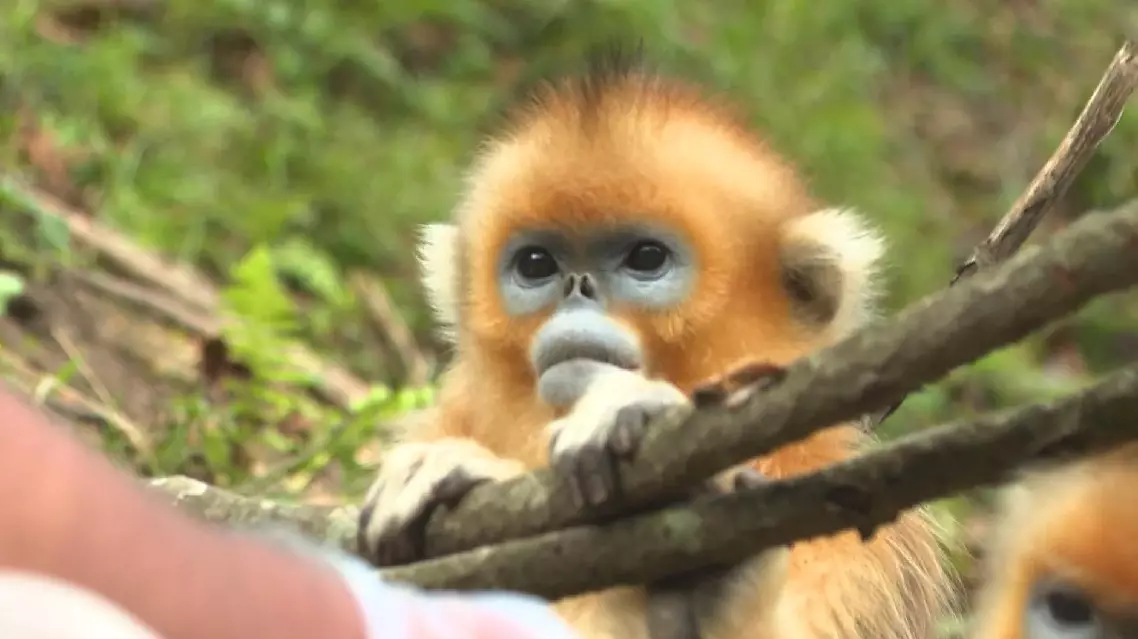
China turns Shennongjia Nature Reserve into paradise for rare wildlife