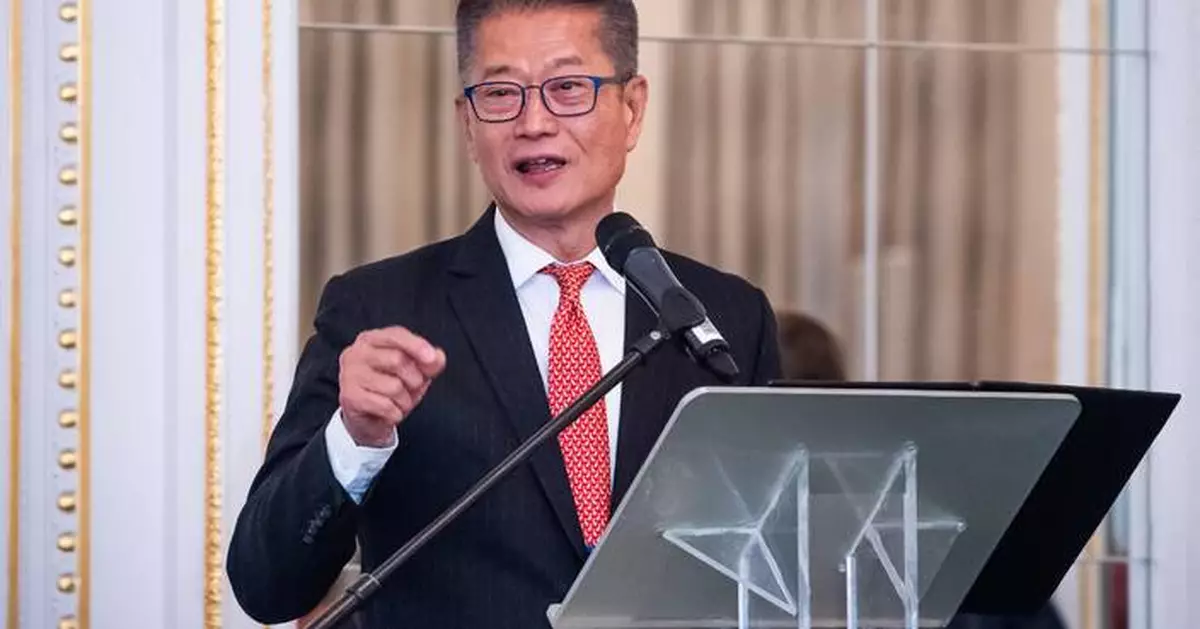
Speech by FS at Hong Kong Association Luncheon in London(with photos/video)
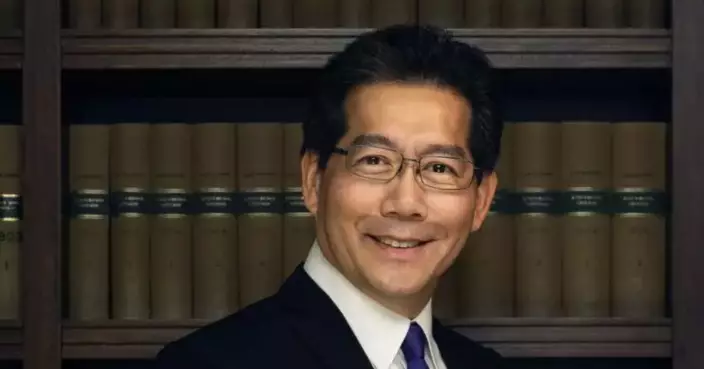
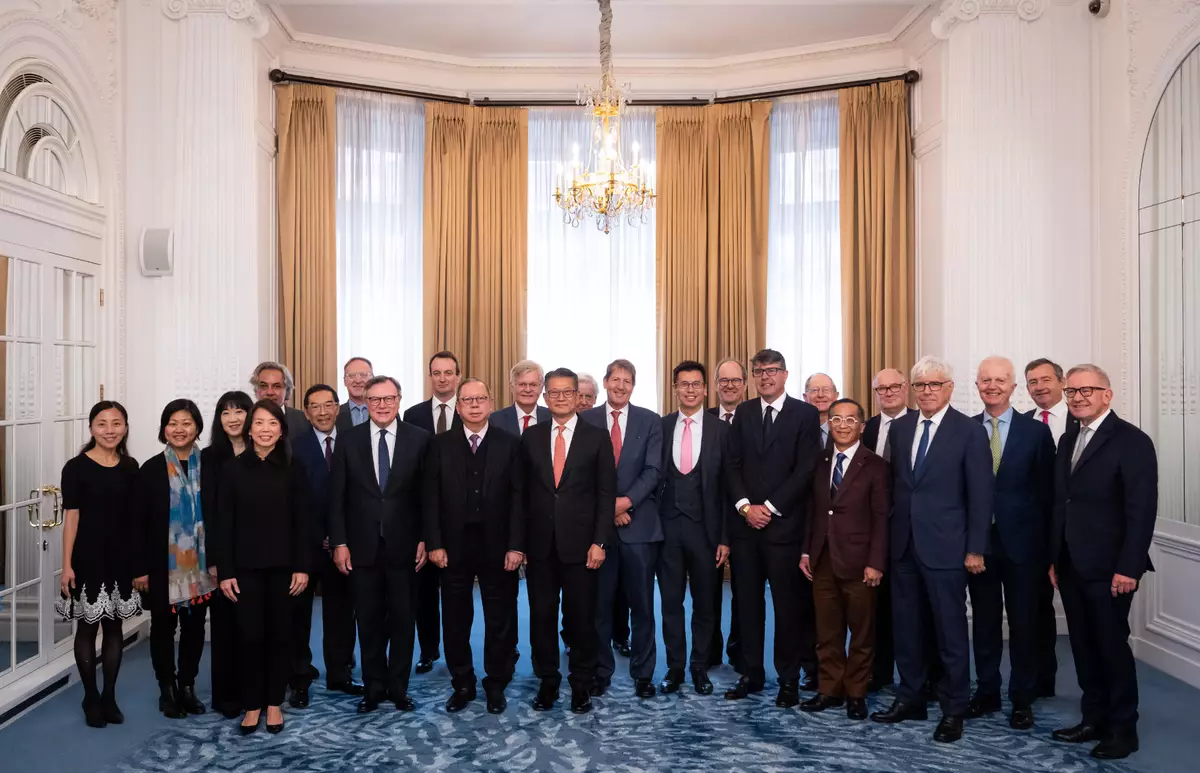
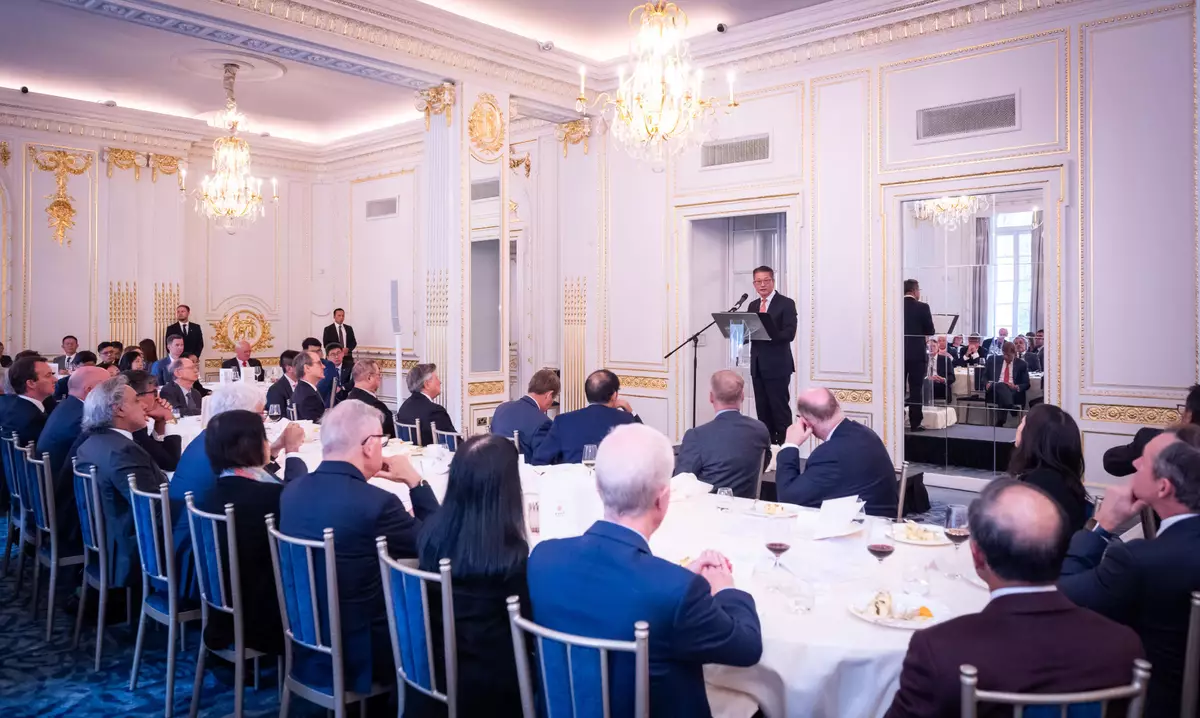
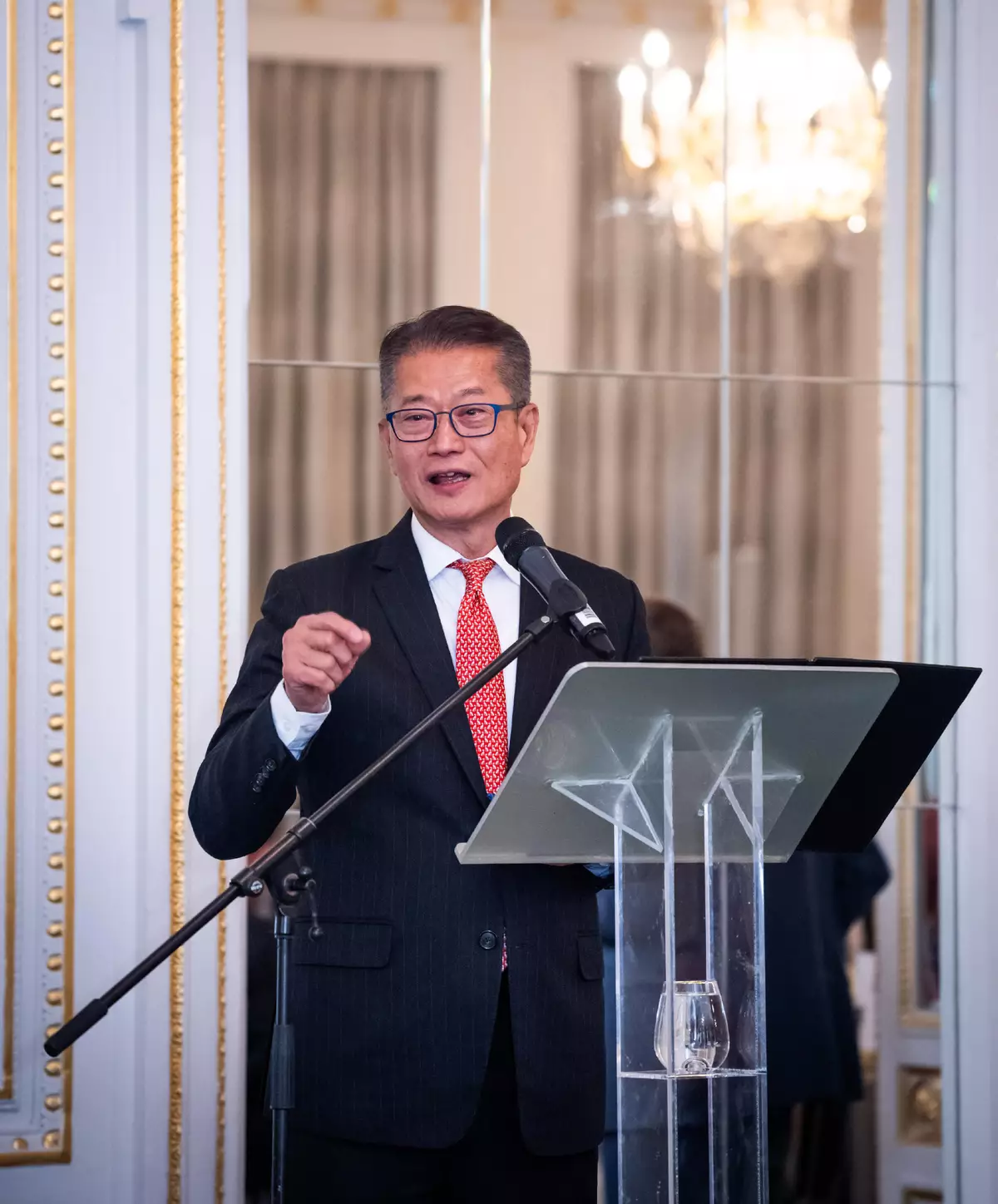
Following is the speech by the Financial Secretary, Mr Paul Chan, at the Hong Kong Association Luncheon in London, the United Kingdom, today (September 27, London time):
Adrian (Chairman of the Hong Kong Association, Mr Adrian Cartwright), members of the Hong Kong Association, ladies and gentlemen, friends of Hong Kong all,
Good afternoon. I'm delighted to join you, once again, over a welcome lunch.
The one consistent theme of my trip, first to Spain, now in London, has been the many speaking occasions.
Last night's Hong Kong Dinner was truly splendid and savory, and now I'm pleased to speak to the Hong Kong Association - thank you for the privilege - because you are very much invested in Hong Kong.
I'm always pleased to speak at such times, especially when the topic is Hong Kong, and particularly to an audience as invested in Hong Kong as you are.
The state of Hong Kong's economy
I have much to share, but let me start with a quick update on Hong Kong's economy.
Last year, our GDP grew by 3.3 per cent as we recovered from the pandemic, and we achieved 3per cent growth in the first half of this year.
The three main drivers fueling our economic growth are: exports, investments, and private consumption. Goods exports have seen significant growth, with Hong Kong serving as a major re-export hub for the Mainland, rising by over 7per cent in the first half of the year.
For exports of services, tourism remains a key component. It is steadily recovering, with around 30 million visitors in the first eight months of this year, an increase of 44per cent compared to last year. We expect 46 million visitors for the whole of 2024.
With improving economic and business prospects, but amid complex external environment, investment, from both the public and private sectors, expanded by more than 3per cent in the first half of this year.
Private consumption has been bumpy. It is challenging given changes to the spending patterns of tourists and our residents.
Our stock market remains one of Asia's leading exchanges, with a capitalisation in excess of 3 trillion pounds - 11 times our GDP. The measures announced, earlier this week by the Central Authorities to cut rates, reduce reserve requirement ratios and provide more support to the property sector - is boosting market confidence. The effects are already visible on Hong Kong's stock market, with record high transactions! Before that, the China Securities Regulatory Commission announced measures in April 2024 that would encourage leading Mainland enterprises to list in Hong Kong.
Residential property market prices have fallen by over 6per cent from the end of last year to August this year - and more than 25per cent compared to its peak in September 2021. We know property market is an important pillar to any economy, so we remain vigilant, and has been monitoring the market closely. So far, our assessment is that it has been an orderly adjustment.
This February, we removed all the demand-side management measures for the residential property market. Overall, the property market is now stabilising.
The commencement of the monetary easing cycle by the Federal Reserve will provide support to both the economy and the property sector.
Currently, inflation is at around 1per cent, and unemployment is lying low, at just 3per cent.
Overall, we expect Hong Kong to grow between 2.5per cent to 3.5per cent this year.
Looking into the future, our economic development will be heading in eight discrete directions: internationally, as finance, trade, shipping, aviation and innovation and technology centres; and, regionally, as Asia Pacific's legal and dispute resolution centre and intellectual property trading centre. We are committed, too, to becoming the East-meets-West centre for international cultural exchange.
Allow me now to highlight two of them: financial services and innovation and technology.
Let me start with financial services. Besides traditional areas that we are good at, we are working to become an international green finance and green technology hub.
Green and Sustainable Finance
Green transition is a global agenda, bringing along responsibilities and opportunities.
Hong Kong has established a clear roadmap to achieve carbon neutrality by 2050, while reducing emissions by 50per cent by 2035 from our 2005 levels.
We are taking a multi-pronged approach to realise this goal by addressing emission sources: first, achieving net-zero electricity generation by phases; second, enhancing energy efficiency in buildings through the promotion of green building practices; third, promoting green transport, particularly electric vehicles; and fourth, reducing waste.
Indeed, the Hong Kong SAR Government (Hong Kong Special Administrative Region Government) will invest more than 20 billion pounds in the next 15 to 20 years to implement climate change mitigation and adaptation measures.
However, the International Energy Agency has projected that the global energy transition finance gap will reach $3 trillion a year by 2030 and rise to $4.5 trillion a year by 2040.
Hong Kong is Asia's No. 1 for green finance: for instance, we issue, over the past three years, 48 billion pounds of green bonds and debts per year on average, accounting for one-third of Asia's market. But there is much more that we can achieve.
One is on green standards. Earlier this year, the Hong Kong Monetary Authority released the Hong Kong Green Taxonomy (Hong Kong Taxonomy for Sustainable Finance), which is compatible with the Common Ground Taxonomy developed by China and the EU (European Union), to assist the financial sector in assessing the "greenness" of projects.
Similarly, the Hong Kong Stock Exchange also impose ESG (environmental, social and governance) disclosure requirements for listed entities.
Just a few days ago, the Hong Kong Institute of Certified Public Accountants released the draft financial reporting standards which it plans to implement in August next year. The proposed Hong Kong standards follow those issued by the International Sustainability Standards Board, ISSB.
In the realm of green tech, start-ups are a powerhouse for many green innovative solutions, fully reflecting our younger generation's passion for the environment and a sustainable future.
You might have met the delegation of start-ups from the Hong Kong Science Park and Cyberport who are with me on this trip to the United Kingdom. Some of them are engaged in green tech, and while others are engaged in different fields, but they share a common goal: to change people's lives for the better.
We are working to attract more green start-ups in our innovation ecosystem.
By the way, our Science Park annually organises an elevator pitch competition where the start-ups have to sell their ideas in just 60 seconds in the lift of Hong Kong's tallest skyscraper. The winner this year is from Munich seeking to establish a lithium battery recycle plant.
Innovation and Technology
Let me now turn to innovation and technology. Our focus areas are: AI and big data analytics, biotech and health sciences, fintech and new energy and new materials.
The key success factor for the development of AI are algorithms, computing capabilities, data and use case scenarios. Under the "one country, two systems" arrangements, Hong Kong has unique advantages because we are the hub converging the Mainland and international data, and the Greater Bay Area provides us with ample use case scenarios.
In order to expedite the development of the eco-system of the aforementioned industries, we have set up the Hong Kong Investment Corporation, HKIC.
With six billion pounds at its disposal, the HKIC has a dual mandate.While it seeks financial returns, it also promotes the development of target industries that are crucial for the long-term competitiveness and economic vitality of Hong Kong. The HKIC serves as a tool for the Hong Kong SAR Government to invest and/or co-invest in enterprises, start-ups and important projects.
The HKIC is "patient capital". It has already initiated several strategic partnerships in the areas of hard tech, biotech and new energy.
What distinguishesthe HKIC from other sovereign funds is its investment approach to channel private capital into strategic industries through a collaborative approach, by bringing together like-minded private equity funds, venture capitalists, investors, and even entrepreneurs.
This is particularly important for start-ups, especially those with original and disruptive technologies because their development cycles are often long, and patient capital is crucial for their success.
Going forward, the HKIC will expand its collaboration with overseas partners to maximise impact. Next January, the HKIC will host a Roundtable for International Sovereign Wealth Funds, inviting sovereign wealth funds and financial leaders to explore investment opportunities and develop collaborative partnerships. In fact, this September, the HKIC also staged a Hong Kong Start-up Investment and Development Summit.
Ladies and gentlemen, I hope to leave ample time for questions, so I will conclude my remarks here. My sincere thanks, once again, to the Hong Kong Association for this welcome opportunity to speak to you.
I'm happy now to take your questions.
Thank you.
Speech by FS at Hong Kong Association Luncheon in London Source: HKSAR Government Press Releases
Speech by FS at Hong Kong Association Luncheon in London Source: HKSAR Government Press Releases
Speech by FS at Hong Kong Association Luncheon in London Source: HKSAR Government Press Releases