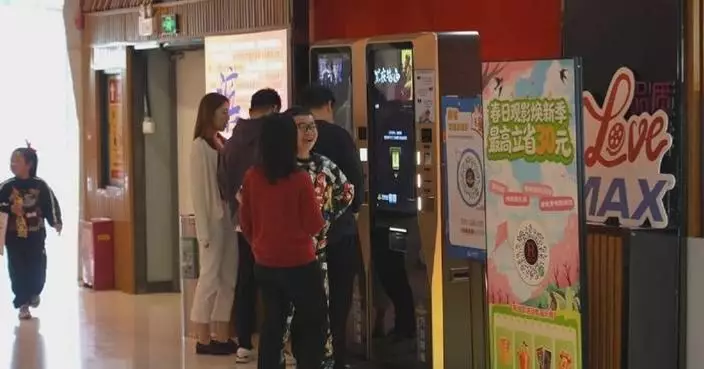
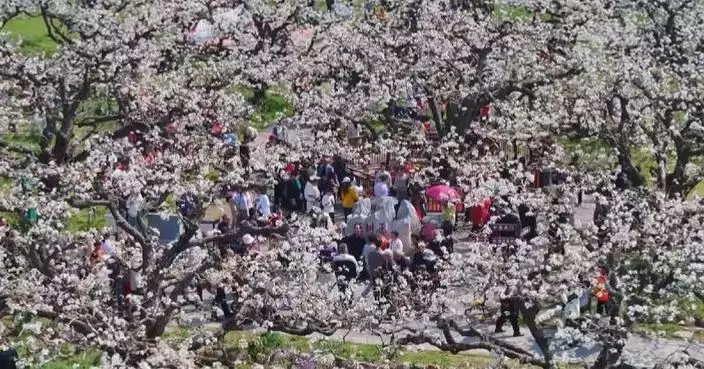
Chinese travelers are on the move in large numbers for the National Day holiday, which runs from Oct.1 to 7.
According to China State Railway Group, the national railway is expected to transport 175 million passengers during the National Day holiday, and the passenger flow is expected to reach a peak of more than 21 million on Tuesday.
The aviation sector will also see a travel peak from Monday evening to Tuesday, especially to popular destinations such as Chengdu, Shanghai, Guangzhou, Xi'an, and Sanya.
From Monday afternoon, road traffic started to increase and highway departments across the country have taken special measures to ensure safe and smooth travel during the week-long holiday.
During the holiday, long-distance cross-provincial road travel is expected to increase significantly, with passenger cars accounting for nearly 90 percent of vehicles on the road.
From Tuesday, small passenger cars with seven seats or less will be able to travel toll-free on roads nationwide. The average daily traffic volume on national highways during the National Day holiday is expected to top 60 million vehicles.
Transportation departments have also made full preparations for new energy vehicles, including increasing charging facilities along highways and roads around scenic spots.
A number of new expressways and renovated and expanded rural roads have also been opened in time for the holiday.
All 13 towns in Keshiketeng Banner in north China's Inner Mongolia Autonomous Region are now connected by roads, allowing visitors to experience the regions spectacular grassland scenery more conveniently.
In northeast China's Jilin Province, the road section passing major scenic spots along the Yanji-Changchun Expressway was opened to traffic on Monday. Together with the other two existing highways, the newly opened section provides travelers with a third self-driving option from the capital Changchun to the iconic tourist site at Changbai Mountain.
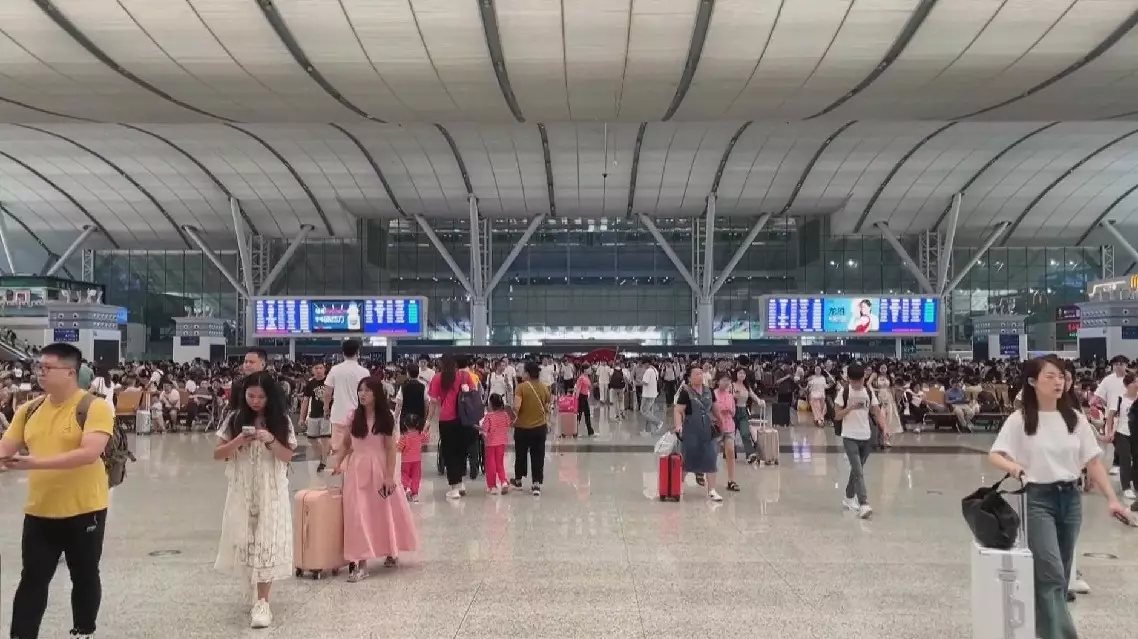
Chinese travelers on the move for National Day holiday
Axis powers during World War II should offer sincere reflection and apology, a Greek mayor said after Greece successfully repatriated a rare collection of 262 World War II-era photographs.
Greek officials traveled to Belgium to negotiate with the seller and brought the photographs back to Greece, after they were put up for sale online by a Belgian collector, said the Greek Culture Ministry.
The images were taken by Wehrmacht lieutenant Hermann Heuer, who served in Greece from 1943 to 1944, during World War II, and part of the collection documents the mass execution of Greek communists by Nazi troops in Kaisariani, east of Athens.
During World War II, German occupation in Greece met with fierce resistance. On May 1, 1944, German forces executed 200 Greeks at the Kaisariani firing range in retaliation for the killing of a German general by resistance fighters.
A memorial and a museum were set up after the war in Kaisariani to commemorate those who died in the mass execution.
"The photos really shocked us all because they were real documents from the day of the execution. We are shocked for many reasons. An important reason is that the 200 communists were singing with their heads held high before the execution in the photos, and they were not mourning because they were fighters," said Ilias Stamelos, mayor of Kaisariani.
The newly recovered photographs have drawn renewed attention to the historical trauma still felt in the community, as the images provide a direct visual record of the final moments of those executed.
In 1987, then German President Richard von Weizsaecker visited Greece and made a special stop in Kaisariani, reflecting on the profound suffering inflicted on the Greek people by Germany during World War II.
Ilias said that, like Germany, Japan, another Axis power during the war, should also be held accountable for the massive harm it caused to multiple countries and should offer sincere reflection and apology for its wartime aggression.
"And I think it's a common demand, because those responsible for the deaths in the World War II need to pay for what happened. It's known to all that back then it was Germany, Japan and Italy, the allies in this war, that each played different roles in the war, yet they do have common responsibilities," said the mayor.
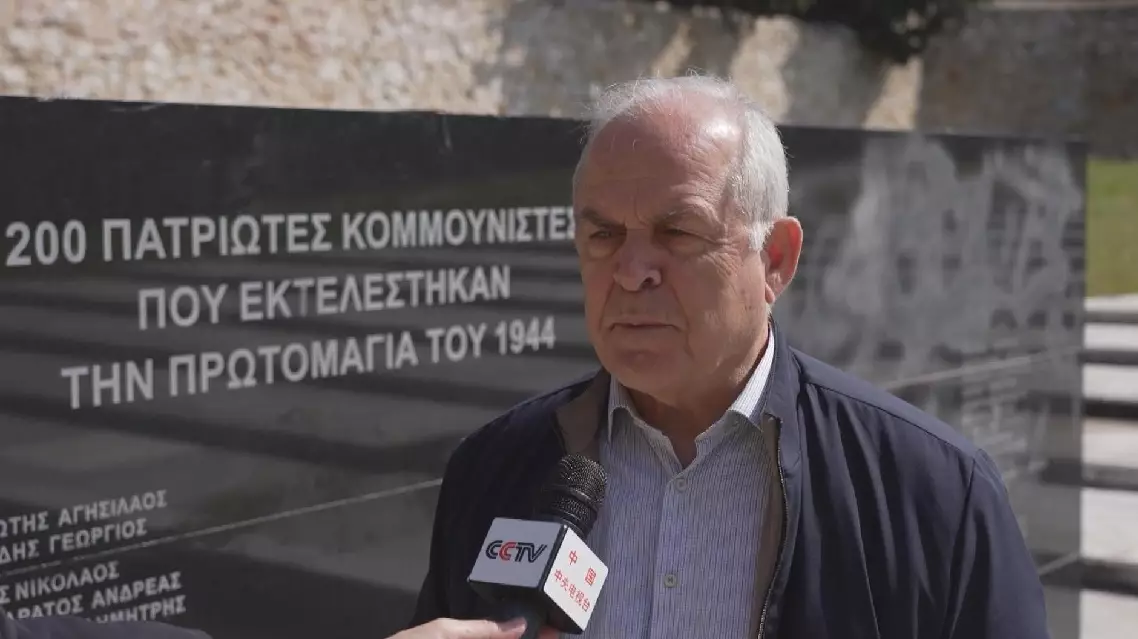
Historic photos of Nazi mass execution of Greeks returned to Greece, mayor calls for historical accountability