Shenzhou-18 crew member Ye Guangfu has become the first Chinese astronaut spending 340 days in orbiting space station on Tuesday, and he is now looking forward to new records in space endurance.
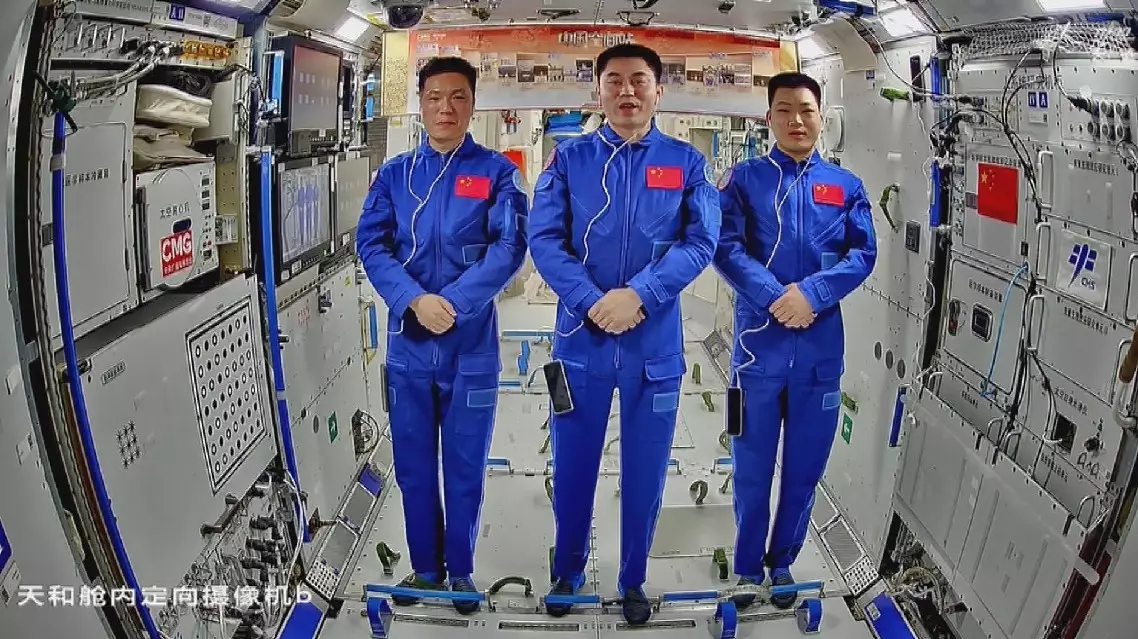
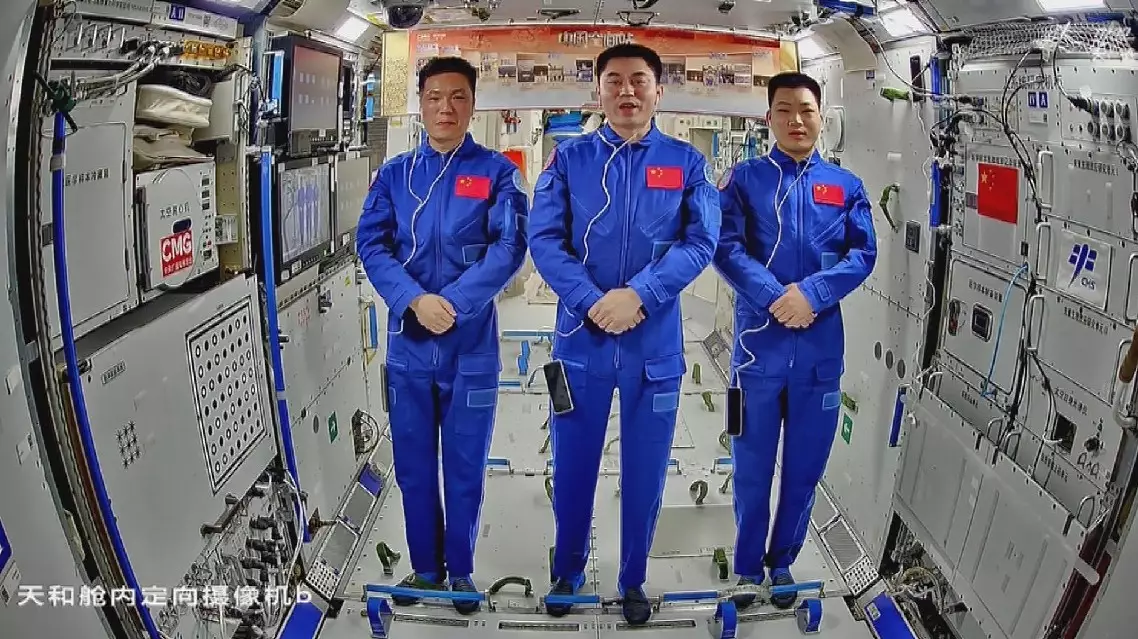
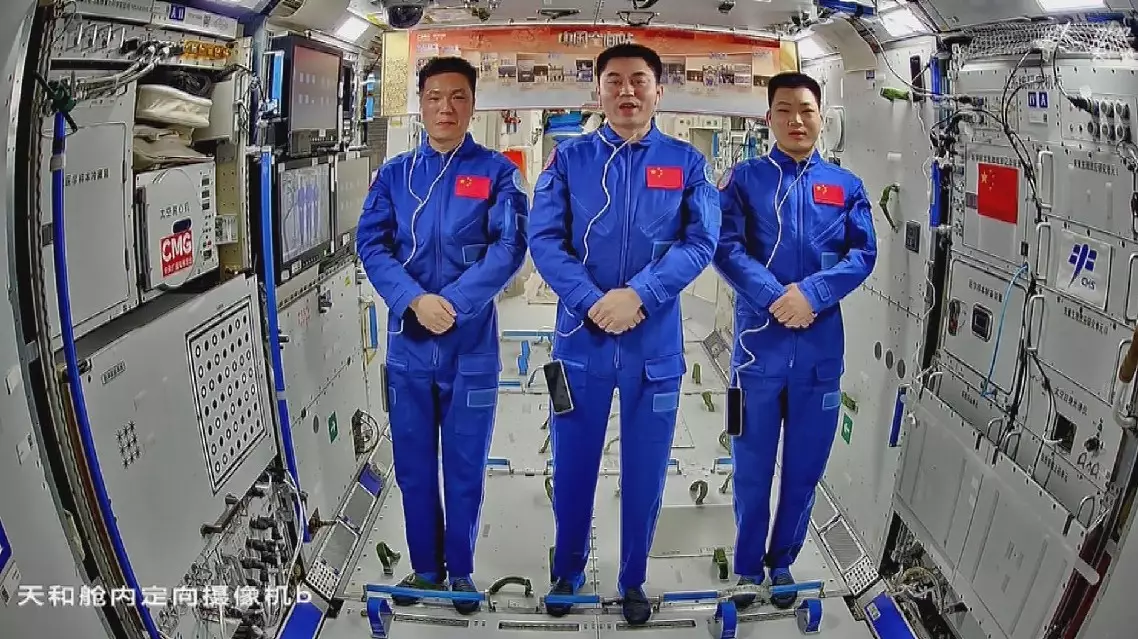
Ye Guangfu, and the other two astronauts Li Cong and Li Guangsu were sent to the space station aboard the Shenzhou-18 manned spaceship on April 25. They sent greetings to mark the National Day on Tuesday from the space station.
Click to Gallery
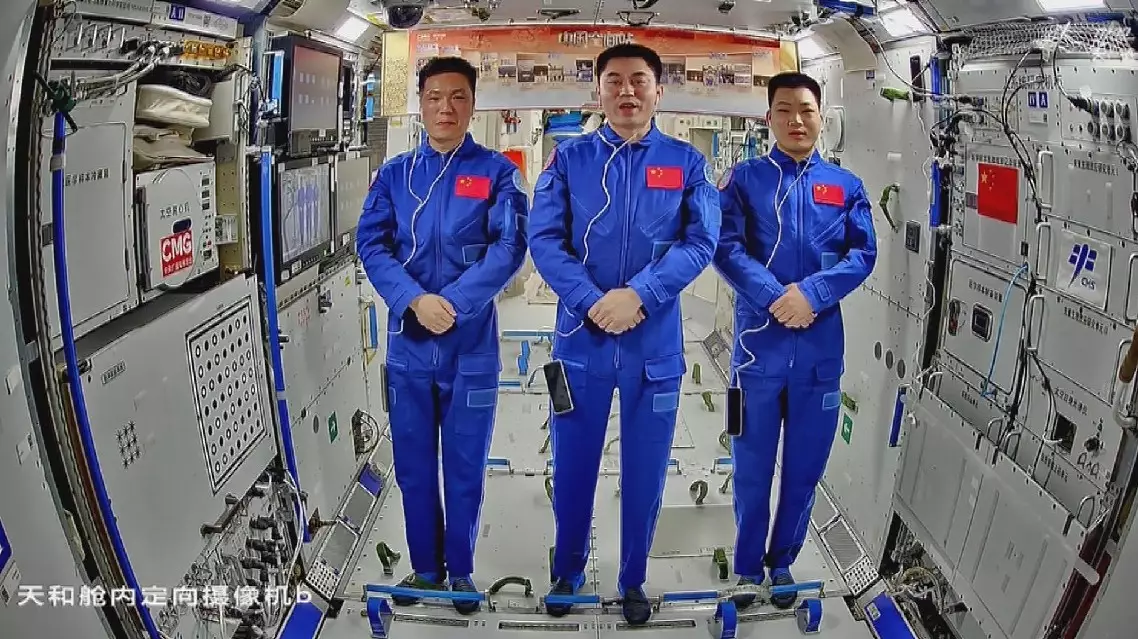
Ye Guangfu becomes first Chinese astronaut spending 340 days in space, eying more milestones ahead
Ye Guangfu becomes first Chinese astronaut spending 340 days in space, eying more milestones ahead
Ye Guangfu becomes first Chinese astronaut spending 340 days in space, eying more milestones ahead
Ye Guangfu becomes first Chinese astronaut spending 340 days in space, eying more milestones ahead
Ye said that such an achievement not only marks a personal triumph, but also signifies the progress of China's space program as it ventures into an era of expansion in space exploration.
"I'm fortunate enough to witness such a great era, and I believe the record for in-orbit duration will be broken soon. As the representatives of the countless strivers and climbers in China's space endeavors, we remain steadfast in our mission and responsibility for China's manned space missions. As the Chinese space station has now entered the phase of operation and development, I'm confident that more 'footprints' of Chinese astronauts will be left in space in the future," said Ye.
The three crew members are scheduled to return to Earth later this month.
Ye Guangfu becomes first Chinese astronaut spending 340 days in space, eying more milestones ahead
Ye Guangfu becomes first Chinese astronaut spending 340 days in space, eying more milestones ahead
Ye Guangfu becomes first Chinese astronaut spending 340 days in space, eying more milestones ahead
Ye Guangfu becomes first Chinese astronaut spending 340 days in space, eying more milestones ahead