Nepalis in areas of the country devastated by recent savage floods are facing an uncertain future, with houses destroyed and belongings swept away.
Nepal experienced sustained heavy rainfall in many areas last week, leading to river breaches and triggering secondary disasters such as widespread floods and landslides.
Nepali police said on Tuesday that the floods have resulted in at least 219 deaths, with 27 people missing and 156 others injured.
Bittu Kumar Singh, a small business owner, recounted the terrifying moment the floodwaters struck and shared his grief over the damage to his business.
"It rained until midnight. There were four or five staff members here with me. As the water level started rising, we tried to move our belongings higher, hoping the water would stop flowing. But when the water reached our shoulder level, we had to escape. We came back the next morning and saw that the water had covered everything. Everything is ruined, and I'll have to buy everything again. You can see the water level reached up to there, about six meters. I lost about four to five million rupees (about 30,000 U.S. dollars to 37,000 U.S. dollars) and haven't received any help from anyone so far, not even from the government," said Singh.
Renuka Limbu, a farmer who lost nearly everything in the flood, helplessly described how her animals had been swept away.
"There were signs of flooding in the morning. The water level kept rising and falling. That's why we packed up our clothes. We stored the packed clothes in a safe place, but later the water took them away. At midnight, the water level rose, and by 5:00 in the morning, everything was washed away. I had five or six pigs, which were meant to be sold, and one was even pregnant. I also had 26 or 27 chickens and 70 ducks. I couldn't save any of them. The only skill I have is raising animals, but now I don't have any land left. If just one animal had survived, I could start working again, but now I have nothing left and feel helpless. I estimate my total losses to be around one million rupees (roughly 7,500 U.S. dollars). That's just the cost of the animals. I also had many things inside my house. No one has helped us, not even the government. I haven't been able to ask for help anywhere. Even the little that's left is at risk of being taken by scrap collectors. I have no one to help me. My only son does all the work, as I can't do much," said the desperate farmer.
Nepal has experienced above-average monsoon rainfall since the season began in early June. The floodwaters have destroyed numerous homes, cut off highways, and downed power lines across the Himalayan nation.
Recovery and cleanup efforts are now underway, but for many residents, the flood has brought untold suffering, and it will take considerable time for them to recover.
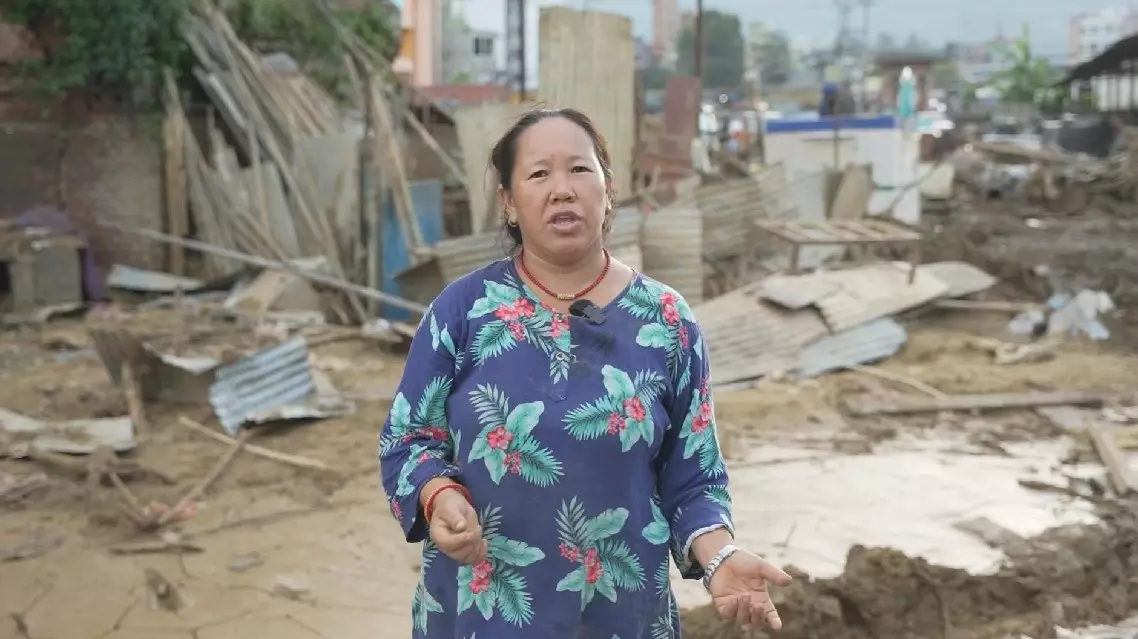
Severe flooding devastates Nepal
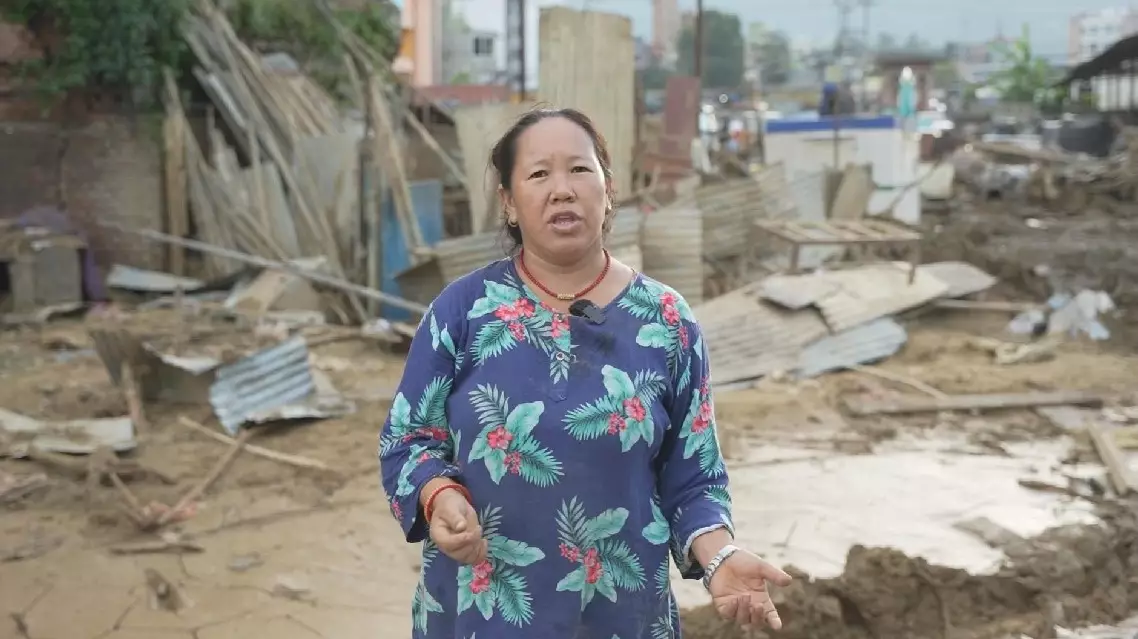
Severe flooding devastates Nepal