Skip to Content Facebook Feature Image

Medical equipment giant builds precision medicine industrial cluster in southwest China

China

China

China

Medical equipment giant builds precision medicine industrial cluster in southwest China

2024-10-05 20:15 Last Updated At:23:17

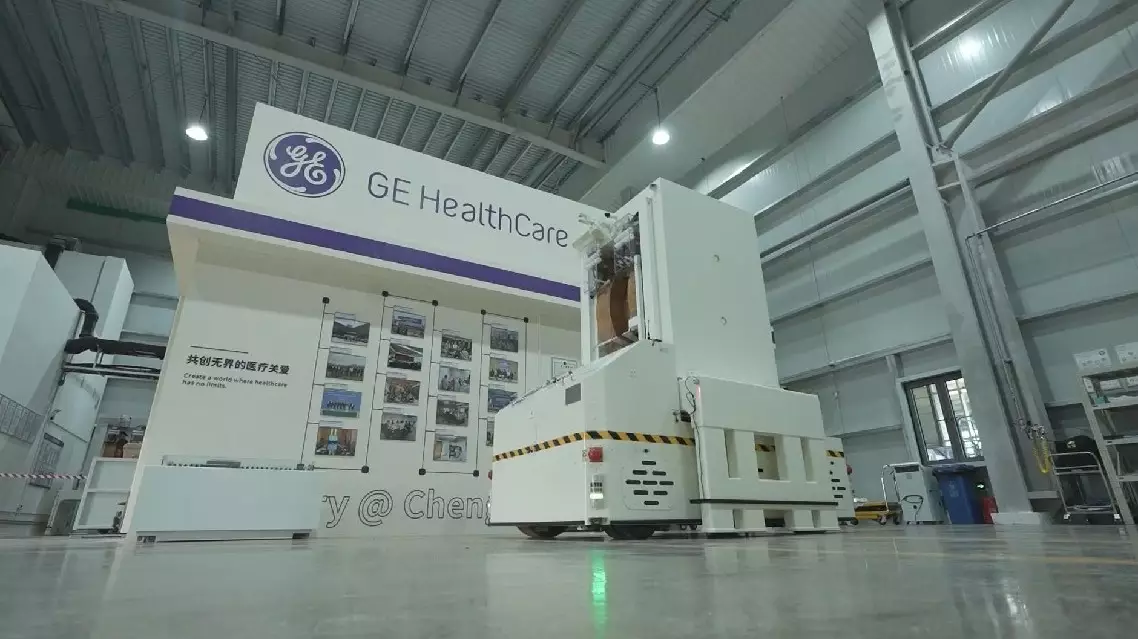
Global medical equipment giant General Electric HealthCare (GE HealthCare) is speeding up the building of precise medical industry cluster in southwest China's Chengdu, thanks to the city's efforts in promoting further opening up.

Since entering China in 1979, the U.S.-based company has experienced rapid growth over the past four decades.

In May of last year, GE HealthCare China reaffirmed its commitment in China by launching a new precision medicine industrial base in Chengdu Tianfu International Bio-town.

"We were already launching products while the project was still under construction, and everything was legal and compliant. This is truly remarkable. Even our most stringent European counterparts initially couldn't believe it. It could only be done in China, specifically in Chengdu. We call it 'China Speed,'" said Chen Heqiang, general manager of China Supply Chain and VP of GE HealthCare China.

According to Chen who oversaw the Chengdu project, the city's high-quality business environment, robust industrial cluster, and unique geographical advantages instilled greater confidence in GE HealthCare China to invest and launch the project there.

Official data show that in 2023, the scale of Chengdu's pharmaceutical and health industry exceeded 350 billion yuan (about 49.9 billion U.S. dollars), making the city a highland for biopharmaceutical innovation, research and development in China.

"Chengdu has allowed everyone to truly see the business environment, the industrial advantages, and the geographical advantages. For instance, Chengdu already becomes a base for the nuclear medicine industry. So we can take root and grow here because of the favorable soil and conditions it provides," Chen said.

GE HealthCare China also recognized good connectivity of Chengdu, eyeing to make full use of facilities including China-Europe freight trains and international airports to build global supply chain of precision medicine in China's western region.

"The Chengdu-Chongqing economic circle is quite unique, and we are thinking about how to make the best use of it, for example the China-Europe freight train. We have a global focus. We're not just building a factory, but also a service center, a customer experience center, and training facilities in the western region. We aim to build it into a precision medicine industrial base in the future," said Chen.
Medical equipment giant builds precision medicine industrial cluster in southwest China
Medical equipment giant builds precision medicine industrial cluster in southwest China
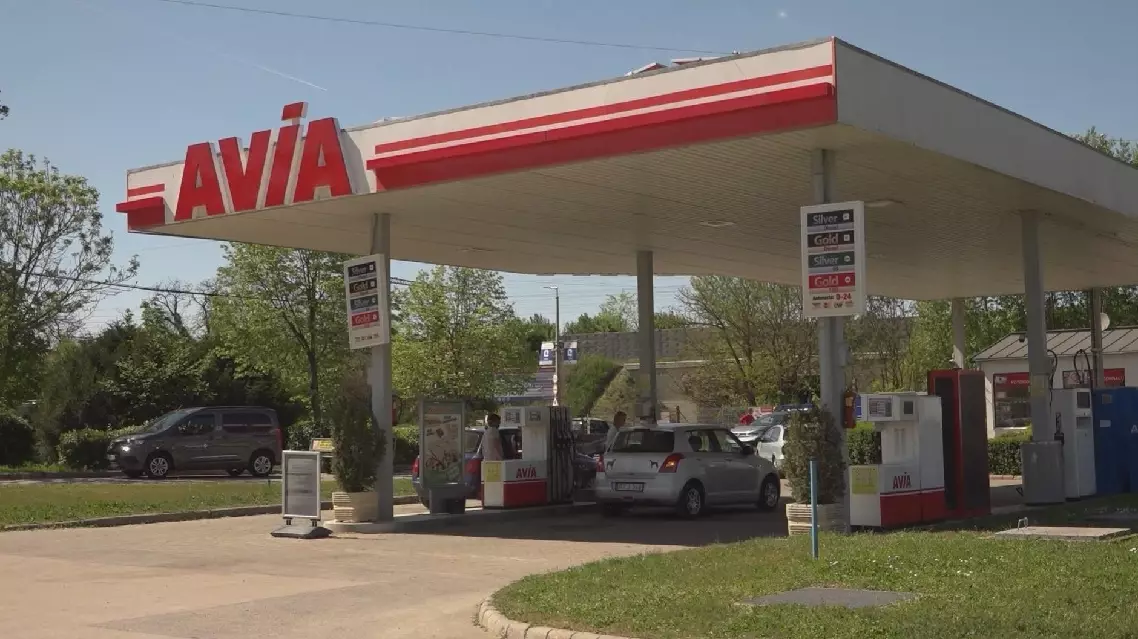
Hungary faces fuel shortages with many gas stations in operational difficulties, and some even on the verge of closure due to the impacts of U.S.-Israel war against Iran and the country's fuel price cap policy, according to the Hungarian Petroleum Association and the Association of Independent Filling Stations.

The war in the Middle East has caused unprecedented disruption to shipping through the Strait of Hormuz, a vital waterway for global trade and energy supplies, pushing up oil prices.

Hungarian Prime Minister Viktor Orban on March 9 announced a cap on retail fuel prices, citing rising oil prices linked to the war involving Iran and disruptions in oil transit through Ukraine. He also announced the release of oil from state reserves to ensure stable supplies.

However, the Hungarian Petroleum Association warned that a sharp reduction in oil and refined oil imports will widen the gap between market prices and government-mandated protective prices, leading to supply security issues.

So far, crude oil supplies via the Druzhba pipeline, which carries Russian crude oil to Hungary and Slovakia via Ukraine, have been resumed, but it cannot solve the fundamental problem of the sharp decline in refined oil imports.

"First, gas stations need fuel to operate. We don't know how long the fuel supply will last. Will it continue until the state reserves is depleted? Then we will face the predicament of running out of fuel. Gas stations have to pay employee wages, management fees, electricity, water bills, and communication fees. Once the funds run out, gas stations will be forced to close," said Laszlo Gepesz, gas station owner and co-chair of Hungary's Association of Independent Filling Stations.

"Hungary currently has only about 15 days' worth of refined oil reserves. The supply to gas stations cannot be guaranteed 100 percent. Gas stations can still get fuel so far, but it is expected that in the coming weeks, Hungarian gas stations, mainly privately owned ones, may experience a severe fuel shortage," said Egri, energy expert and member of Hungary's Association of Independent Filling Stations.

Hungarian gas stations in hard time as Middle East conflict disrupts energy supply

Hungarian gas stations in hard time as Middle East conflict disrupts energy supply

Recommended Articles