Skip to Content Facebook Feature Image

Hungarian gas stations in hard time as Middle East conflict disrupts energy supply

China

China

China

Hungarian gas stations in hard time as Middle East conflict disrupts energy supply

2026-04-26 11:38 Last Updated At:12:07

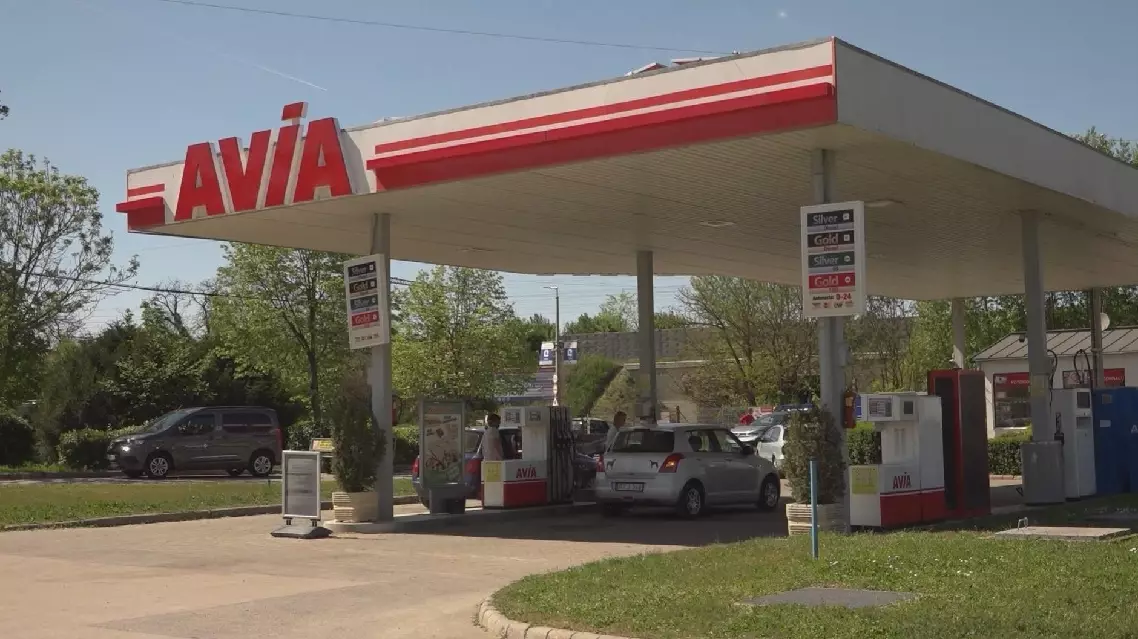
Hungary faces fuel shortages with many gas stations in operational difficulties, and some even on the verge of closure due to the impacts of U.S.-Israel war against Iran and the country's fuel price cap policy, according to the Hungarian Petroleum Association and the Association of Independent Filling Stations.

The war in the Middle East has caused unprecedented disruption to shipping through the Strait of Hormuz, a vital waterway for global trade and energy supplies, pushing up oil prices.

Hungarian Prime Minister Viktor Orban on March 9 announced a cap on retail fuel prices, citing rising oil prices linked to the war involving Iran and disruptions in oil transit through Ukraine. He also announced the release of oil from state reserves to ensure stable supplies.

However, the Hungarian Petroleum Association warned that a sharp reduction in oil and refined oil imports will widen the gap between market prices and government-mandated protective prices, leading to supply security issues.

So far, crude oil supplies via the Druzhba pipeline, which carries Russian crude oil to Hungary and Slovakia via Ukraine, have been resumed, but it cannot solve the fundamental problem of the sharp decline in refined oil imports.

"First, gas stations need fuel to operate. We don't know how long the fuel supply will last. Will it continue until the state reserves is depleted? Then we will face the predicament of running out of fuel. Gas stations have to pay employee wages, management fees, electricity, water bills, and communication fees. Once the funds run out, gas stations will be forced to close," said Laszlo Gepesz, gas station owner and co-chair of Hungary's Association of Independent Filling Stations.

"Hungary currently has only about 15 days' worth of refined oil reserves. The supply to gas stations cannot be guaranteed 100 percent. Gas stations can still get fuel so far, but it is expected that in the coming weeks, Hungarian gas stations, mainly privately owned ones, may experience a severe fuel shortage," said Egri, energy expert and member of Hungary's Association of Independent Filling Stations.
Hungarian gas stations in hard time as Middle East conflict disrupts energy supply

Hungarian gas stations in hard time as Middle East conflict disrupts energy supply
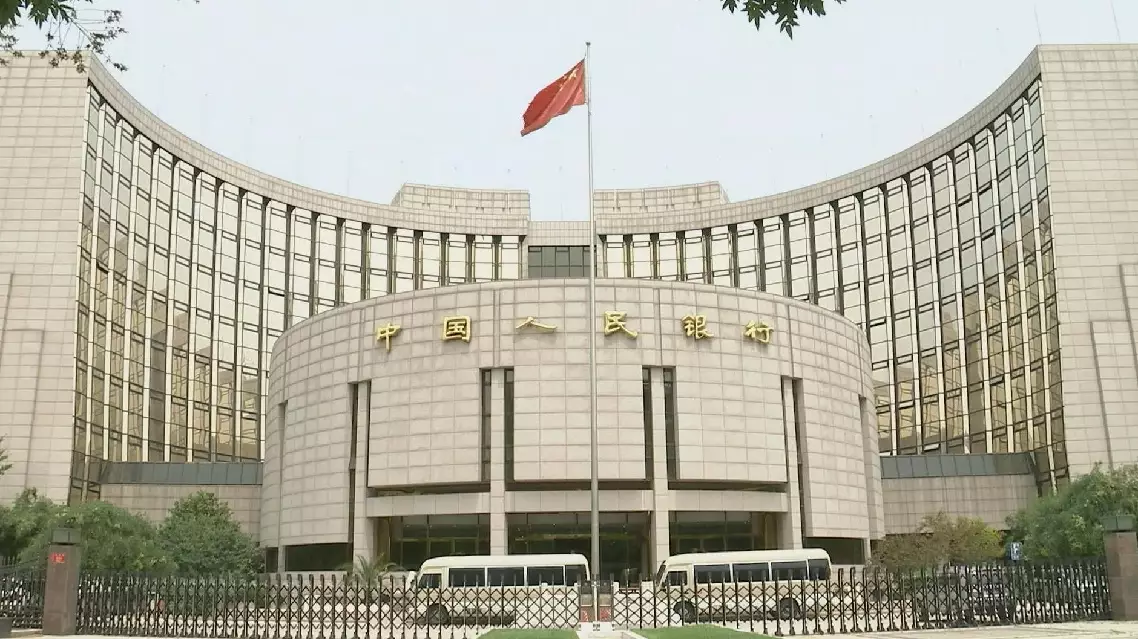
China has issued a new set of measures to bring order to the rapidly growing sector of online financial product marketing, setting clear boundaries for financial institutions and digital platforms alike.

The document, officially known as the Measures for Administration Over Online Marketing of Financial Products, was jointly issued by the People's B

ank of China (PBOC) -- the nation's central bank -- and seven other central government departments. Effective as of Sept. 30 this year, it aims to protect consumer rights, curb misleading promotions and strengthen oversight of digital financial services.

Under the new rules, financial institutions are required to conduct online marketing activities strictly within the scope of business licenses granted by financial regulators. Misleading phrases such as "low risk", "low threshold" or "instant credit" are explicitly prohibited.

The document also places significant responsibilities on third-party internet platforms that facilitate financial product marketing. Such platforms should operate with legal commission from financial institutions and are forbidden from subcontracting these delegated tasks to other entities, either directly or indirectly.

When a third-party platform provides a channel for customers to purchase financial products, users should be redirected directly to the financial institution's self-operated platform rather than any other third-party marketing sites.

Moreover, these platforms should clearly and prominently disclose the information of the financial institutions they represent. They are required to provide consumers with direct access to the official websites and service hotlines of these institutions, enabling users to verify information and seek assistance without intermediation.

China adopts measures to regulate online marketing of financial products

China adopts measures to regulate online marketing of financial products

Recommended Articles