Skip to Content Facebook Feature Image

Greek auto industry insiders see opportunity, not threat, in Chinese EVs

China

China

China

Greek auto industry insiders see opportunity, not threat, in Chinese EVs

2024-10-05 22:31 Last Updated At:10-06 02:17

Greek auto industry insiders warn that the EU's tariffs on Chinese electric vehicles (EVs) are likely to restrict consumer choice, leaving Greece more vulnerable than established car-manufacturing nations like Germany and France.

The European Commission—the executive arm of the 27-nation EU—approved the imposition of tariffs of up to 45 percent on Chinese EVs after a pivotal vote on Friday. Ten member states backed the tariffs, 12 abstained, and five voted against the decision.

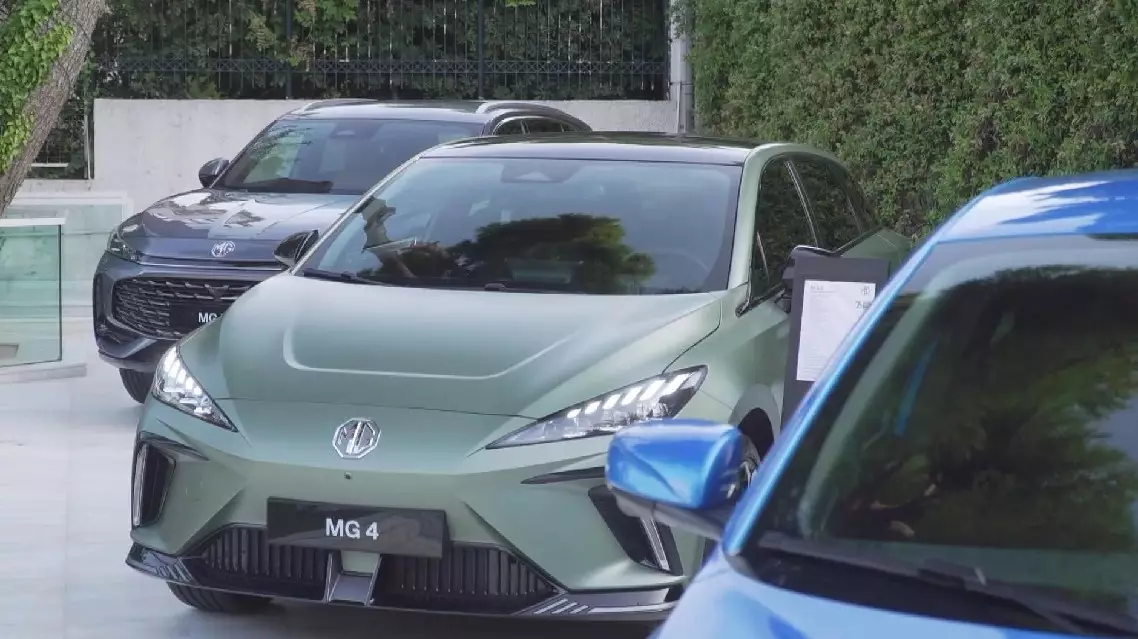
Helen Xenaki, editor-in-chief of "4Troxoi," Greece's longest-running automotive magazine, explained that Chinese EVs provide affordable, high-quality options for European consumers, emphasizing that these vehicles represent an opportunity for growth in Europe's auto industry rather than a threat.

"Consumers will view this as an opportunity, and European car manufacturers will have the chance to follow the technological pathways that China has successfully paved, particularly in areas such as autonomous driving and in-vehicle infotainment (IVI), where Europe lags behind," Xenaki said.

She also warned that European consumers could be the biggest losers if the EU's tariffs increase the price of Chinese EVs. While consumers in auto-producing nations like France and Germany may turn to more expensive domestic brands, the impact would be even greater in Greece, which lacks a national auto industry.

"I believe this will slow the transition to EVs, especially in a country like Greece, where the absence of a domestic auto industry means that rising prices on Chinese cars will make people less likely to adopt EVs," Xenaki added.

Greek dealers of Chinese EVs, however, remain optimistic. They believe that the technological sophistication of Chinese vehicles—particularly in performance, design, and battery innovation— will continue to drive their success in Europe, and that their partnerships with Chinese manufacturers will remain strong.

"We're very confident that our Chinese counterparts, SAIC Motors, will react in a very positive way, together with the rest of the Chinese manufacturers, in order to keep the competitive position of the Chinese products in the European market," said Dimitris Kavvouris, Chief Strategy Officer of Syngelidis Automotive Companies, the official importer and distributor of iconic vehicle brands.

"We have a very strong growth plan for the brand. We are opening stores, both our own and through dealers, across the country. The tariffs have not changed our plans at all," said Nikolas Taki, director of Sfakianakis Group, a local company specializing in the import and trade of cars, motorcycles, and buses.
Greek auto industry insiders see opportunity, not threat, in Chinese EVs

Greek auto industry insiders see opportunity, not threat, in Chinese EVs
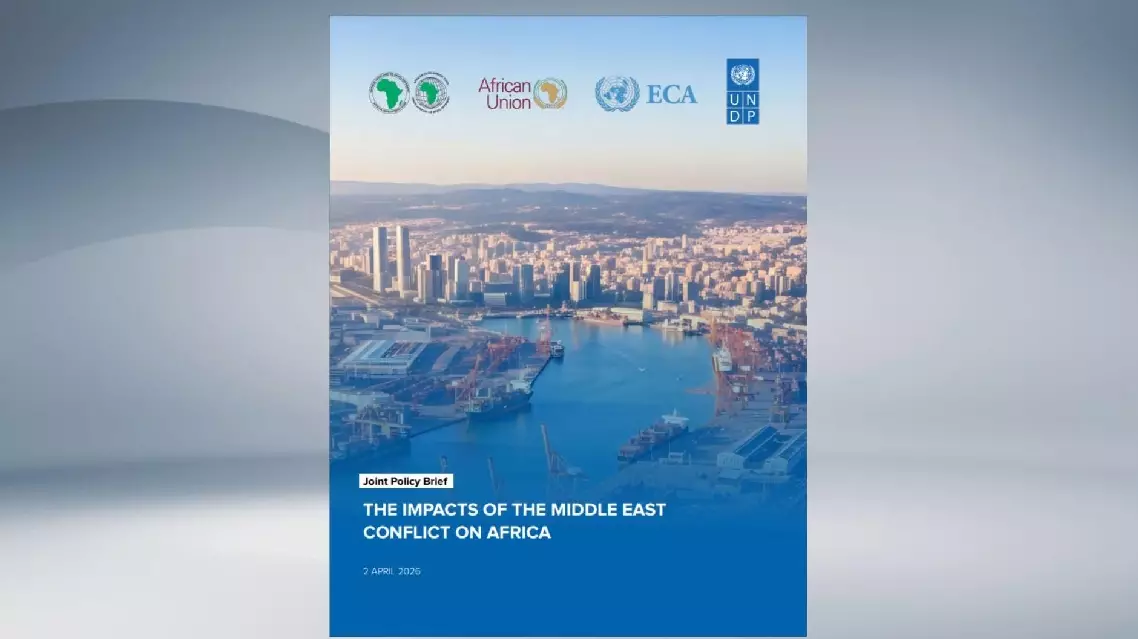
The African Union (AU) and its partners have warned that the ongoing Middle East conflict poses a "serious risk" to African economies.

In a recent joint policy brief, the AU, the United Nations (UN) Economic Commission for Africa, the African Development Bank, and the UN Development Program warned that the longer the conflict lasts and the more severe the disruption of shipping routes, energy, and fertilizer supplies, the greater the risk of a significant growth slowdown across Africa.

With most African countries still growing at rates below pre-COVID levels, the brief projected a 0.2 percentage-point decline in Africa's gross domestic product growth in 2026 if the conflict lasts more than six months.

The organizations stressed that the conflict, which has already triggered a trade shock, could quickly become a "cost-of-living crisis" due to higher fuel and food prices. Rising shipping costs, insurance premiums, exchange rate pressures, and tighter fiscal conditions could further compound the crisis, with vulnerable households bearing the heaviest burden.

The Middle East accounts for 15.8 percent of Africa's imports and 10.9 percent of its exports, underscoring the critical implications of the current situation for African economies, according to the brief.

Highlighting that the fertilizer channel may prove more consequential than oil shocks for some countries, the brief noted that disruptions to Gulf liquid natural gas supply would affect ammonia and urea production, raising fertilizer costs during the crucial March-to-May planting season.

It warned that the phenomenon will put further upward pressure on food prices and hit vulnerable households hardest, with significant negative impacts on food security in Africa.

Expressing concern over potential geopolitical spillover effects that could reshape Africa's security, it also warned that a wider conflict could intensify competition for influence in Africa, with regional conflicts in Sudan, Somalia, and Libya already reflecting external sponsorship.

The brief emphasized the importance of strengthening energy security, safeguarding and restoring fiscal space, accelerating the implementation of the African Continental Free Trade Area, and establishing financial safety nets across Africa as essential strategies for building resilience.

African leading organizations warn Middle East conflict poses "serious risk" to African economies

African leading organizations warn Middle East conflict poses "serious risk" to African economies

Recommended Articles