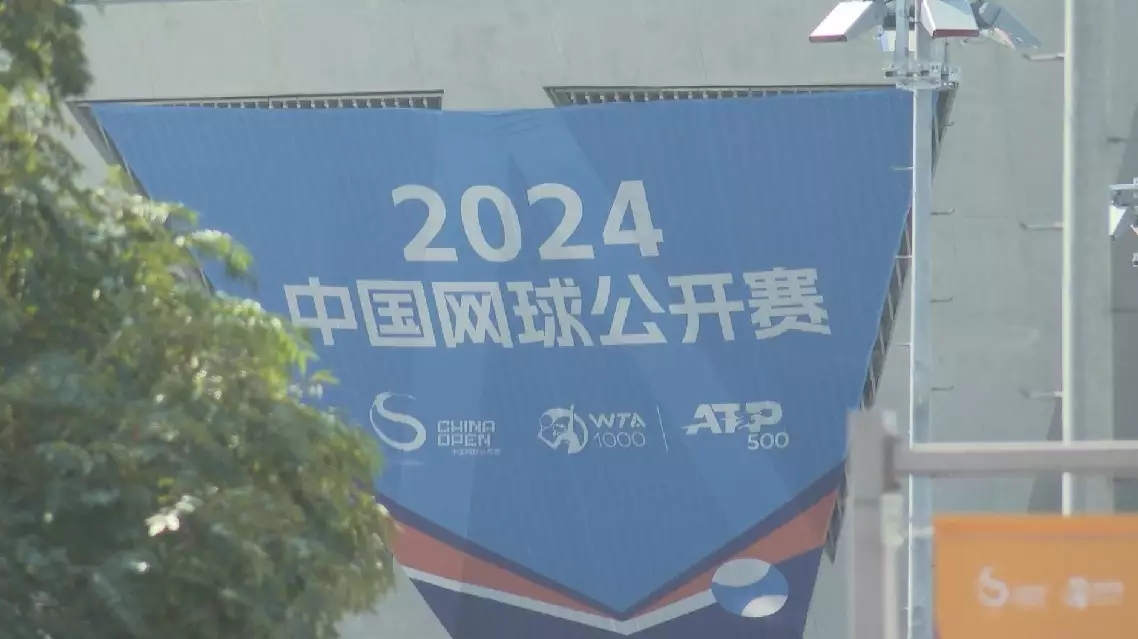
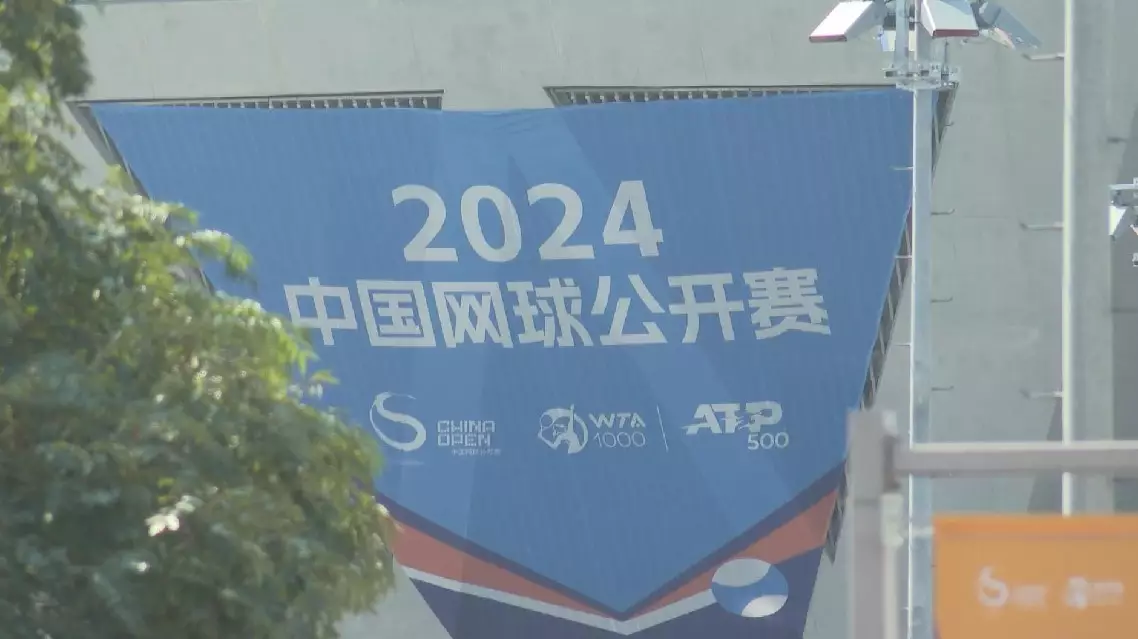
The 2024 China Open tennis tournament concluded in Beijing on Sunday, with Coco Gauff from the U.S. claiming the title with a lopsided 6-1, 6-3 victory over Czech player Karolina Muchova in the final.
The tournament, which ran from September 23 to October 6 at the National Tennis Center in Beijing, saw attendance of 380 players from 48 countries and regions, who performed a total of 469 matches, exceeding the previous edition of China Open. "As of October 5, around 140,000 Chinese tennis fans and more than 13,000 foreigners have come to Beijing to watch the games. This year's total box office revenue has exceeded 80 million yuan (about 1.14 million U.S. dollars), up 60 percent year on year to a record high for China Open ticket sales," said Chen Jie, deputy director of Beijing Municipal Bureau of Sports at a press conference on Sunday.
Chinese athletes shined at this year's tournament. Olympic champion Zheng Qinwen made it to the women's singles semifinal, tying the best record of Chinese female players at the China Open jointly held by Li Na and Wang Qiang.
Meanwhile, 35-year-old veteran Zhang Shuai reached women's singles quarterfinals following a four-match winning streak.
Buyunchaokete, a rising star in Chinese men's tennis, made history at the tournament, upsetting top players to reach the semifinals.
China Open tennis tournament concludes in Beijing
China Open tennis tournament concludes in Beijing
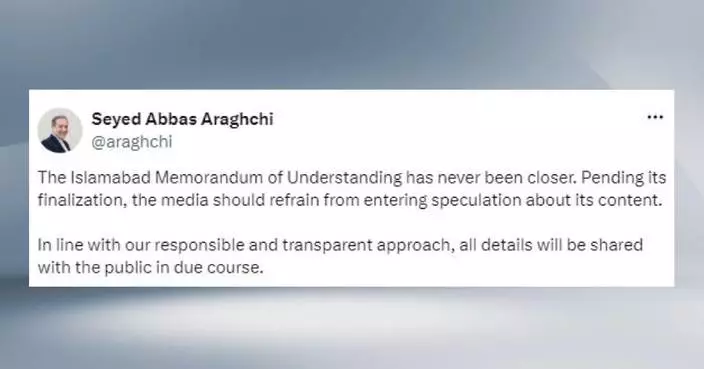
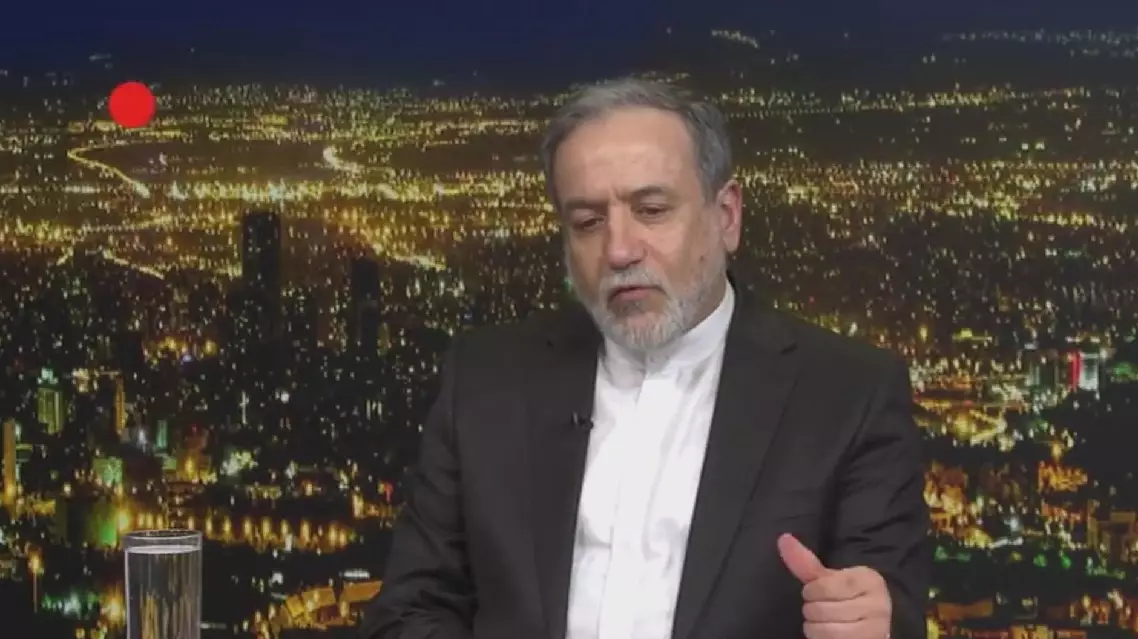
Iran's Foreign Minister Seyed Abbas Araghchi said Friday night that the signing of a memorandum of understanding (MoU) with the United States to end the war could take place within the next few days.
In an interview with state-run IRIB TV, Araghchi said that upon finalized, the MoU will be signed digitally by both sides in their respective countries and then announced. He added that following the potential signing, both parties will commit not to initiate any other war, and will begin the second stage of negotiations, scheduled within a 60-day period, to reach a final agreement, focusing mainly on Iran's nuclear program and sanctions removal.
He stressed that Tehran insists that the only acceptable way of dealing with its highly enriched uranium will be diluting it within Iranian territory.
Araghchi also said that the potential MoU would include provisions for ending the war on all fronts, including Lebanon, requiring Israel to withdraw from the occupied areas.
Other key issues in the MoU include the reopening of the Strait of Hormuz, the full lifting of the U.S. anti-Iran naval blockade, and the release of Iran's frozen assets, he noted.
On the Strait of Hormuz, Araghchi said its management will definitely not to return the pre-war era. While Iran will retain sovereignty and a military presence, a legal system consistent with international law will be established, he said.
He ruled out tolls for passage but noted that charging service fees will be reasonable.
U.S. President Donald Trump said Thursday that the United States had "just made a great settlement of the war with Iran," with an agreement expected "over the next few days."
Over recent weeks, Iran and the United States have exchanged several peace proposals through Pakistan's mediation, and have been working to finalize an MoU to end the war.
Iran's FM says signing of MoU with US possible within few days