Skip to Content Facebook Feature Image

ASEAN foreign ministers meet ahead of leaders' summit

China

China

China

ASEAN foreign ministers meet ahead of leaders' summit

2024-10-09 21:19 Last Updated At:23:17

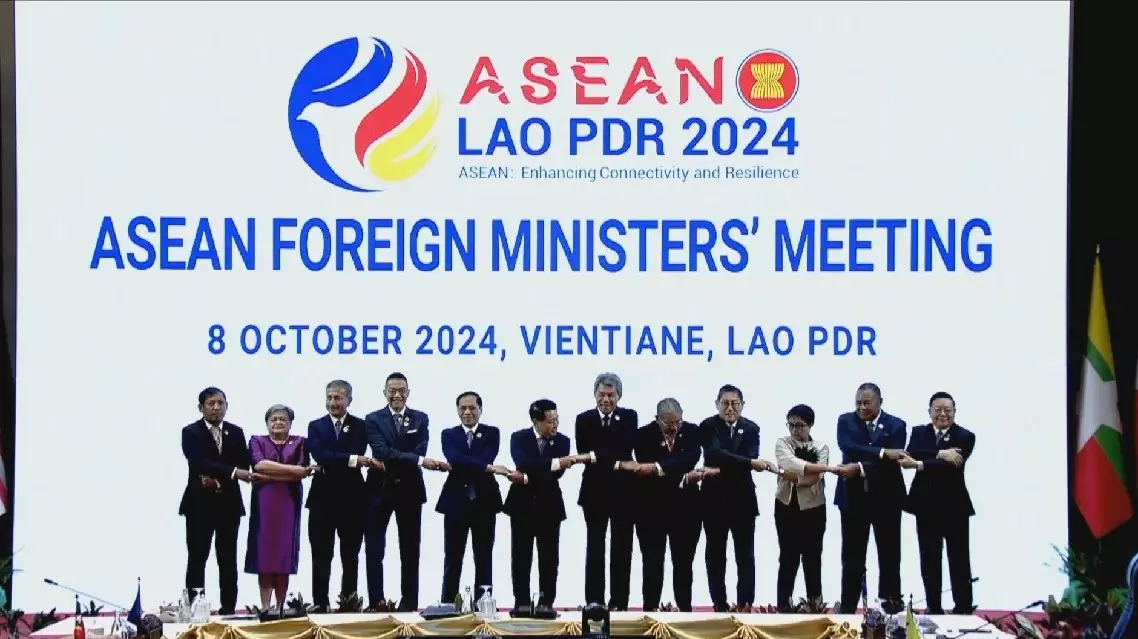
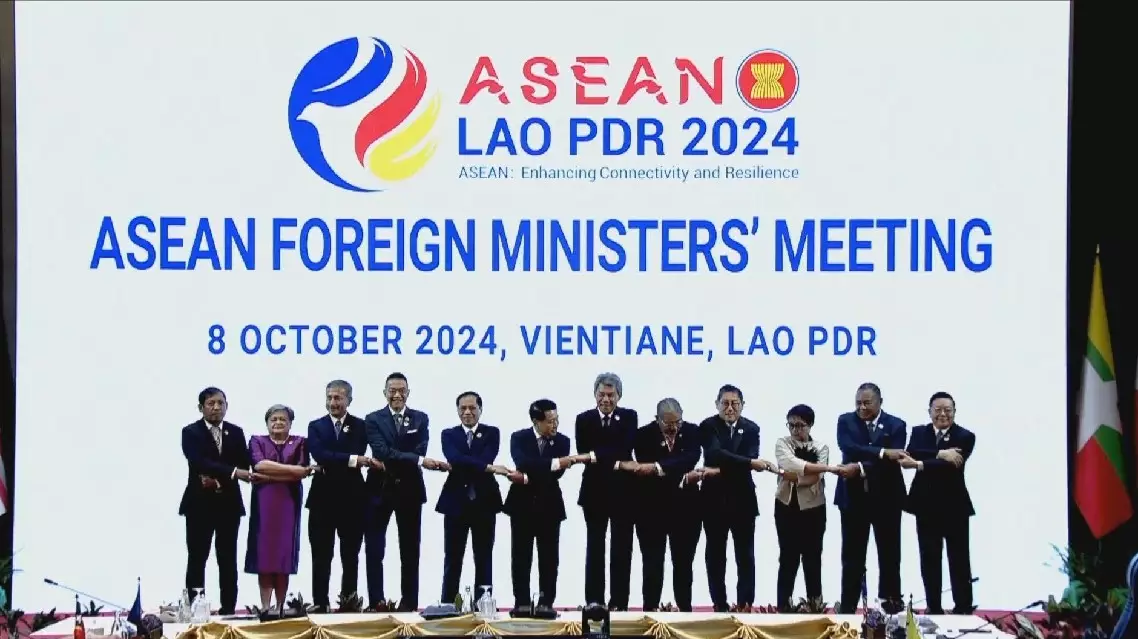
The foreign ministers of the Association of Southeast Asian Nations (ASEAN) member states met on Tuesday in the Lao capital Vientiane, ahead of the three-day talks between leaders of ASEAN and its dialogue partners including China and the United States.

The 44th and 45th ASEAN Summits and Related Summits are underway in Vientiane from Oct 8 to 11, bringing together some 2,000 delegates and about 1,000 journalists from Laos and other countries.

The meetings are held against the backdrop of big global security worries, but also an upbeat economic outlook for Southeast Asia. As a major trading bloc, ASEAN is particularly sensitive to global economic shocks.

"ASEAN concerted effort is needed to respond proactively and effectively to these challenges with a view to maintaining and promoting regional and global peace, stability and prosperity, as well as to maintaining ASEAN relevance and centrality," said Lao Deputy Prime Minister and Foreign Minister Saleumxay Kommasith.

ASEAN has evolved into a highly integrated economic community and has further boosted its connectivity through the Regional Comprehensive Economic Partnership (RCEP) free trade deal.

The region is projected to achieve a growth rate of around 4.5 percent this year, demonstrating a strong momentum of resilience.

"There's greater purchasing power because of sustained growth of 4-5 percent. A large part of it is also attributed not just to the consumption growth but also importantly, rising investment, and of course the influence of foreign direct investments. All these are actually spurring a lot of potential for the region," said Prof. Yeah Kim Leng, senior fellow and director of the Economic Studies Programme at the Jeffrey Cheah Institute on Southeast Asia at Sunway University in Malaysia.
ASEAN foreign ministers meet ahead of leaders' summit
ASEAN foreign ministers meet ahead of leaders' summit
ASEAN foreign ministers meet ahead of leaders' summit

ASEAN foreign ministers meet ahead of leaders' summit

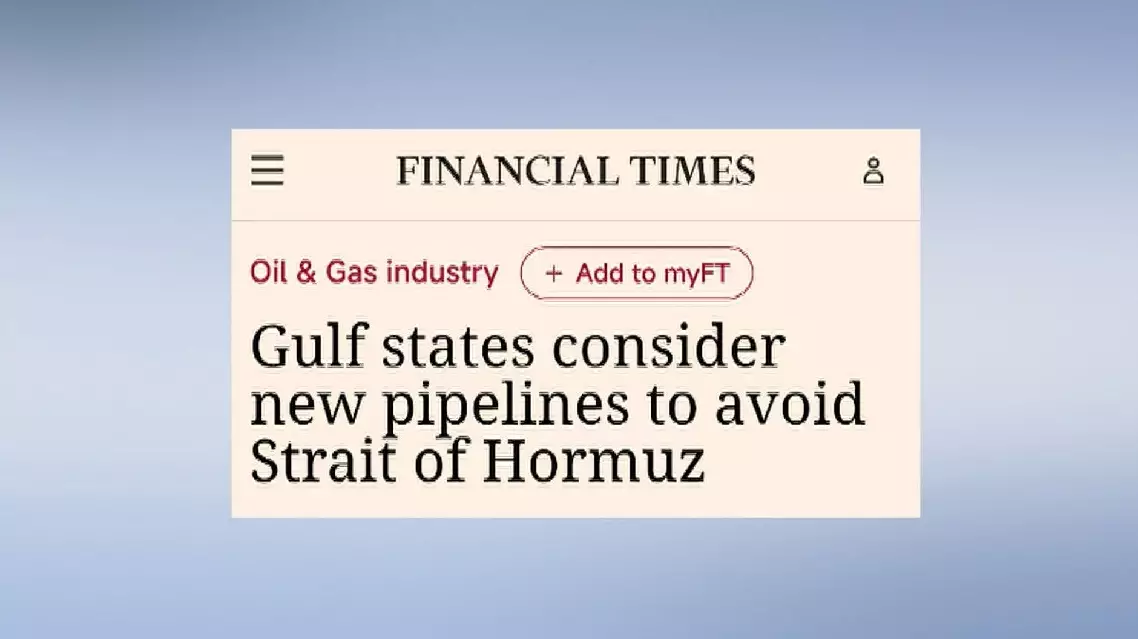
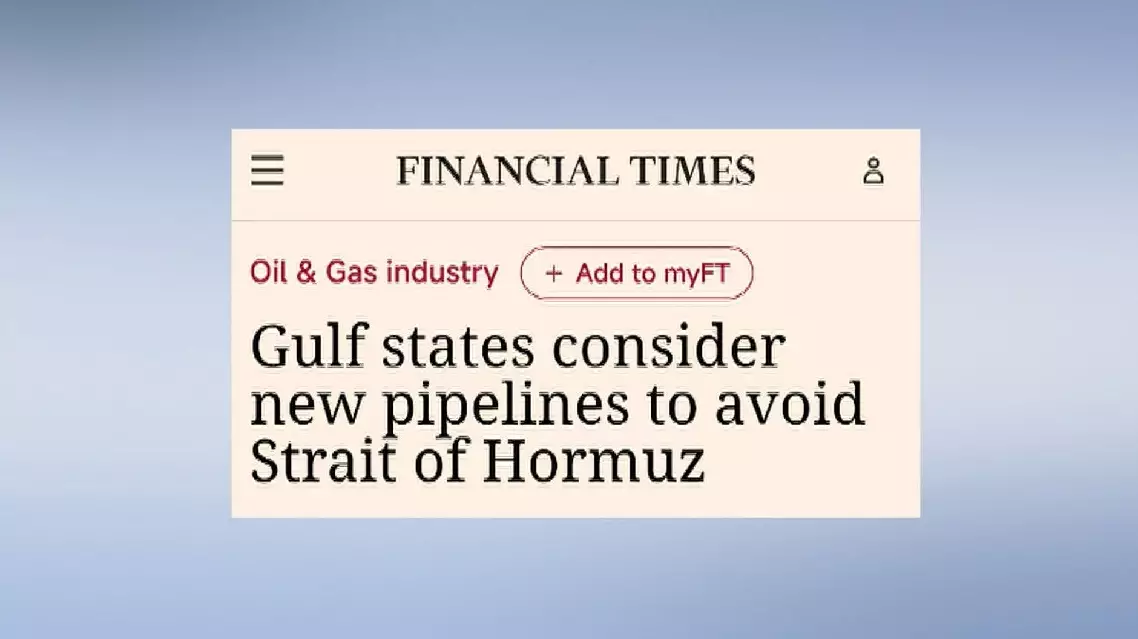
Impact of the U.S.-Israeli war with Iran is pushing Gulf countries to revisit costly plans for pipelines to bypass the Strait of Hormuz, so that they can continue to export oil and gas, the Financial Times newspaper reported on Thursday.

"Officials and industry executives say new pipelines may be the only way to reduce Gulf countries' enduring vulnerability to disruption in the strait, even though such projects would be expensive, politically complex and take years to complete," said the report.

"Previous plans for pipelines across the region have repeatedly stalled, undone by high costs and complexity," it said.

The Strait of Hormuz is a vital global energy corridor bordered by Iran to the north.

Around a fifth of global liquefied natural gas supply passed through the Strait of Hormuz, which also carries about one quarter of global seaborne oil trade.

Israel and the United States launched joint attacks on Tehran and several other Iranian cities on Feb. 28, killing Iran's then Supreme Leader Ali Khamenei, along with senior military commanders and civilians. Iran responded with waves of missile and drone strikes against Israel and U.S. assets in the Middle East, while tightening control over the Strait of Hormuz by restricting passage to vessels belonging to or affiliated with Israel and the United States.

Gulf countries consider new pipelines to avoid Strait of Hormuz: Financial Times

Gulf countries consider new pipelines to avoid Strait of Hormuz: Financial Times

Gulf countries consider new pipelines to avoid Strait of Hormuz: Financial Times

Gulf countries consider new pipelines to avoid Strait of Hormuz: Financial Times

Recommended Articles