The second round of the polio vaccination campaign had begun in the central area of the Gaza Strip on Monday, UN humanitarians said.
The UN Office for the Coordination of Humanitarian Affairs (OCHA) said that in less than two weeks, UNRWA, the UN relief agency for Palestinians, the World Health Organization, and the UN Children's Fund aim to vaccinate around 590,000 children under 10 years of age with a second dose of the novel oral polio vaccination.
This follows a first round which was implemented from September 1 to 12, vaccinating more than 559,000 children.
As with the first round, the second round will have three phases, with each involving three campaign days and one catch-up day.
Since the Palestinian-Israeli conflict broke out in October of last year, Israel's military operations in the Gaza Strip have resulted in large-scale casualties, triggering a severe humanitarian crisis.
The Gaza Strip recorded the first case of poliovirus infection in 25 years in August.
Poliomyelitis, commonly known as polio, is an acute infectious disease caused by the poliovirus, primarily affecting children under five. It can lead to paralysis or death in severe cases. With no cure available, vaccination remains the most effective and economical method of prevention.

Second round of polio vaccination campaign starts in central Gaza: UN

Second round of polio vaccination campaign starts in central Gaza: UN

Second round of polio vaccination campaign starts in central Gaza: UN
U.S. stocks ended lower on Monday as renewed tensions in the Middle East rattled investors and a competitive shift in the shipping industry weighed heavily on the broader market.
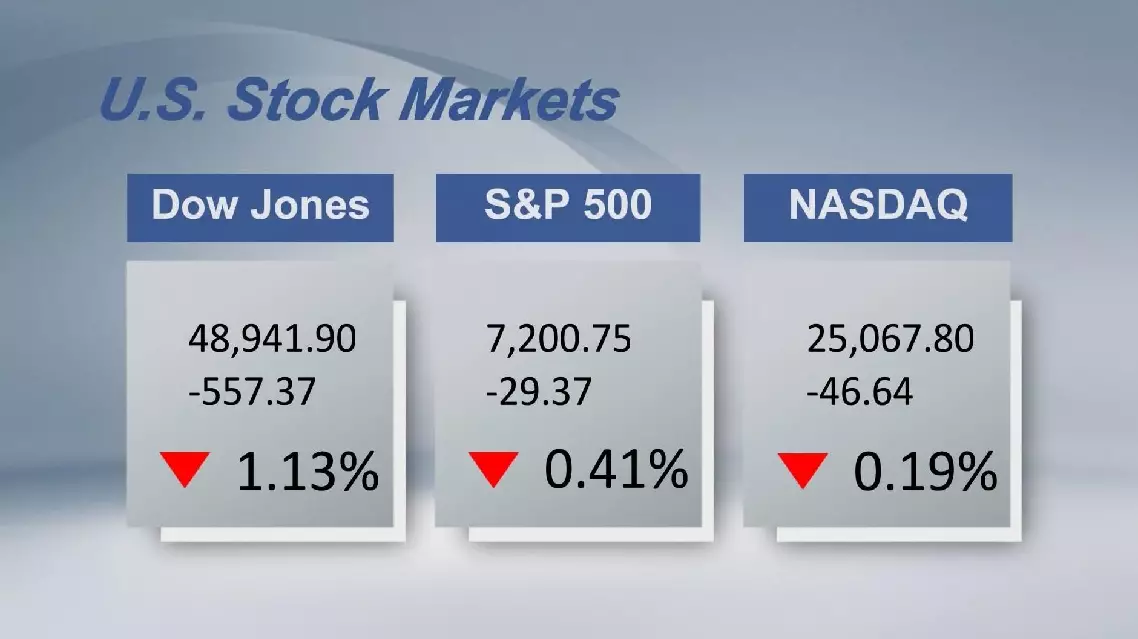
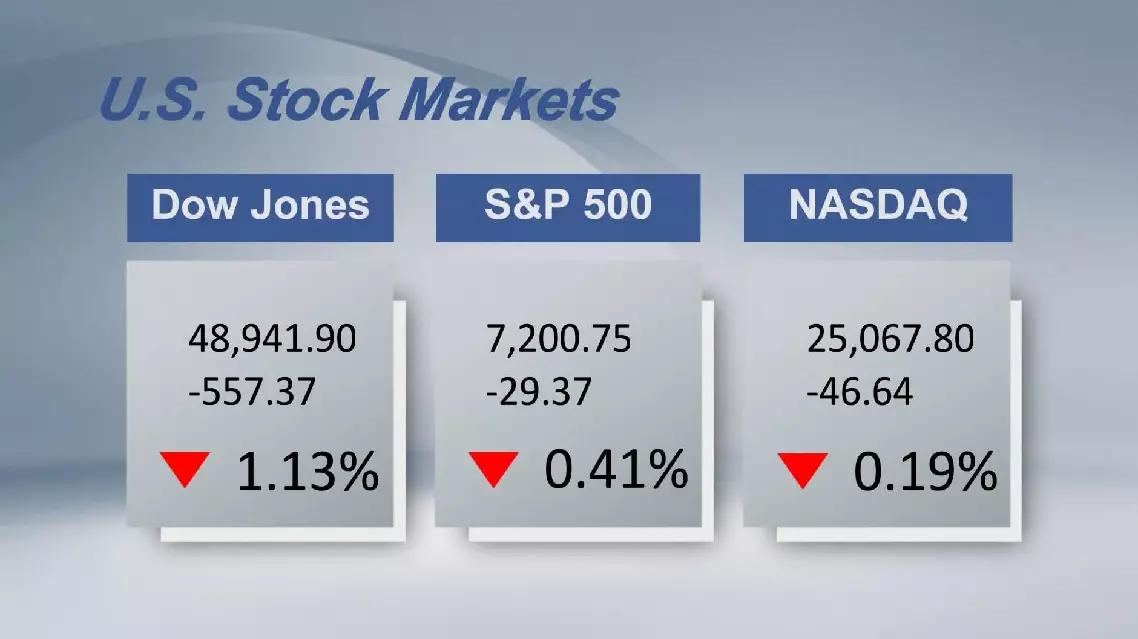
The Dow Jones Industrial Average fell by 557.37 points, or 1.13 percent, to 48,941.90. The Standard and Poor's 500 sank 29.37 points, or 0.41 percent, to 7,200.75. The Nasdaq Composite Index shed 46.64 points, or 0.19 percent, to 25,067.80.
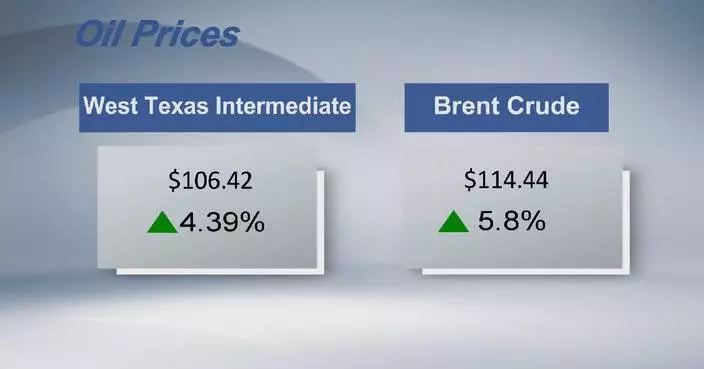
Ten of the 11 primary Standard and Poor's 500 sectors ended in the red, with materials and industrials leading the laggards by losing 1.57 percent and 1.17 percent, respectively. Meanwhile, energy bucked the trend by rising 0.85 percent.
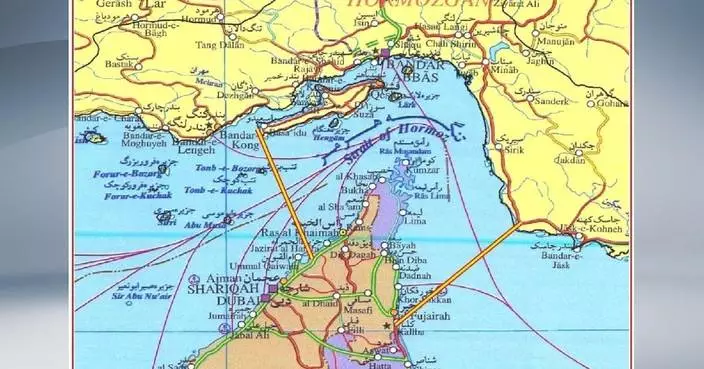
Markets slide into negative territory following reports that two Iranian strikes hit a U.S. patrol boat and a U.S. warship was forced to turn back in the Strait of Hormuz.
While the U.S. officially denied the reports from Iranian media outlets, geopolitical anxieties worsened after the United Arab Emirates (UAE) reported that both an oil tanker operated by the Abu Dhabi National Oil Company and the Fujairah export terminal had been struck.
On the macroeconomic front, U.S. factory orders for March came in higher than expected, largely spurred by soaring demand for electronic components that underpin artificial intelligence technology. According to data released by the Commercial Department on Monday, factory orders rose 1.5 percent for the month, marking the largest increase since November.
In corporate developments, the logistics sector emerged as a major sore spot after Amazon announced plans to open its proprietary freight, distribution, fulfillment, and parcel shipping network to outside businesses. The move sent shockwaves through the shipping industry, causing GXO Logistics to drop 17.7 percent, while UPS and FedEx declined 10.47 percent and 9.44 percent, respectively.
Looking ahead, Wall Street is bracing for a busy week of corporate earnings, highlighted by results from major semiconductor manufacturers such as Lattice Semiconductor, Advanced Micro Devices, and Arm Holdings. Investors are also closely anticipating reports from Palantir and Paramount Skydance later in the week.
U.S. stocks finish lower amid renewed Middle East tensions
U.S. stocks finish lower amid renewed Middle East tensions