Global Oil prices climbed on Monday following renewed hostilities in the Middle East, particularly involving Iran.
West Texas Intermediate crude for June delivery gained 4.48 U.S. dollars, or 4.39 percent, to settle at 106.42 U.S. dollars a barrel on the New York Mercantile Exchange, while Brent crude for July delivery went up 6.27 U.S. dollars, or 5.8 percent, to close at 114.44 U.S. dollars a barrel on the London ICE Futures Exchange.
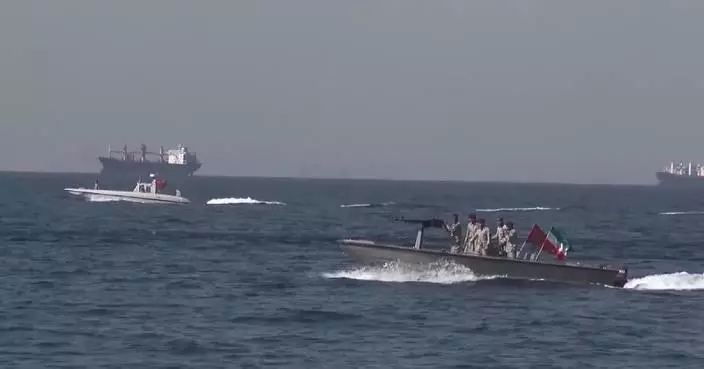
The Navy of Iran's Islamic Revolution Guard Corps on Monday struck with two missiles a U.S. Navy frigate that sought to pass through the Strait of Hormuz, the semi-official Fars news agency reported.
The U.S. frigate, which had set sail near Iran's southern port city of Jask to cross the Strait of Hormuz "in violation of the traffic and shipping security," was hit after ignoring the Iranian naval forces' warning, Fars cited local sources as saying.
However, according to a subsequent report by Axios, a senior U.S. official denied that a U.S. ship was attacked by Iranian missiles.
Also on Monday, U.S. Central Command (CENTCOM) said that two U.S.-flagged merchant vessels had successfully passed through the Strait of Hormuz as the American forces are assisting efforts to restore commercial shipping transit through the strategic waterway.
Brad Cooper, chief of U.S. Central Command, told a news conference on Monday that the U.S. military had sunk six small Iranian boats in the Strait of Hormuz with air strikes from Apache and MH 60 Seahawk helicopters.
However, Iran's semi-official Tasnim news agency has rejected U.S. claims of sinking Iranian boats.
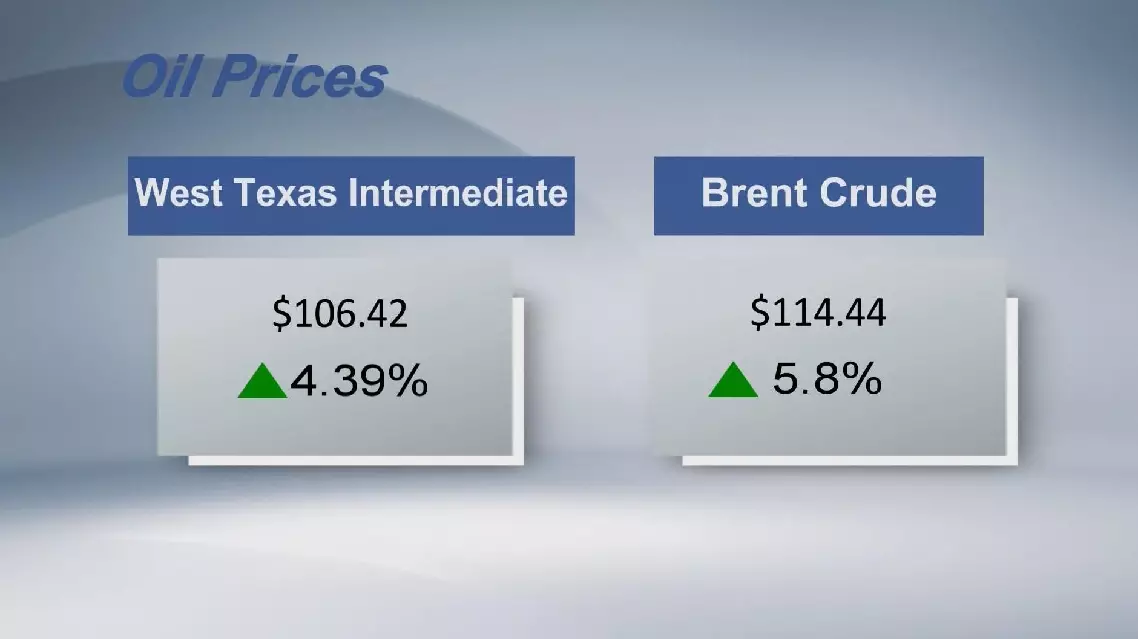
Renewed hostilities in Middle East trigger sharp rally in global oil prices
Iran's Islamic Revolution Guard Corps (IRGC) on Monday unveiled a map outlining a new "area of control" in the Strait of Hormuz, a narrow waterway through which about a fifth of the world's oil passes, according to the state-run Islamic Republic of Iran Broadcasting (IRIB).
The zone extends from the southern Iranian coast near Kooh Mobarak to the United Arab Emirates (UAE) port city of Fujairah on the east, and westward to a line between Iran's Qeshm Island and the UAE emirate of Umm al-Quwain in the Persian Gulf.
IRGC spokesman Hossein Mohebi said that the announcement did not represent a change in the overall management of the waterway, according to a report by IRGC's Sepah News outlet. Commercial vessels following transit protocols set by the Guard Navy and coordinating with Iranian authorities along designated routes would be allowed safe passage, he said. Vessels violating those rules could be stopped by force, he warned.
The announcement came a day after U.S. President Donald Trump said the United States would help guide ships stranded in the strait out of restricted waters on Monday.
Iran’s Khatam al-Anbiya Central Headquaters -- the country's top military command -- responded by warning that any foreign forces, particularly U.S. troops, would be targeted if they attempted to enter or approach the strait, according to the official IRNA news agency.
Also on Monday, two missiles struck a U.S. Navy frigate in the strait after it ignored an Iranian warning, the semi-official Fars news agency reported. The vessel had been sailing near the port of Jask in what Iran described as a violation of maritime security rules. The frigate could not continue on its course after the strikes and withdrew from the area, the report said.
However, according to a subsequent report by Axios, a senior U.S. official denied that a U.S. ship was hit by Iranian missiles.
Brad Cooper, chief of U.S. Central Command, told a news conference on Monday the U.S. military had sunk six small Iranian boats in the Strait of Hormuz with air strikes from Apache and MH 60 Seahawk helicopters.
However, Iran's semi-official Tasnim news agency rejected U.S. claims of sinking Iranian boats.
Iran began tightening its grip on the strait on Feb. 28, restricting passage for vessels liked to Israel and the United States after the two countries launched joint strikes on Iranian territory. The United States later imposed its own blockade measures after post-cease-fire talks between the two countries in Islamabad on April 11-12 failed to produce an agreement.
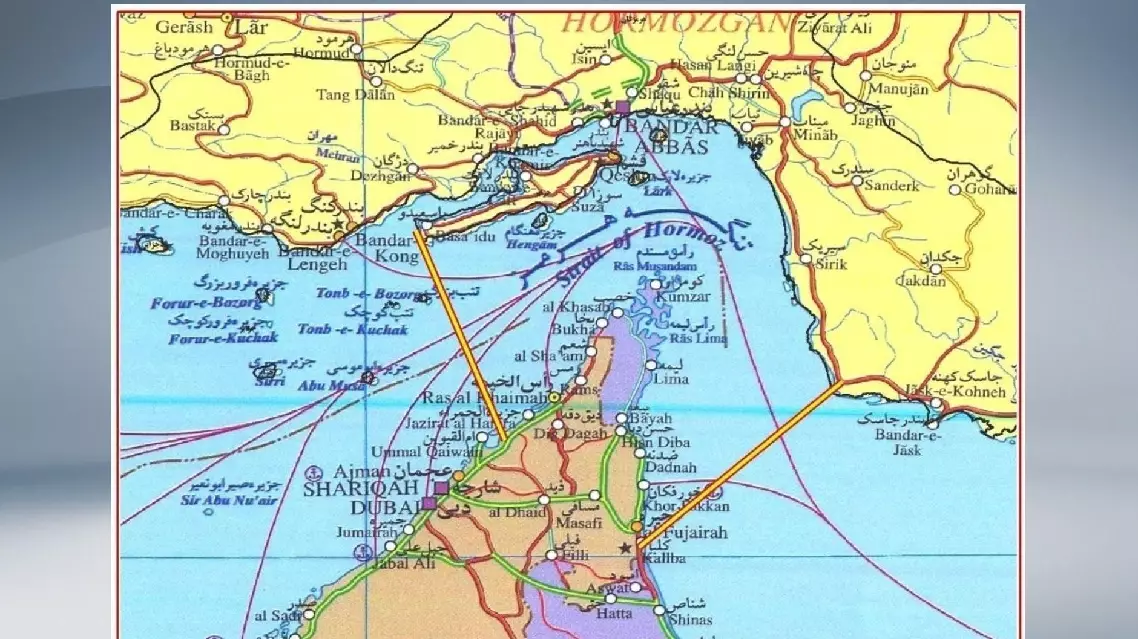
Iran's IRGC unveils map of new "area of control" in Strait of Hormuz