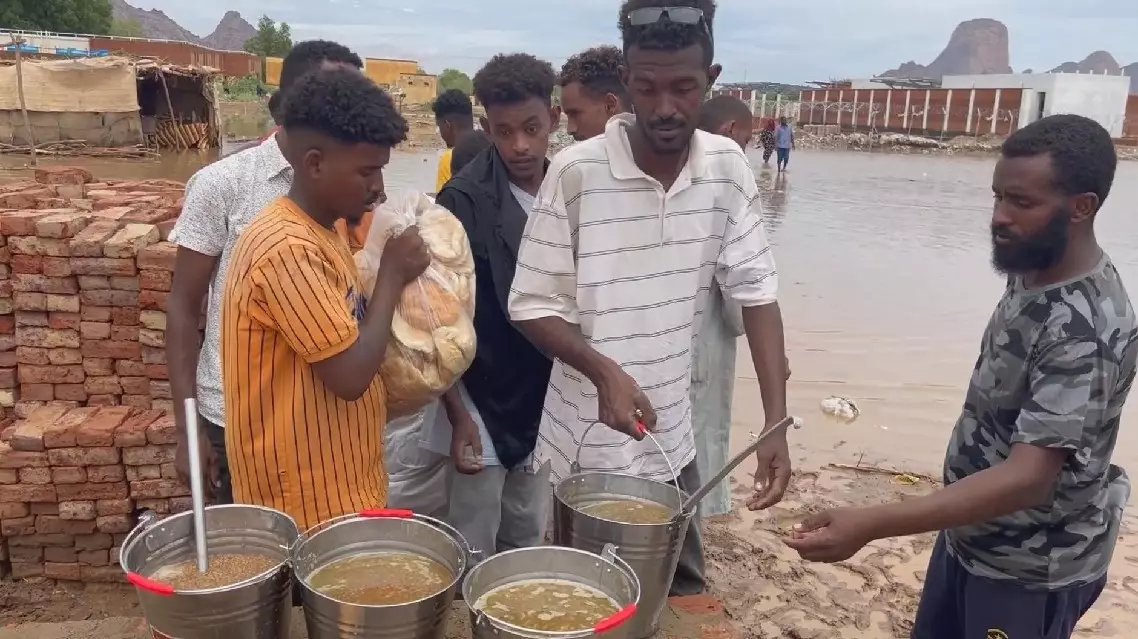
Over half of the population in war-ravaged Sudan are facing "acute food insecurity" or worse, a crisis that has been escalating since the outbreak of the domestic conflict between two rival military factions in the country in April last year.
Fighting between the Sudanese Army and its rival, the Rapid Support Forces paramilitary group, has killed tens of thousands of people and forced millions flee from their homes across much of the country.
According to the United Nations, 8.5 million people in the country are in emergency. The UN Food and Agriculture Organization (FAO) warned in March that the country is drowning in "the largest hunger crisis on the globe," and experts are worried that around 2.5 million people in the country could die from hunger by the end of this year.
The conflict has severely impacted major grain production regions in central and southeast Sudan, leading to a 46 percent year-on-year drop in grain production last year.
"Ever since the Sudan armed conflict erupted, it has been influencing growingly wider areas. The warfare has spread to many new areas so far this year, and the intense conflict makes it impossible for many aid organizations including FAO to provide humanitarian aid to war zones," said AbdulHakim Elwaer, assistant director-general of FAO.
Flatbread made of wheat flour is the major staple food for Sudanese people, but after the conflict broke out, many flatbread shops had to close due to a lack of flour, even in Khartoum, the capital of Sudan. "We once ran out of flour, and found another supplier later that helped us to go through the crisis. But now another problem is that the gas supply can only meet 7 percent of our needs. We contacted the gas company, and they responded that they could not provide help due to the conflict," said Awad Hussein, owner of a flatbread shop in Khartoum.
While the food price has been surging in Sudan, most local residents have lost their jobs after the conflict began, leaving many to rely on humanitarian aid from international organizations to survive.
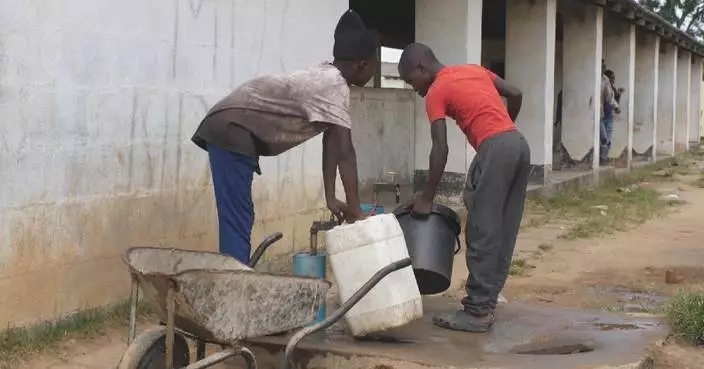
"Life is so hard. We have no drinking water, and the flatbread shops are also facing water shortages. We are out of food and water, falling into despair. The prices are also surging. Products that used to cost only 1,000 Sudanese pounds now charge 10,000," said Sakina Ahmed, a local resident in Khartoum.
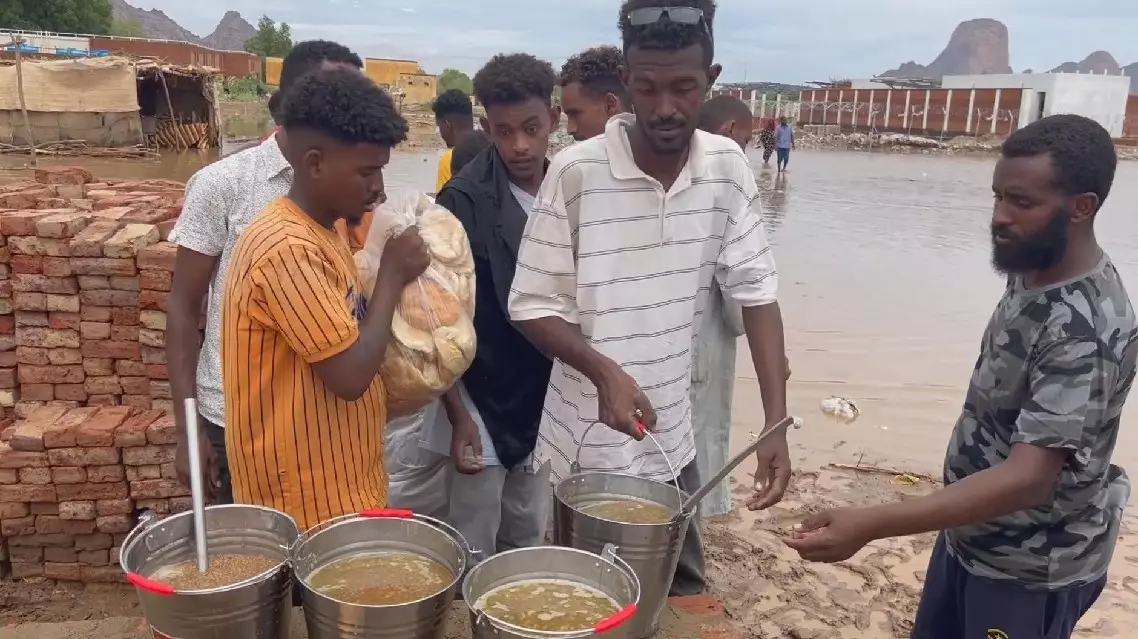
Sudan in severe food crisis as conflict continues
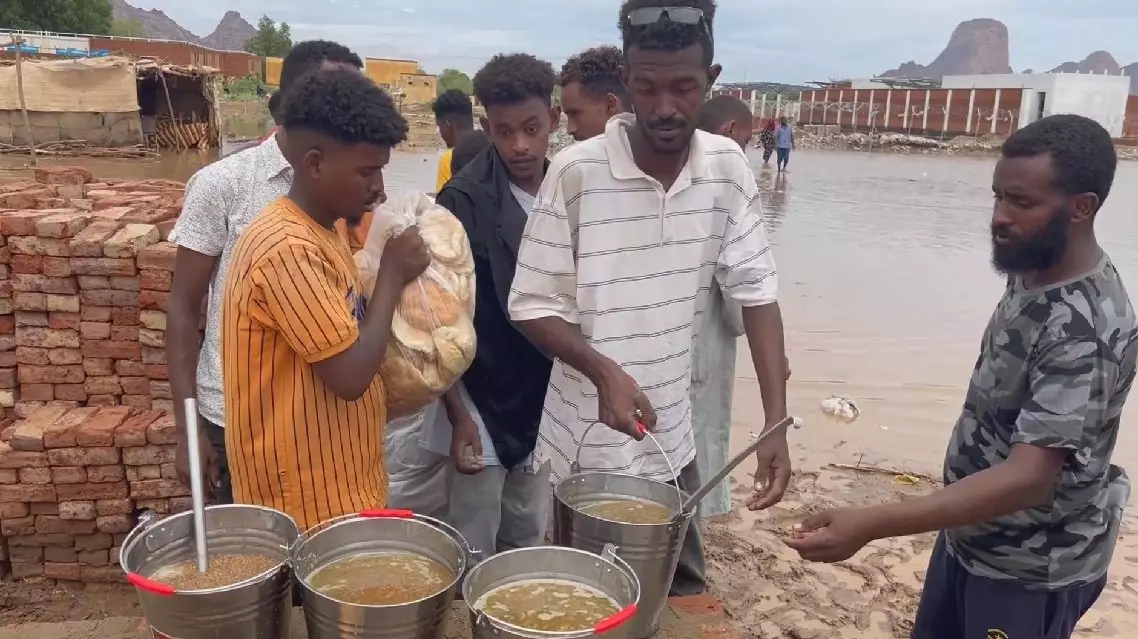
Sudan in severe food crisis as conflict continues
Sudan in severe food crisis as conflict continues