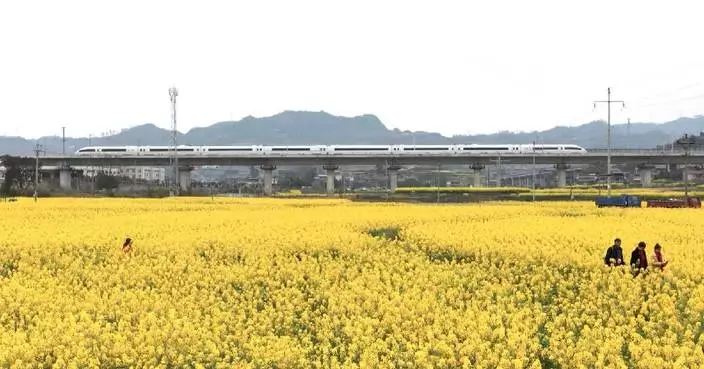
Temperatures have plunged in north China as a strong cold wave continued to affect the region on Sunday, bringing snows to Beijing, Hebei and Shanxi.
Minimum temperatures in most parts of Hebei Province continued to drop by 3 to 8 degrees Celsius on Sunday. In Guyuan County of Zhangjiakou City, as the highest daytime temperature was only 2 degrees Celsius, many people went out in winter clothes.
Local authorities have activated the heating system, and kept adjusting the operating parameters according to the outdoor temperature changes.
The Hebei meteorological observatory has predicted snow in cities including Zhangjiakou, Chengde and Baoding in the day, while temperatures are expected to drop to below minus 2 degrees Celsius.
On the same day, the Beijing Meteorological Service said that snow had fallen in the mountains of Yanqing, a suburb of Beijing. But it also said that the day would not be defined as Beijing's first snow day of the year because most other observation stations in the city had not yet recorded snow.
Historically, the earliest snow day in Beijing is Oct 31, and the average first snow day is Dec 3.
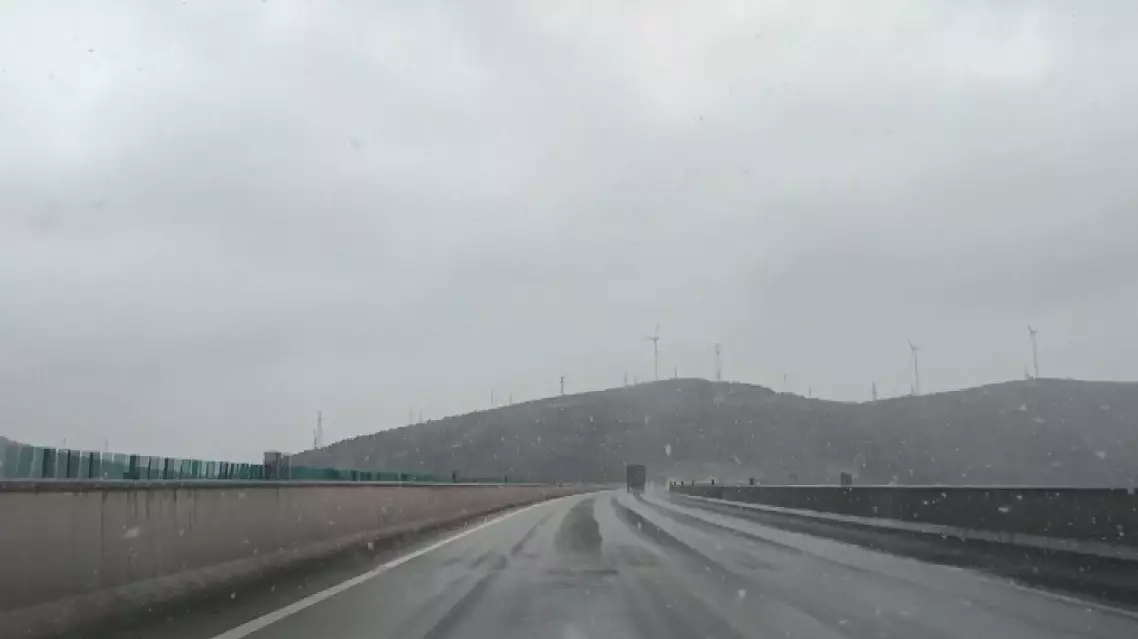
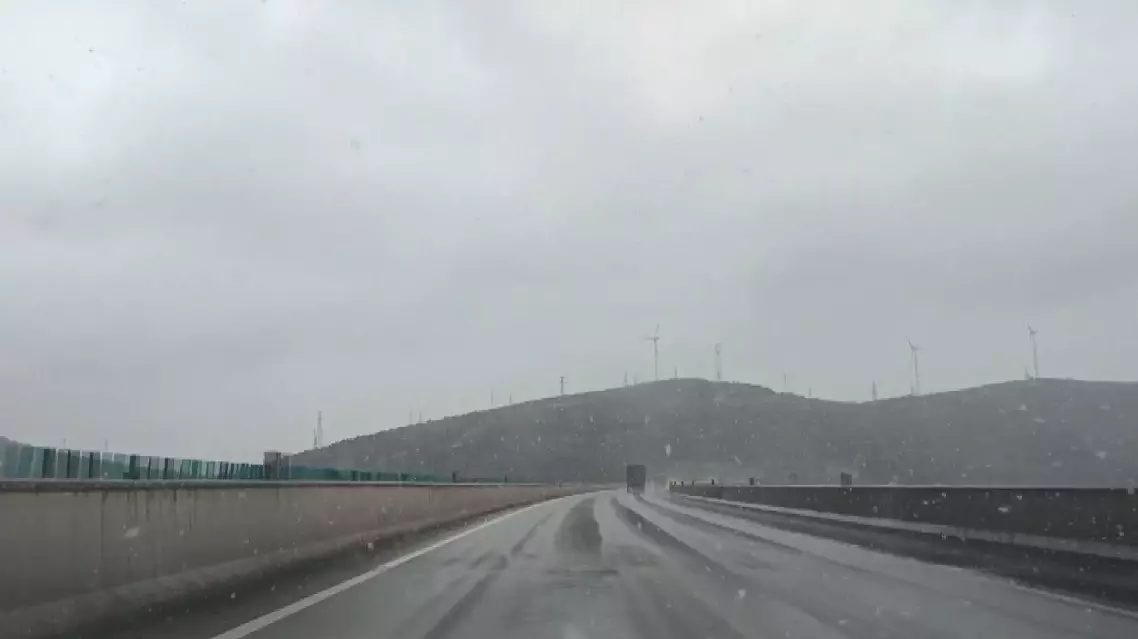
A wide range of rain and snow also hit Shanxi Province on Sunday, affecting traffic on some expressways. In consideration of safety concerns, some sections of several expressways have banned passenger cars with more than seven seats and dangerous chemical vehicles from entering.
In order to ensure the orderly passage of highways, local traffic police have intensified patrol of key sections and strengthened road direction to remind drivers to slow down.
Shanxi provincial meteorological department has forecast that the northern part of Shanxi will still see sleet or light snow on Monday, while some areas will even experience heavy snow.
Temperatures plunge in north China as strong cold wave continues
Temperatures plunge in north China as strong cold wave continues
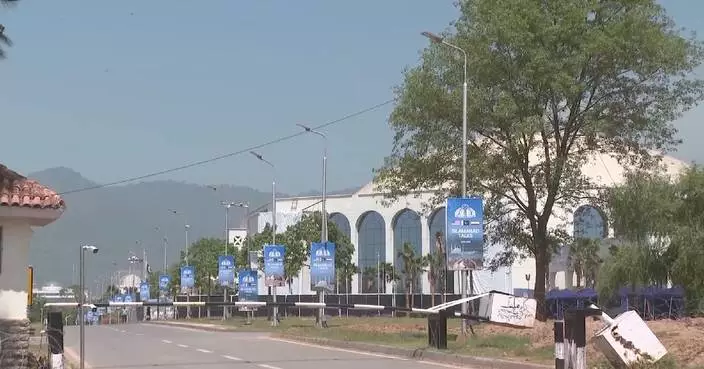
Conveying Iran's conditions for ending the war to Pakistan, as a mediating country, is among the key purposes of Iranian Foreign Minister Seyed Abbas Araghchi's return to Islamabad, Iran's semi-official Tasnim News Agency reported on Sunday.
According to Tasnim, Araghchi's return to Pakistan is not related to nuclear negotiations with the United States. Instead, the foreign minister is expected to discuss bilateral relations with Pakistan, along with other issues such as Iran's enforcement of a new legal system on the Strait of Hormuz, seeking war compensation, guarantees against repeated "aggression by the warmongers," and lifting the U.S. naval blockade.
Araghchi arrived in Islamabad on Sunday afternoon for his second visit since Friday, following a stop in Oman. His brief visit to Pakistan aims to continue consultations with Pakistani officials, it added.
Araghchi is scheduled to visit Russia after Pakistan on the final leg of his regional tour. During his first trip to Islamabad, he met Pakistan's Prime Minister Shehbaz Sharif and Arm Chief Asim Munir.
On Feb. 28, Israel and the United States launched joint attacks on Tehran and other Iranian cities, killing Iran's then-Supreme Leader Ali Khamenei, senior commanders, and civilians. Iran responded with waves of missile and drone strikes targeting Israel and U.S. assets in the Middle East, and tightened control over the Strait of Hormuz, blocking passage by vessels belonging to or affiliated with Israel and the United States.
An April 8 ceasefire was followed by Iran-US talks in Islamabad on April 11 and 12. After the negotiations collapsed, the United States imposed a blockade on the Strait of Hormuz, preventing ships to and from Iranian ports from transiting.
A new round of negotiations had been expected in Pakistan this week, but Iran declined to attend, citing continued U.S. naval pressure and "excessive demands."
U.S. President Donald Trump told Fox News Sunday that he will no longer send delegations to talk with Iran. "If they (the Iranians) want to talk, they can come to us, or they can call us," he said.
Trump said that he has great respect for Pakistan, which had been hosting U.S.-Iranian talks in Islamabad, and that Pakistan will stay involved.
He repeated that Iran cannot have nuclear weapons. "So if they want, they can call us. But again, they know what has to be in the agreement. Very simple: they cannot have a nuclear weapon. Otherwise, there's no reason to meet," said Trump.
Iranian President Masoud Pezeshkian said U.S. pressure and hostile actions are undermining trust and making progress toward renewed talks more difficult, according to a statement from his office early Sunday.
He added that Washington cannot pursue negotiations while increasing pressure on Iran, saying such actions "disrupt the necessary atmosphere" for diplomacy.
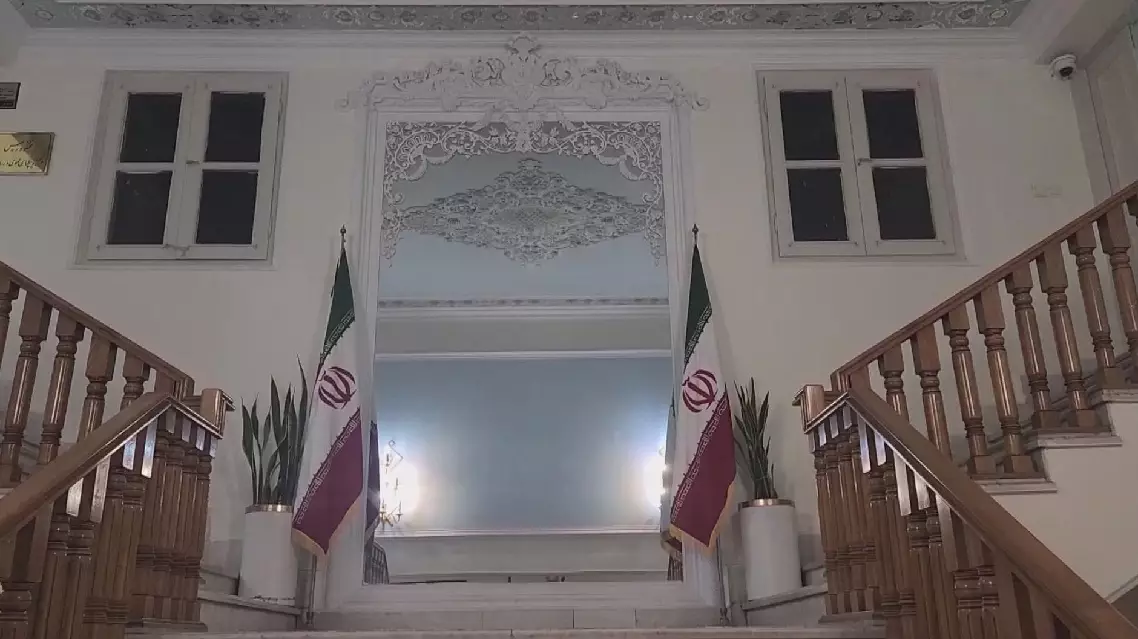
Iran's FM conveys conditions for ending war to Pakistan