China's high-tech industries saw a significant year-on-year increase in foreign investment in actual use in the first quarter of this year, according to data released by the Ministry of Commerce.
The data shows that from January to March this year, 13,987 new foreign-invested enterprises were established nationwide, an increase of 11 percent year on year; the actual use of foreign capital amounted to 249.6 billion yuan (36.5 billion US dollars).
Foreign investment actually used in high-tech industries reached 102.73 billion yuan (about 15 billion U.S. dollars), up 30.7 percent year on year and accounting for 41.2 percent of the total across all industries.
By sector, foreign capital used in research and development and design services, computer and office equipment manufacturing, and electronic and communication equipment manufacturing increased by 127.8 percent, 88.1 percent, and 23.8 percent, respectively. In terms of origin, investment from Switzerland and France grew rapidly.
"Data from the first quarter shows that China's investment structure continues to improve, with investment in high-tech industries accelerating significantly. These industries account for over 40 percent of the total actual use of foreign capital nationwide, becoming the core growth engine for stabilizing foreign investment," said Pan Yuanyuan, deputy director at the International Investment Office of the Institute of World Economics and Politics under the Chinese Academy of Social Sciences.
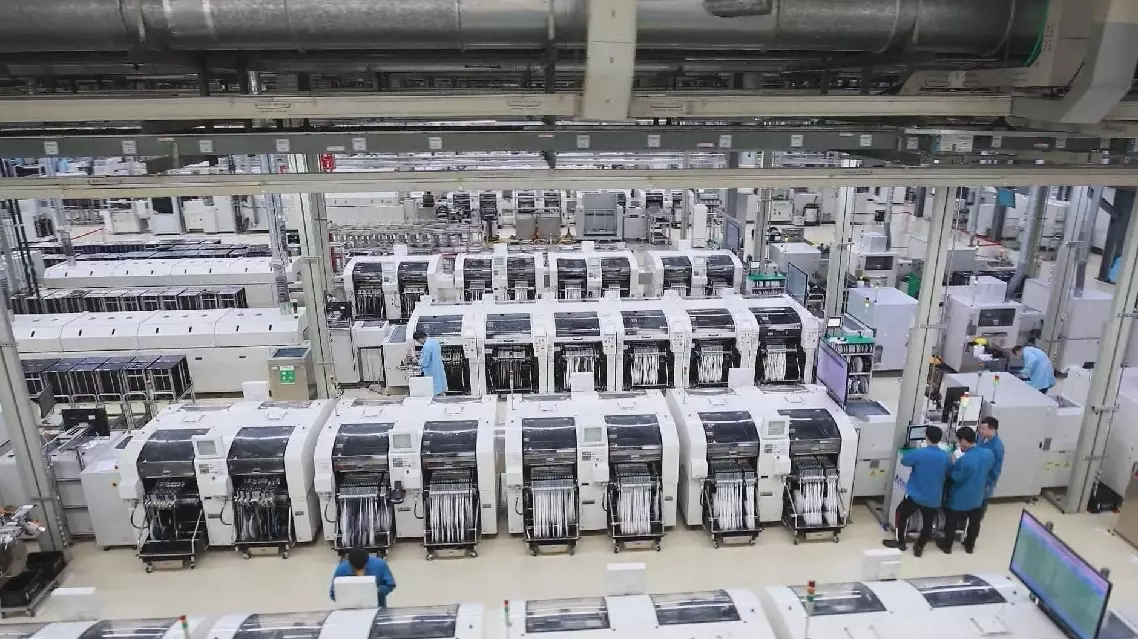
China's high-tech industries increase use of foreign capital in Q1
Uncertainty surrounding peace talks between the United States and Iran has deepened amid persistent disagreements and signs of renewed strain.
U.S. President Donald Trump said Sunday that he would no longer send delegations to hold talks with Iran, saying Tehran should contact Washington directly if it wants to negotiate.
"If they want, we can talk. But we're not sending people to travel 18 hours to meet," Trump told Fox News.
Trump also said he had great respect for Pakistan, which had been hosting U.S.-Iranian talks in Islamabad and added that Pakistan would remain involved.
He reiterated that Iran "cannot have a nuclear weapon," saying, "Otherwise, there's no reason to meet."
Iranian President Masoud Pezeshkian said U.S. pressure and hostile actions are undermining trust and making progress toward renewed talks more difficult, according to a statement from his office early Sunday.
He added that Washington cannot pursue negotiations while increasing pressure on Iran, saying such actions "disrupt the necessary atmosphere" for diplomacy.
Iran's semi-official Tasnim News Agency reported Sunday that Iranian Foreign Minister Seyed Abbas Araghchi has conveyed Iran's conditions for ending the war to Pakistan, a mediating country.
Araghchi conveyed Tehran's "red lines" to the United States through Pakistan during his recent visit, the semi-official Fars news agency reported on Sunday.
The report said that the "red lines," relayed to the U.S. side in the form of written messages, pertain to Tehran's nuclear program and the Strait of Hormuz.
The exchange of messages was not related to negotiations but rather part of an initiative by Iran to clarify the situation in the region and explicitly announce its red lines, said the report.
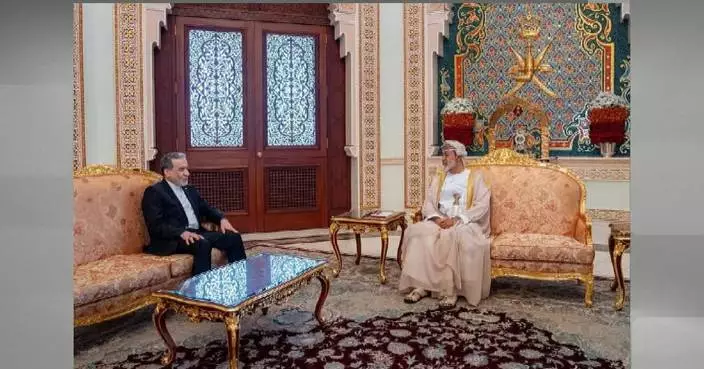
Araghchi on Sunday traveled to the Pakistani capital Islamabad for the second visit since Friday, following a brief stop in Oman. He then left Islamabad and is expected to travel to Moscow, sources say.
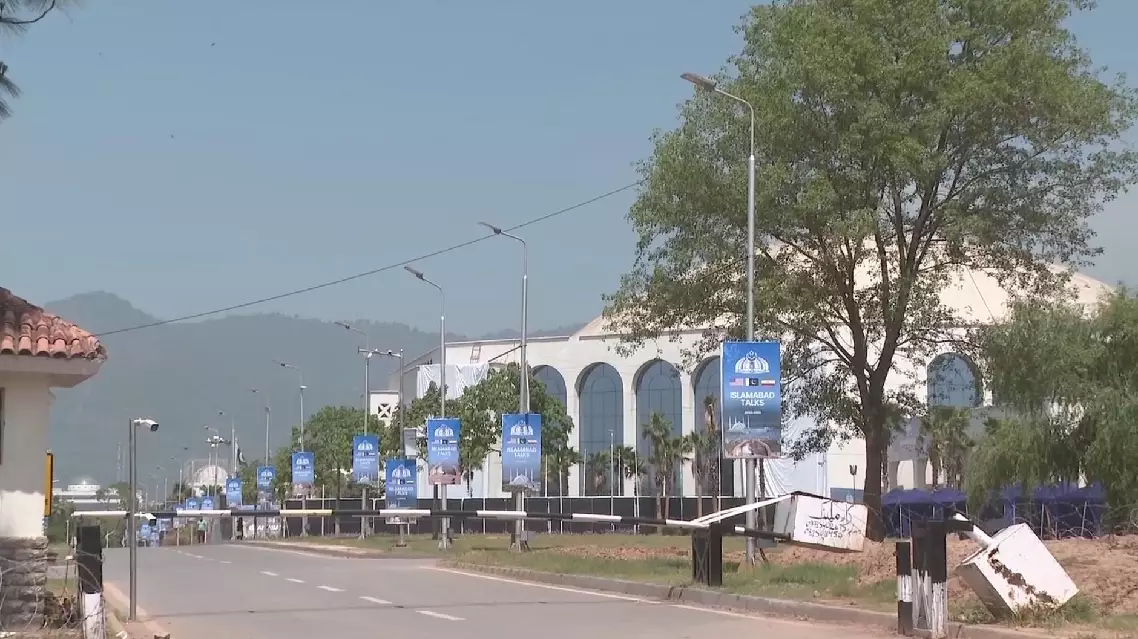
Uncertainty over US-Iran peace talks grows as Trump says he would no longer send delegations for talks