China's foreign exchange market has demonstrated strong resilience since the beginning of this year, said the State Administration of Foreign Exchange (SAFE) on Tuesday.
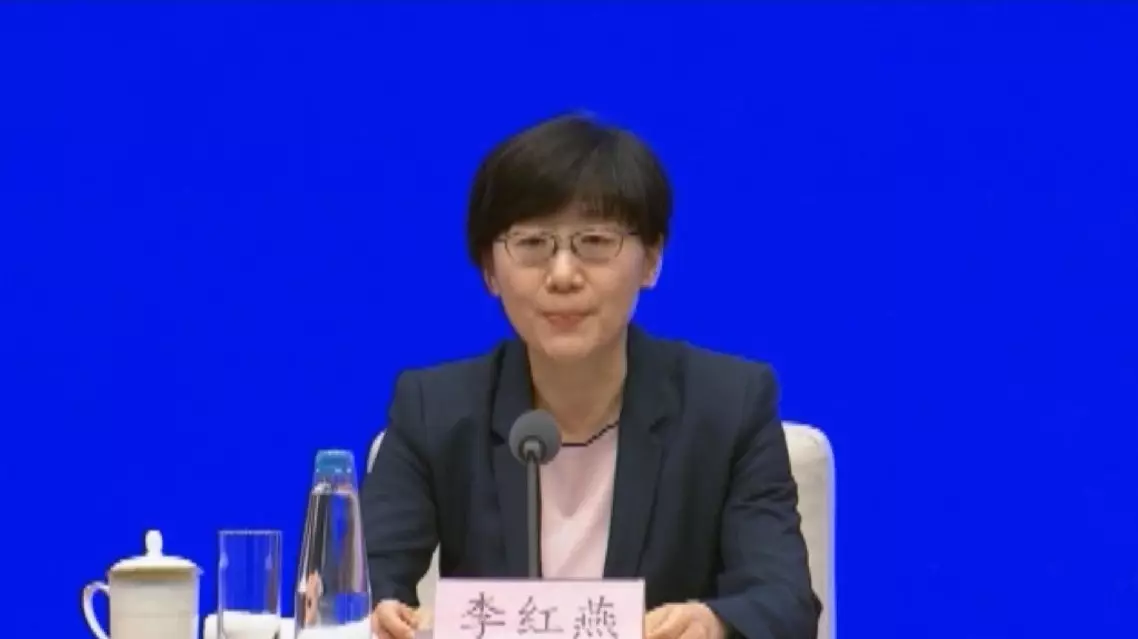
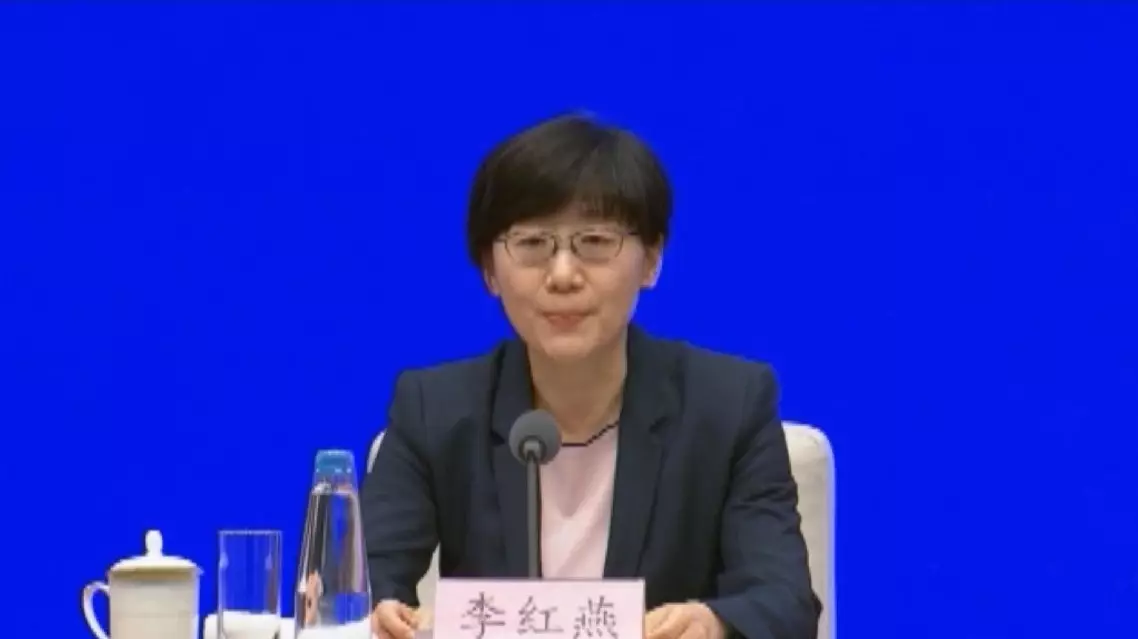
Speaking at a press conference in Beijing, Li Hongyan, deputy head of the SAFE, said the country's foreign exchange market has already stabilized so far this year.
The Chinese yuan exchange rate has remained generally stable, transactions of foreign exchange market have been rational and orderly, and a basic equilibrium has been maintained in the balance of payments. In the future, China's foreign exchange market will have a better foundation and conditions to maintain stability, according to Li.
"Data of international receipts and payments via banks shows that in the first three quarters of 2024, in terms of U.S. dollars, receipts totaled 5.2594 trillion U.S. dollars, and payments reached 5.2566 trillion U.S. dollars, with a surplus totaling 2.8 billion U.S. dollars," she said.
China's forex market shows strong resilience: official
China's forex market shows strong resilience: official
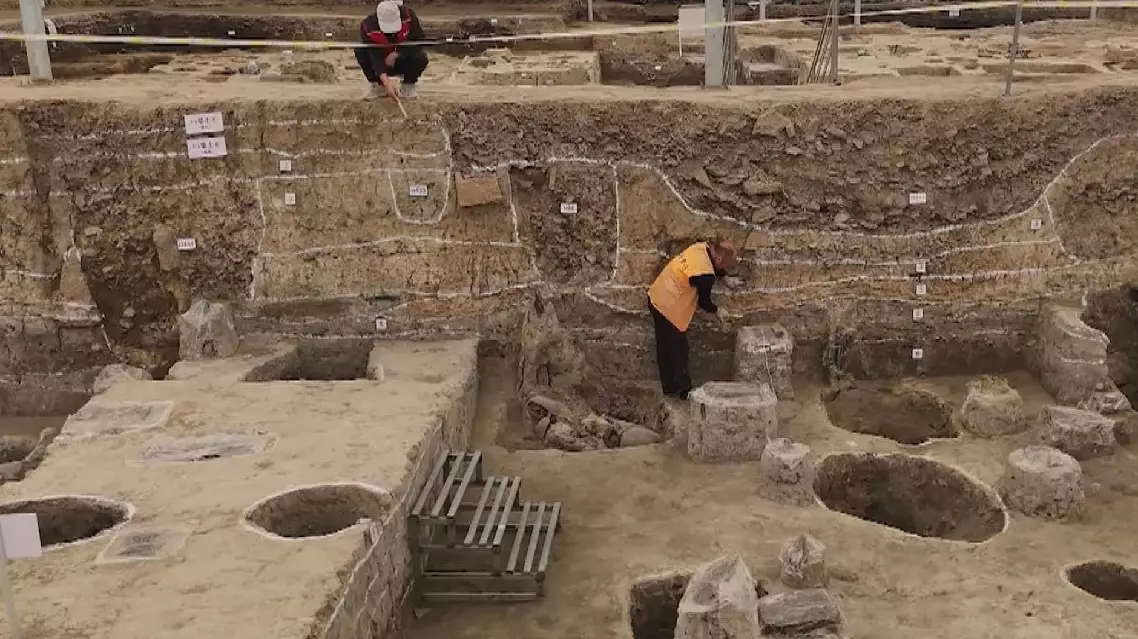
Based on preliminary results released recently, four ancient sites in the Yangtze River Basin have been shortlisted for the final evaluation of China's top 10 archaeological discoveries of 2025.
The four sites span from prehistoric times to the Han Dynasty (202 BC-AD 220) and the Six Dynasties period (222-589). Together, they offer evidence of early human activity as well as remnants of ancient capitals at their peak.
The Chuandong Site is located in Puding County, southwest China's Guizhou Province. Last year, large quantities of artifacts made of stone, bone, and horn were unearthed there, indicating prehistoric human activity dating back more than 55,000 years.
The Shenduntou Site, a typical Zhou Dynasty (1046BC-256BC) copper smelting site in the lower Yangtze River region in east China's Anhui Province, was part of the early Wu Kingdom's official industrial system. It holds great significance for the study of the development of bronze civilization in the Yangtze River basin.
Another shortlisted site, the Jinan City Site, lies in the northern suburbs of Jingzhou City, central China's Hubei Province. Covering an area of approximately 16 square kilometers, it is the largest capital city site from the pre-Qin period (before 221 B.C.) in southern China.
Outside the ancient city, multiple other sites and tombs have been discovered, spanning a total area of over 1,000 square kilometers. The sheer scale of the city ruins and surrounding burial grounds reflect the social landscape of the ancient Chu State at the height of its power.
The final shortlisted site comprises the remains of the capital of the ancient Yue State and the Kuaiji Commandery from the Han to the Six Dynasties period, located in the city of Shaoxing in east China's Zhejiang Province.
This site provides important clues for understanding the layout of the Yue capital and its ritual system. It also offers key evidence for studying the continuity of Chinese civilization and the development of construction techniques in southern China's wetland area.
The unique humid climate and extensive river systems of the Yangtze River Basin have shaped the distinctive cultural character of these sites, reinforcing the view that the Yangtze River Basin is a vital part of the diverse yet unified pattern of Chinese civilization.
Four sites in Yangtze River Basin shortlisted for final evaluation of China's top 10 archaeological discoveries of 2025