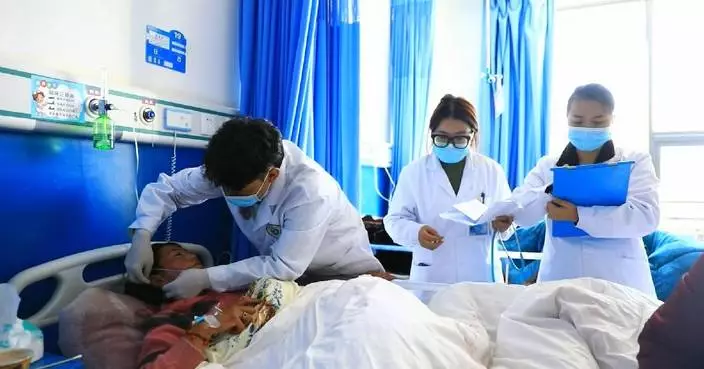
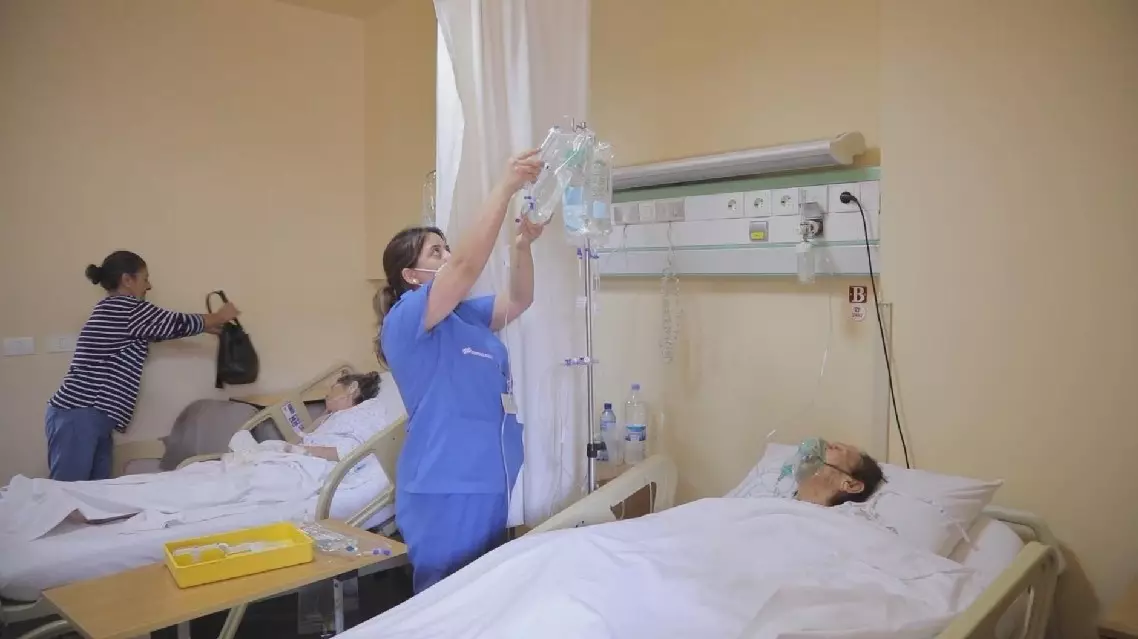
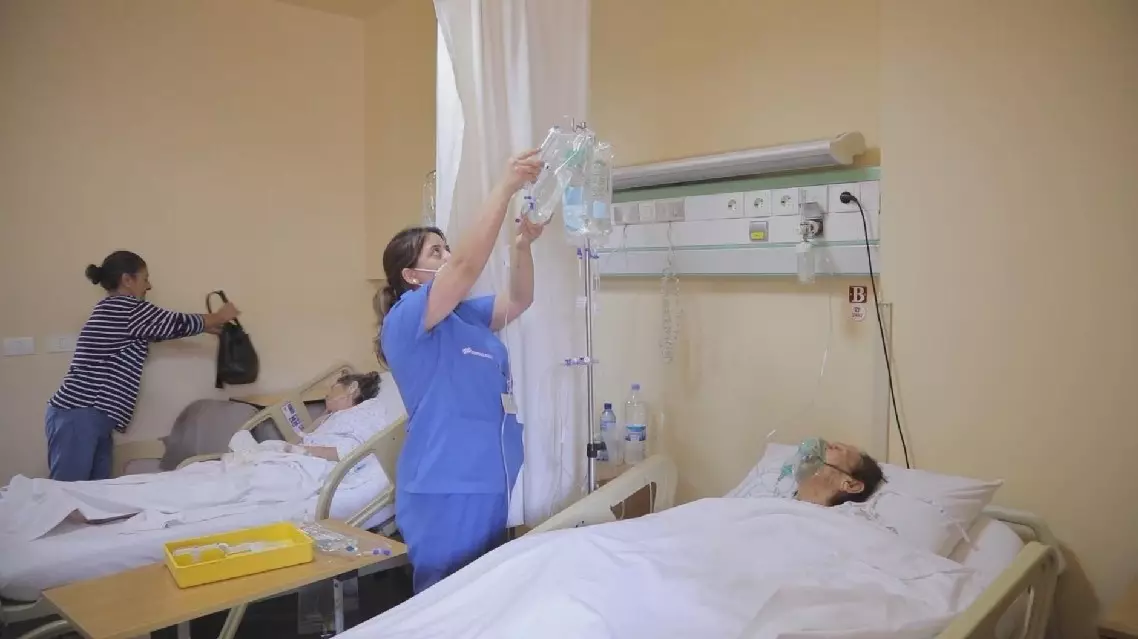
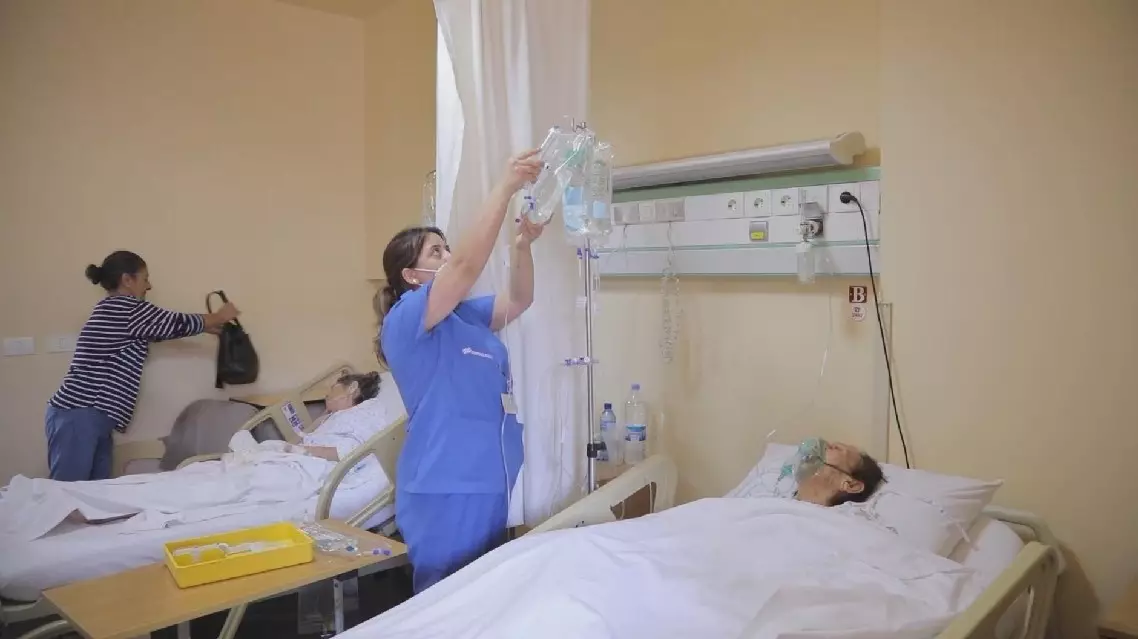
Due to the conflict between Lebanon and Israel, more than 100 medical institutions in Lebanon, about one third of the country's total, were forced to close, said Director-General of the World Health Organization Tedros Adhanom Ghebreyesus on Thursday.
Currently the hospitals and health workers in Lebanon are overwhelmed and also being attacked, the WHO chief said in a social media post, while calling for unimpeded access of humanitarian aid, immediate protection of civilians, health workers and health facilities, financing for the UN Flash Appeal and a ceasefire.
Click to Gallery
Conflict forces closure of one-third health facilities in Lebanon
Conflict forces closure of one-third health facilities in Lebanon
Conflict forces closure of one-third health facilities in Lebanon
Conflict forces closure of one-third health facilities in Lebanon
In the past year, Lebanese medical and health institutions have been attacked 53 times, with 99 patients and staff members killed, according to the WHO.
And due to the deterioration of water and sanitation conditions, a case of cholera was reported in northern Lebanon.
The WHO urged relevant parties to take immediate action to protect Lebanon's medical system.

Conflict forces closure of one-third health facilities in Lebanon
Conflict forces closure of one-third health facilities in Lebanon
Conflict forces closure of one-third health facilities in Lebanon
Conflict forces closure of one-third health facilities in Lebanon
China's innovation capacity continued to strengthen last year, with the innovation environment improving and new growth drivers expanding, providing solid support for high-quality development, official data showed on Friday.
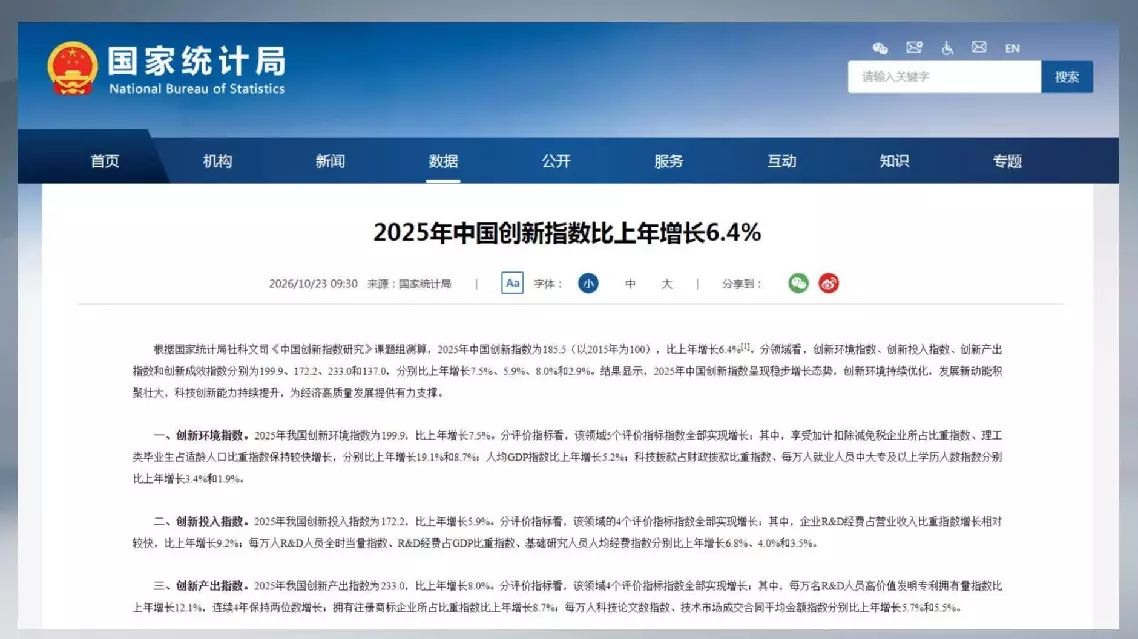
The country's innovation index stood at 185.5 in 2025, up 6.4 percent from a year earlier, according to an annual report released by the National Bureau of Statistics (NBS). The sub-indices measuring the innovation environment, input, output and impact all kept rising last year.
The report noted that multiple indicators performed well, including the share of science and technology appropriations in government budget spending, business R and D spending as a share of operating revenue, R and D spending as a share of GDP, the number of high-value invention patents per 10,000 R and D personnel, overall labor productivity, and high-tech products' share of goods exports.
In China, innovation is gathering pace across the board. From DeepSeek's global splash to humanoid robots that wowed audiences, China's scientific achievements have been translating rapidly into industrial applications. Artificial intelligence (AI), new energy and new materials are among the sectors maintaining strong growth momentum.
In the first three quarters of 2026, new drivers of growth, represented by high-end manufacturing, the digital and intelligent economy, and modern services, contributed more than 40 percent of China's economic growth.
Innovation has long held an important place in China's development strategy. The latest major step comes as the guidelines on developing new quality productive forces were released earlier this month, spelling out the overall goals and key tasks for the 2026-2030 period.
As China actively cultivates future industries, expands emerging sectors and upgrades traditional ones, the momentum built through innovation is steadily converting into economic growth, experts said.
China's innovation gains pace, powering new growth drivers: official data