A spokeswoman for China's central government Taiwan affairs office on Friday slammed Taiwan regional authorities' silence on the 79th anniversary of Taiwan's liberation from Japanese occupation and return to the motherland.
Zhu Fenglian, spokeswoman for the State Council Taiwan Affairs Office, denounced Taiwan's Democratic Progressive Party (DPP) authorities, led by Lai Ching-te, for downplaying and denying the historical significance of this event in response to a media inquiry as Friday marks the 79th anniversary of Taiwan's restoration.
Instead of commemorating the historic event, the DPP authorities led by Lai chose to whitewash Taiwan's colonial past under Dutch and Japanese rules, Zhu noted.
Such actions are a flagrant denial of the outcomes of the Chinese People's War of Resistance Against Japanese Aggression and the World Anti-Fascist War, and a grave dishonor to the sacrifices of Chinese compatriots on both sides of the Taiwan Strait, Zhu said.
In July 1894, Japan launched a war of aggression against China. In the following year, the defeated Qing government was forced to cede Taiwan and the Penghu Islands to Japan.
On Dec. 1, 1943, China, the United States and the United Kingdom issued the Cairo Declaration, stating that it was the purpose of the three allies that all the territories Japan had stolen from China, such as Northeast China, Taiwan and the Penghu Islands, should be restored to China.
On July 26, 1945, the Potsdam Proclamation was signed by China, the United States and the United Kingdom, and subsequently recognized by the Soviet Union. It reiterated: "The terms of the Cairo Declaration shall be carried out."
On Oct. 25, 1945, the Chinese government announced that it was resuming the exercise of sovereignty over Taiwan. From that point forward, China had recovered Taiwan de jure and de facto through a host of documents with international legal effect, Zhu said.
She added that the Taiwan question arose out of China's past weakness and turmoil but will ultimately be resolved as China realizes national rejuvenation.
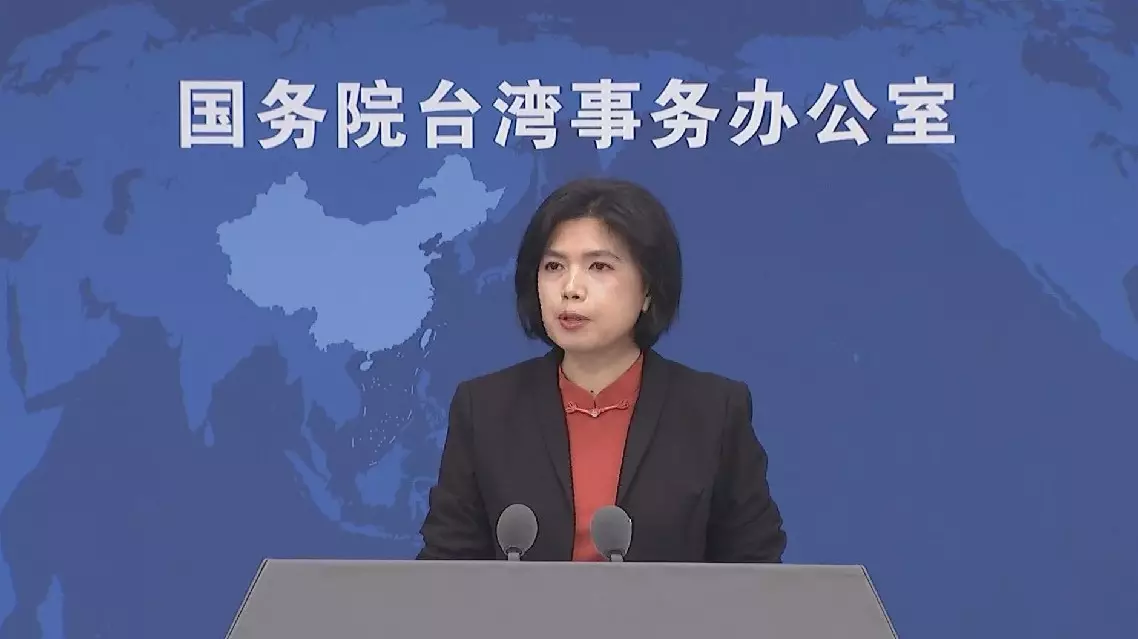
Central Government slams DPP for silence on Taiwan's liberation anniversary
Central Government slams DPP for silence on Taiwan's liberation anniversary
Many countries on Friday urged their citizens to leave or avoid travel to Iran and several other Middle East regions due to escalating U.S.-Iran tensions.
The U.S. Navy's largest aircraft carrier, the USS Gerald R. Ford, arrived off Israel's coast on Friday, raising concerns that the U.S. and Iran may be moving closer to direct military confrontation.
Meanwhile, Abolfazl Shekarchi, a spokesman for Iran's armed forces, said the military is closely monitoring U.S. and Israeli movements, and warned that any provocation by U.S. forces or allied groups would draw a "decisive response," according to Iranian news agency on Friday.
On the same day, the U.S. State Department authorized the departure of non-emergency U.S. government personnel and their families from Israel. U.S. Ambassador to Israel Mike Huckabee urged staff wishing to leave to do so "today," according to U.S. media reports.
The U.S. embassy said it may further restrict travel by government personnel and their families to certain areas of Israel, as well as the Old City of Jerusalem and the West Bank, citing security concerns and warning that measures could be imposed without advance notice.
Concerns have spread beyond the region. The British government said it has temporarily withdrawn staff from Iran, with its embassy continuing to operate remotely, and advised against all travel to the country.
Canada and India also issued similar advisories, with Canada warning that hostilities could erupt with little or no warning.
The French Foreign Ministry issued a security advisory for French nationals against travel to Israel, Jerusalem and the West Bank, citing possible regional repercussions from the situation involving Iran. It warned of potential flight cancellations or delays and urged citizens in affected areas to remain vigilant and avoid gatherings.
Italy also urged its citizens to leave Iran and advised extreme caution across the Middle East. "Italians in (Iran) for tourism or whose presence is not strictly necessary are urged to depart," the foreign ministry said in a statement, strongly discouraging travel to Iraq and Lebanon as well.
Germany updated its travel guidance to discourage travel to all of Israel, expanding earlier advice that had applied only to certain parts of the country.
The Chinese Embassy in Tel Aviv issued a security alert on Friday, urging Chinese nationals in Israel to strengthen precautionary measures as risks in the Middle East further escalated.
The escalation follows a third round of indirect talks between the U.S. and Iran in Geneva.
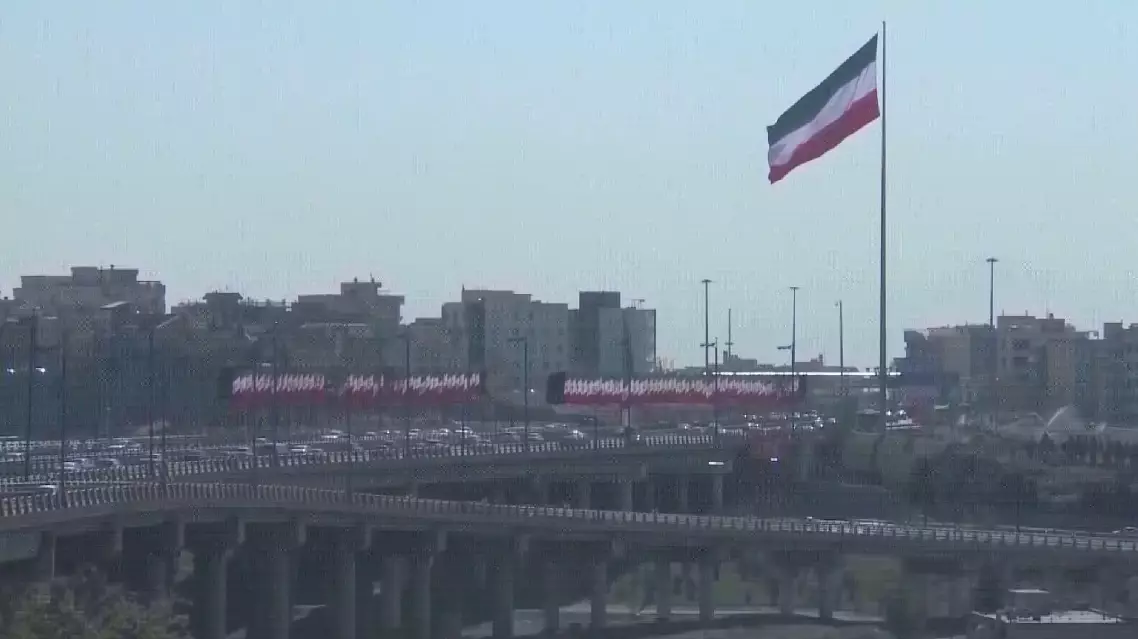
Countries issue security advisory for nationals as U.S.-Iran tensions rise