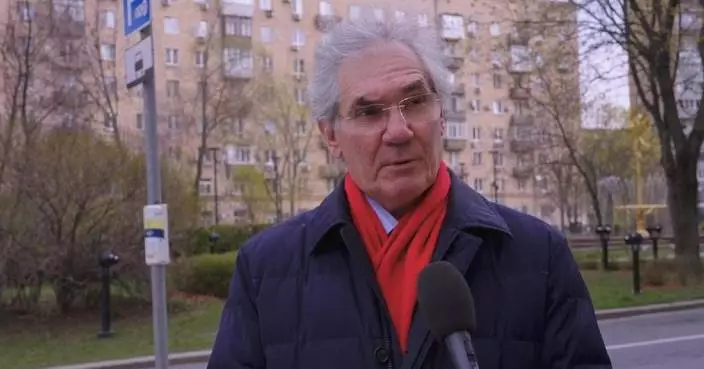
An excerpt of a China Media Group (CMG) documentary showed the largest Red Army martyr cemetery in China, with 25,048 Red Army martyrs buried here.
The Red Army Martyr Cemetery of Sichuan-Shaanxi Revolutionary Base, located in Wangping Village of Tongjiang County of southwest China's Sichuan Province, is the largest Red Army martyr cemetery in China.
Among the 25,048 Red Army martyrs laid to rest here, most did not leave their names, and their tombstones are inscribed with a red star instead.
From October 1934 to October 1936, the Chinese Workers' and Peasants' Red Army troops left their bases and marched through raging rivers, frigid mountains and arid grassland to break the siege of the Kuomintang forces and continued to fight the Japanese invaders.
The ten-episode documentary aired on the CMG military channel from Oct. 17 to 26 is in commemoration of the 90th anniversary of the starting of the Chinese Red Army's Long March. Ninety years ago, the Red Army troops set out from Yudu in east China's Jiangxi Province to begin the epic Long March. They passed through 14 provinces and regions across the country over the years.
The CMG documentary follows the route of the Long March, with the crew dedicating three months to revisiting the 14 provinces and regions.
With aerial photography as a key component of the production, this is the first time that a drone has been used to record the entire journey.
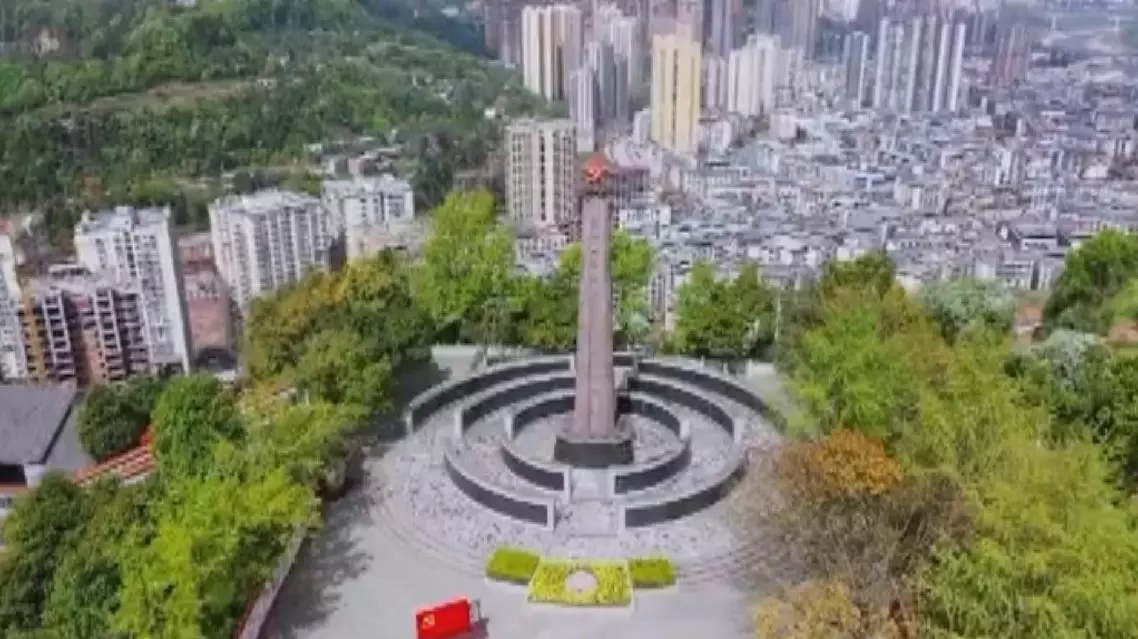
Over 25,000 martyrs buried in China's largest Red Army martyr cemetery: documentary
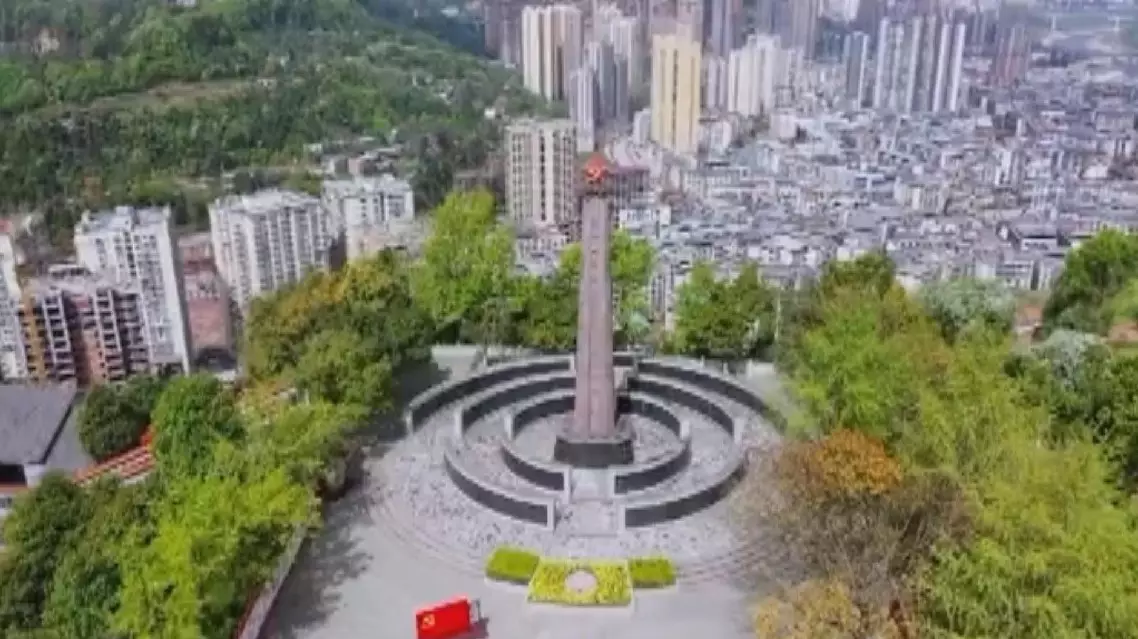
Over 25,000 martyrs buried in China's largest Red Army martyr cemetery:documentary
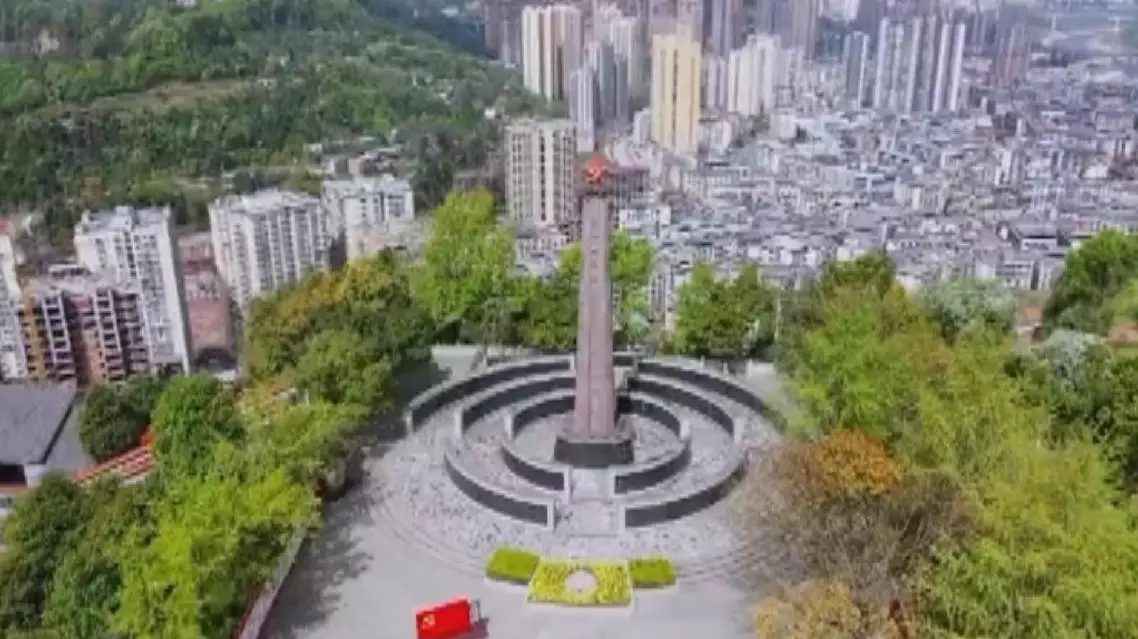
Over 25,000 martyrs buried in China's largest Red Army martyr cemetary:documentary
U.S. President Donald Trump said Friday that he is considering "winding down" the U.S. military strikes against Iran, claiming the United States is "getting very close to" meeting its objectives.
"We are getting very close to meeting our objectives as we consider winding down our great Military efforts in the Middle East" with respect to Iran, Trump said on Truth Social.
The objectives Trump outlined include degrading Iran's missile capabilities, destroying its defense industrial base, eliminating its navy and air force, preventing it from ever approaching nuclear capability and protecting U.S. allies across the region.
Also on Friday, Trump said that he does not want a ceasefire with Iran.
"We can have dialogue, but you know, I don't want to do a ceasefire," Trump told reporters before he departed the White House for Florida, noting "You don't do a ceasefire when you're literally obliterating the other side."
"U.S. government says one thing, reality says another," Iranian Foreign Minister Seyed Abbas Araghchi said Friday on X, questioning White House's repeated claims that Iran's air defenses and Navy have been destroyed.
Trump on Truth Social also said that the Strait of Hormuz, a crucial global energy waterway, should be secured by the countries that rely on it and Washington would assist if asked.
"The Hormuz Strait will have to be guarded and policed, as necessary, by other Nations who use it -- The United States does not! If asked, we will help these Countries in their Hormuz efforts, but it shouldn't be necessary once Iran's threat is eradicated," Trump added.
The United States and Israel launched joint military strikes on Iran on Feb 28, disrupting global shipping, sending oil prices soaring and shaking the global economy.
Trump says considering "winding down" strikes on Iran