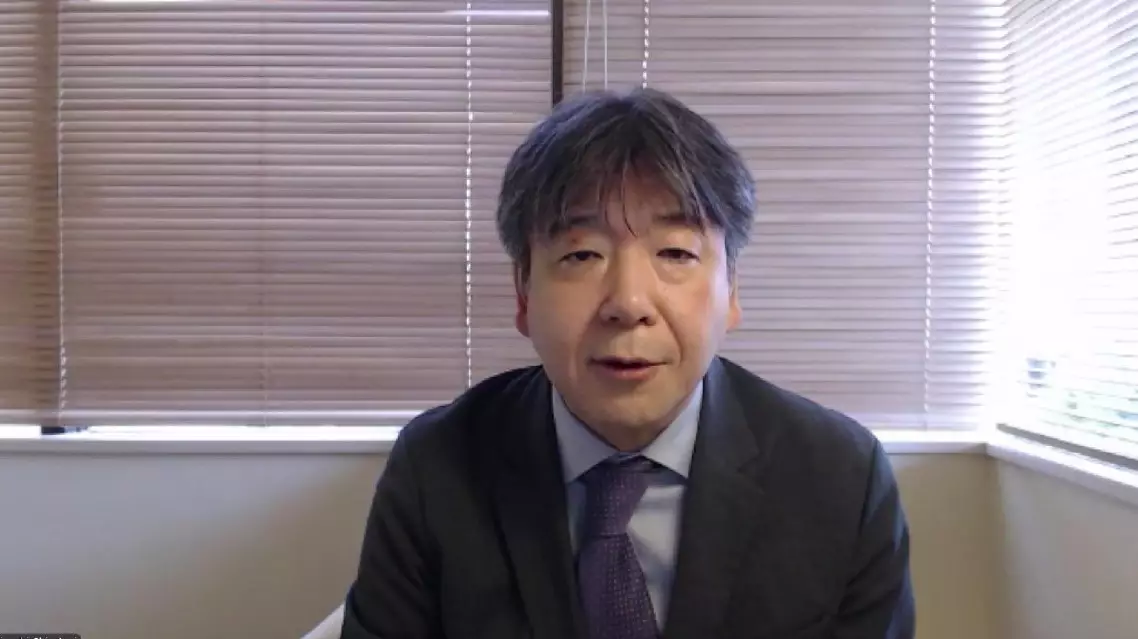
Japan's ruling Liberal Democratic Party (LDP) may lose grip on power as it faces dim prospects to dominate the lower house election amid declining public trust exacerbated by its funds scandal, according to a scholar. Voting for the lower house election began on Sunday morning after Shigeru Ishiba, Japan's prime minister and leader of the LDP, announced on Oct 9 the dissolution of the lower house of parliament and called for elections. With 465 seats up for grabs in the country's 50th House of Representatives election, a total of 1,344 candidates are running, more than the 1,051 in the last such election in 2021. Of the 465 seats, 289 will go to directly elected lawmakers from single-seat constituencies nationwide, while another 176 winners will come through a proportional representation system that divides the country into 11 constituencies. Ishiba has set a modest goal of retaining at least 233 seats for the ruling coalition, enough to maintain a majority in the powerful lower chamber of parliament. Some polls project the LDP and its junior coalition partner Komeito may struggle, as the LDP is facing headwinds over its factional slush funds scandal and may not be able to win even 200 seats, losing its single-party majority. The scandal involved the improper reporting of fundraising income by some LDP members, which has eroded public confidence in the party. Shiratori Hiroshi, a political science professor with the Hosei University in Tokyo, noted that the election could serve as a pivotal moment in reshaping Japan's political landscape.
"Historically, the lower house elections have featured one dominant party - the Liberal Democratic Party - while other political parties have remained weak. As a result, the opposition's influence has diminished significantly in recent years. However, the LDP may lose a substantial number of seats in this election. Under such circumstances, the opposition might gain a stronger foothold, potentially leading to a loss of power for the LDP in the future," said Hiroshi.
As of one week before the vote, only 4.67 million people had participated in early voting, a nearly 20 percent drop compared to the previous lower house election, according to data released by the Ministry of Internal Affairs and Communications on Monday.
Hiroshi attributed the low voter turnout to two main factors: Ishiba's rapid dissolution of the lower house of parliament shortly after assuming office and the erosion of public trust in the LDP due to the scandal.
"This election comes shortly after Ishiba took office, which may leave some voters unsure about the key differences among the political parties. The scandal has diminished voters' trust in the LDP, but the opposition parties are also incompetent. Under these circumstances, the decline in voter turnout is concerning. I believe the low participation in early voting reflects, to some extent, the significant disappointment voters feel regarding the current political climate in Japan," said Hiroshi.
If the LDP loses seats in the election, the pressure on Ishiba - both from within the party and externally - could intensify, Hiroshi noted.
"There is a Senate election scheduled for next year. And the LDP may not secure a victory if Ishiba remains at the helm. Therefore, the pressure on Ishiba will intensify and calls for his resignation will increase. In this case, Ishiba's cabinet may be short-lived," said Hiroshi. Since the 2012 election, when the LDP returned to power after being ousted in 2009, it has won a majority in the 465-seat lower house on its own in four consecutive elections.
Japan's LDP at risk of losing grip on power amid declining public trust: scholar