Palestinian refugees in Gaza have expressed deep concern over the future of services by the United Nations Relief and Works Agency for Palestine Refugees in the Near East (UNRWA), after the Israeli parliament passed on Monday two legislations to prohibit UNRWA from operating in the country, and ban Israeli authorities from any contact with the agency.
Many refugees in Gaza are completely dependent on the services provided by UNRWA such as food, health, education and shelter.
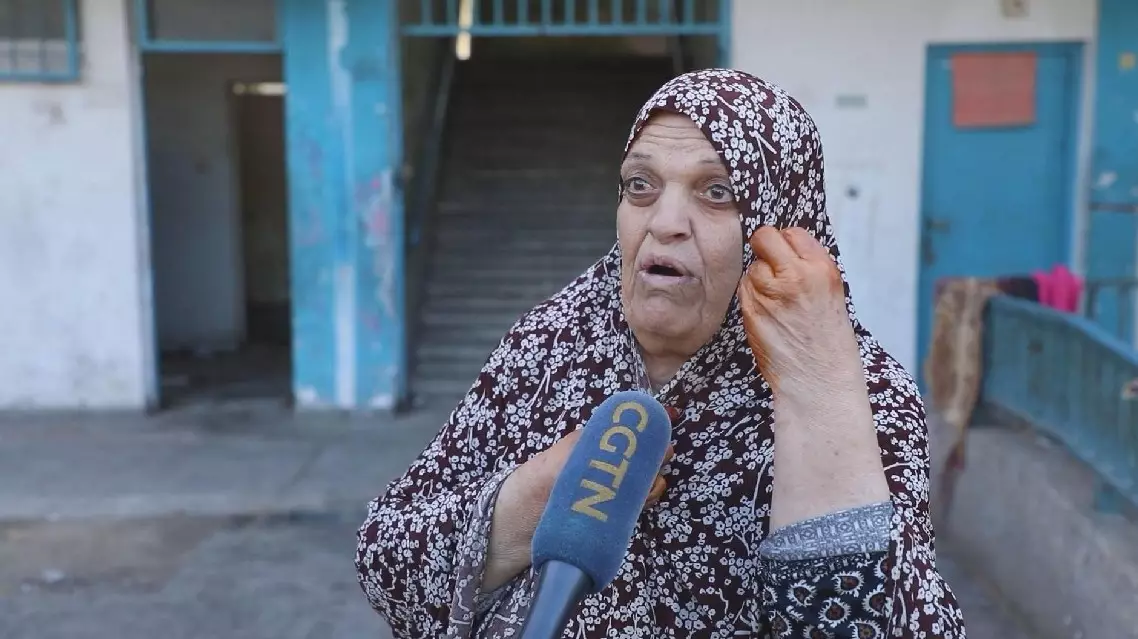
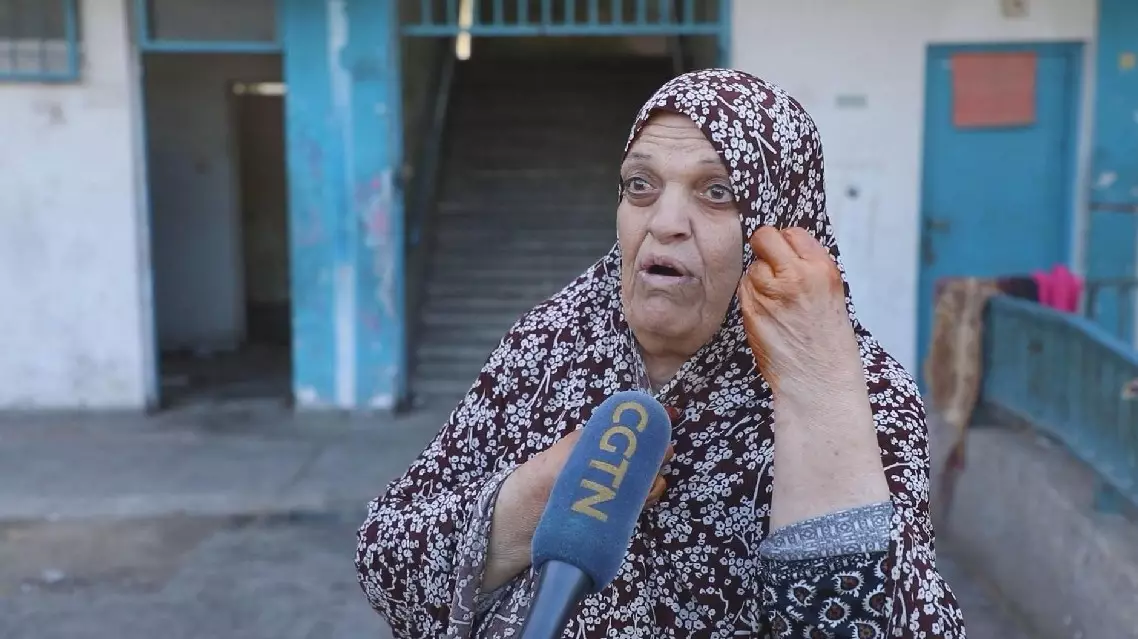
At a shelter school in the central Gaza Strip, local refugees including Um Mohammed Salah hope that medical care from UNRWA will not stop.
"They should provide us with medicine. We are already short on food, and we cannot bear a shortage of medicines. We already can't afford food. What shall we do, and why have they done that to us? It is our given right, as our life is already gone," she said.
There are about 6 million Palestinian refugees registered with the UN services in the Gaza Strip. UNRWA serves about 1.7 million Palestinian refugees.
In the West Bank and east Jerusalem, it helps more than 870,000 refugees, who will be directly affected by the Israeli decision.
"We need all hands on deck, we need all humanitarian partners, but especially UNRWA to be able to operate. Already right now, we are not able to address the basic needs of people. UNRWA is playing an important part in terms of alleviating the suffering of people here in Gaza, bringing assistance to children and family, and if they are no longer able to operate, that will not bring anything good for anybody," said UNICEF Communication Specialist Rosalia Bollen.
The UN Security Council said Wednesday that the UNRWA "remains the backbone of all humanitarian response in Gaza", affirming that no organization can replace or substitute its capacity and mandate to serve Palestinian refugees and civilians in urgent need of life-saving humanitarian assistance.
In a press statement, the members of the Security Council emphasized the vital role of UNRWA in providing life-saving humanitarian assistance to Palestinian refugees through essential education, health, relief and social services programs and emergency assistance in the occupied Palestinian territory, Jordan, Lebanon and Syria.
The council members strongly warned against any attempts to dismantle or diminish UNRWA's operations and mandate, recognizing that any interruption or suspension of its work would have severe humanitarian consequences for millions of Palestinian refugees and also implications for the region.
The council members expressed their grave concern over the legislations adopted by the Israeli parliament, and urged the Israeli government to abide by its international obligations, respect the privileges and immunities of UNRWA and live up to its responsibility to allow and facilitate full, rapid, safe and unhindered humanitarian assistance in all its forms into and throughout the entire Gaza Strip.
Palestinian refugees express deep concern over Israel's UNRWA ban
Palestinian refugees express deep concern over Israel's UNRWA ban