CHP urges public not to buy or consume herbal product suspected to contain lead
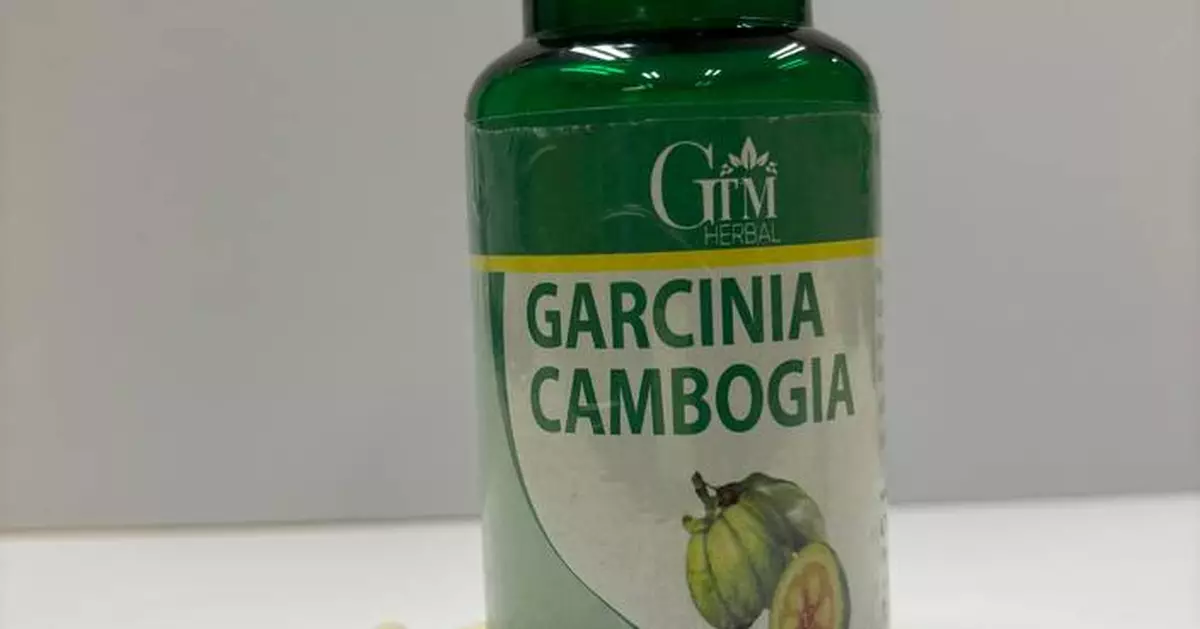
The Centre for Health Protection (CHP) of the Department of Health today (November 7) is investigating a lead poisoning case, and appealed to members of the public not to buy or consume a certain herbal product as it may contain lead, which is harmful to one's health.
The CHP received a notification of a lead poisoning case from the Hospital Authority involving a 62-year-old female, who presented with loss of appetite in late September. She was admitted to Queen Elizabeth Hospital from October 12 to 18. Blood tests during hospital admission identified a high blood lead level together with anaemia and liver impairment. Her clinical diagnosis was lead poisoning. The patient was readmitted on October 24. She is in stable condition and has been discharged from hospital.
After receiving the notification, the CHP commenced investigations immediately. The patient reported consuming a herbal product labelled as "Garcinia Cambogia" for several months. She bought this herbal product from an overseas online shop. Testing of the product by the Government Laboratory revealed that the product contains lead. As the herbal product was manufactured in Nepal as labelled, the product has been referred to the relevant department of the Nepal Government for follow-up.
The CHP's investigation is ongoing.
"Lead has no essential function in man, but has a number of adverse effects. Acute exposure to high doses of lead may cause abdominal pain and vomiting. Chronic exposure to lead, depending on the lead level inside the body, is associated with a wide range of health effects, including neurodevelopmental effects, anaemia, high blood pressure, gastrointestinal symptoms, impaired renal function and neurological impairment," a spokesman for the CHP said.
The spokesman strongly urged people who are consuming this product to stop consuming it immediately. They should consult healthcare professionals as soon as possible if they feel unwell or are in doubt.
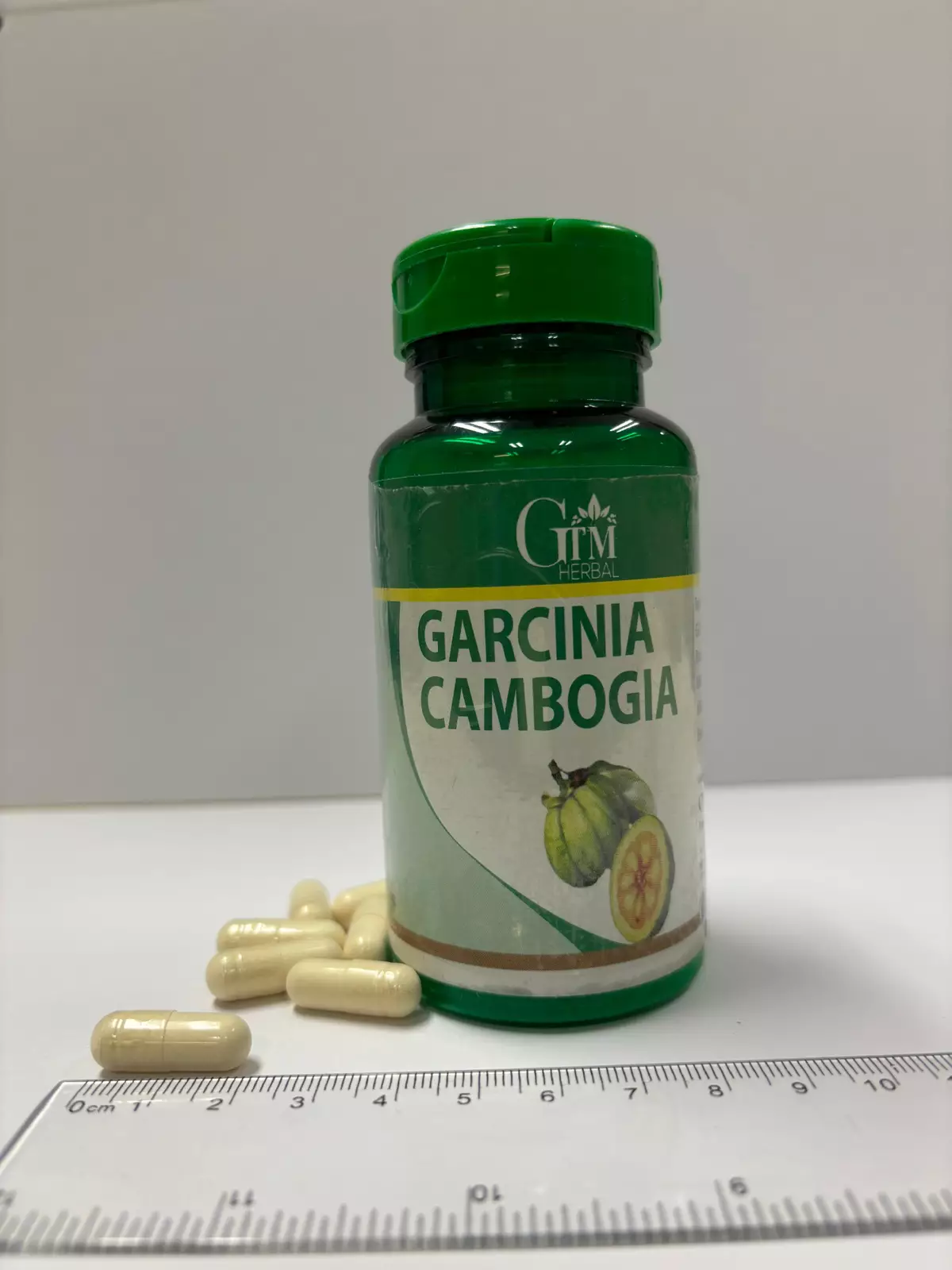
CHP urges public not to buy or consume herbal product suspected to contain lead Source: HKSAR Government Press Releases
Hong Kong Customs detects two dangerous drugs cases and seizes suspected drugs worth about $3.4 million
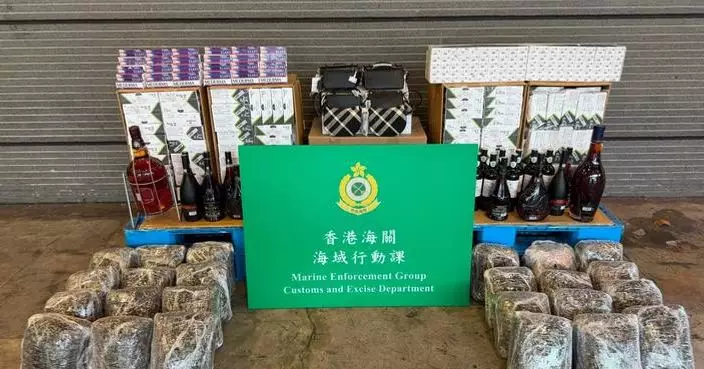
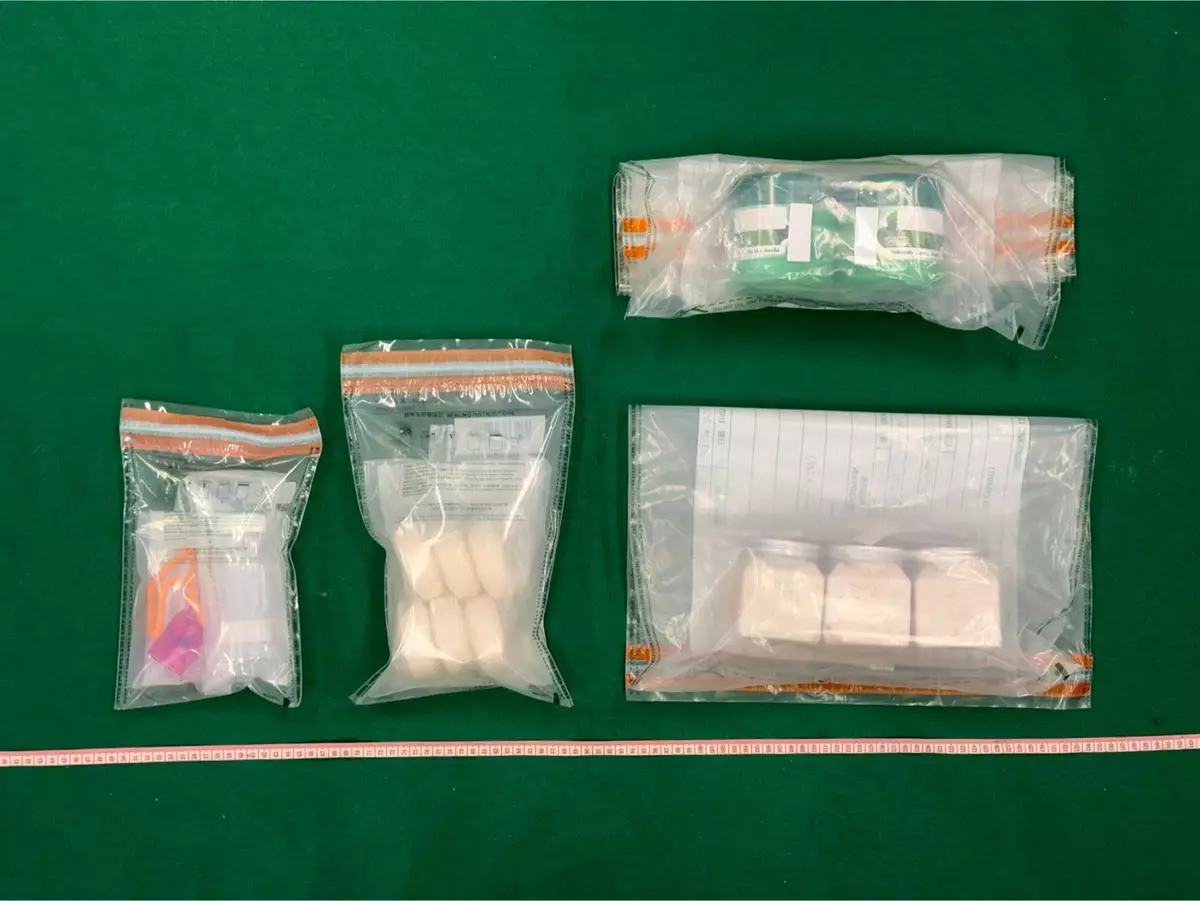
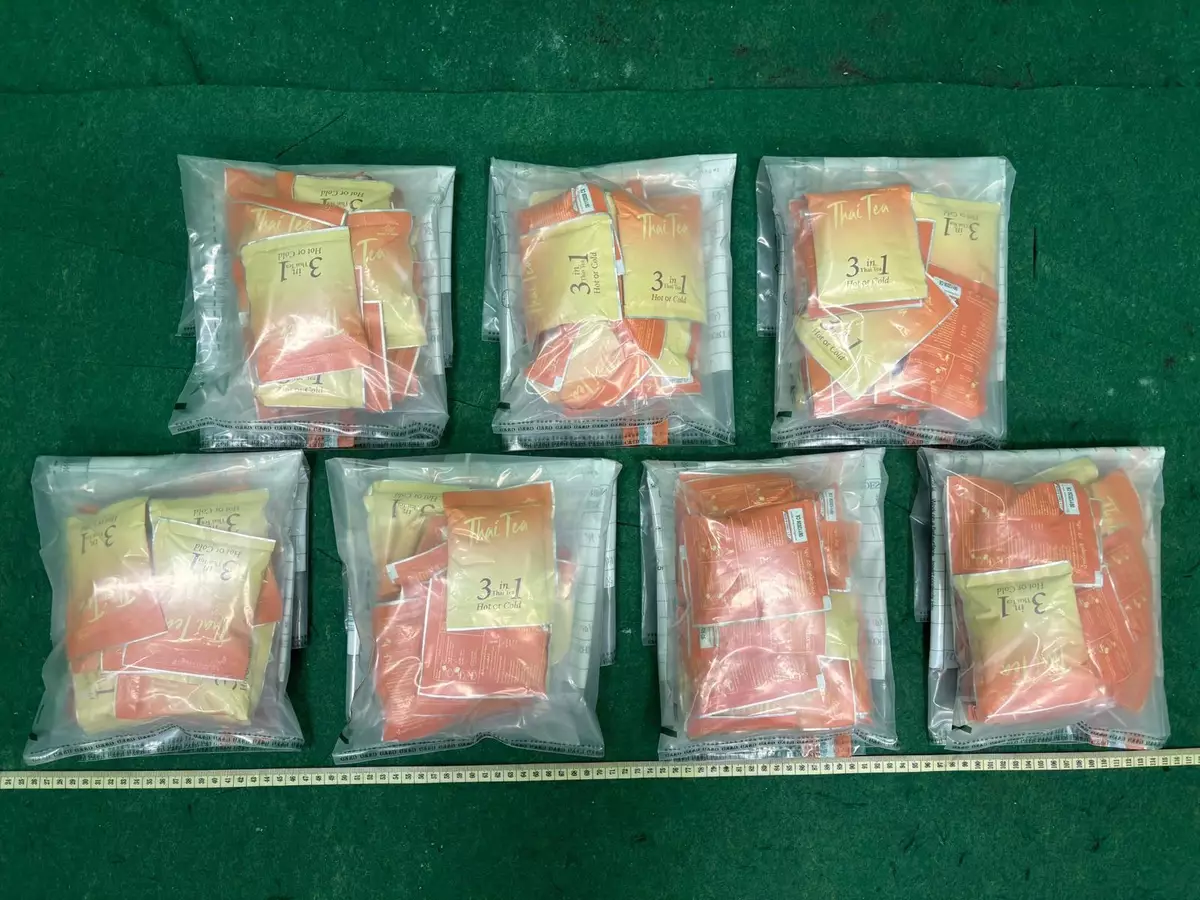
Hong Kong Customs detected two dangerous drugs cases in Hong Kong International Airport and Yau Ma Tei respectively on April 1 and yesterday (April 2), and seized a total of about 3.1 kilograms of suspected ketamine, about 1.7 kilograms of suspected cocaine and about 1.7 kilograms of suspected methamphetamine with a total estimated market value of about $3.4 million. Two persons suspected to be connected with the cases were arrested.
In the first case, a 43-year-old male passenger arrived in Hong Kong from Bangkok, Thailand on April 1. During customs clearance, Customs officers found about 3.1 kilograms of suspected ketamine concealed inside food packaging in his baggage. The man was subsequently arrested.
In the second case, during an anti-narcotics operation conducted in Yau Ma Tei on April 2, Customs officers intercepted a 41-year-old man and later escorted him to a hotel room nearby for a search and seized about 1.7 kilograms of suspected cocaine, about 1.7 kilograms of suspected methamphetamine, a drug inhaling apparatus and a batch of drug packaging paraphernalia. The man was subsequently arrested.
The arrested persons have been charged with one count of trafficking in a dangerous drug respectively and will appear at the Kwun Tong Magistrates' Courts tomorrow (April 4).
Customs will continue to step up enforcement against drug trafficking activities through intelligence analysis. The department also reminds members of the public to stay alert and not to participate in drug trafficking activities for monetary return. They must not accept hiring or delegation from another party to carry controlled items into and out of Hong Kong. They are also reminded not to carry unknown items for other people, nor to release their personal data or home address to others for receiving parcels or goods.
Customs will continue to apply a risk assessment approach and focus on selecting passengers from high-risk regions for clearance to combat transnational drug trafficking activities.
Under the Dangerous Drugs Ordinance, trafficking in a dangerous drug is a serious offence. The maximum penalty upon conviction is a fine of $5 million and life imprisonment.
Members of the public may report any suspected drug trafficking activities to Customs' 24-hour hotline 182 8080 or its dedicated crime-reporting email account (crimereport@customs.gov.hk) or online form (eform.cefs.gov.hk/form/ced002).
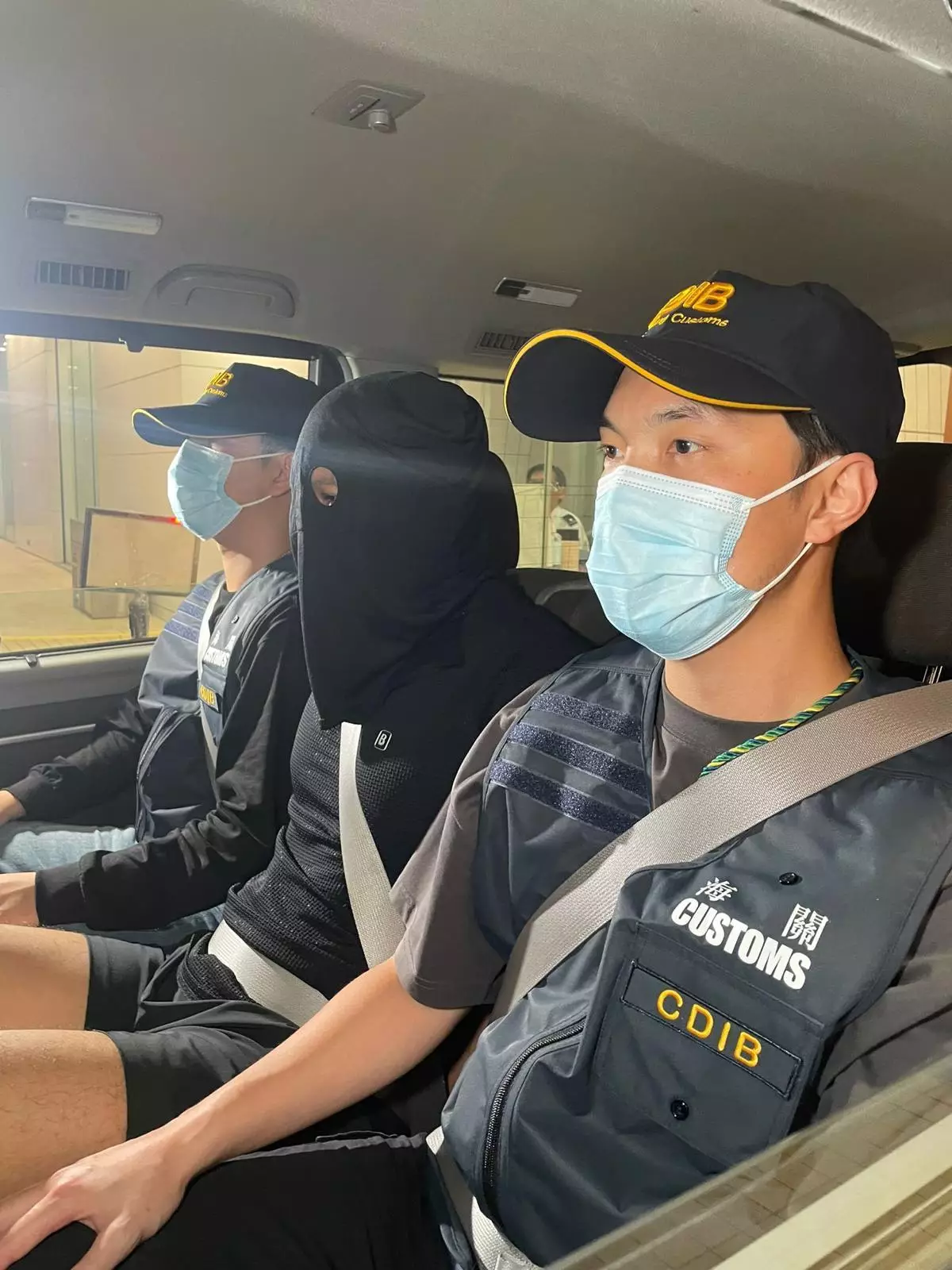
Hong Kong Customs detects two dangerous drugs cases and seizes suspected drugs worth about $3.4 million Source: HKSAR Government Press Releases
Hong Kong Customs detects two dangerous drugs cases and seizes suspected drugs worth about $3.4 million Source: HKSAR Government Press Releases
Hong Kong Customs detects two dangerous drugs cases and seizes suspected drugs worth about $3.4 million Source: HKSAR Government Press Releases