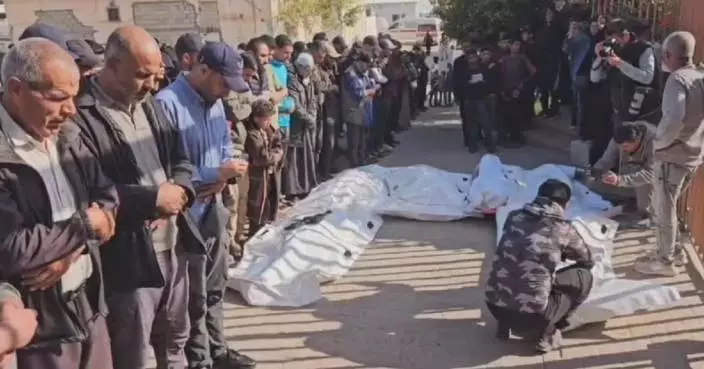
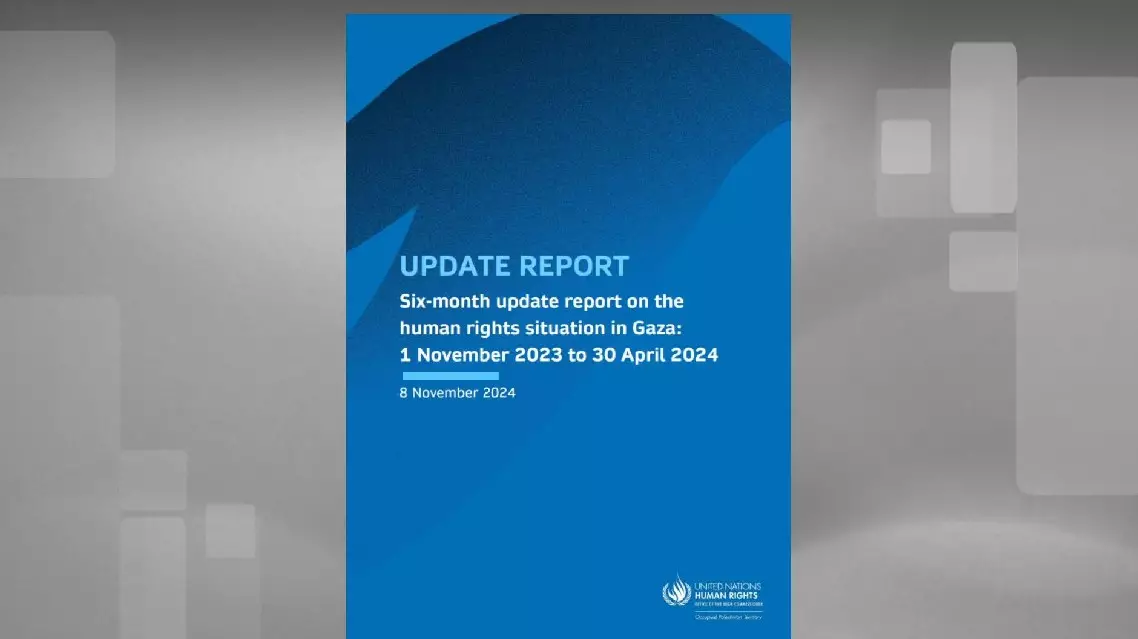
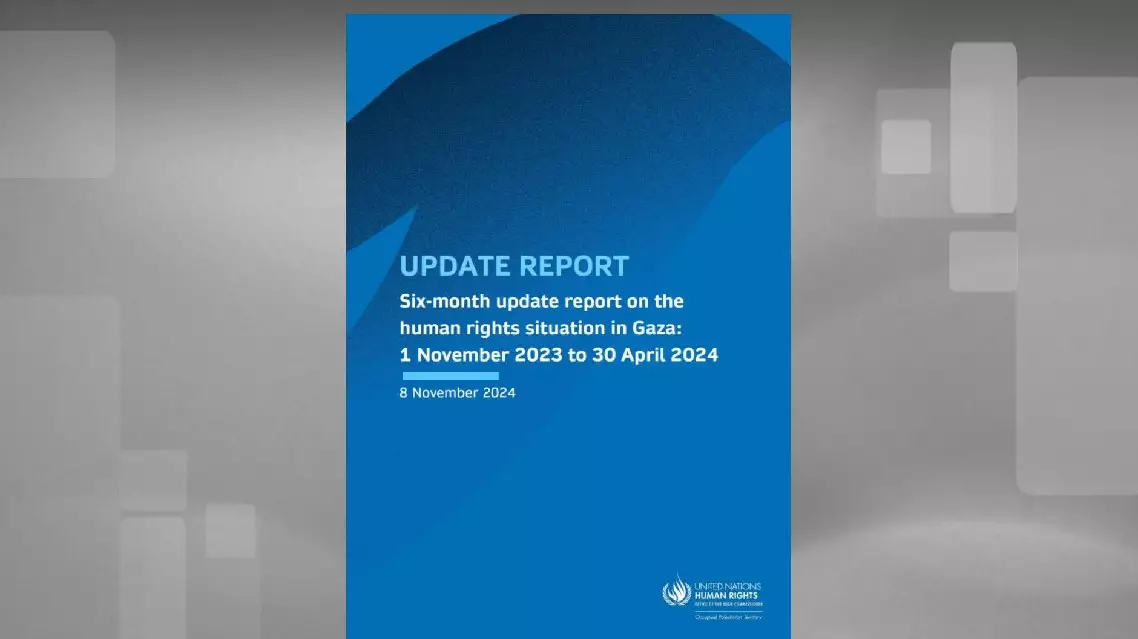
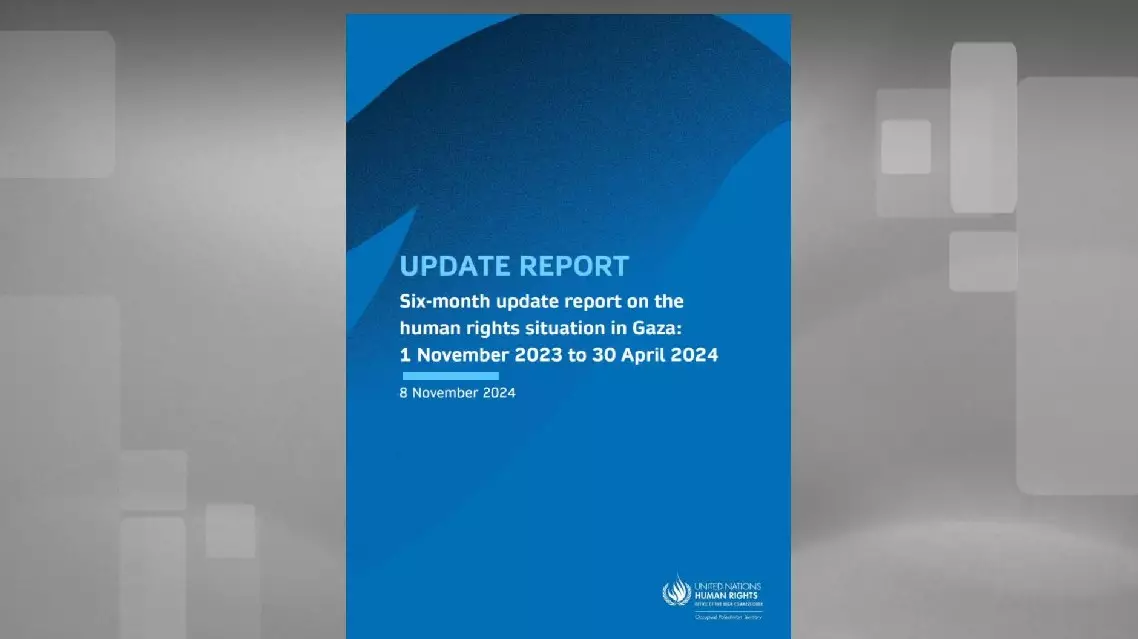
The United Nations Office of the High Commissioner for Human Rights (OHCHR) issued a report on Friday, asserting that there must be "due reckoning" for the horrific violations and potential atrocity crimes occurring in the Gaza Strip.
Spanning the period from November 2023 to April 2024, the report provides a detailed examination of unlawful acts, including the deliberate targeting of civilians and other serious breaches of international humanitarian law. It indicates that many of these actions may constitute war crimes, highlighting the urgent need for a comprehensive response to the ongoing humanitarian crisis.
UN Human Rights Chief Volker Türk emphasized that Israel must fully and immediately fulfill its international obligations to prevent, protect against and punish acts of genocide and associated prohibited conduct.
The report reveals that nearly 70 percent of those killed in Gaza due to hostilities, including airstrikes, were women and children, and approximately 80 percent of fatalities occurred in residential buildings or similar structures.
It calls for further investigation and full accountability into all violations and alleged violations in accordance with international law.
"It is essential that there is due reckoning with respect to the allegations of serious violations of international law through credible and impartial judicial bodies and that, in the meantime, all relevant information and evidence are collected and preserved," Türk said.
Türk also called on UN member states to reassess military sales and support to the parties involved in the conflict, particularly when such assistance carries a significant risk of serious violations of international law.
"The violence must stop immediately, the hostages and those arbitrarily detained must be released, and we must focus on flooding Gaza with humanitarian aid," he said.
Israel's unrelenting attacks on the Gaza Strip have killed 43,508 Palestinians and injured 102,684 others over the past 13 months since October 7, 2023, according to the enclave's health authorities on Friday.
UN Human Rights office demands accountability for violations, atrocity in Gaza
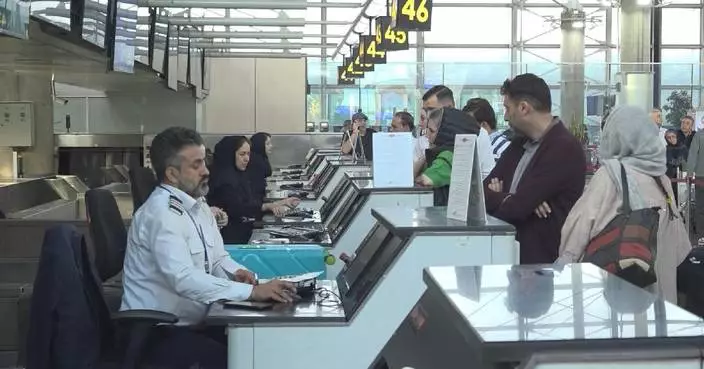
The Iranian government is focusing on public concerns and maintaining stable supplies of essential goods amid recent protests, Iranian President Masoud Pezeshkian said in a televised interview on Sunday.
In the city of Karaj, northwest of the capital Tehran, daily life has largely continued as normal. A video filmed by a local resident on Sunday shows food stores open and grocery shelves fully stocked.
"This is the block near my home, and there are some food stores here. Daily life continues here. Last night we did not see many protests in Karaj. Right now the city is very safe. This is a grocery store close to my home. All the food is available; nothing is in shortage. Here are noodles and different types of beans. Here are dairy products, cheese, and yogurt. I also checked other grocery stores and didn't see any shortages. Everything is available," said local resident Ali Reza.
Iranian officials have described recent disturbances as acts orchestrated by the "enemy," including some carried out by well-trained and armed "terrorists." The incidents have caused casualties among security personnel and civilians, as well as property damage.
The Secretary of Iran's Supreme National Security Council Ali Larijani has directed authorities to severely punish the "terrorists."
Meanwhile, Iran's police chief Ahmad-Reza Radan said on Sunday that the police had raised alert levels and arrested several leaders of the troublemakers during the operations on Saturday.
President Pezeshkian noted in the interview that the normal demands of the Iranian people are reasonable and justified, but they must realize that triggering riots and carrying out terrorist acts are the enemy's attempts to undermine the country. He urged the public to remain vigilant.
Also on Sunday, Iranian Parliament Speaker Mohammad Baqer Qalibaf warned that Tehran would regard U.S. and Israeli bases and facilities in the Middle East as "legitimate targets" if Washington takes military action against Iran. His remarks followed media reports saying U.S. President Donald Trump is "seriously considering authorizing a strike" against Iran.
Iranian state media reported that at least 109 members of Iran's security forces have been killed in clashes since the protests began 14 days ago. Meanwhile, human rights groups based outside the country said the number of protesters killed has exceeded 200, though the figure could not be independently verified.
The protests initially erupted over a sharp depreciation of the rial and sweeping subsidy reforms. Iranian authorities have blamed the unrest on foreign-linked agents and sanctions imposed by the United States.
Iranian president says government focusing on ensuring supplies amid protests