The majority of strokes could be prevented, according to new guidelines aimed at helping people and their doctors do just that.
Stroke was the fourth leading cause of death in the U.S. in 2023, according to the Centers for Disease Control and Prevention, and more than half a million Americans have a stroke every year. But up to 80% of strokes may be preventable with better nutrition, exercise and identification of risk factors.
The first new guidelines on stroke prevention in 10 years from the American Stroke Association, a division of the American Heart Association, include recommendations for people and doctors that reflect a better understanding of who gets strokes and why, along with new drugs that can help reduce risk.
The good news is that the best way to reduce your risk for stroke is also the best way to reduce your risk for a whole host of health problems — eat a healthy diet, move your body and don't smoke. The bad news is that it's not always so easy to sustain.
Dr. Sean Duke, a stroke doctor at the University of Mississippi Medical Center, blames the forces in society that keep people sedentary and eating poorly, like cell phones and cheap, unhealthy food. “Our world is stacked against us,” he said.
Here's what to know about stroke and the new guidelines:
A stroke happens when blood flow to part of the brain is blocked or if a blood vessel in the brain bursts. That deprives the brain of oxygen which can cause brain damage that can lead to difficulty thinking, talking and walking, or even death.
Eating healthy can help control several factors that increase your risk for stroke, including high cholesterol, high blood sugar, and obesity, according to the heart association.
The group recommends foods in the so-called Mediterranean diet such as fruits, vegetables, whole grains and olive oil, which can help keep cholesterol levels down. It suggests limiting red meat and other sources of saturated fat. Instead, get your protein from beans, nuts, poultry, fish and seafood.
Limit highly processed foods and foods and drinks with a lot of added sugar. This can also reduce your calorie intake, which helps keep weight in check.
Getting up and walking around for at least 10 minutes a day can “drastically” reduce your risk, said Dr. Cheryl Bushnell, a neurologist at Wake Forest University School of Medicine who was part of the group that came up with the new guidelines. Among the many benefits: Regular exercise can help reduce blood pressure, a major risk factor for stroke.
Of course, more is better: The heart association recommends at least 150 minutes of moderate aerobic or 75 minutes of vigorous activity — or some combination — per week. How you do it doesn't matter so much, experts said: Go to the gym, take a walk or run in your neighborhood or use treadmills or stepper machines at home.
Diet and exercise can help control weight, another important risk factor for strokes. But a new class of drugs that can drastically reduce weight have been approved by regulators, providing new tools to reduce stroke risk since guidelines were last updated.
The guidelines now recommend that doctors consider prescribing these drugs, including those sold under the brand names Ozempic, Wegovy, Mounjaro and Zepbound, to people with obesity or diabetes.
But while those drugs can help, people still need to eat well and get exercise, cautions Dr. Fadi Nahab, a stroke expert at Emory University Hospital.
The new guidelines for the first time recommend doctors screen patients for other factors that could increase stroke risk, including sex and gender and non-medical factors such as economic stability, access to health care, discrimination and racism. For example, the risk for having a first stroke is nearly twice as high for Black adults in the U.S. as it is for white adults, according to the CDC.
“If somebody doesn’t have insurance or they can’t get to a doctor’s office because of transportation issues or they can’t get off work to get health care ... these are all things that can impact the ability to prevent stroke," Bushnell said.
Doctors may be able to point to resources for low-cost health care or food, and can give ideas about how to be active without breaking the bank for a gym membership.
The guidelines also now recommend doctors should screen for conditions that could increase a woman's risk for stroke, such as high blood pressure during pregnancy or early menopause.
Three of the most common stroke symptoms include face weakness, arm weakness and difficulty speaking. And time is important, because brain damage can happen quickly and damage can be limited if a stroke is treated quickly. Stroke experts have coined an acronym to help you remember: FAST. F for face, A for arm, S for speech, and T for time. If you think you or a loved one could be having a stroke, call 911 right away.
AP data journalist Kasturi Pananjady contributed to this story.
The Associated Press Health and Science Department receives support from the Robert Wood Johnson Foundation. The AP is solely responsible for all content.

FILE - A beach goer exercises as the sun rises above the Atlantic Ocean, Feb. 1, 2023, in Surfside, Fla. (AP Photo/Wilfredo Lee, File)
WASHINGTON (AP) — Defense Secretary Pete Hegseth said Tuesday the Pentagon will not publicly release unedited video of a U.S. military strike that killed two survivors of an initial attack on a boat allegedly carrying cocaine in the Caribbean, as questions mounted in Congress about the incident and the overall buildup of U.S. military forces near Venezuela.
President Donald Trump further ramped up the pressure late Tuesday by announcing a blockade of all sanctioned oil tankers into Venezuela, which has long relied on oil revenue as the lifeblood of its economy.
Hegseth said members of the Armed Services Committee in the House and Senate would have an opportunity this week to review the attack video, but did not say whether all members of Congress would be allowed to see it as well.
“Of course we're not going to release a top secret, full, unedited video of that to the general public,” Hegseth told reporters as he exited a closed-door briefing with senators.
Trump's Cabinet members overseeing national security were on Capitol Hill on Tuesday to defend a campaign that has killed at least 95 people in 25 known strikes on vessels in international waters in the Caribbean and eastern Pacific. Overall, they defended the campaign as a success, saying it has prevented drugs from reaching American shores, and they pushed back on concerns that it is stretching the bounds of lawful warfare.
Secretary of State Marco Rubio told reporters the campaign is a “counter-drug mission” that is “focused on dismantling the infrastructure of these terrorist organizations that are are operating in our hemisphere, undermining the security of Americans, killing Americans, poisoning Americans.”
Lawmakers have been focused on the Sept. 2 attack on two survivors as they sift through the rationale for a broader U.S. military buildup in the region. On the eve of the briefings, the U.S. military said it attacked three more boats believed to have been smuggling drugs in the eastern Pacific Ocean, killing eight people.
Senate Democratic leader Chuck Schumer said Hegseth had come “empty handed” to the briefing, without a pledge to more broadly release the video of the Sept. 2 strike.
“If they can’t be transparent on this, how can you trust their transparency on all the other issues swirling about in the Caribbean?” the New York Democrat said.
Senators on both sides of the aisle said the officials left them in the dark about Trump's goals when it comes to President Nicolás Maduro or sending U.S. forces directly to the South American nation.
“I want to address the question, is it the goal to take him out? If it’s not the goal to take him out, you’re making a mistake,” said Sen. Lindsey Graham, a South Carolina Republican who defended the legality of the campaign and said he wanted to see Maduro removed from power.
The U.S. has deployed warships, flown fighter jets near Venezuelan airspace and seized an oil tanker as part of its campaign against Maduro, who has insisted the real purpose of the U.S. military operations is to force him from office. Maduro said on a weekly state television show Monday that his government still does not know the whereabouts of the tanker’s crew. He criticized the United Nations for not speaking out against what he described as an “act of piracy” against “a private ship carrying Venezuelan oil.”
Maduro's government for years has evaded U.S. oil sanctions by smuggling its crude into global supply chains on a shadow fleet of unflagged tankers.
Trump's Republican administration has not sought any authorization from Congress for action against Venezuela. The go-it-alone approach, experts say, has led to problematic military actions, none more so than the strike that killed two people who had climbed on top of part of a boat that had been partially destroyed in an initial attack.
“If it’s not a war against Venezuela, then we’re using armed force against civilians who are just committing crimes,” said John Yoo, a Berkeley Law professor who helped craft the George W. Bush administration's legal arguments and justification for aggressive interrogation after the Sept. 11, 2001, attacks. “Then this question, this worry, becomes really pronounced. You know, you’re shooting civilians. There’s no military purpose for it."
Yet for the first several months, Congress received little more than a trickle of information about why or how the U.S. military was conducting the operations. At times, lawmakers have learned of strikes from social media after the Pentagon posted videos of boats bursting into flames.
Hegseth now faces language included in an annual military policy bill that threatens to withhold a quarter of his travel budget if the Pentagon does not provide unedited video of the strikes to the House and Senate Committees on Armed Services.
For some, the controversy over the footage demonstrates the flawed rationale behind the entire campaign.
“The American public ought to see it. I think shooting unarmed people floundering in the water, clinging to wreckage, is not who we are as a people," said Sen. Rand Paul, a Kentucky Republican who has been an outspoken critic of the campaign.
But senators were told the Trump administration won’t release all of the Sept. 2 attack footage because it would reveal U.S. military practices on intelligence gathering, said Democratic Sen. Elizabeth Warren of Massachusetts. She said the reasoning ignores that the military has already released footage of the initial attack.
“They just don’t want to reveal the part that suggests war crimes,” she said.
Some GOP lawmakers are determined to dig into the details of the Sept. 2 attack. Adm. Frank “Mitch” Bradley, who ordered the second strike, was expected back on Capitol Hill on Wednesday for classified briefings with the Senate and House Armed Services committees. The committees would also review video of the Sept. 2 strikes, Hegseth said.
Still, many Republicans emerged from the briefings backing the campaign, defending their legality and praising the “exquisite intelligence” that is used to identify targets. House Speaker Mike Johnson called the strike “certainly appropriate” and “necessary to protect the United States and our interests.”
__
Associated Press writer Regina Garcia Cano in Caracas, Venezuela, contributed reporting.
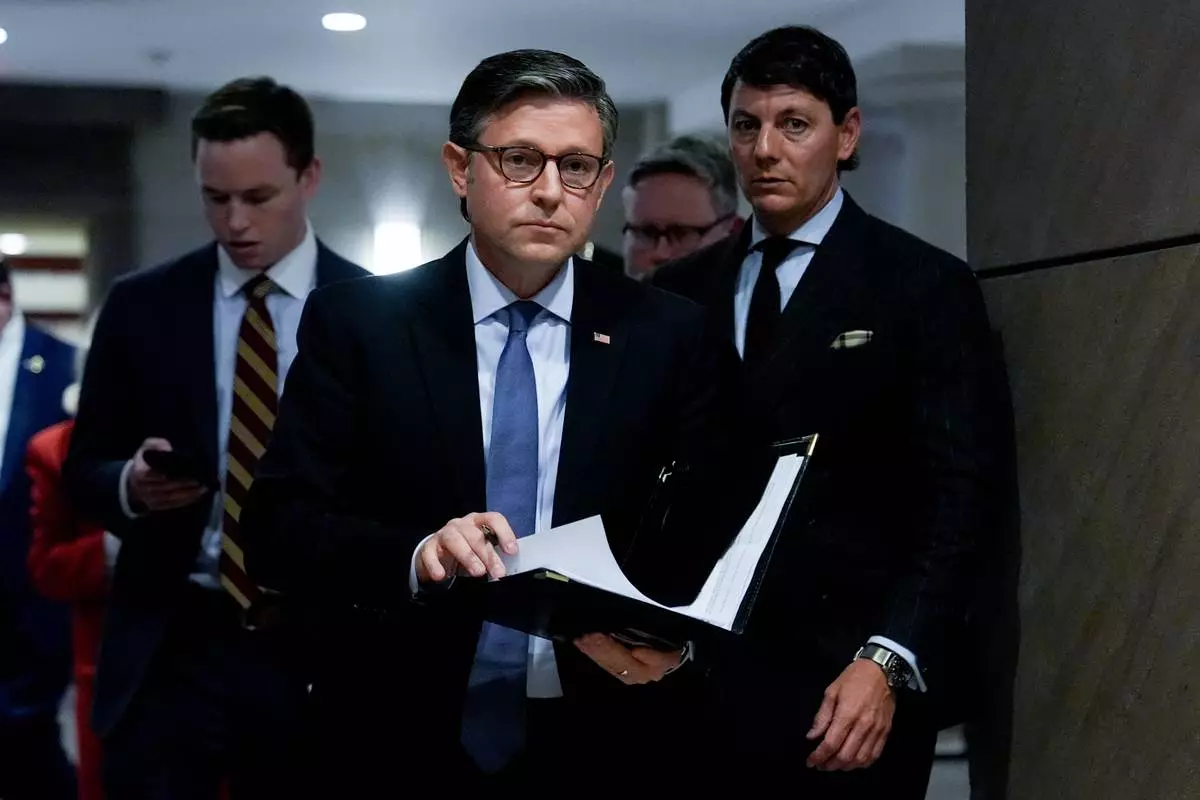
Speaker of the House Mike Johnson, R-La., departs a briefing on military strikes near Venezuela, Tuesday, Dec. 16, 2025, at the Capitol in Washington. (AP Photo/Julia Demaree Nikhinson)
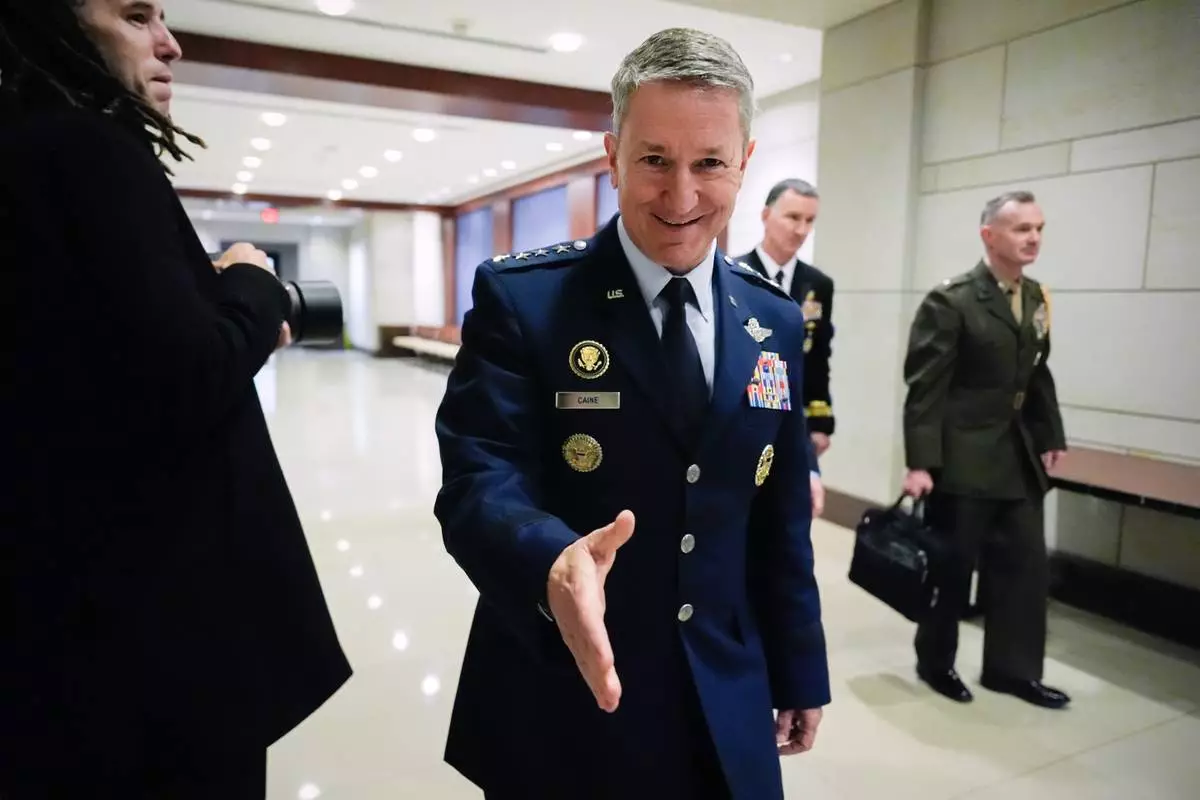
Chairman of the Joint Chiefs Air Force Gen. Dan Caine arrives to brief members of Congress on military strikes near Venezuela, Tuesday, Dec. 16, 2025, at the Capitol in Washington. (AP Photo/Julia Demaree Nikhinson)
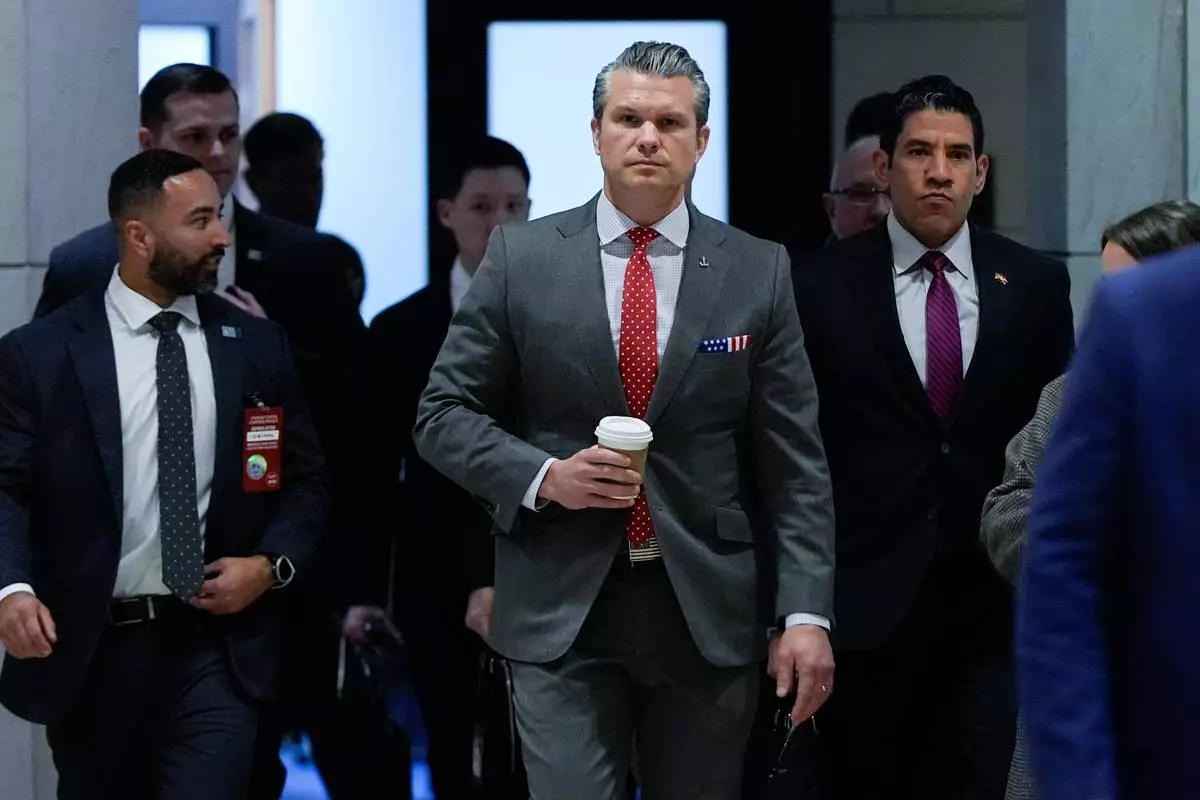
Defense Secretary Pete Hegseth arrives to brief members of Congress on military strikes near Venezuela, Tuesday, Dec. 16, 2025, at the Capitol in Washington. (AP Photo/Julia Demaree Nikhinson)
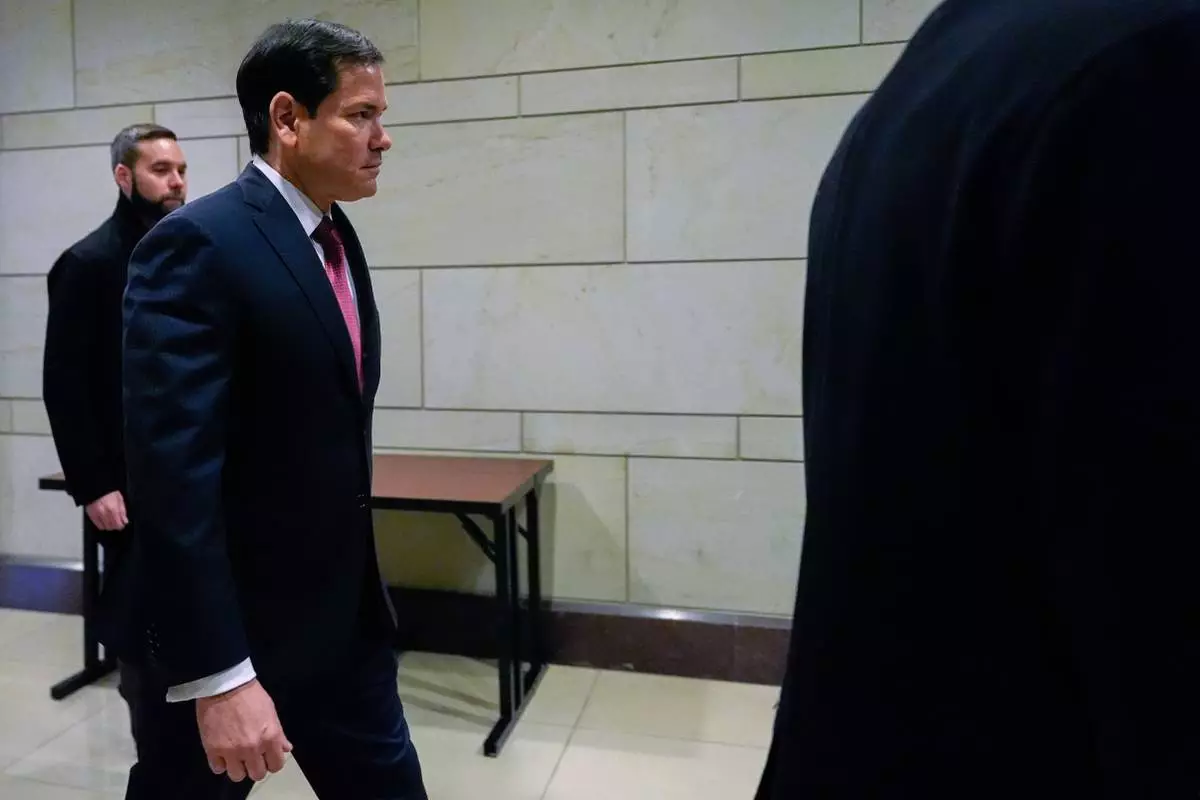
Secretary of State Marco Rubio arrives to brief members of Congress on military strikes near Venezuela, Tuesday, Dec. 16, 2025, at the Capitol in Washington. (AP Photo/Julia Demaree Nikhinson)
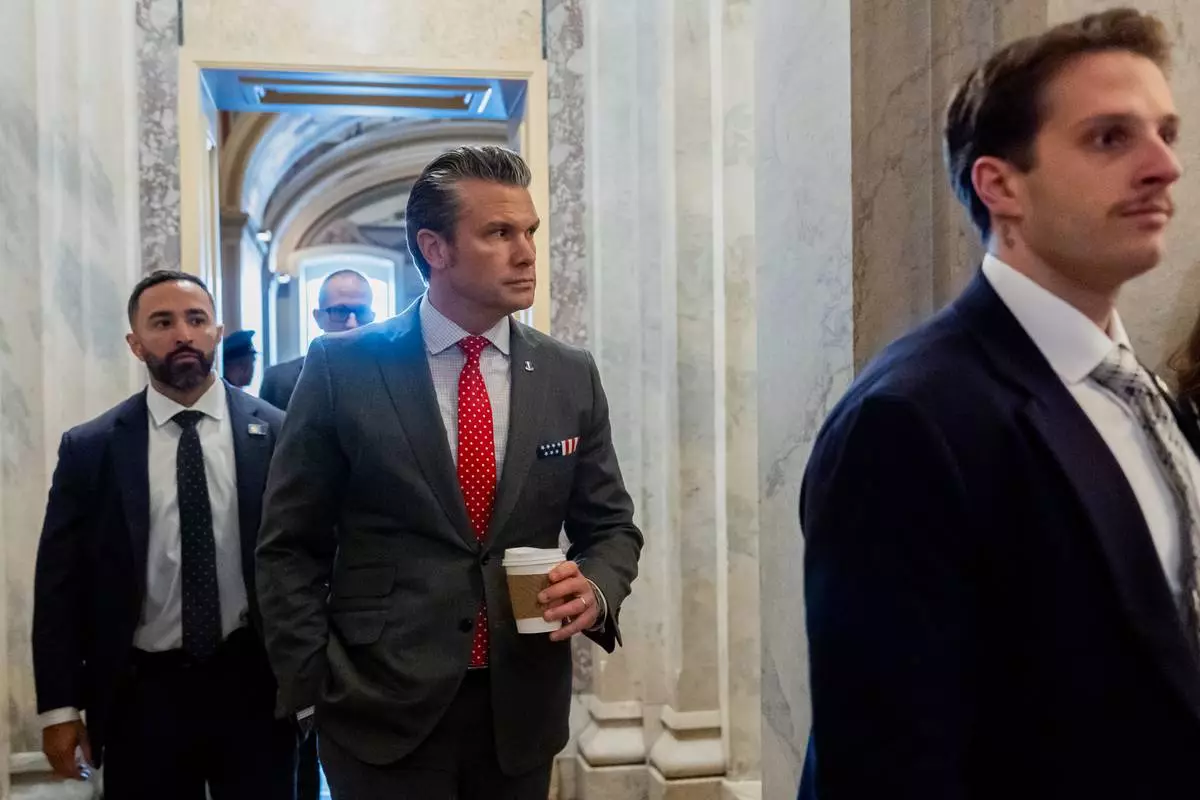
Defense Secretary Pete Hegseth departs the Capitol after briefing members of Congress on military strikes near Venezuela, Tuesday, Dec. 16, 2025, in Washington. (AP Photo/Julia Demaree Nikhinson)
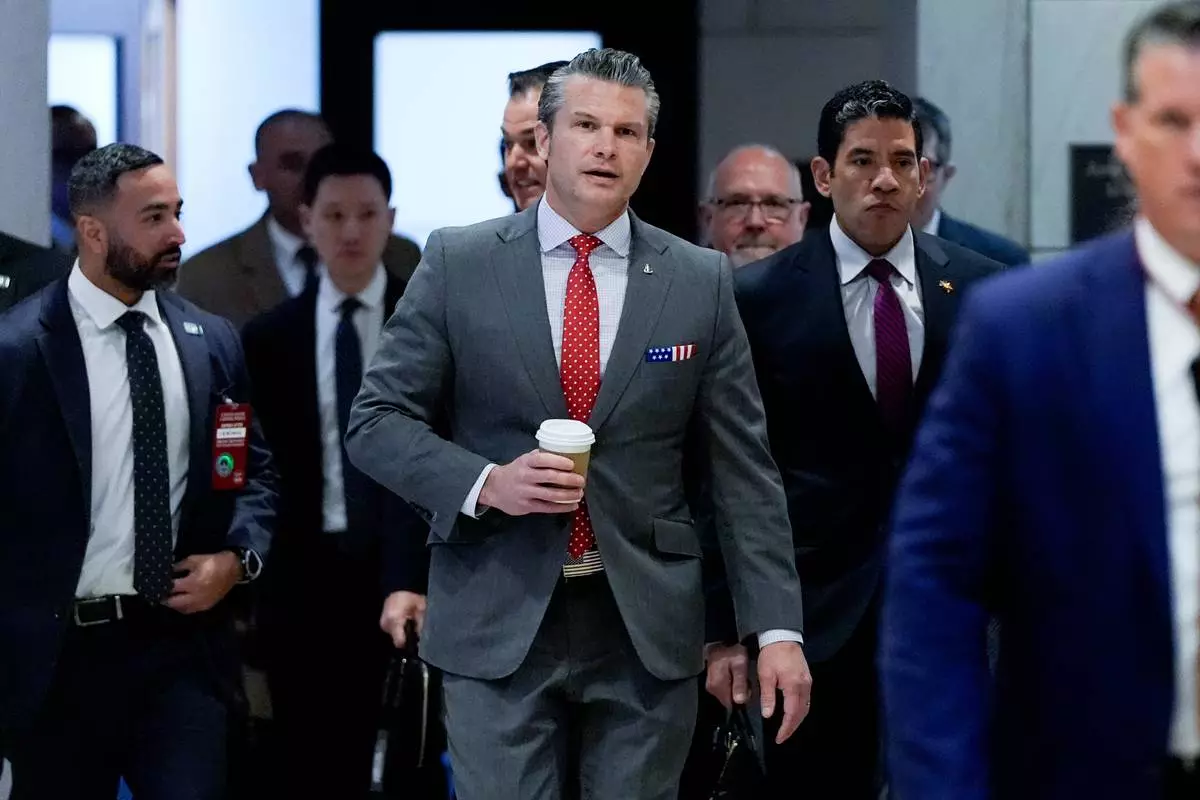
Defense Secretary Pete Hegseth arrives to brief members of Congress on military strikes near Venezuela, Tuesday, Dec. 16, 2025, at the Capitol in Washington. (AP Photo/Julia Demaree Nikhinson)
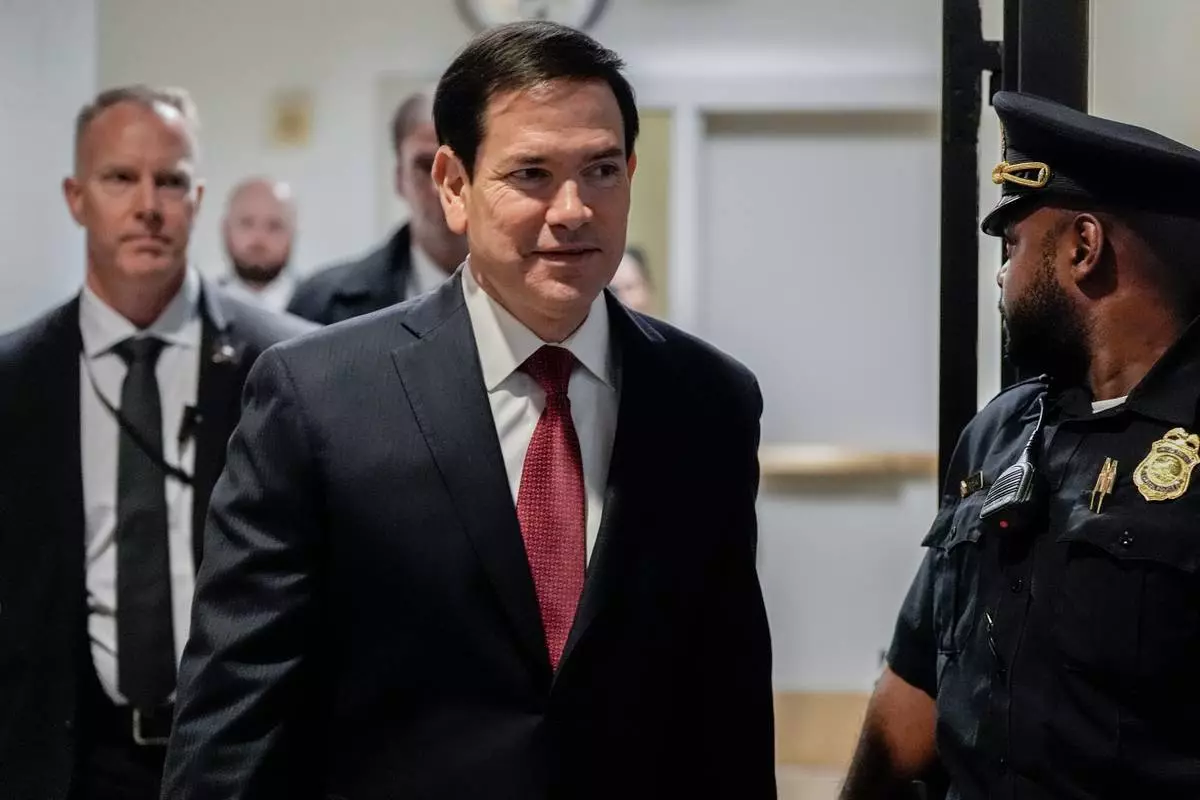
Secretary of State Marco Rubio walks to a secure room in the basement of the Capitol to brief senators on military strikes near Venezuela, Tuesday, Dec. 16, 2025, in Washington. (AP Photo/Julia Demaree Nikhinson)
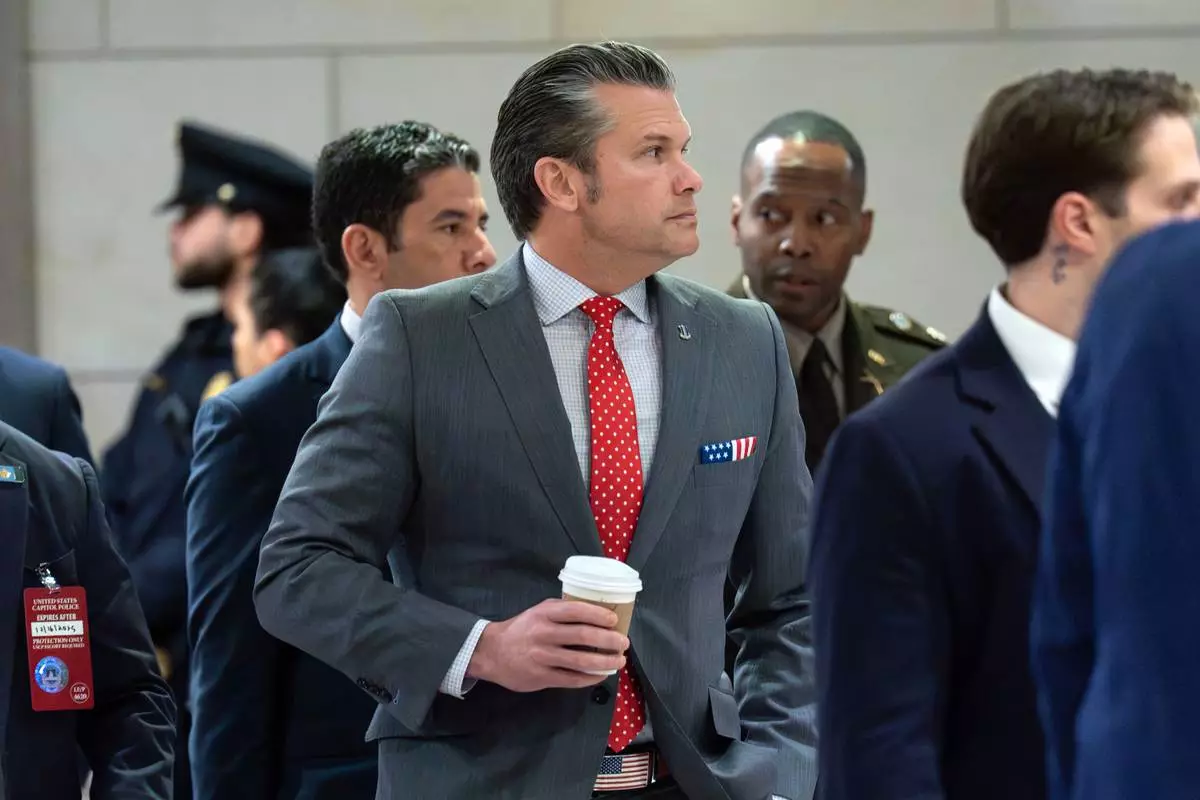
Defense Secretary Pete Hegseth walks to the auditorium to brief members of congress on military strikes near Venezuela at the Capitol, Tuesday, Dec. 16, 2025, in Washington. (AP Photo/Jose Luis Magana)
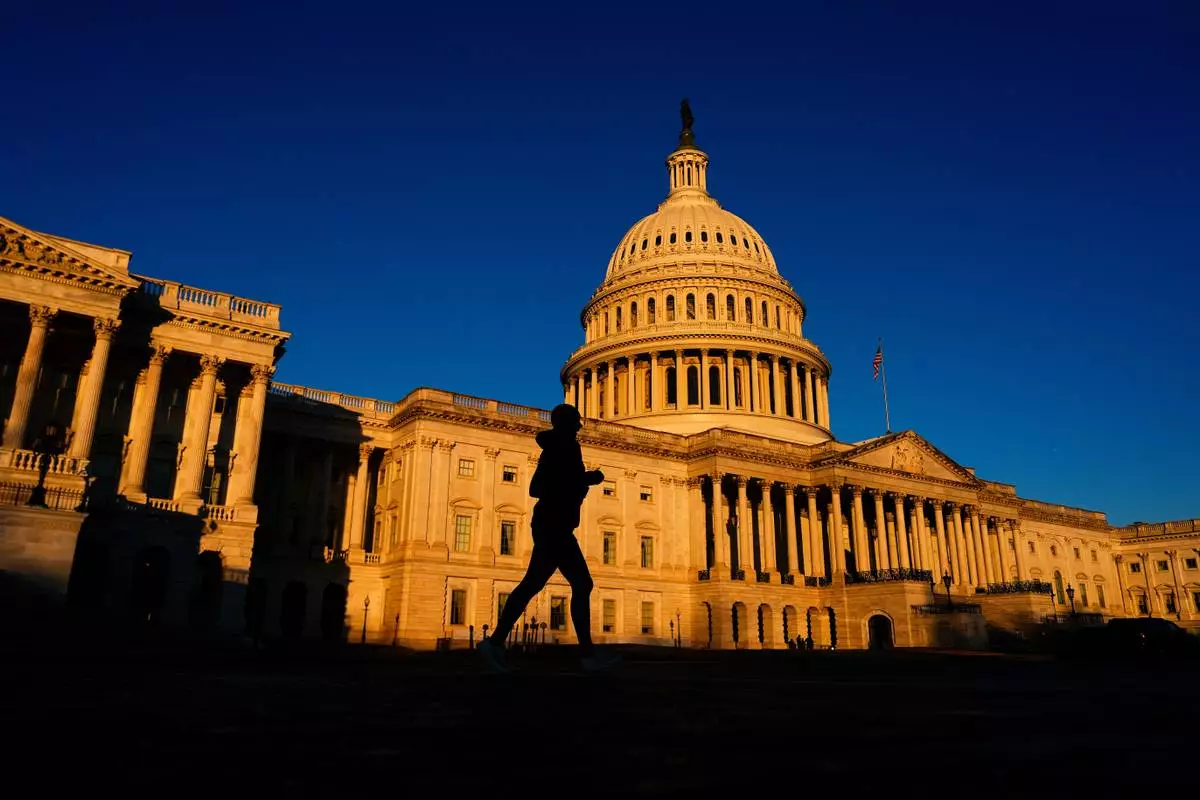
A runner jogs past the U.S. Capitol shortly after sunrise, Tuesday, Dec. 16, 2025, in Washington. (AP Photo/Julia Demaree Nikhinson)
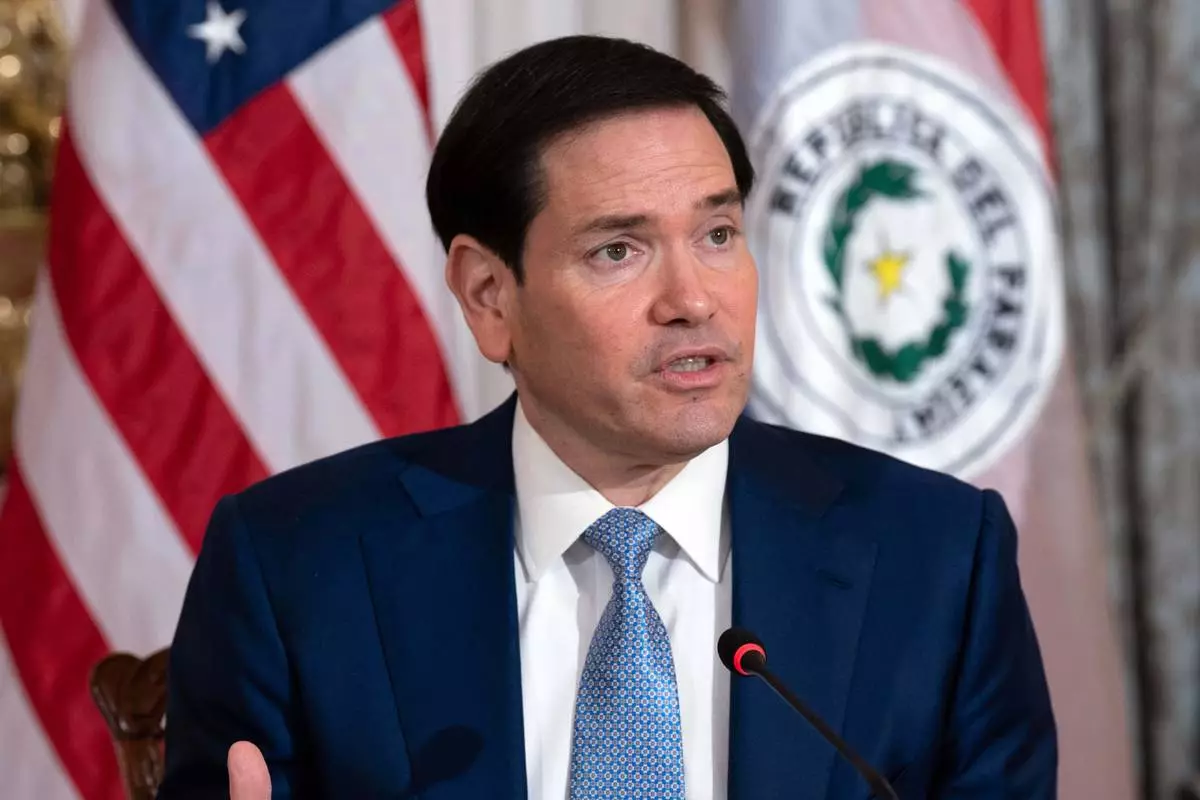
Secretary of State Marco Rubio, accompanied by Paraguay's Foreign Minister Rubén Ramírez Lezcano, speaks during the signing ceremony of the United States-Paraguay Status of Forces Agreement at the State Department in Washington, Monday, Dec. 15, 2025. (AP Photo/Jose Luis Magana)
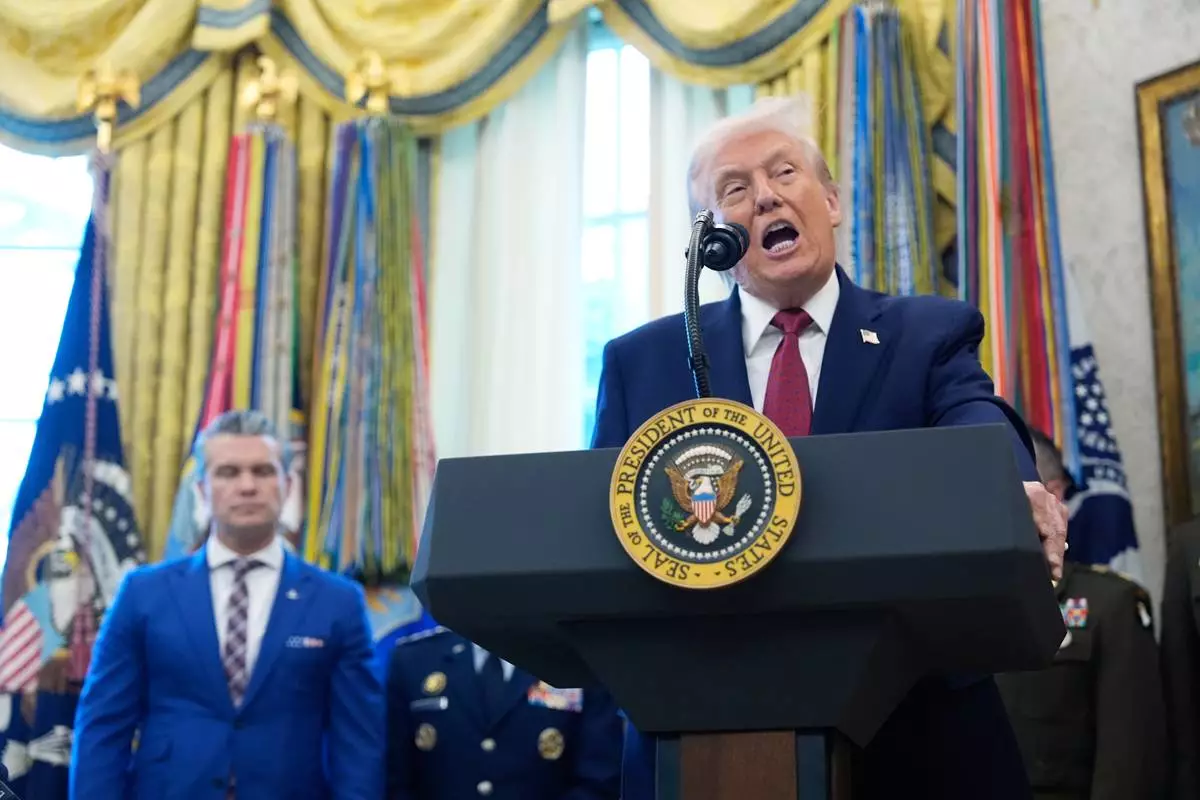
President Donald Trump speaks during a Mexican Border Defense Medal presentation in the Oval Office of the White House, Monday, Dec. 15, 2025, in Washington, as Defense Secretary Pete Hegseth, looks on. (AP Photo/Alex Brandon)
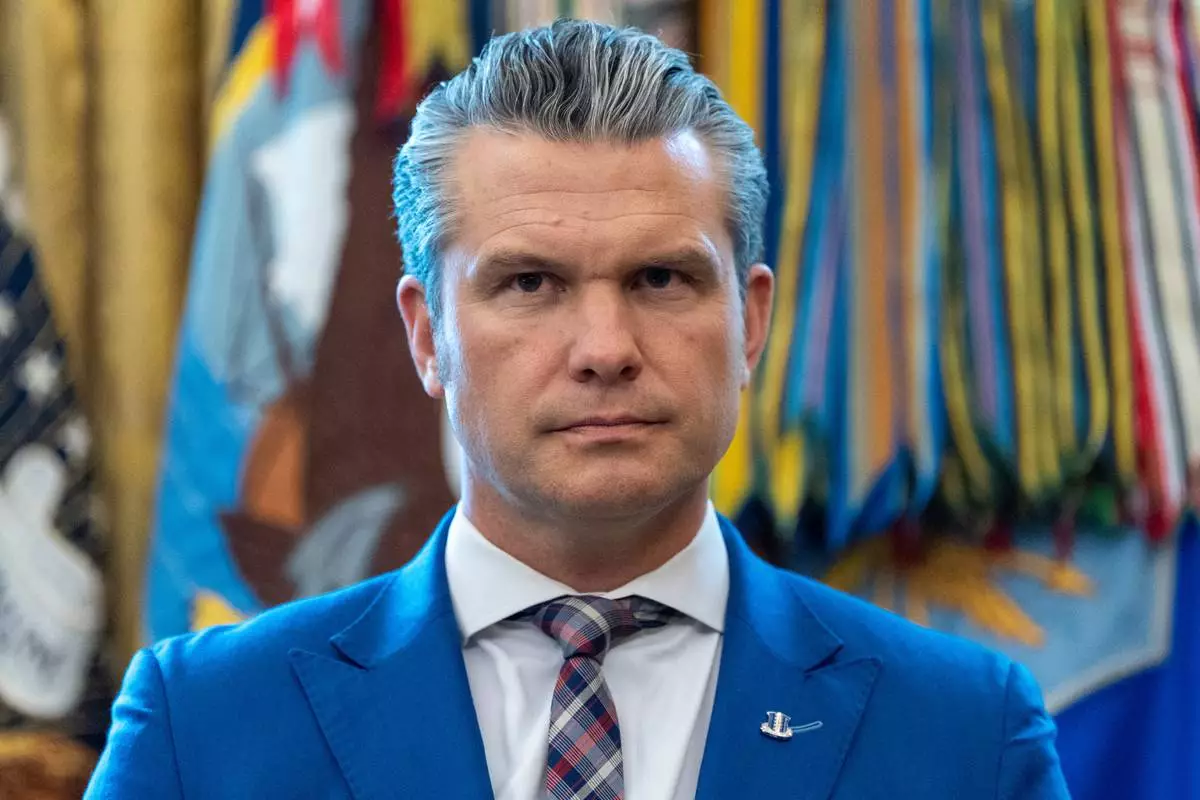
Defense Secretary Pete Hegseth listens as President Donald Trump speaks during a Mexican Border Defense Medal presentation in the Oval Office of the White House, Monday, Dec. 15, 2025, in Washington. (AP Photo/Alex Brandon)