Japanese drugmaker Kobayashi Pharmaceutical said on Friday that its loss related to its dietary supplements containing red yeast rice, or beni-koji, has raised to 10.1 billion yen (about 66 million U.S. dollars).
The pharmaceutical company declared that, due to the adverse effects of the beni-koji supplements on consumers' health, as well as factors like product recalls and compensation, they have registered a new loss of 2.2 billion yen (about 14.41 million U.S. dollars).
On the same day, Kobayashi Pharmaceutical's financial report for the first three quarters of the 2024 fiscal year showed a 65.5 percent year-on-year decrease in net profit to 5.3 billion yen (about 34.71 million U.S. dollars) and a 3.9-percent-decrease in sales to 114.4 billion yen (about 750 million U.S. dollars). At the end of March this year, Kobayashi Pharmaceutical announced that its health products containing red yeast rice may pose risks to consumers' health.
An investigation by Japan's Ministry of Health, Labour and Welfare confirmed that lovastatin found in the red yeast rice ingredient of the company's health products is the cause of renal dysfunction in consumers.
According to the latest data released by the ministry, as of the Nov 3, 397 consumers who used these health products have died.
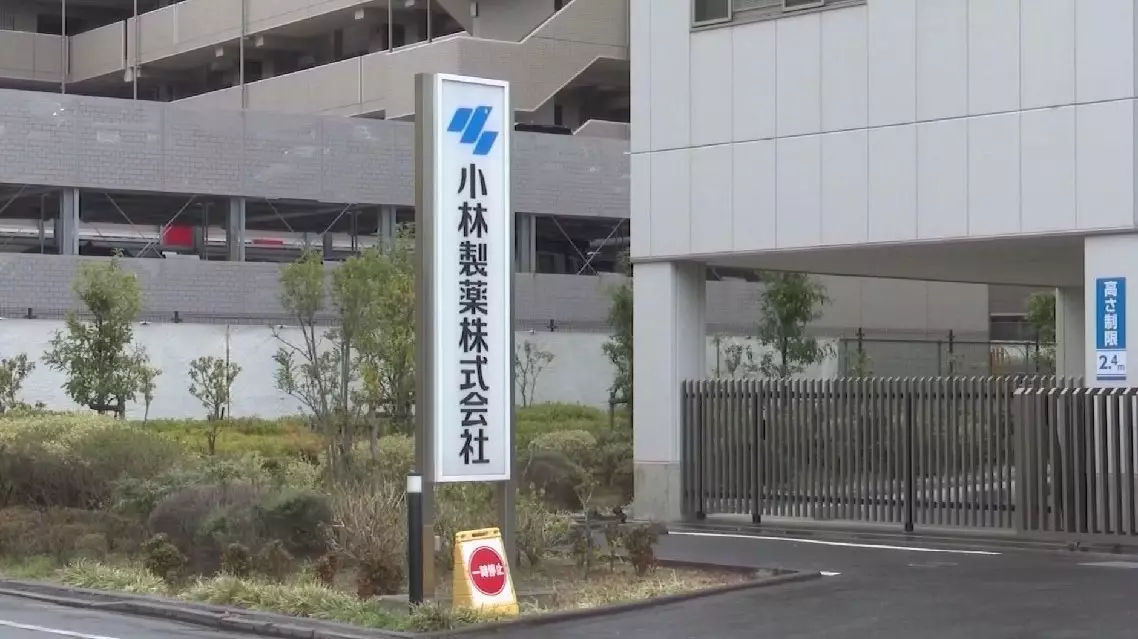
Japan's Kobayashi Pharma reports 10.1 billion yen loss related to beni-koji scandal
Japan's Kobayashi Pharma reports 10.1 billion yen loss related to beni-koji scandal
The U.S. consumer price index (CPI) rose 4.2 percent year on year in May, marking its highest level since May 2023, as energy prices remained high, according to data released by the U.S. Bureau of Labor Statistics on Wednesday.
Notably, the energy index for May increased 3.9 percent month on month, accounting for over 60 percent of headline inflation.
Gasoline and fuel oil prices increased 40.5 percent and 58.9 percent year on year, respectively, in May.
The national average price of gasoline reached 4.555 U.S. dollars per gallon on May 20, a 50 percent rise since the Iran conflict started in February, according to data released by the American Automobile Association. The price later eased to 4.151 dollars per gallon on Wednesday.
The core CPI, which excludes volatile food and energy prices, increased 2.9 percent year on year in May.
Statistics show that U.S. headline CPI for May rose 0.5 percent month on month, down from 0.6 percent in April, while core CPI increased 0.2 percent, compared with a 0.4 percent gain in April and below the market consensus forecast of 0.3 percent.
The report arrives at a critical juncture for markets and Federal Reserve policymakers. While the rate-setting Federal Open Market Committee is widely expected to hold interest rates steady at its June 17 meeting, policymakers acknowledged that the inflation surge caused by the Iran conflict will likely delay any rate reduction. The data are likely to reinforce this stance.
Oil prices rose while U.S. stocks traded lower in the morning session on Wednesday after U.S. President Donald Trump posted on Truth Social that Iran has "taken too long to negotiate a deal" and will "have to pay the price."

U.S. May CPI rises to highest level since May 2023