Large crowds gathered at Belgium's Pairi Daiza zoo on Sunday to say their final goodbyes to three beloved giant pandas born in the country ahead of their return to China next month.
The three pandas—Tian Bao, Bao Di, and Bao Mei—are set to enter quarantine before returning to their homeland in December to begin their new lives at the Giant Panda Base in Bifengxia, southwest China's Sichuan Province.
At the zoo, Belgian fans expressed their heartfelt farewells to the adorable bears.
"For the kids, it's very important for them to see the pandas grow up, and we want to say goodbye," said a young girl's father.
"It's with great emotion for me to be here today and say goodbye to Tian Bao and his siblings. I am feeling very emotional," said a visitor at the zoo.
Tian Bao is the eldest of the siblings, born in 2016, while twins Bao Di and Bao Mei were born in 2019. The parents of the three pandas, Hao Hao and Xing Hui, will remain at the Belgian zoo.
The panda loan agreement, signed in 2013, allowed the pair to stay in Belgium for 15 years. Under the terms, their offspring must be returned to China at the age of four to join breeding and conservation efforts. However, the Covid-19 pandemic delayed those plans.
For both zookeepers and the public alike, the pandas will be sorely missed. However, for the sake of their long-term well-being and breeding prospects, returning to China is the best option.
"Tian Bao is not just a little boy, he's a man. He needs to have another life. He needs to have a girlfriend and he needs a breeding family, so this is why we cannot keep Tian Bao," said Yang Liu, a panda caretaker at the zoo.
Now, preparations for the departure of these precious pandas are in the final stage. The zoo staff has taken all necessary measures to ensure they are in good condition for the flight to China.
"Not getting an infection, not getting sick and not getting a cold. After that, they can get the health document and a pass to go on the plane," said Yang.
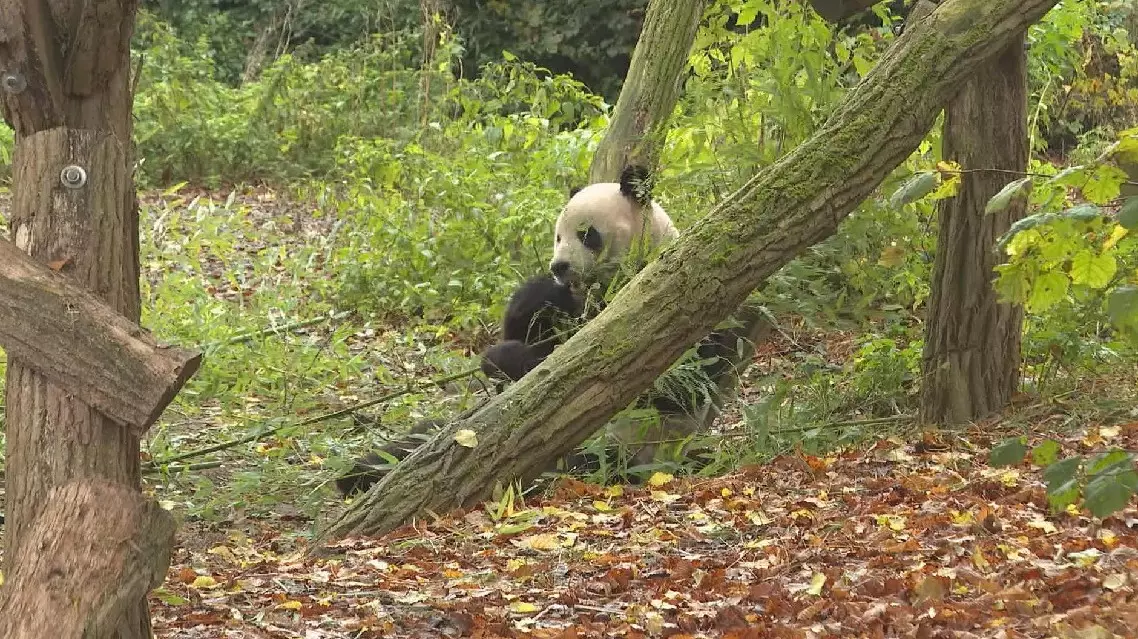
People bid farewell to three giant pandas at Belgian zoo
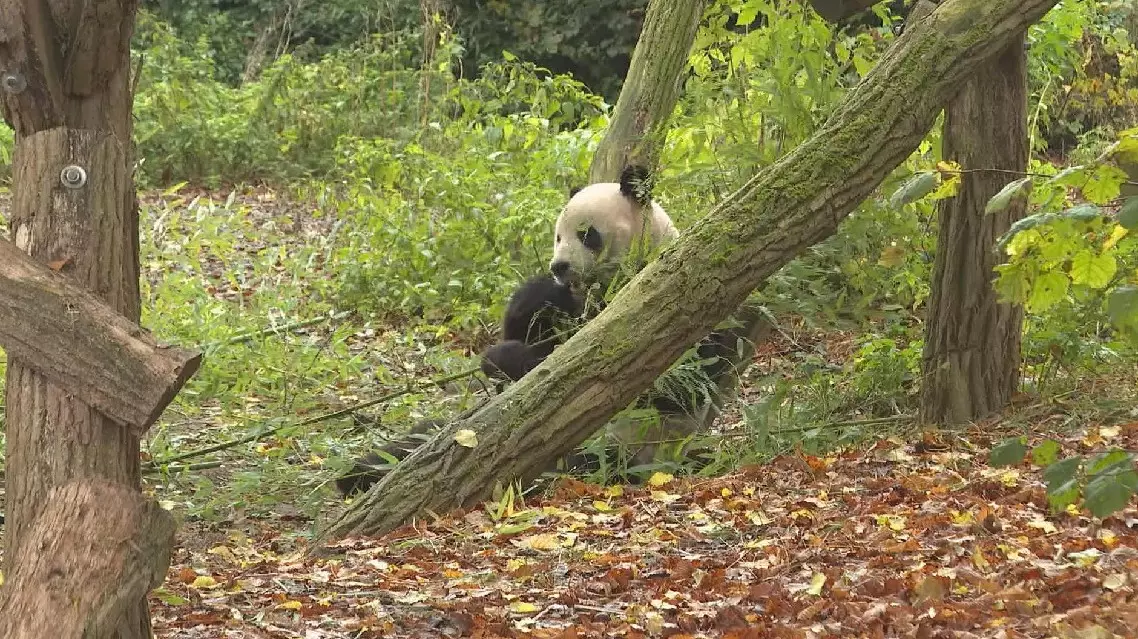
People bid farewell to three giant pandas at Belgian zoo
Nantong, a city in east China known as the nation's bedding hub, is turning to AI to help local manufacturers tackle the longstanding inventory challenges affecting both domestic and overseas sales.
With a population of 7.7 million, Nantong supplies 60 percent of the world's bedding sets.
Unlike clothing, bedding lacks complex tailoring, making patterns the primary driver of consumer preference. That is allowing some manufacturers to gain a competitive edge by deploying AI design tools.
One of the factories using the technology produces some 20,000 bedding sets a month. Operators use a platform that generates new patterns and renders images in seconds, with a single computer capable of producing thousands of designs daily.
Demand for these services has given rise to a tech firm ecosystem in Nantong, as startups begin specializing in providing AI services to local manufacturers.
One young team has served some 1,300 home textile firms and has generated over 3 million creative designs.
"In the past, one design draft cost between 2,000 and 4,000 yuan. Now AI helps to save costs. For companies, they can use the money saved from product design to improve product quality," said Yuan Zehua, CEO of Sansyn AI.
AI can also assist in quality control. For one local factory with a staff of just 40 employees and machines running around the clock, full-system AI monitoring is vital for identifying problems. As soon as an issue emerges, an on-screen prompt appears, providing operators with ample warning.
The city also has numerous inventory stores selling bedding sets that have remained unsold for extended periods. Most eventually sell as waste fabric, priced by weight.
With AI assistance, many factories now release numerous new styles for market testing before proceeding with mass production. This approach helps manufacturers gauge consumer demand early, reducing the risk of excess inventory.
"We can test different products to provide more choices for customers. Then AI, along with our quick response to the supply chain, could help solve our inventory problems," said Shi Si, general manager of Briney Textile.
However, the technology is not without limitations. AI-generated designs can raise intellectual property (IP) concerns, and even reshape workforce allocation in the textile industry, a sector that has long provided significant employment.
The industry is developing solutions. To address IP issues, AI platforms are building databases to trace design origins and identify the earliest creation.
Meanwhile, century-old textile companies are seeking workers with new skill sets, shifting hiring priorities as automation changes traditional roles.
"Repetitive work is replaced by robots. So we want college graduates to ensure the safe and stable operation of the equipment while ensuring the product quality," said Li Lanyu, director of Innovation Management at Dasheng Group.
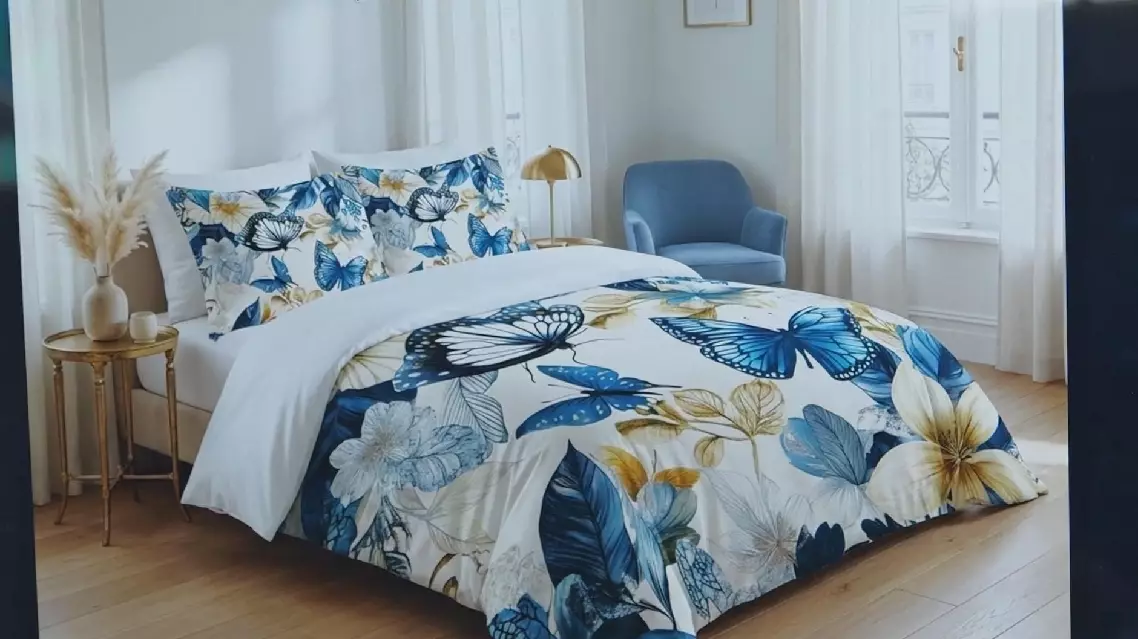
China's bedding set hub Nantong harnesses AI to tackle inventory problems