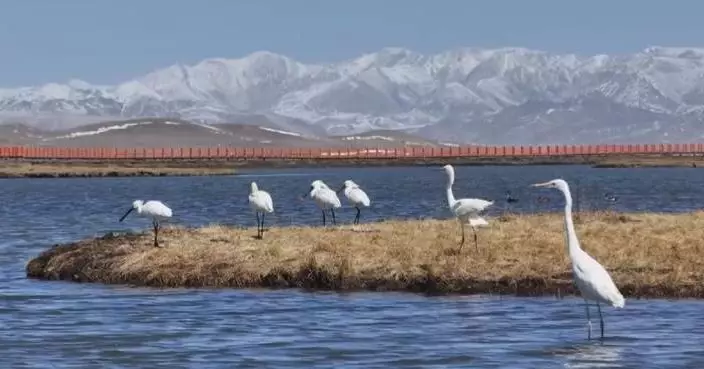
China and the European Union have broad prospects for cooperation in green development, particularly at a time when the world is confronting acute climate challenges, Bulgarian President Iliana Iotova said in an exclusive interview with China Media Group (CMG) aired on Friday.
In recent years, "green" has become one of the key focuses of China-EU cooperation, evident in fields ranging from the construction of clean-energy power stations and zero-emission ports to new-energy vehicles and smart production lines. Bulgaria is also undergoing an energy transition focused on green, environmentally friendly development.
In the interview, Iliana Iotova noted that China, Bulgaria, and the EU as a whole have substantial common ground for working together to protect the planet -- a shared home to all humanity. She underscored the urgency of current environmental crises and affirmed that green development is necessary and imperative for the future.
"As part of the European Union, Bulgaria has signed the European Green Deal. It is our generation's responsibility to protect the planet and safeguard it for future generations. At some point, mankind began to interfere too much with nature. As you can see, we are now facing many severe challenges related to climate change. When I was a child, Bulgaria still had clearly defined seasons—winter, spring, summer, and autumn. Today, those boundaries seem to have blurred. In the past, snow in Bulgaria could reach waist height. Now, some children may never have even seen snow. Therefore, mankind must recognize what it has done to nature, and at some point say to ourselves, 'This must stop.' That is precisely why we have embraced and are implementing various green policies, including the development of green energy and projects such as solar power generation," she said.
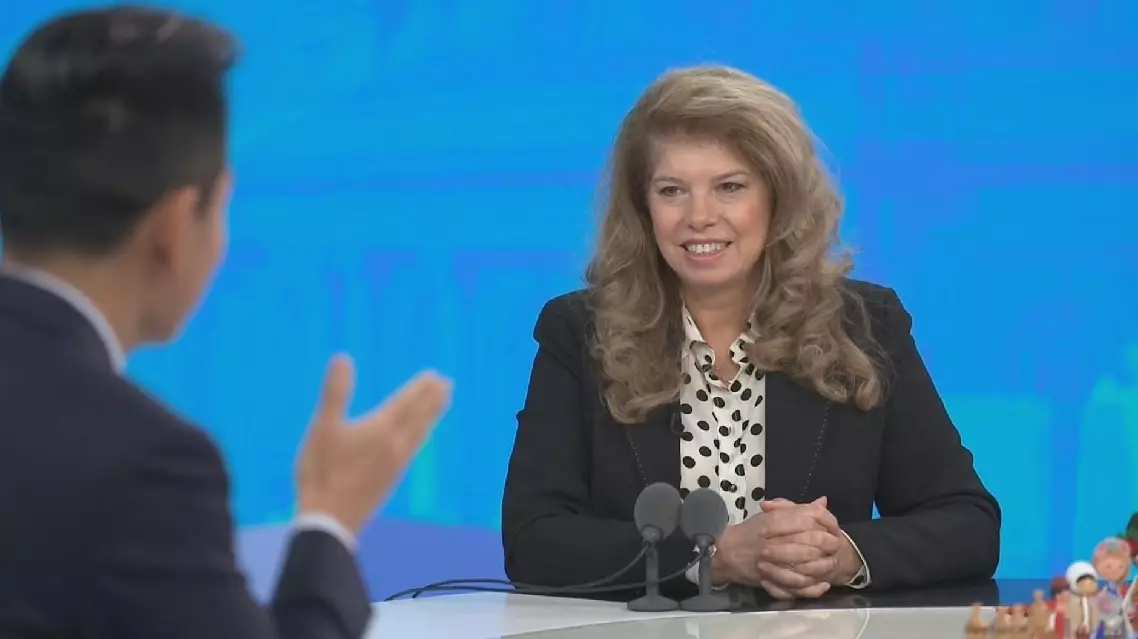
Bulgarian president: Green development key to China-EU ties
Spain is seeing a surge in European tourists as conflict in the Middle East prompts travelers to opt for closer and safer destinations.
With Easter holiday underway, Palma de Mallorca airport has been packed with visitors who abandoned plans for trips eastward. Hostilities triggered by Israeli‑U.S. strikes on Iran have forced major airports across the Middle East to cancel or delay flights, severely disrupting aviation and tourism in the region.
"We were thinking about going to Dubai, but because of the war, there was no option, so we came here to Mallorca," said a traveler named Michelle, who works as a kindergarten teacher.
"We thought about going to Thailand, but I see the flights were disrupted and they said there were drones and things like that, so we thought Spain may be a safer option," another traveler Ross McGrego said.
"The situation in the Middle East is a little bit too unstable for my holiday plans," said traveler Rose Danaher, a rabies specialist nurse with the UK Health Services Agency.
The influx has brought new opportunities for local businesses. Local restaurant owner in Mallorca Victoria Amoros opened her second restaurant just days ago.
"50,000 people extra are flying to Mallorca. These people were supposed to fly to the Middle East and they are rerouted to Mallorca. I don't know how we are going to handle that, but we will receive them with love," said Amoros, owner of La Malvasia Restaurant Chain.
Chris Pomeroy, the global head of tourism of international communications group Hopscotch said people all over the world are choosing to holiday closer to home.
"So, 14 percent of international travel goes through the Middle East, it's a connectivity issue. So, when these bridges are down, the logical effect is that people will stay in their hemisphere. We say in tourism that when in times of conflict, investors turn to gold, and in times of conflict, tour operators turn to Spain," he said.
Spain welcomed a record 97 million foreign tourists in 2025, and industry experts say the figure could surpass 100 million this year. With Middle East routes disrupted, Spain's role as Europe's fallback destination is set to grow even further.
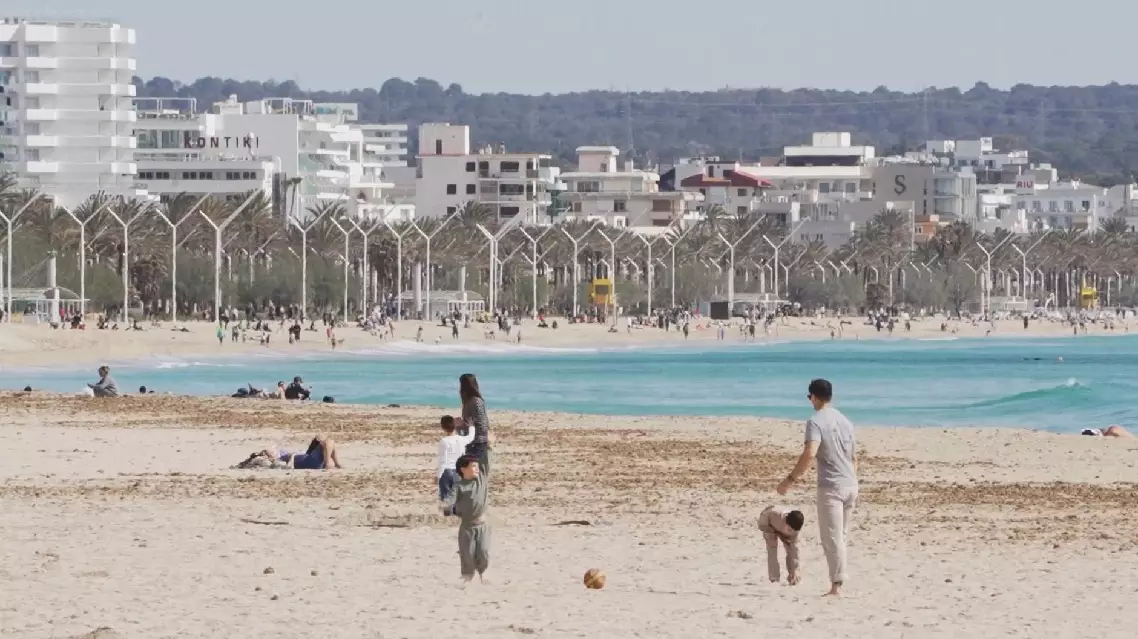
Spain tourism surges as Europeans opt for safer holidays amid Middle East conflict