With its fuel imports severely disrupted by the ongoing conflict in the Middle East, Ethiopia is facing a critical fuel shortage as over 180,000 metric tons of fuel have failed to arrive despite government efforts to secure supplies at higher prices on global spot markets.
The country has rolled out sweeping emergency fuel rationing measures after the import failure, slashing its daily diesel supply from 9.2 million liters to 4.5 million liters.
To mitigate the impact of the fuel shortage, the Ethiopian government also introduced a new priority distribution system at the end of March, granting first access to fuel tankers, major exporters, critical infrastructure projects, essential goods transporters, agricultural tractors, and public mass transit vehicles.
In Addis Ababa, the capital of Ethiopia, unusually long queues of vehicles waiting to refuel have appeared in recent days, putting significant pressure on the city's traffic. On main roads and side streets across the city, hundreds of cars can be seen forming extremely long lines that stretch all the way to the entrances of gas stations.
"Rather than restricting social and economic activities, we have chosen to work closely with the public to tackle this challenge in a spirit of cooperation, encouraging fuel conservation," said Kassahun Gofe, Ethiopian minister of Trade and Regional Integration.
Meanwhile, the government has stepped up its crackdown on illegal fuel sales and related corruption. More than 600 people have been detained by police so far, including the head of the Ethiopian Petroleum Supply Enterprise and a deputy director of the Ethiopian Petroleum and Energy Authority (PEA).
Economists are warning of serious short- and long-term consequences as the fuel shortage crisis deepens.
"For example, because of the rise in fuel prices, inflation may spike. And again there will also be fiscal strain on the government budget side, because the government needs to subsidize fuel prices in order to protect the low income groups. If the situation persists, in the long term, in fact it will have an implication for the foreign exchange reserves. If the country is going to deplete its foreign exchange reserves, it would have its own implications on some of its obligations," said Naser Yunus, an economist at the Ethiopian Economics Association (EEA).
The ongoing U.S.-Israel attacks on Iran and Tehran's retaliatory strikes across the Gulf region have triggered a shortage of liquefied petroleum gas globally because of the reduction of sea traffic through the key oil shipping route, the Strait of Hormuz. The closure of the sea route has sent global oil prices soaring.
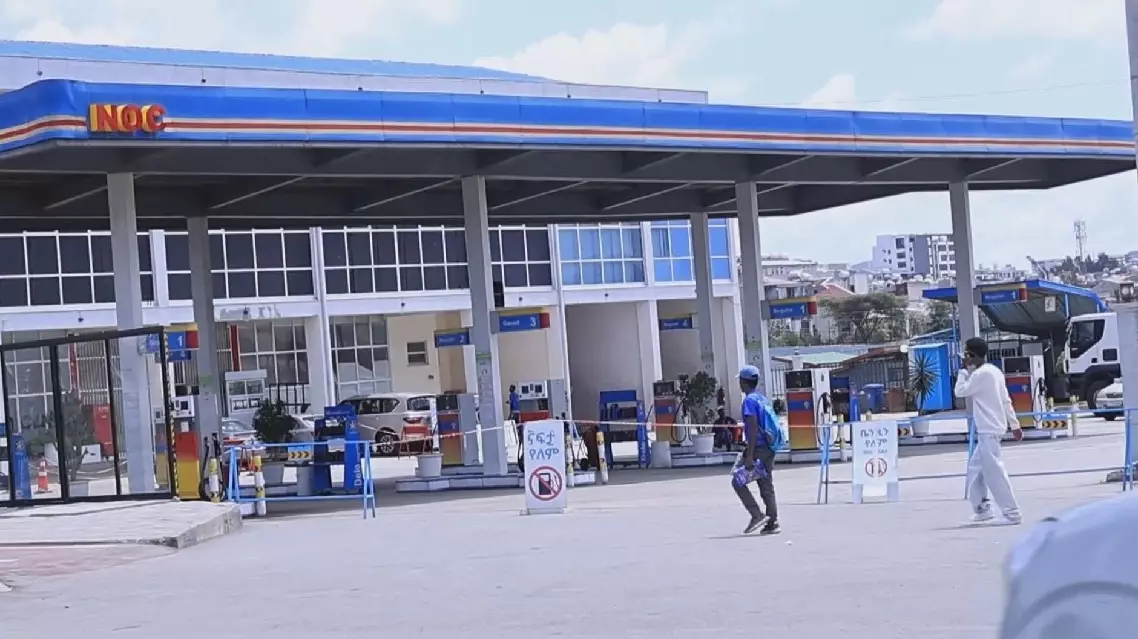
Middle East conflict squeezes Ethiopia's fuel supply as over 180,000 tonnes of fuel fail to arrive