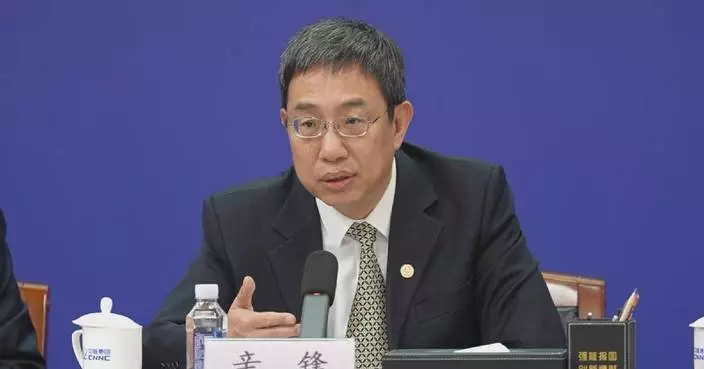
No examinations or tests in any form will be allowed for preschool-aged children to be enrolled into kindergartens, China's Ministry of Education vowed on Monday.
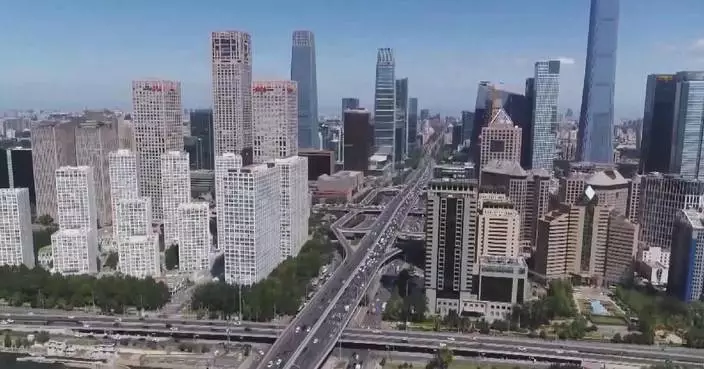
The Ministry of Education held a press conference in Beijing on Monday to explain the preschool education law, which the national legislature adopted on Friday.
The ministry will enhance professional guidance for kindergartens to ensure that playing games is their primary activity and encourage them to create rich educational environments to support the children's active exploration and learning and promote their healthy and happy growth by playing games.
The ministry will optimize the distribution of resources, especially by increasing the availability of public preschools in areas with population influx. It will also strengthen the monitoring of preschool enrollment demand and supply in regions with large population mobility, ensuring that demand is effectively met while avoiding resource waste.
In areas where conditions allow, local authorities will be encouraged to optimize class sizes and student-teacher ratios and improve the quality of preschool facilities to achieve a higher level of resource allocation, according to the ministry.
Local governments at all levels are required to ensure that preschool-age children can conveniently access preschool education in areas near places where their parents or guardians work or live.
The new law, which will take effect on June 1, 2025, stipulates that preschool education refers to the nursing and education services provided by kindergartens and other institutions for children aged three and above before they go to primary school.
The legislation states that preschool education is an integral part of the national education system and an important undertaking for social welfare.
China has seen a rapid development in preschool education in recent years. Nearly 40.93 million children were enrolled in kindergartens across the country last year, accounting for 91.1 percent of all preschool-aged children, according to the ministry.
Removing preschool exams and tests also marks another step towards reducing the academic burden on Chinese kids and students. In 2021, China issued a document proposing the "double reduction" policy to reduce excessive homework and after-school tutoring hours for primary and junior high school students.
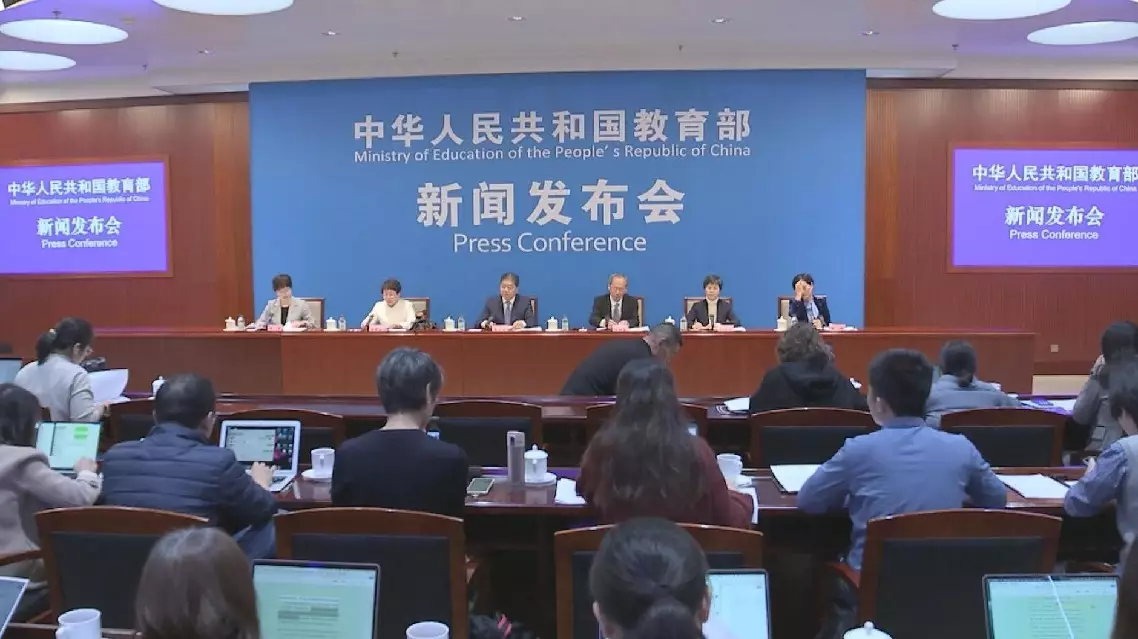
Kindergarten students should not be tested: education ministry
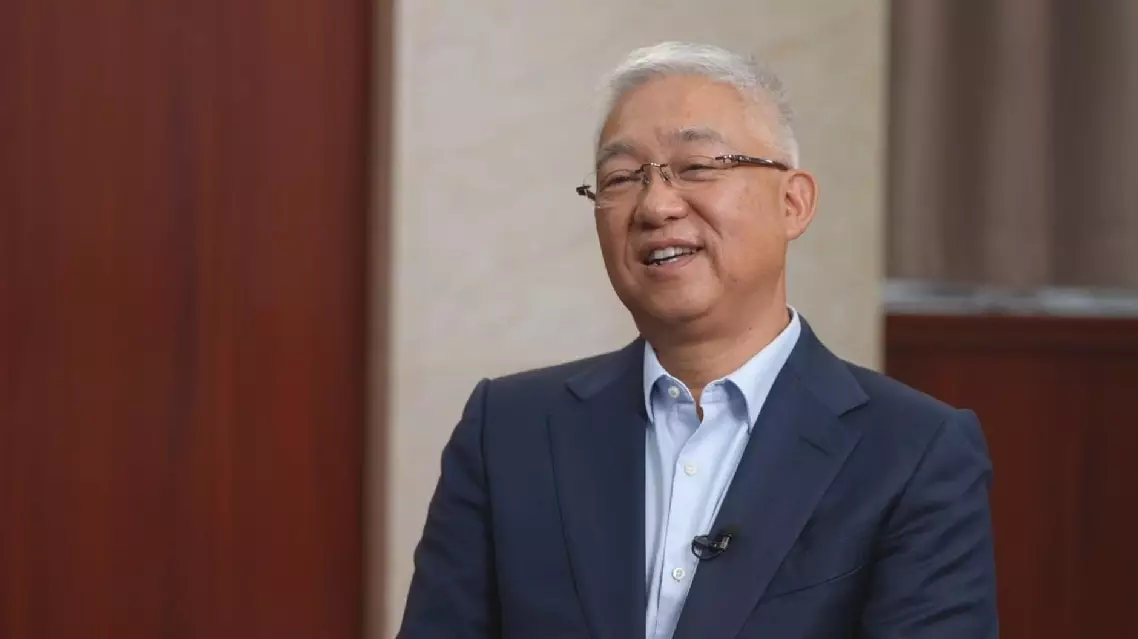
Visiting Chinese Foreign Minister Wang Yi said Saturday China is willing to work with Lesotho to strengthen exchanges on governance experience, enhance coordination in multilateral affairs, and advance the China-Lesotho strategic partnership.
Wang, also a member of the Political Bureau of the Communist Party of China Central Committee, made the remarks when meeting with Lesotho Prime Minister Sam Matekane in the capital of Lesotho.
During the meeting, Wang congratulated Lesotho on the 60th anniversary of its independence this year, and spoke highly of Lesotho government's efforts to prioritize economic development and steer the African country onto a path of sustainable growth. Since the Beijing Summit of the Forum on China-Africa Cooperation (FOCAC) in 2024, the two sides have advanced cooperation under the 10 partnership action plans unveiled at the summit, successfully implementing a number of key projects to effectively promote Lesotho's development and revitalization, Wang said.
China stands ready to work with Lesotho to strengthen exchanges on governance experience, enhance coordination in multilateral affairs, and push for greater development of the China-Lesotho strategic partnership, he added.
Calling on the two sides to firmly support each other, Wang said that China will accelerate the implementation of its zero-tariff policy for African countries, including Lesotho, expand bilateral trade, investment and industrial cooperation, facilitate broader access of Lesotho's specialty products to the Chinese market, and continue to support Lesotho's national development.
China will continue to stand firmly with African countries, uphold justice for the Global South, including Lesotho, oppose unilateralism and acts of bullying, and work together to build a community with a shared future for humanity, Wang said.
On his part, Matekane said during the meeting that Lesotho cherishes its friendship with China and the strategic partnership between the two countries, and expressed gratitude for China's valuable support for the development of African countries, including Lesotho.
Lesotho firmly adheres to the one-China principle and resolutely supports China in safeguarding its core interests, he said, noting that his country stands ready to strengthen strategic mutual trust with China, expand people-to-people exchanges, jointly implement the outcomes of the FOCAC Beijing Summit, and deepen cooperation in areas such as infrastructure, manufacturing and energy.
Matekane stressed that China's zero-tariff policy for African products will inject new impetus into Lesotho's development. He also expressed Lesotho's willingness to strengthen solidarity and cooperation with China on multilateral platforms such as BRICS to jointly address global challenges.
On the same day, Wang also held talks with Lejone Mpotjoana, minister of foreign affairs and international relations of Lesotho.
China, Lesotho to strengthen exchanges, advance cooperation