The China Certified Emission Reduction (CCER), China's trading scheme for voluntary greenhouse gas (GHG) emission reductions, has significantly contributed to global carbon reduction efforts.
The program allows companies in certain industries to register their accredited carbon reduction numbers in the CCER system and sell the credits. The profit from the sale of credits is expected to encourage companies to more actively engage in carbon reduction activities.
"The estimated carbon reduction for our first phase, spanning from September 2020 to 2024, comes in at approximately 7,030 tons," said Li Ang, manager of an afforestation carbon sink project in southwest China's Sichuan Province.
The CCER complements the country's existing carbon credit trading market, which has been in operation since July 2021 and can only be participated in by enterprises of a designated emission quota. The CCER program is, however, designed for anyone interested in cutting emissions.
"The CCER trading market has unveiled the first batch of four methodologies for voluntary emission reduction projects, including afforestation, grid-connected solar thermal power generation, grid-connected offshore wind power generation, and mangrove planting. By October 9, 42 voluntary emission reduction projects have been registered, with an expected annual emission reduction exceeding 11 million tons," said Wang Naixiang, president of China Beijing Green Exchange, trading service provider of the CCER.
Current buyers are mainly high-emission enterprises that cannot meet their quota and have to buy extra to offset their emissions, but more others, such as companies that wish to manifest their corporate social responsibility in contributing to building a greener world, are expected to join the trade in the future.
China has also expanded its carbon trading market by including cement, steel, and electrolytic aluminum industries with approximately three billion tons of new emissions, creating a greater demand for CCER projects.
The CCER program will serve as an important policy tool to promote greenhouse gas emission reduction through market mechanisms and help achieve China's carbon peaking and carbon neutrality goals.
As significant breakthroughs are anticipated regarding the international market mechanism for carbon reduction at the 29th session of the Conference of the Parties to the United Nations Framework Convention on Climate Change (UNFCCC), or COP29, in Azerbaijan's capital city of Baku, China's fast-developing carbon trading system is expected to be further integrated into the global trading system, and make greater contribution to global carbon emission reduction and climate change.
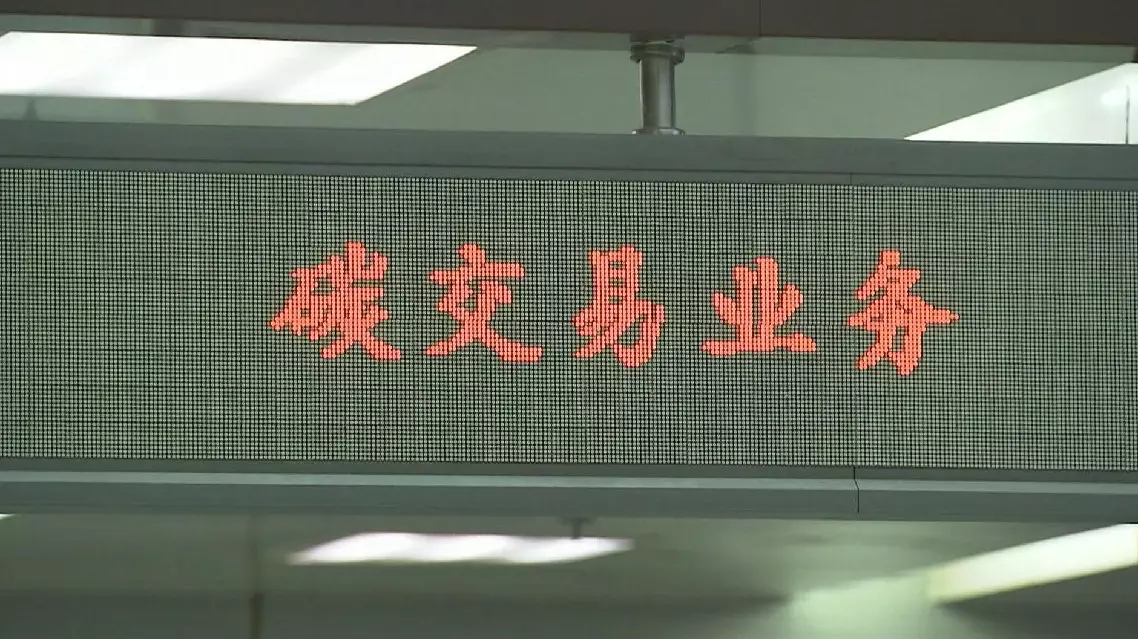
China contributes to global carbon emission reduction with CCER program