As the tech world gathers in Lisbon, Portugal for the Web Summit 2024, AI-powered humanoid robots have emerged as the stars of the event, captivating visitors with their futuristic designs and advanced capabilities.
For years, humanoid robots only existed in science fiction. Now, they are moving closer to becoming a daily reality. At the Web Summit 2024, one of the world's largest technological innovation events, humanoid robot roll-outs by companies from California to Beijing are promising to free people from mundane tasks, revolutionizing industries in the process.
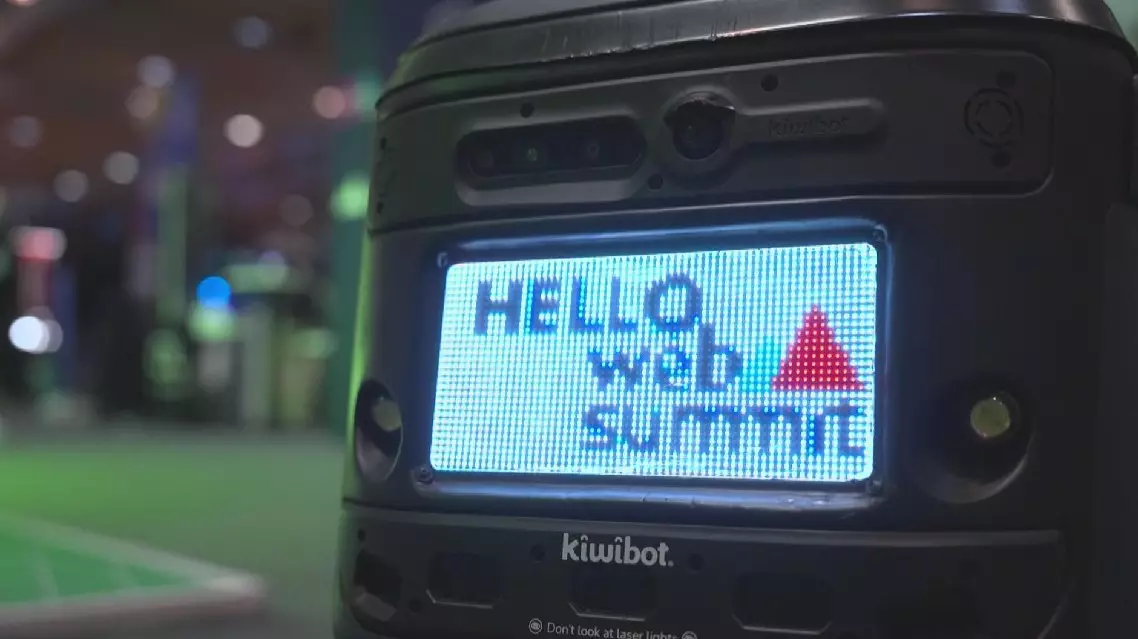
The Kiwi robot, developed by a Colombian-owned startup company, has been a big hit in the U.S., Europe, Asia and beyond. The Kiwi started out just delivering food, but now the creators are dreaming big as AI has enabled it to incorporate advertising, scan roads for rubbish and interact with people in the street.
"So if you think about a movie like 'Blade Runner' or 'Back to the Future', we were promised and we've had these visions of what the future could look like. We're finally seeing that come to life through technology companies like Kiwi Bot. And we see robotics being the largest industry over the next ten years with almost applications in every single industry," said Judah Longgrear, co-founder of Kiwibot.
The robot revolution is gathering momentum. Tech billionaire Elon Musk has predicted that by 2040, there could be as many as 10 billion humanoid robots, performing tasks such as cooking, cleaning, and doing laundry. Each robot, he estimates, could cost between 20,000 and 25,000 U.S. dollars.
Advances in AI technology are at the heart of this revolution. In German industrial plants, cyber dogs already communicate with each other as they undertake dangerous tasks like sniffing out gas leaks and detecting chemical spills. These robots are not just tools but are seen as critical players in addressing some of humanity's most pressing challenges.
For Marc Dassler, CEO of Energy Robotics Germany, automation is also a response to a demographic shift that is leaving firms struggling to find enough workers. As experienced "baby boomers" retire, the workforce is shrinking, and there are not enough younger people to fill the gap.
"There's a big need of automation simply because we're running out of humans. There is a demographic shift happening. The baby boomers are going (inaudible) and the new generations are not big enough to carry everything what is previously done by the baby boomers. So there's a need on the outside to really move those tasks away from humans, towards automation, towards robotics, towards IOT," said Dassler.
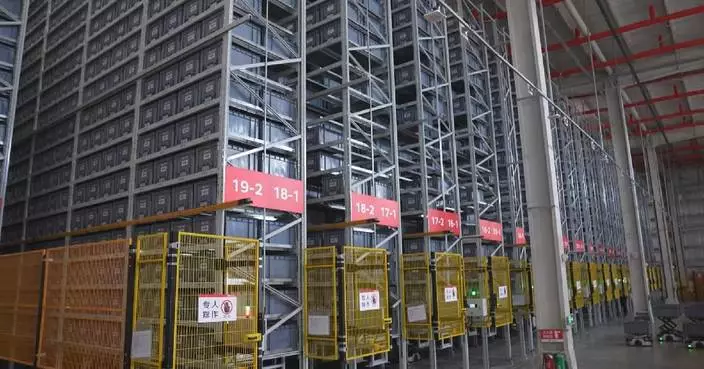
Robots are already taking over a range of industries. From serving food to managing warehouse logistics, working in car factories or driving taxis, humanoid robots are quickly becoming integrated into daily life, despite fears that humans could eventually end up working for the robots.
The Web Summit 2024 kicked off on Monday and will last through Thursday, drawing over 3,000 companies including IBM and Huawei to exhibit their latest products, with AI emerging as the most represented industry.
Humanoid robots shine at Web Summit 2024, shaping future of automation