A low-altitude economy pavilion made its debut at the week-long 15th China International Aviation and Aerospace Exhibition, which concluded in Zhuhai City, Guangdong Province on Sunday, which attracted numerous visitors and enthusiasts to explore the future of transportation.
The dedicated low-altitude economy hall was bustling with visitors, as manufacturers showcased their latest models, each boasting unique selling points. From flight capabilities to energy efficiency, the electric aircraft represent the future of urban air transportation.
One notable example is the world's first large four-engine drone.
"The Scorpion D is the first large-scale fixed-wing unmanned flight system with a fully modular fuselage. This design allows for the rapid exchange of the entire fuselage, catering to the diverse needs of customers by being 'reliable, economical, and convenient,'" said Sun Yanyang, general manager of Sichuan Tengden Commercial Aircraft.
According to data released by the Civil Aviation Administration of China, the market size of China's low-altitude economy is projected to reach 200 billion U.S. dollars by 2025 and 480 billion U.S. dollars by 2035.
Despite its significant market potential, China's low-altitude economy faces several challenges, including the need for industry standards and infrastructure development. These issues are currently a focus for industry insiders.
"Take this large twin-engine unmanned transport aircraft as an example, it can be used in plateau environments and various airports for cargo transport. However, its application is still novel and requires extensive testing," said Sun.
Industry expert recommend that other cities follow Shenzhen's example.
"In the past two years, Shenzhen has opened 207 low-altitude air routes and has also set up 249 low-altitude stations, including automatic hangars, automatic airports or stations, which is at the forefront of the country and the world," said Yang Jincai, President of Shenzhen UAV Industry Association.
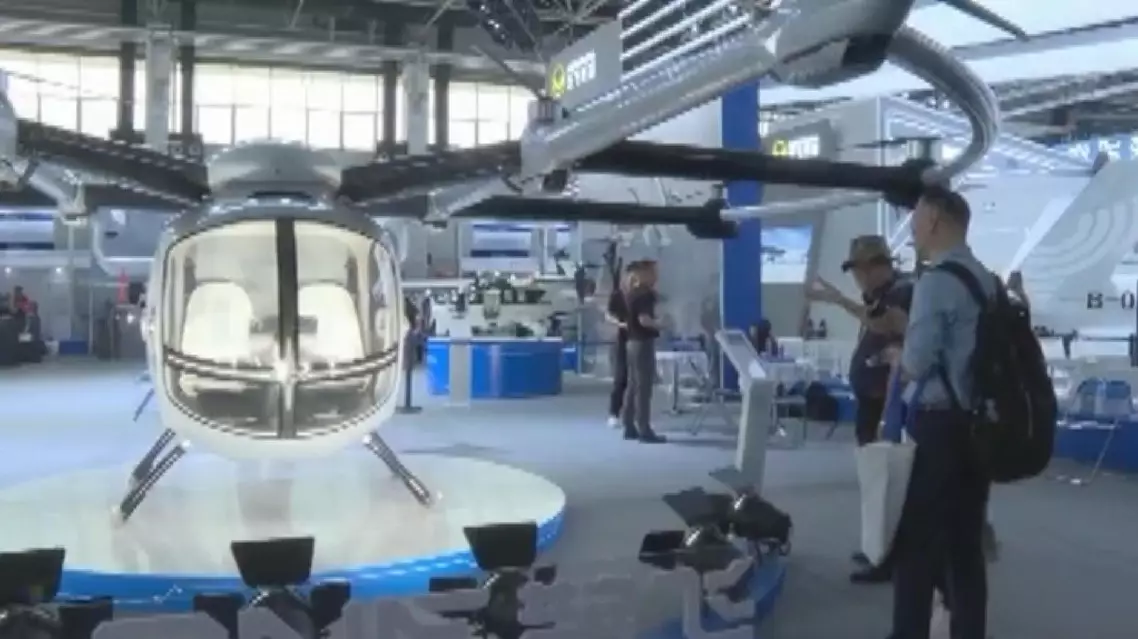
Airshow China highlights burgeoning low-altitude economy
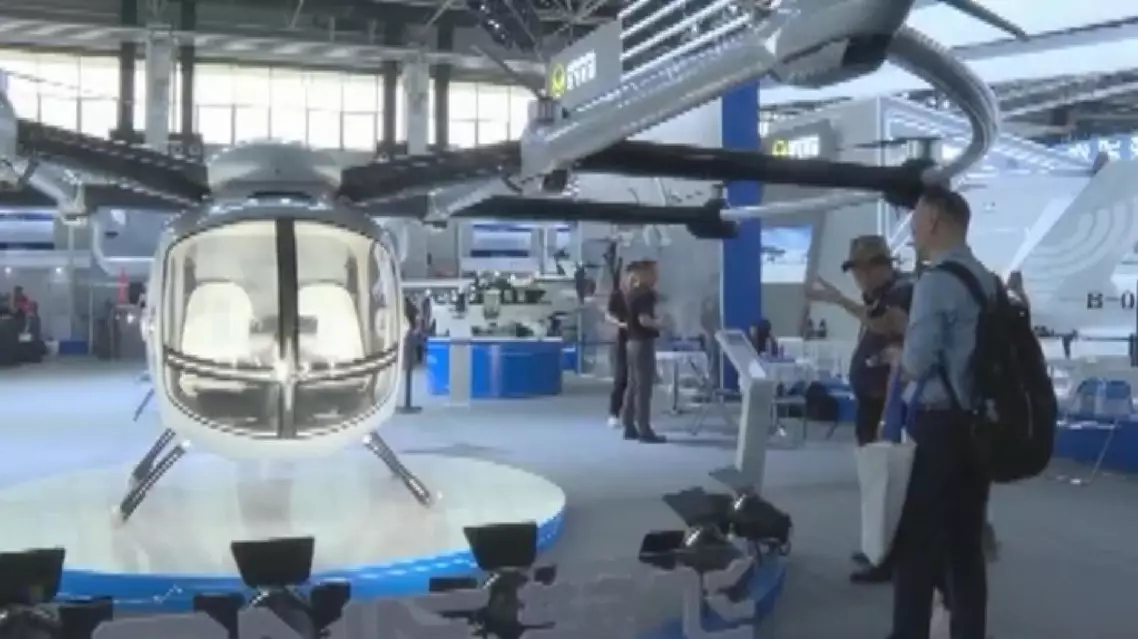
Airshow China highlights burgeoning low-altitude economy
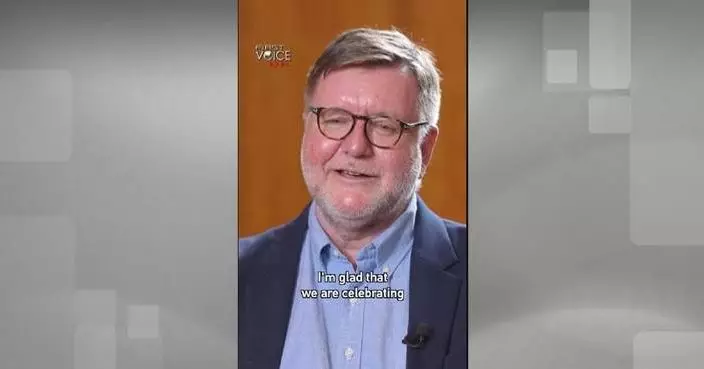
Romano Prodi, former prime minister of Italy and former president of the European Commission, has warned against the resurgence of a Cold War mentality in an exclusive interview with the China Central Television that aired on Friday, emphasizing that global peace and cooperation depend on the ability of nations to accept their differences and engage in meaningful dialogue.
Reflecting on the shifting global landscape, Prodi said that political issues have become increasingly entangled with economic, human rights, and trade concerns.
He warned that this "mixture of tension" is often used as a pretext to further escalate conflicts rather than resolve them.
"I have insisted my life to a decrease of tension step by step. You know, with, as I told you, the political problem which are mixing with problems of economy, of human rights, of regulation, of trade, and now we have a mixture of tension, in which everything is taken as an excuse to increase that. My political idea is that, you have to talk with everybody. From this point of view, it's a Western mistake that to have, let's say, agreement, you need to have the same political system. This is completely wrong," he said. Prodi challenged the prevailing Western notion that international agreements require identical political systems, arguing that such a mindset ignores the unique historical trajectories of different nations. He stressed that countries must move beyond mere respect to a deeper level of understanding and acceptance of their inherent differences.
"We understand that we were born different. You know, but we have to live as different. And this is the idea that because you are different, I fight against you. And this is everywhere in the world. It's an heritage of the Cold War.We are going back to the old Cold War. If you go on in this situation, we cannot have any type of relaxing our tension," he said.
To break the current deadlock in international cooperation, Prodi called for initiatives in specific fields to restart engagement.
"Somebody must take some initiative in some specific field, you know, in order to start back to cooperate. When people talk, the agreement, or the compromise, is easy to reach. When we are so divided as we are now, it's impossible, because the enemy is the enemy. When you have a dialogue and you have a compromise, we understand that you can live together," said the Italian politician.
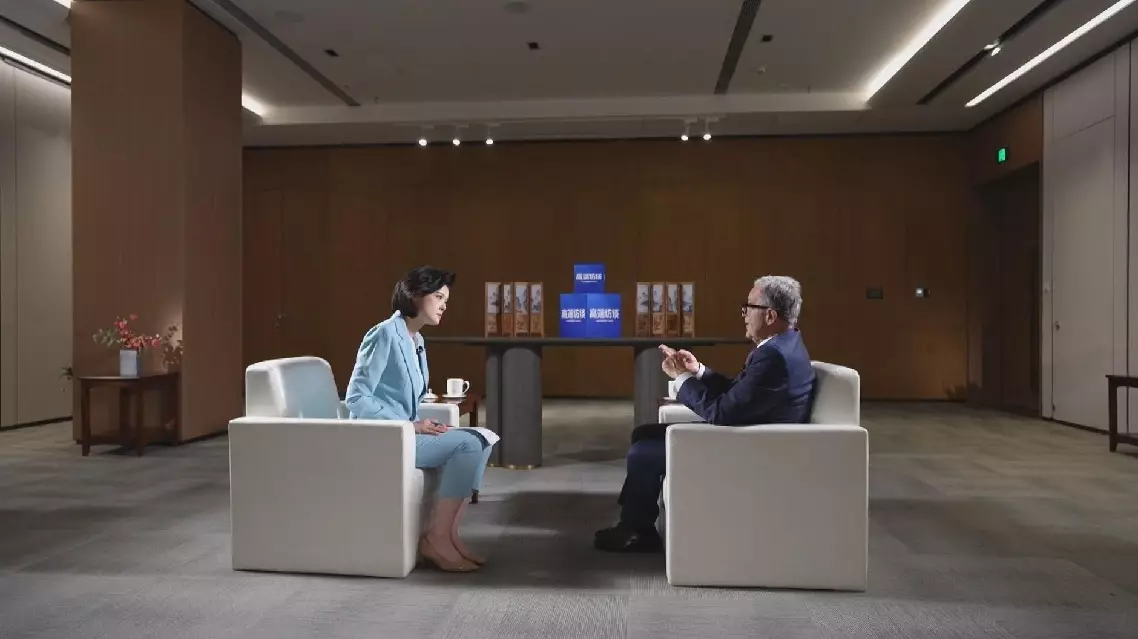
Former Italian PM calls for dialogue, acceptance of differences in global cooperation
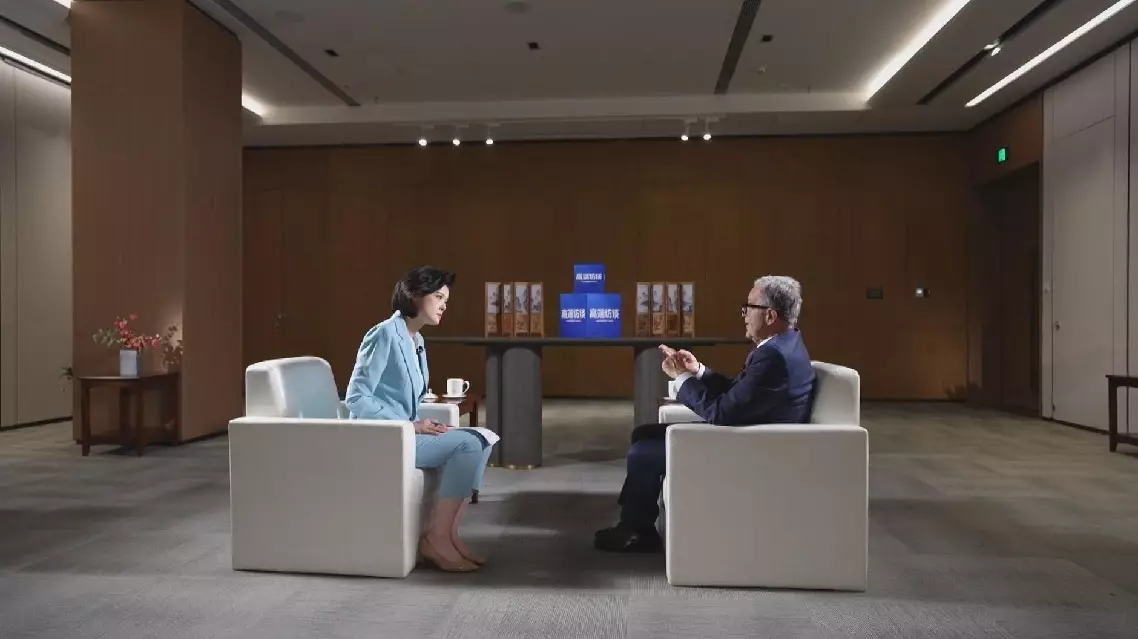
Former Italian PM calls for dialogue, acceptance of differences in global cooperation