China's investment in Peru's Chancay Megaport marks a new milestone in the growing China-Peru friendship and is expected to boost local tourism and economy, according to Peruvian Vice Minister of Tourism Madeleine Burns Vidaurrazaga.
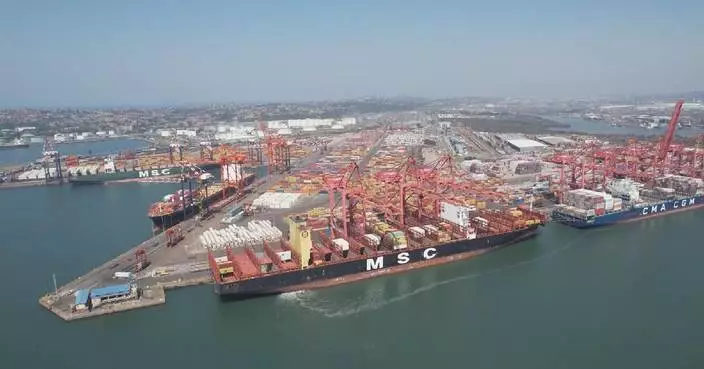
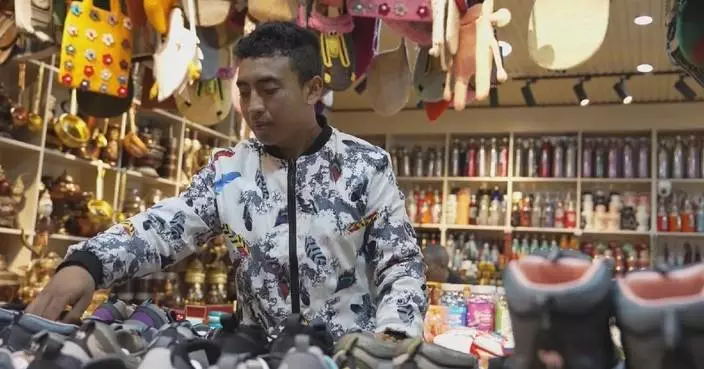
Located 80 kilometers north of Lima, the Chancay Port will reduce sea freight time from Peru to Asia from 45 days to just 23. With shorter transit times and lower logistics costs, companies like Warmpaca will be able to deliver popular Peruvian products, such as its famous alpaca dolls, to Chinese customers much faster.
Click to Gallery
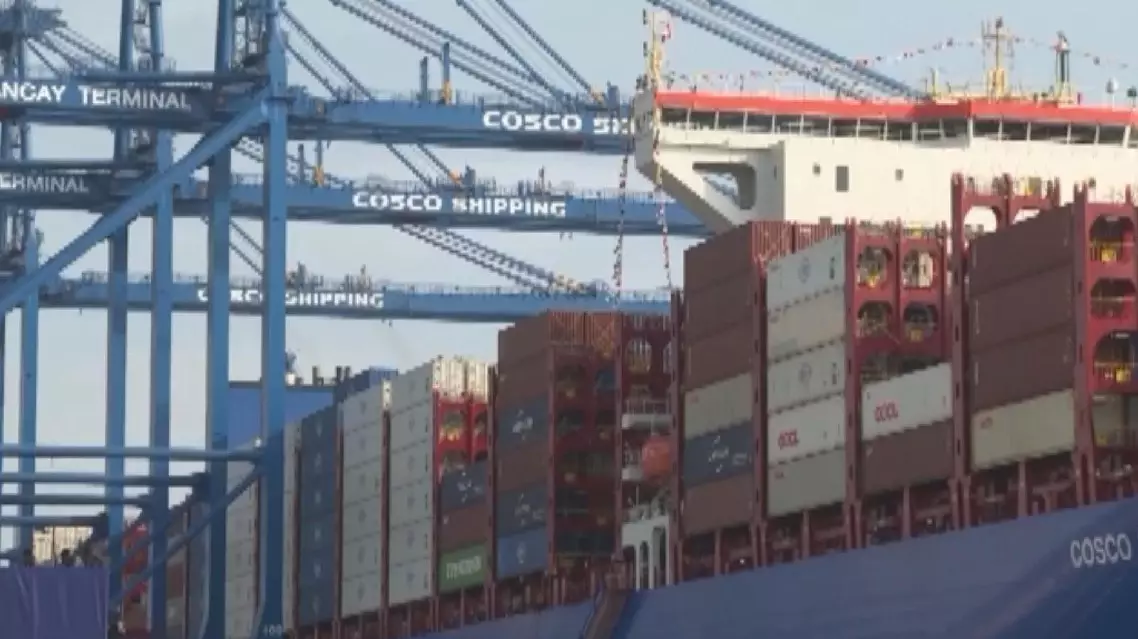
Chancay Port to boost local economy, tourism: Peruvian official
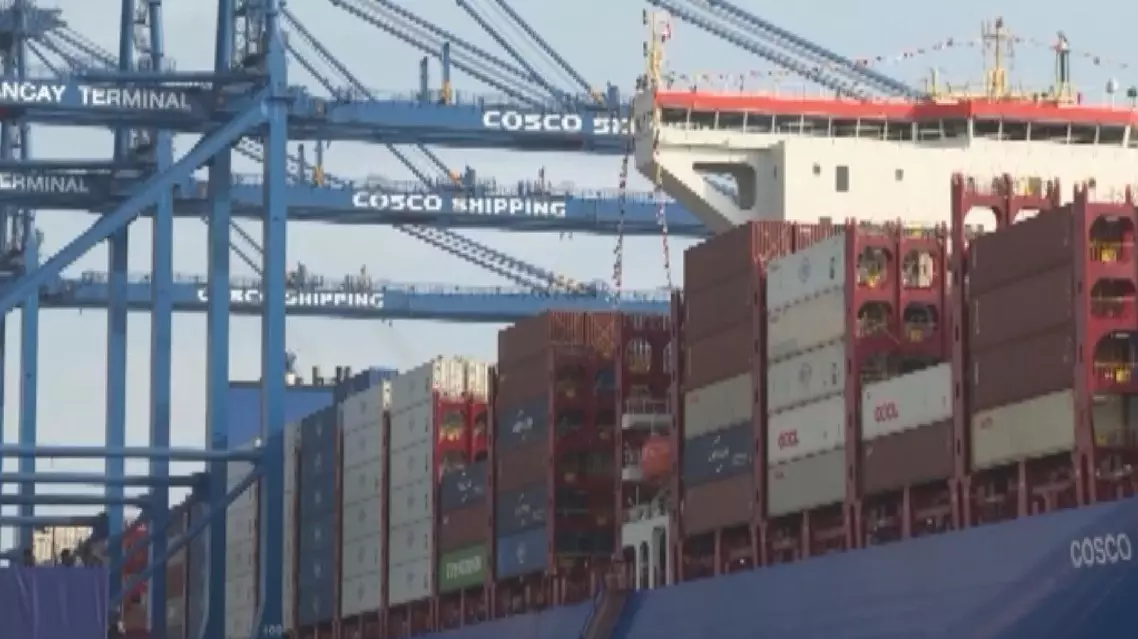
Chancay Port to boost local economy, tourism: Peruvian official
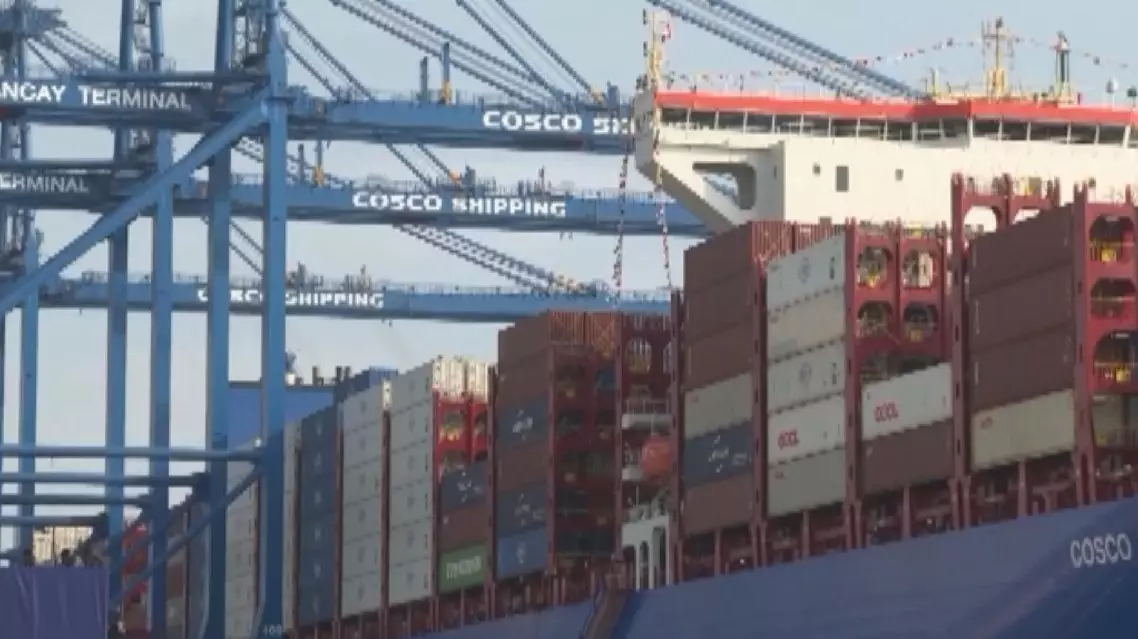
Chancay Port to boost local economy, tourism: Peruvian official
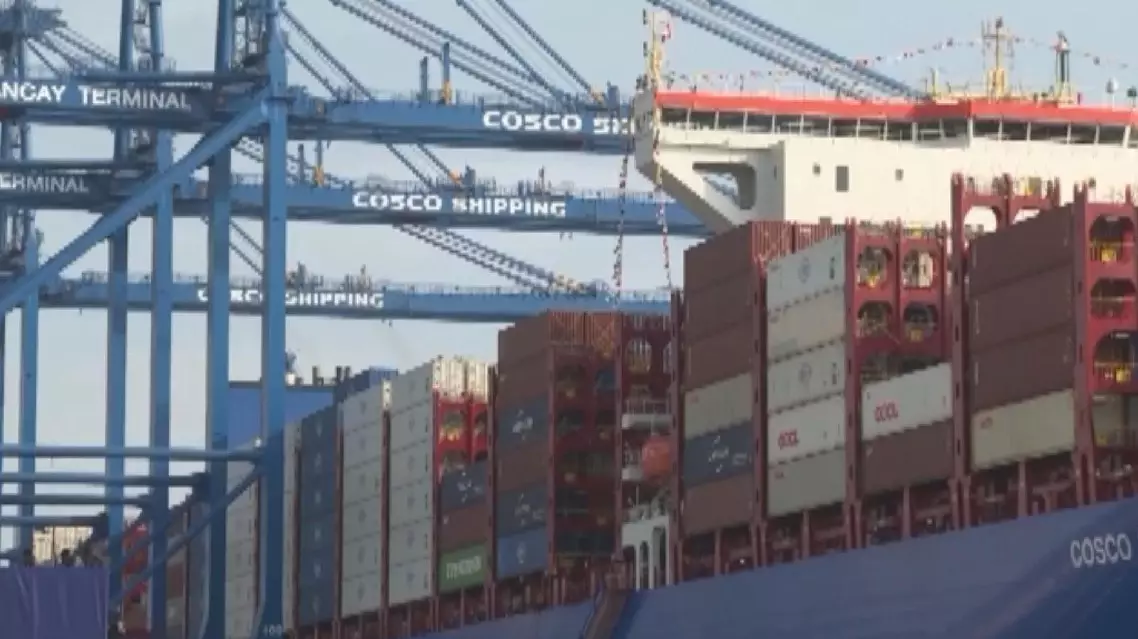
Chancay Port to boost local economy, tourism: Peruvian official
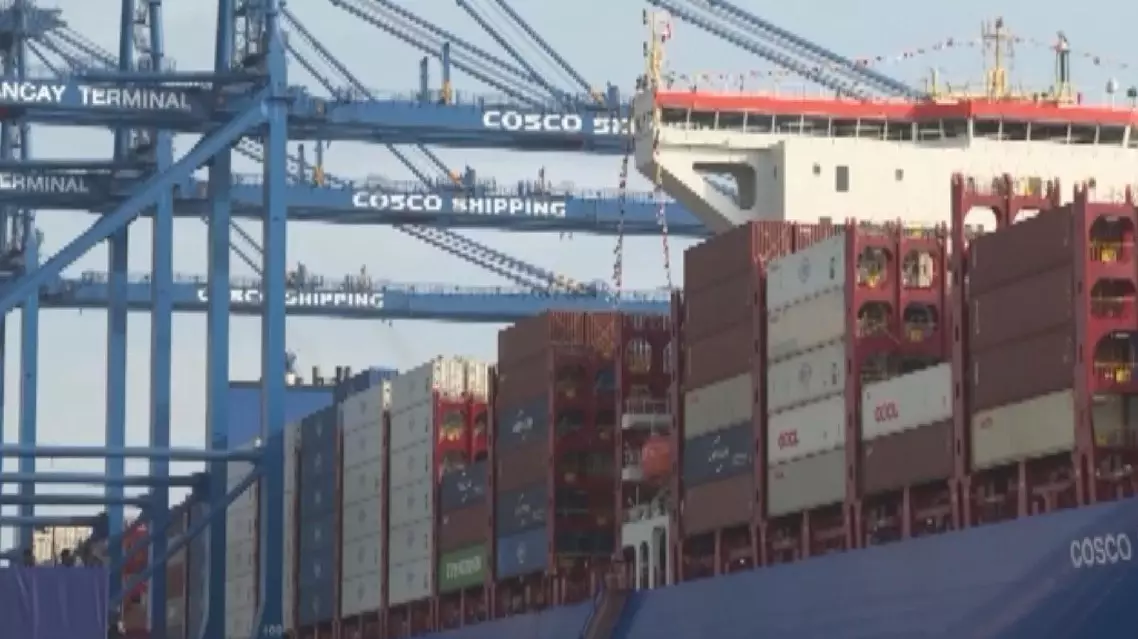
Chancay Port to boost local economy, tourism: Peruvian official
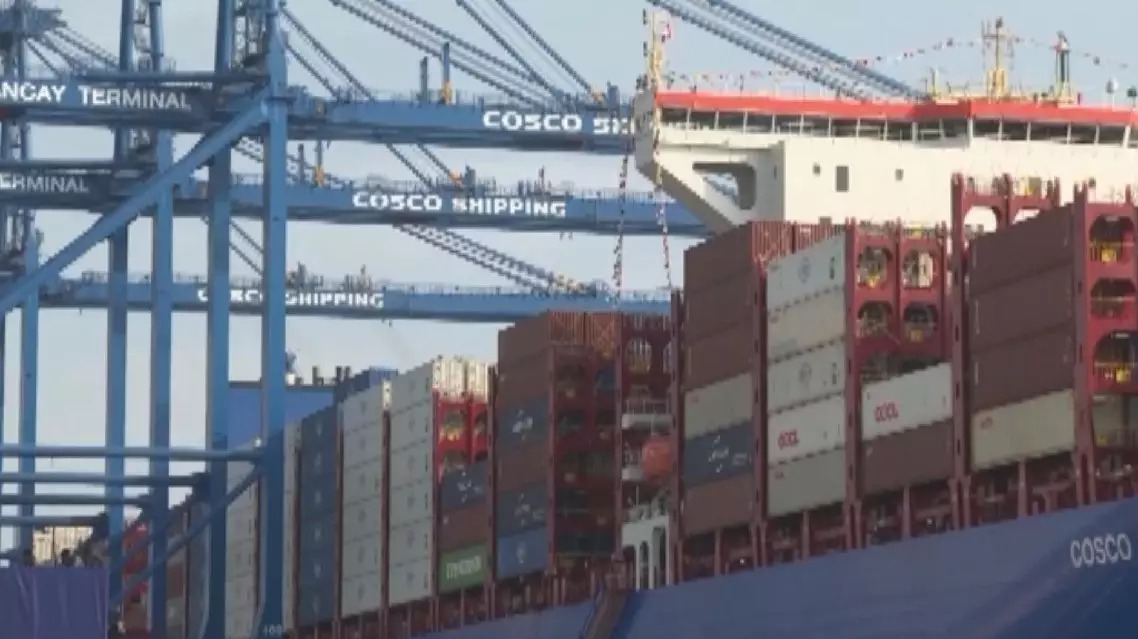
Chancay Port to boost local economy, tourism: Peruvian official
In an interview with China Global Television Network (CGTN) at a Chinese Park, the vice minister emphasized the significance of this new port, calling it an important tourist resource and a symbol of the enduring friendship between China and Peru.
"For us, it's very important. It's a new resource, tourist resource made from the Chinese community here in Peru and reminds us of how long the Chinese people are in Peru helping to develop our economy. Now we have a new, a big new Inca Trail, which is Chancay to Shanghai," said Vidaurrazaga.
Regarding the Chancay Port, the vice minister highlighted the environment-friendly initiatives surrounding the project, which aim to protect local wildlife populations.
"We are really surprised when visiting Chancay Port. Everything is technology in that port. But it is very important that they really care about environmental issues, inclusive issues. Even we are working together for a new tourism plan for Chancay Port, because a lot of people will visit Chancay. It's very near to Lima, but also they have a wonderful gastronomy and a special place like Caral that is more than 5,000 years before Christ. So it's very ancient. So it's the first city in the world created for commercial things, not for a war, not for protection, just for commercial market. So it is very important," said Vidaurrazaga.
Looking ahead, Vidaurrazaga believes the Chancay Port will foster the development of Peru, both in terms of investment and tourism.
"Chancay Port also will increase the movement between China and Peru. And now we are looking for more tourism. We notice the investment of China in Peru is growing. So even in the schools, the young people are interested to learn mandarin, because Peru has a very open economy too, we sign agreements with 122 countries, and we are open to the world economy. So this is a new way as the president of China said, this is a new global way to exchange our customs, our goods, to make friendship with all the countries," said Vidaurrazaga.
Chancay Port to boost local economy, tourism: Peruvian official
Chancay Port to boost local economy, tourism: Peruvian official
Chancay Port to boost local economy, tourism: Peruvian official
Chancay Port to boost local economy, tourism: Peruvian official
Chancay Port to boost local economy, tourism: Peruvian official
Chancay Port to boost local economy, tourism: Peruvian official