Sudan's paramilitary Rapid Support Forces (RFS) is ready for a ceasefire to end the ongoing conflict that has worsened the humanitarian crisis in the country, senior officials of the faction said at a news briefing in Nairobi, capital of Kenya, on Monday.
Omer Hamdan Ahmed, head of the RSF delegation, said the paramilitary force, which has been engaged in fierce fighting with the Sudanese Armed Forces (SAF) since April 2023, has reaffirmed its willingness for peace and a return to civilian rule.
Click to Gallery
Sudan's Rapid Support Forces says ready for restarting peace talks
Sudan's Rapid Support Forces says ready for restarting peace talks
Sudan's Rapid Support Forces says ready for restarting peace talks
Sudan's Rapid Support Forces says ready for restarting peace talks
Ahmed said the move is to ensure humanitarian aid access to all parts of Sudan.
He also accused the Sudanese Armed Forces of not being serious about working out a peaceful solution to the conflict, saying they are responsible for the failure of the negotiations.
So far, there has been no immediate response from the Sudanese Armed forces to the talks.
The warring parties have previously held several rounds of ceasefire talks, but all failed to achieve a ceasefire.
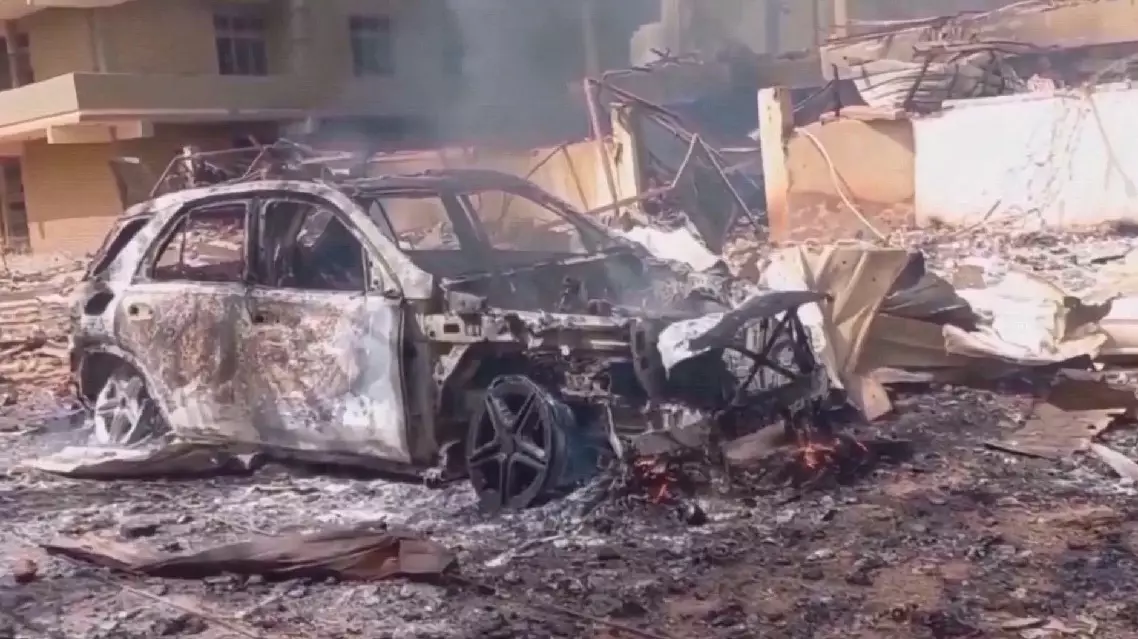
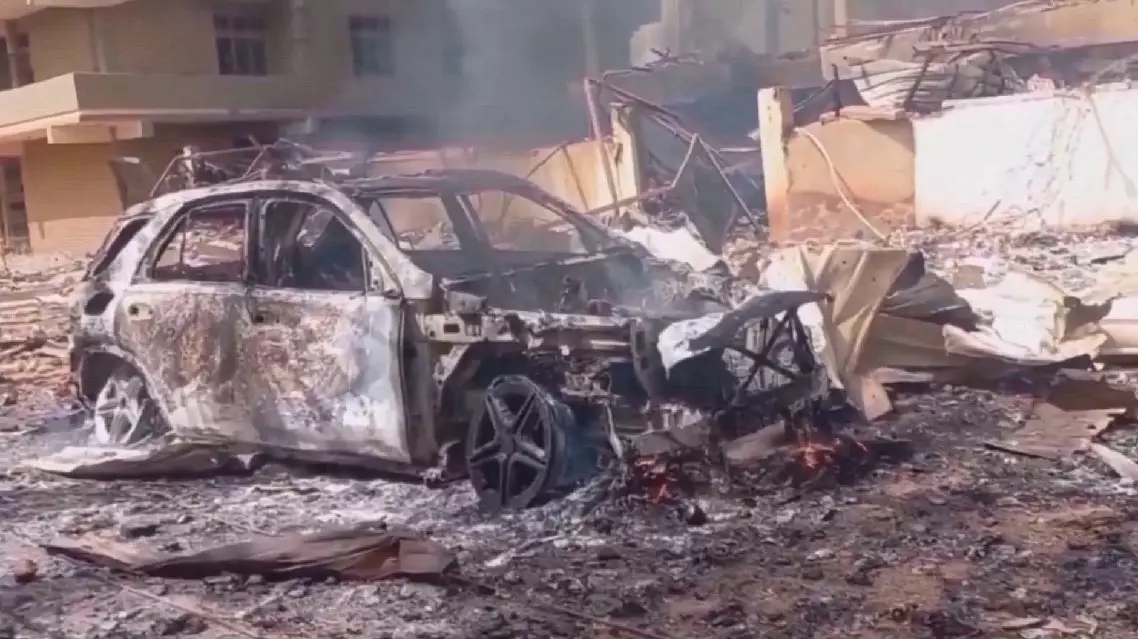
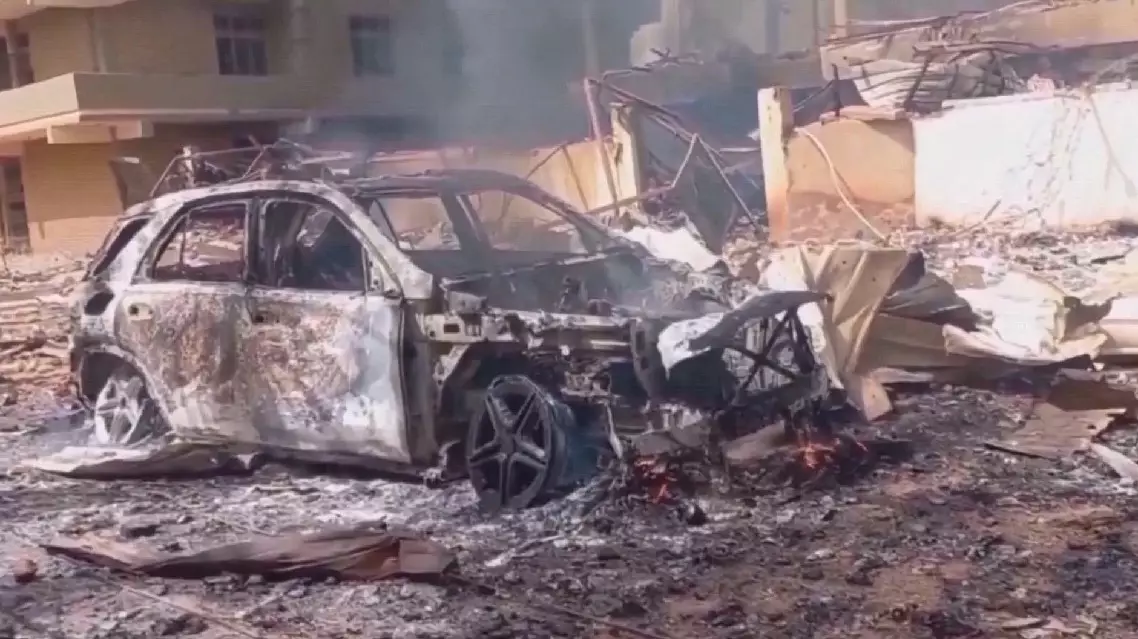
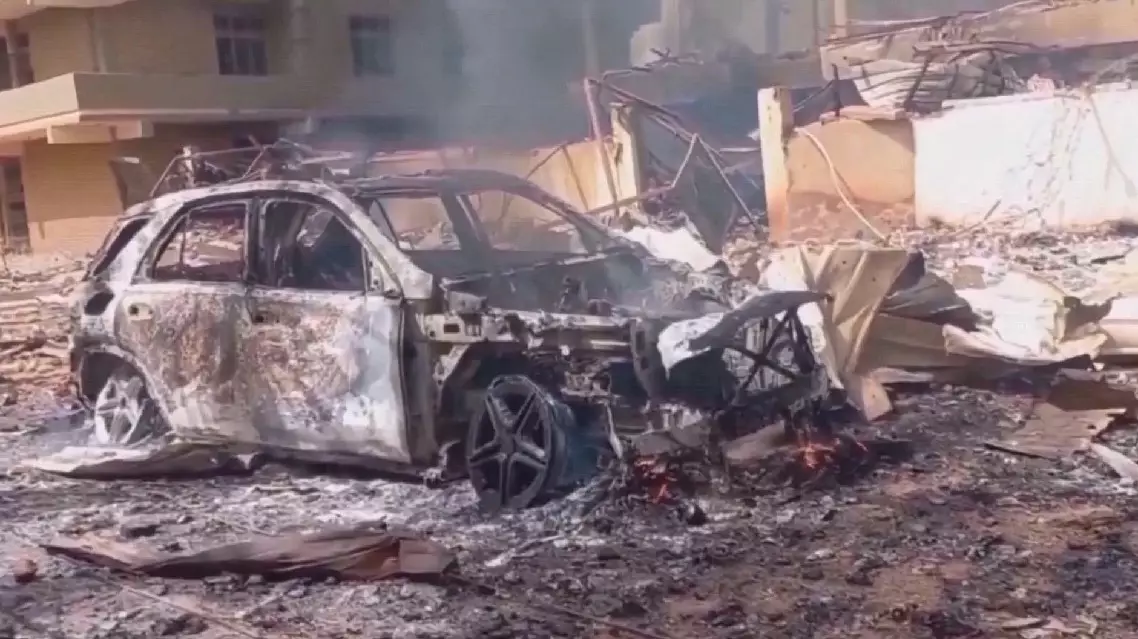
Sudan has been engulfed in a devastating conflict between the Sudanese Armed Forces and the RSF since mid-April 2023. The deadly conflict has resulted in over 24,850 deaths and displaced more than 14 million people, according to estimates by international organizations.
Sudan's Rapid Support Forces says ready for restarting peace talks
Sudan's Rapid Support Forces says ready for restarting peace talks
Sudan's Rapid Support Forces says ready for restarting peace talks
Sudan's Rapid Support Forces says ready for restarting peace talks
Days before the fourth anniversary of the start of the Ukraine-Russia conflict, the two-day talks among Ukraine, the United States and Russia, marking the third round of trilateral talks this year, concluded in Geneva on Wednesday with no breakthrough on key issues.
The first-day talks lasted six hours in both bilateral and trilateral formats, while the second-day talks lasted two hours, Russian media reported.
Ukrainian President Volodymyr Zelensky said that no agreement on key issues was reached, according to media reports.
"We can see that some groundwork has been done, but for now, positions differ because the negotiations were not easy," Zelensky told reporters on Wednesday.
Zelensky also told Ukrainian media that monitoring of a ceasefire with U.S. participation, as well as sensitive political issues such as Donbas and the Zaporizhzhia Nuclear Power Plant, were all discussed during the talks.
Ukraine's chief negotiator Rustem Umerov, also Ukraine's National Security and Defense Council Secretary, said that the work was intense and subjective.
"There is progress, but no details at this stage," he wrote in a Facebook post.
Umerov said on Facebook that the next stage is to reach the required level of consensus to make well-known decisions for the presidents' consideration. He emphasized that the ultimate goal remains unchanged: a just and sustainable peace.
A separate meeting with representatives of the United States and European countries, including France, Britain, Germany, Italy and Switzerland, was also held on Tuesday, Umerov wrote in a Facebook post on Tuesday.
Describing the talks as difficult but business-like, Russia's presidential aide Vladimir Medinsky noted that a new round of negotiations will be held in the near future. No documents were signed during the talks, RIA Novosti reported Wednesday.
The Russian Foreign Ministry announced on Wednesday that the Russian delegation had clear instructions to act within the framework of understanding from the meeting between Russian President Vladimir Putin and U.S. President Donald Trump that was held in the U.S. city of Anchorage, Alaska in August last year.
Two previous rounds of trilateral talks, held in Abu Dhabi on Jan 23-24 and Feb 4-5, did not resolve key territorial issues.
The latest talks focused on key issues including a ceasefire mechanism, security guarantees, humanitarian issues and territorial disputes.
Analysts said that although some limited progress was achieved, the parties' wide gaps on key issues make a major breakthrough in the near term unlikely.

Latest round of trilateral talks on Ukraine ends without agreement on key issues