Fraudulent websites and internet banking login screens related to China Construction Bank (Asia) Corporation Limited
The following is issued on behalf of the Hong Kong Monetary Authority:
The Hong Kong Monetary Authority (HKMA) wishes to alert members of the public to a press release issued by China Construction Bank (Asia) Corporation Limited relating to fraudulent websites and internet banking login screens, which have been reported to the HKMA. A hyperlink to the press release is available on theHKMA website.
The HKMA wishes to remind the public that banks will not send SMS or emails with embedded hyperlinks which direct them to the banks' websites to carry out transactions. They will not ask customers for sensitive personal information, such as login passwords or one-time password, by phone, email or SMS (including via embedded hyperlinks).
Anyone who has provided his or her personal information, or who has conducted any financial transactions, through or in response to the websites or login screens concerned, should contact the bank using the contact information provided in the press release, and report the matter to the Police by contacting the Crime Wing Information Centre of the Hong Kong Police Force at 2860 5012.
CSD emergency exercise "Concord XXV" tests emergency response
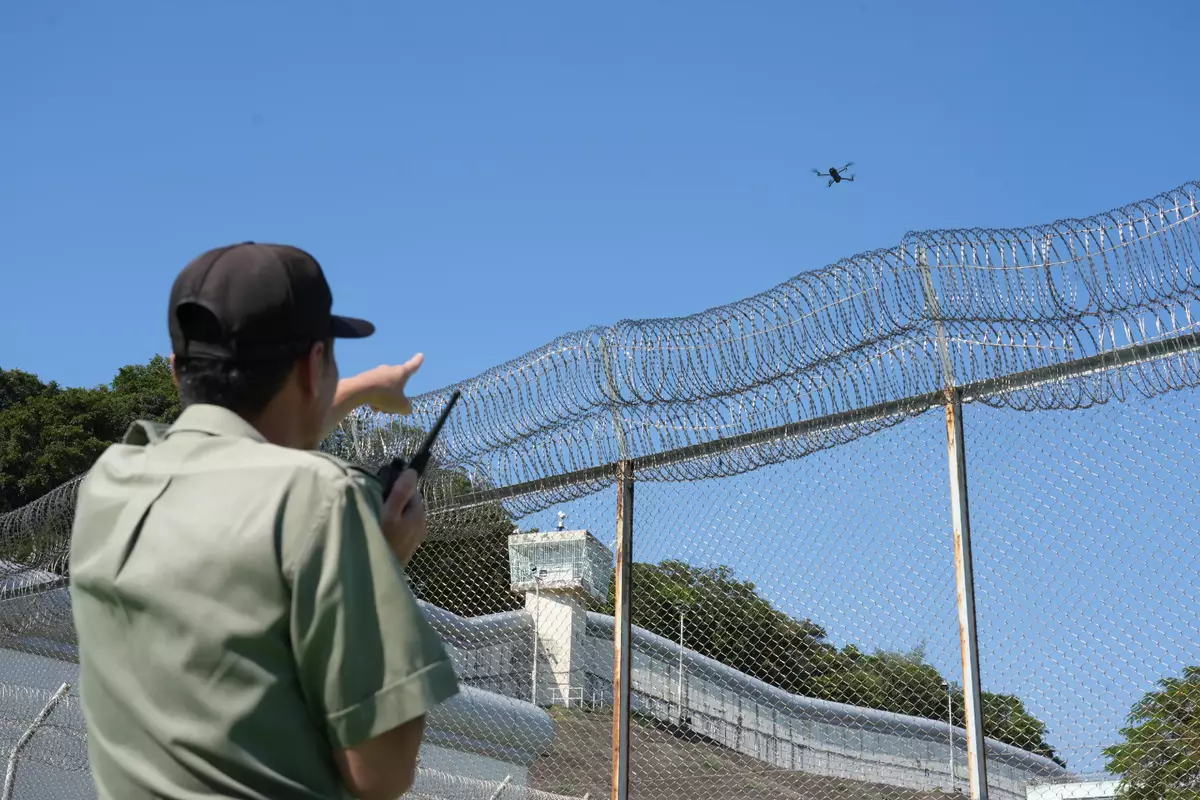
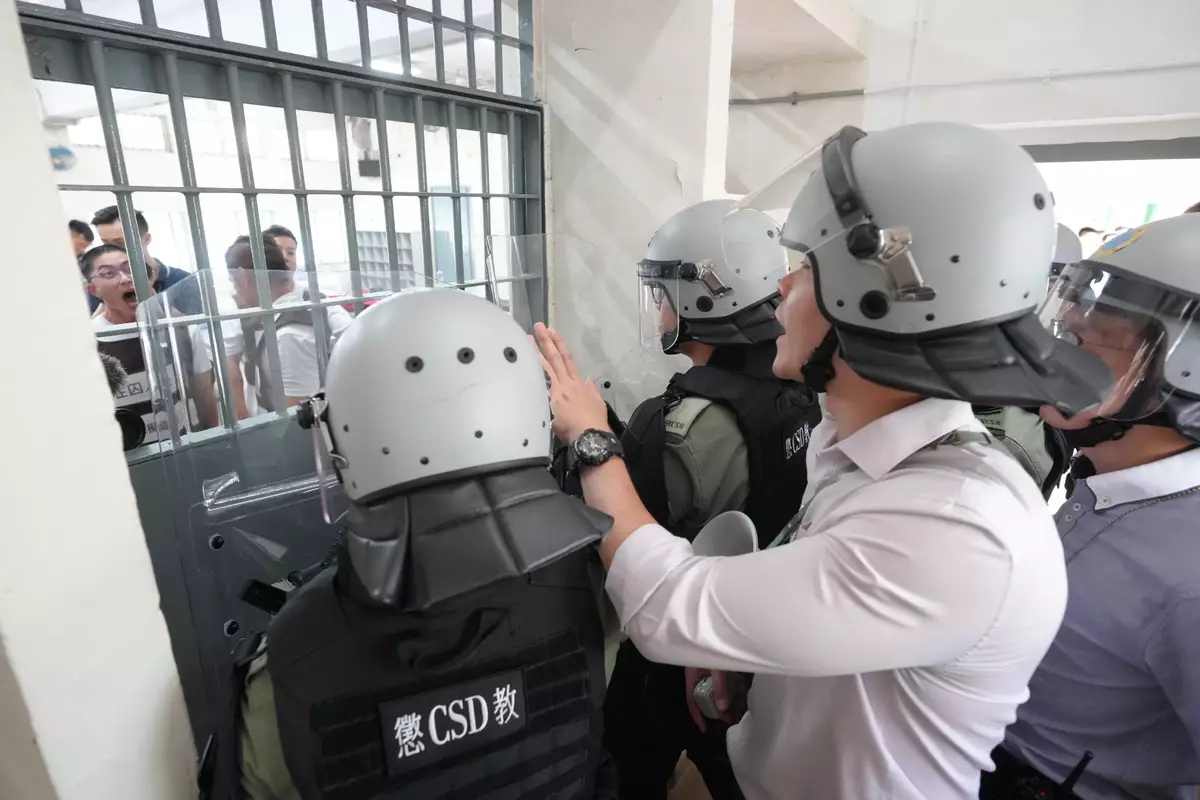
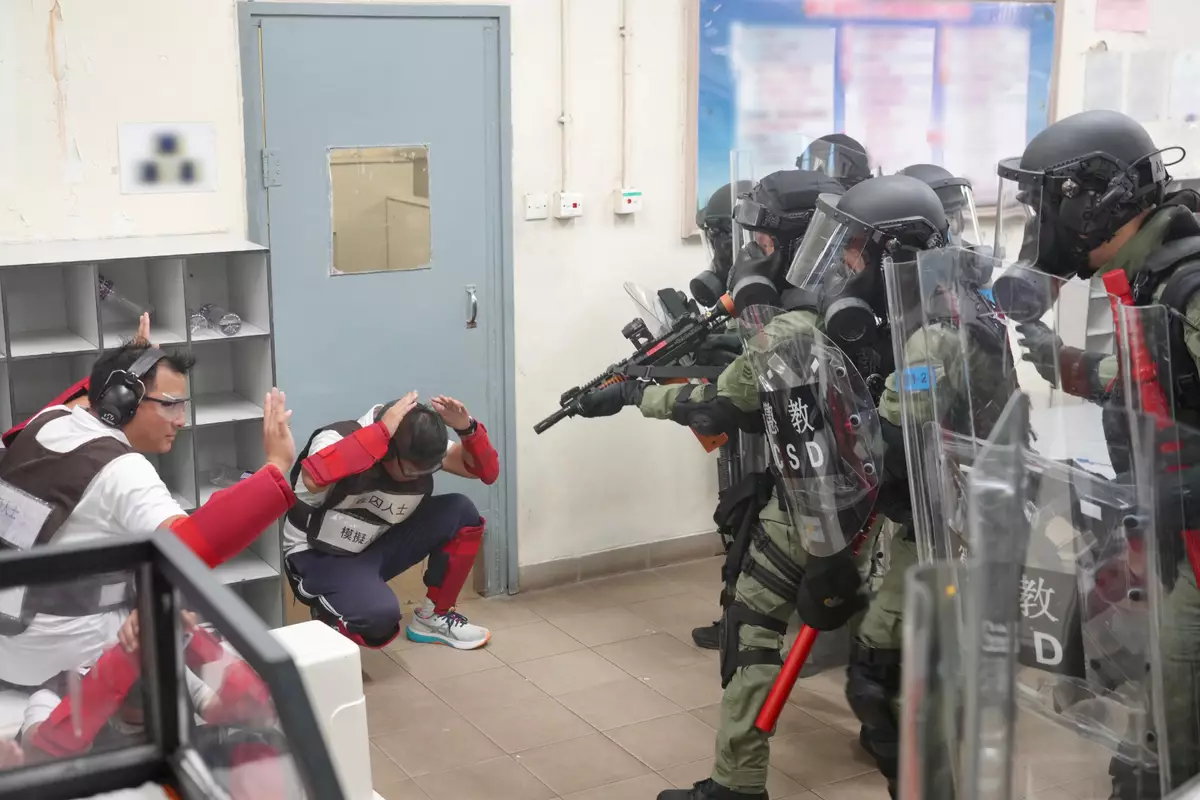
The Correctional Services Department (CSD) conducted a large-scale emergency exercise, code-named "Concord XXV", at Pik Uk Correctional Institution today (October 21). The exercise simulated a series of incidents, which included fighting among remand persons in custody (PICs), a hostage-taking situation, a fire breakout, a mass riot and the discovery of explosives.
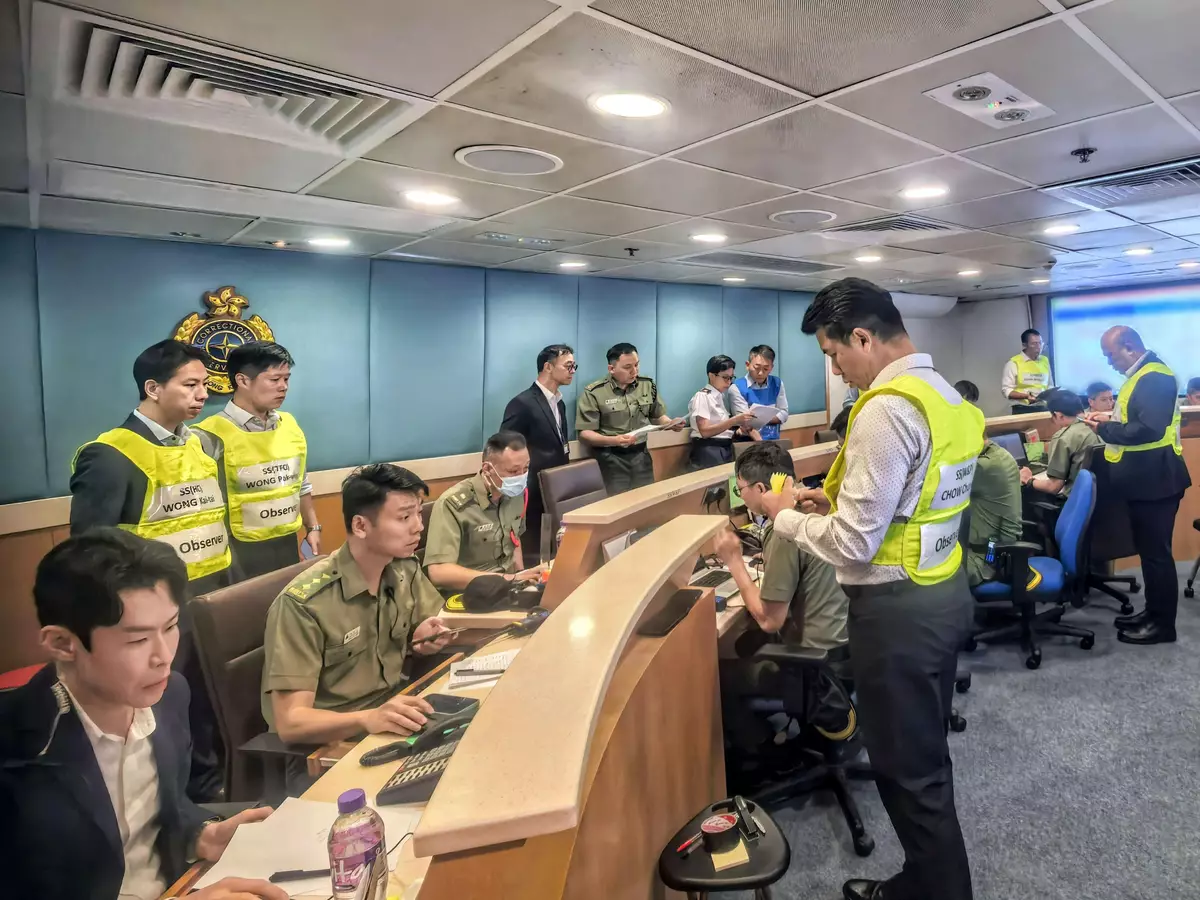
The exercise aimed to review the response capabilities of various units of the CSD when handling emergencies. These include command and communication capabilities at the scene, the effectiveness of activating the Emergency Response System at different tiers according to the developments of emergency situations and the effectiveness of emergency responses as well as information dissemination at departmental levels. The exercise also tested the CSD's co-ordination with other government departments when responding to emergencies. The exercise also included the use of emergency evacuation procedures in the event of the discovery of explosives within the area of the correctional institution.
A total of more than 150 staff members from different government departments, including the CSD's Correctional Emergency Response Team and Regional Response Team, the Hong Kong Police Force and the Fire Services Department, took part in the exercise.
The Assistant Commissioner of Correctional Services (Operations), Mr Chan Siu-hang, was in charge of the whole exercise at the CSD's Central Control Centre in Stanley. He said that the exercise enhanced the response capabilities of the CSD and the effectiveness of its emergency support. It also ensured effective communication and co-operation between government departments.
The CSD holds regular emergency exercises of different scales, including those at institutional, regional and departmental levels, with a view to ensuring that staff members are capable of handling different types of incidents, thereby safeguarding national security, providing a safe and secure custodial environment for PICs and maintaining Hong Kong as one of the safest cities in the world.
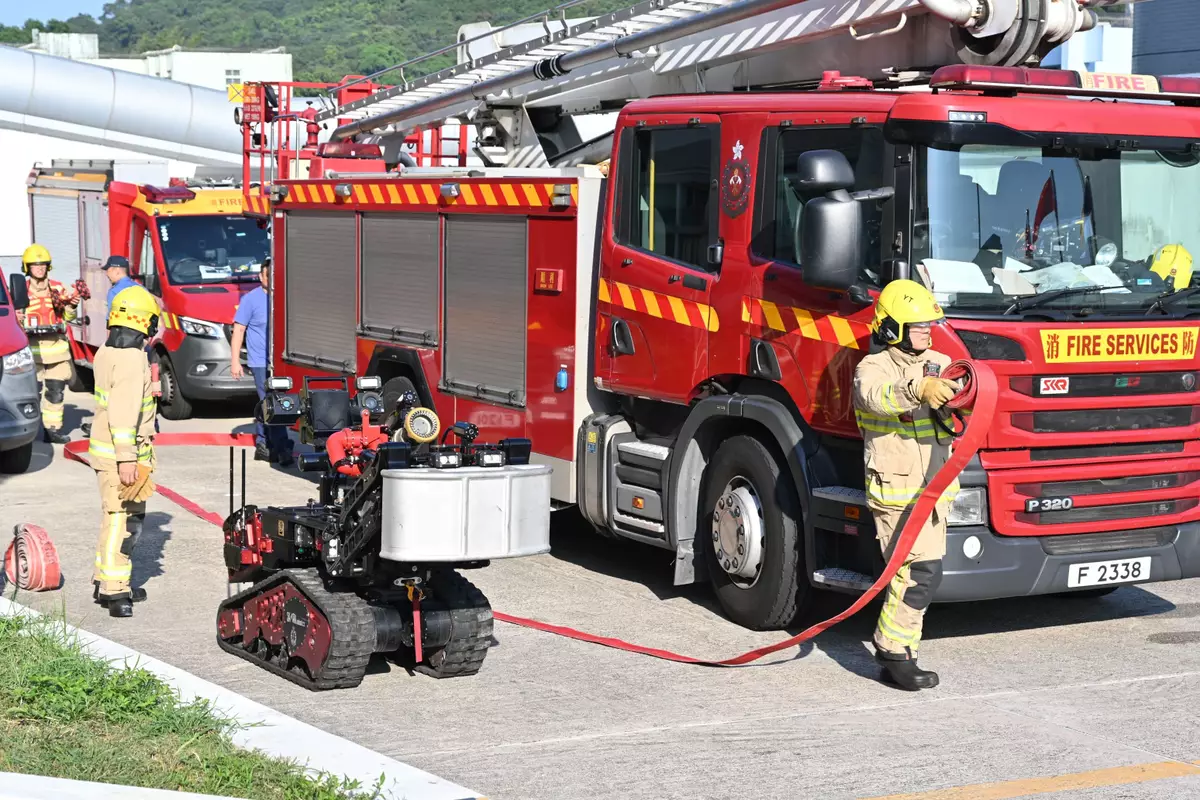
CSD emergency exercise "Concord XXV" tests emergency response Source: HKSAR Government Press Releases
CSD emergency exercise "Concord XXV" tests emergency response Source: HKSAR Government Press Releases
CSD emergency exercise "Concord XXV" tests emergency response Source: HKSAR Government Press Releases
CSD emergency exercise "Concord XXV" tests emergency response Source: HKSAR Government Press Releases
CSD emergency exercise "Concord XXV" tests emergency response Source: HKSAR Government Press Releases