Skip to Content Facebook Feature Image

Egypt localizes EV assembly, production to lift its auto sector, reach sustainable goals

China

China

China

Egypt localizes EV assembly, production to lift its auto sector, reach sustainable goals

2024-11-21 10:27 Last Updated At:10:57

Egypt is making a push towards localizing the assembly and production of electric vehicles (EVs) to boost its auto sector while pursuing sustainable development.

Egyptian Prime Minister Mostafa Madbouly on Sunday reopened the state-owned Nasr Auto Company following a 15-year hiatus. Now the company has a capacity to produce more than 40,000 electric vehicles a year as well as EV batteries.

"Egypt, according to the prime minister, now has the capacity to produce half a million electric cars annually and the contracts signed with foreign firms so far will produce about 100,000 cars a year," said Mahmoud Khairy, a car trader and expert from Egypt.

Having free access to European and African markets, the most populous Arab nation can also leverage its strategic geographic location and huge market potential to become a regional hub for exporting self-manufactured vehicles.

"The country will benefit from local production by being partially self-sufficient in vehicles. This means less expenditure on hefty import bills," said Mahmoud Khairy.

The Egyptian government offers various incentives including tariff and tax breaks to encourage foreign companies to set up production locally, which in turn brings in advanced insights and expertise for EV manufacturing.

Egypt has witnessed booming sales of EVs. Electric cars increased from the beginning of July 2021 until the end of June 2024, raising the total number of licensed electric vehicles to 7,213, with BYD as the second best-selling car brand, according to the data.

Several European and Asian brands have already signed up to establish assembly plants in Egypt, including those from China.

Waleed Suleiman, the CEO of Spark EV Company in Egypt, is discussing with his Chinese counterparts plans to establish an assembly plant for Chinese EVs in Egypt.

"The Chinese cars are very advanced, high quality, very reasonable price. When you compare it with European cars and American cars, it's far away. If not a better quality, it's the same quality, but when it comes to price, it's much much lower than the other ones, and that's why people tend to go and buy Chinese cars," he said.

Experts from auto industry have also emphasized the need for EV infrastructure to keep up with the expansion plans.

"The number of recharging points increase gradually, covering main roads and highways and we are building new ones daily.There are 8 companies licensed to establish charging points," said Ahmed Zain, owner of Alienz Auto.
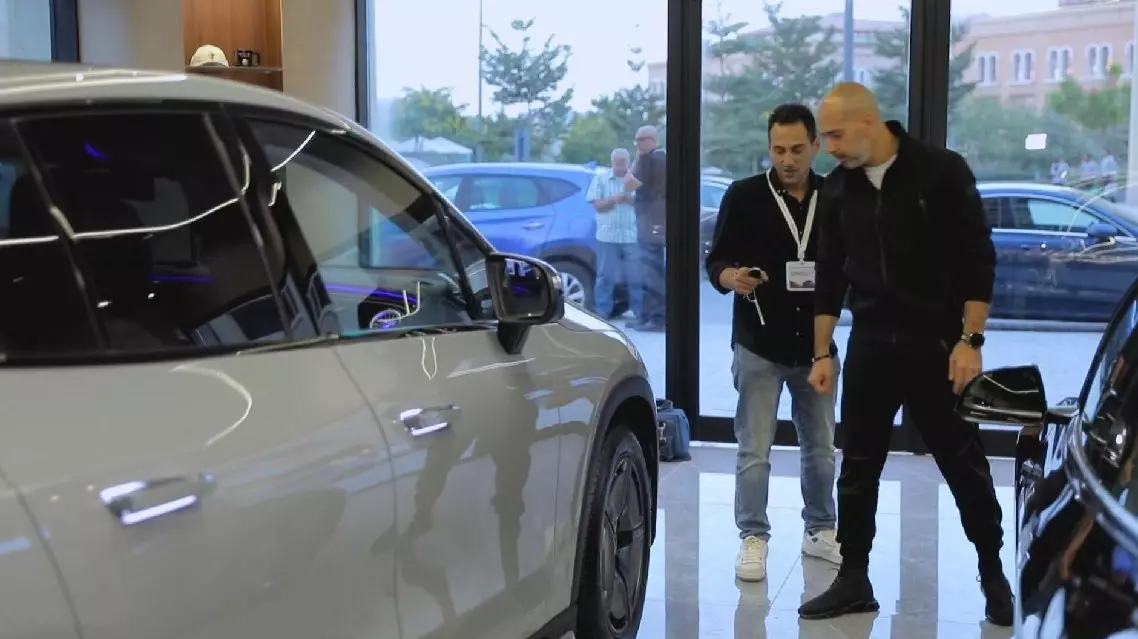
Egypt localizes EV assembly, production to lift its auto sector, reach sustainable goals
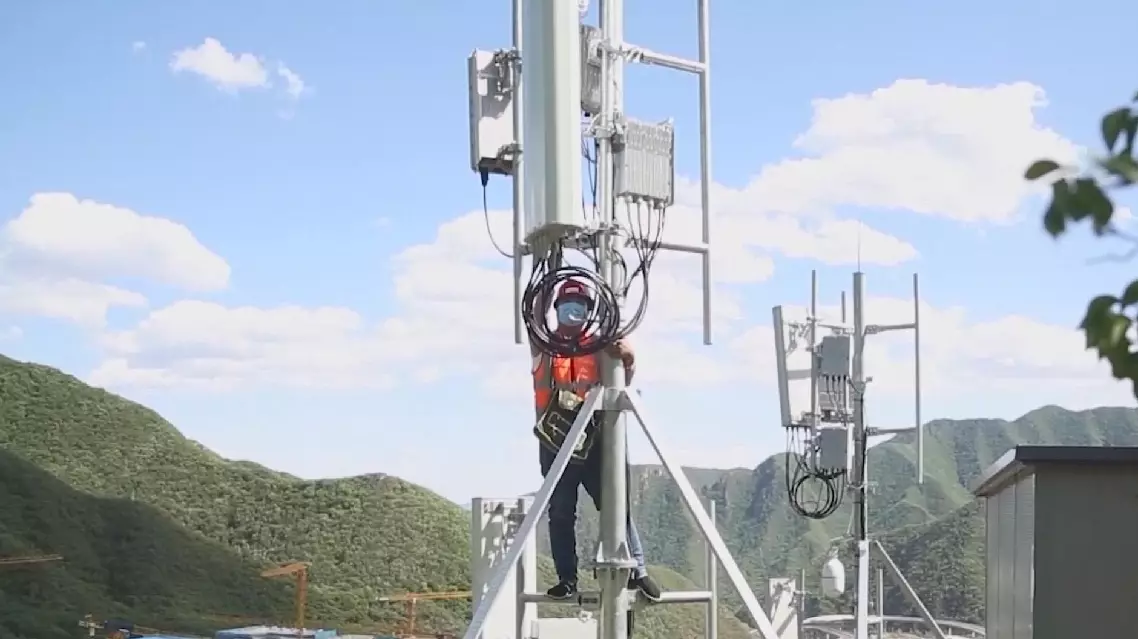
Egypt localizes EV assembly, production to lift its auto sector, reach sustainable goals

Geoeconomic confrontation is the leading short-term global threat in 2026, the World Economic Forum (WEF) warned in its Global Risks Report 2026 released on Wednesday ahead of its annual meeting in Davos, Switzerland.

The report ranks geoeconomic confrontation as the top risk for 2026, followed by interstate conflict, extreme weather, societal polarization, and misinformation and disinformation. It also identifies geoeconomic confrontation as the most severe risk over the next two years.

"I think if there is to be one key takeaway from the report, it's that we are entering an age of competition and this new competitive order is then shaping current global risks, but it is also shaping and to some extent hindering our ability to actually cope with them. That's really the key takeaway. If we take a look at, the number one risk both for 2026 and two years out, it's dual economic confrontation. But then if we look at the risks 10 years out. It's really the climate and environment related risks. All of these things require global cooperation and that's where we're seeing a big backsliding in this new age of competition," said Saadia Zahidi, managing director of the WEF.

Economic risks showed the largest increase in the two-year outlook, with concerns over economic downturns, inflation, rising debt and potential asset bubbles intensifying amid geoeconomic tensions, the report said.

Environmental risks remain the most severe overall, led by extreme weather, biodiversity loss and critical changes to Earth systems. The report noted that three-quarters of respondents expect a turbulent environmental outlook.

Risks related to adverse outcomes of artificial intelligence rose sharply, climbing from 30th in the two-year horizon to fifth in the 10-year outlook, reflecting concerns over impacts on labor markets, society and security.

The 21st edition of the report draws on views from more than 1,300 experts, policymakers and industry leaders.

The WEF's annual meeting will be held in Davos from Jan 19 to 23 and draw nearly 3,000 guests from more than 130 countries and regions to participate.

"So overall, we are starting to see this shift away from what have traditionally been the ways in which people have been able to cooperate. Now, that is not to say that any of this is a foregone conclusion. And I think that's a really important message around the risks report. None of this is set in stone. All of this is in the hands of leaders. Whether they choose to cooperate and invest in resilience or whether they do not. So that's really what we'll be focused on next week in Davos bringing leaders together under this overall theme of 'a spirit of dialogue' and trying to reestablish relationships, cooperation and trust. That's the fundamental," said Zahidi.

WEF warns of rising geoeconomic risks in 2026

WEF warns of rising geoeconomic risks in 2026

Recommended Articles